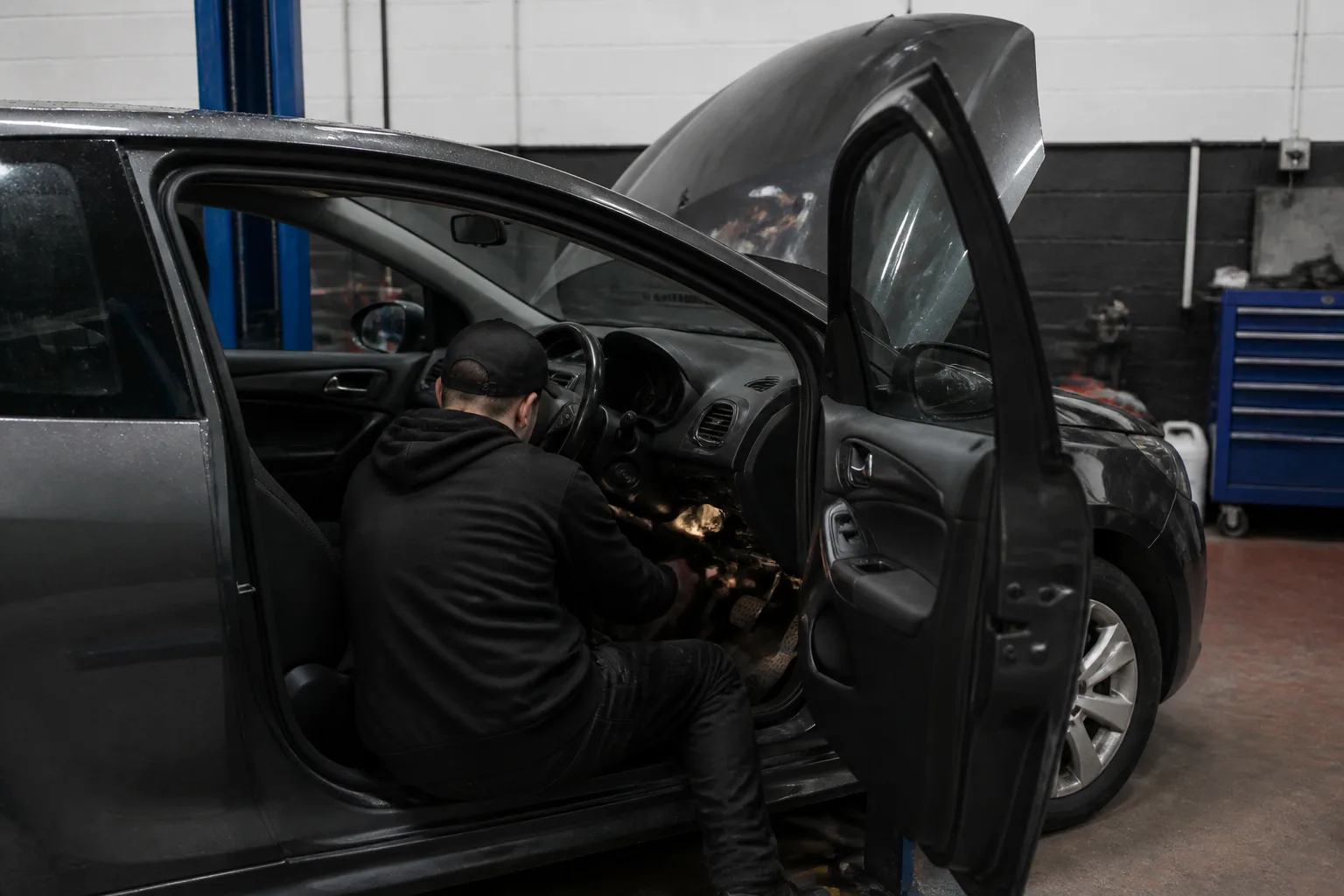
Brakes, Tyres & Suspension
Why Does My Brake Pedal Feel Hard?
A hard brake pedal can mean the braking assistance is not working properly. Learn what may cause it, what you can safely check and when to stop driving.
Ashton's Garage

Ashton's Garage
Straightforward guidance on MOTs, servicing, warning lights, repairs and looking after your car.
A hard brake pedal can mean the braking assistance is not working properly. Learn what may cause it, what you can safely check and when to stop driving.
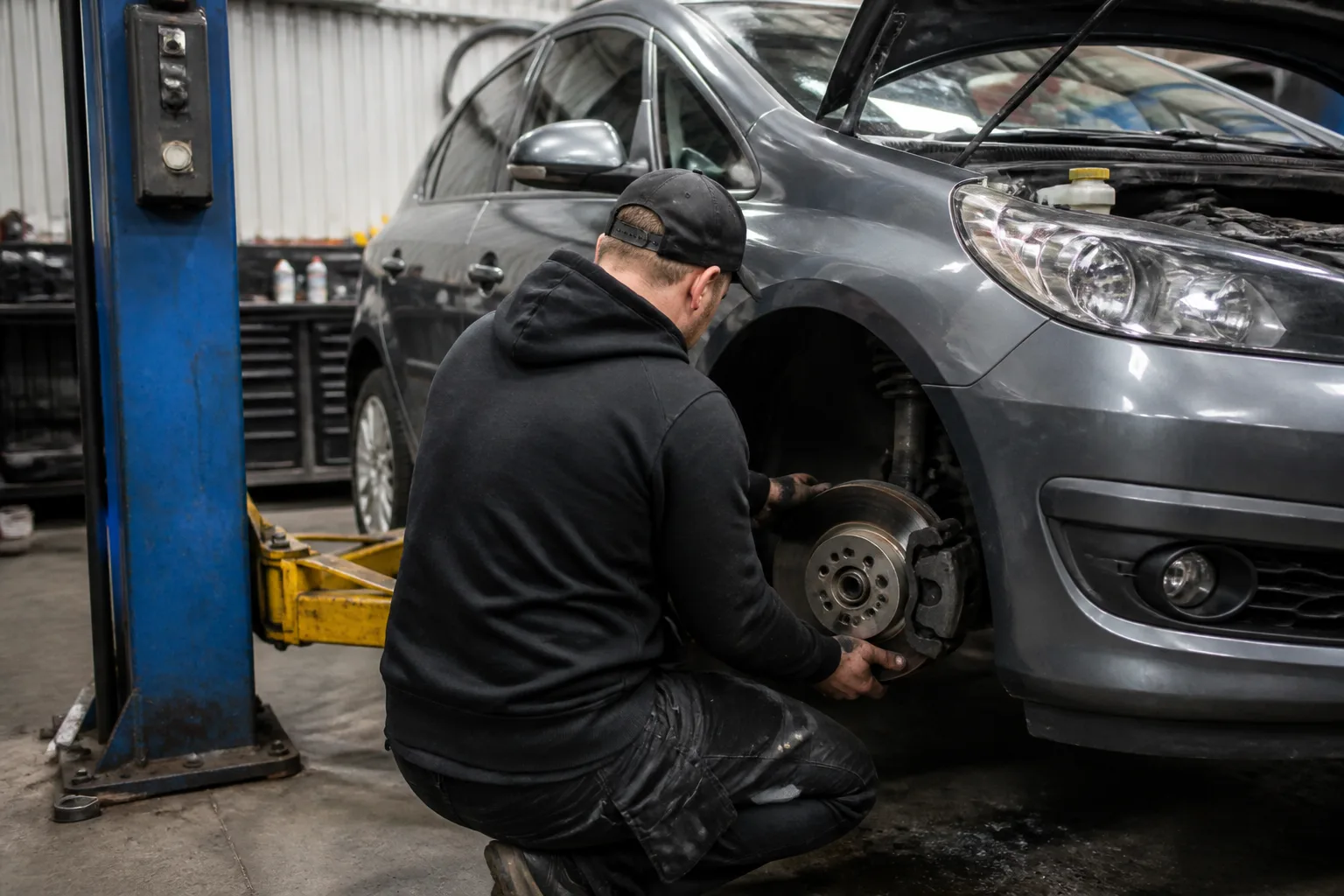
A soft or spongy brake pedal should not be ignored. Learn what may cause it, which checks are safe to make and when your car needs professional inspection.
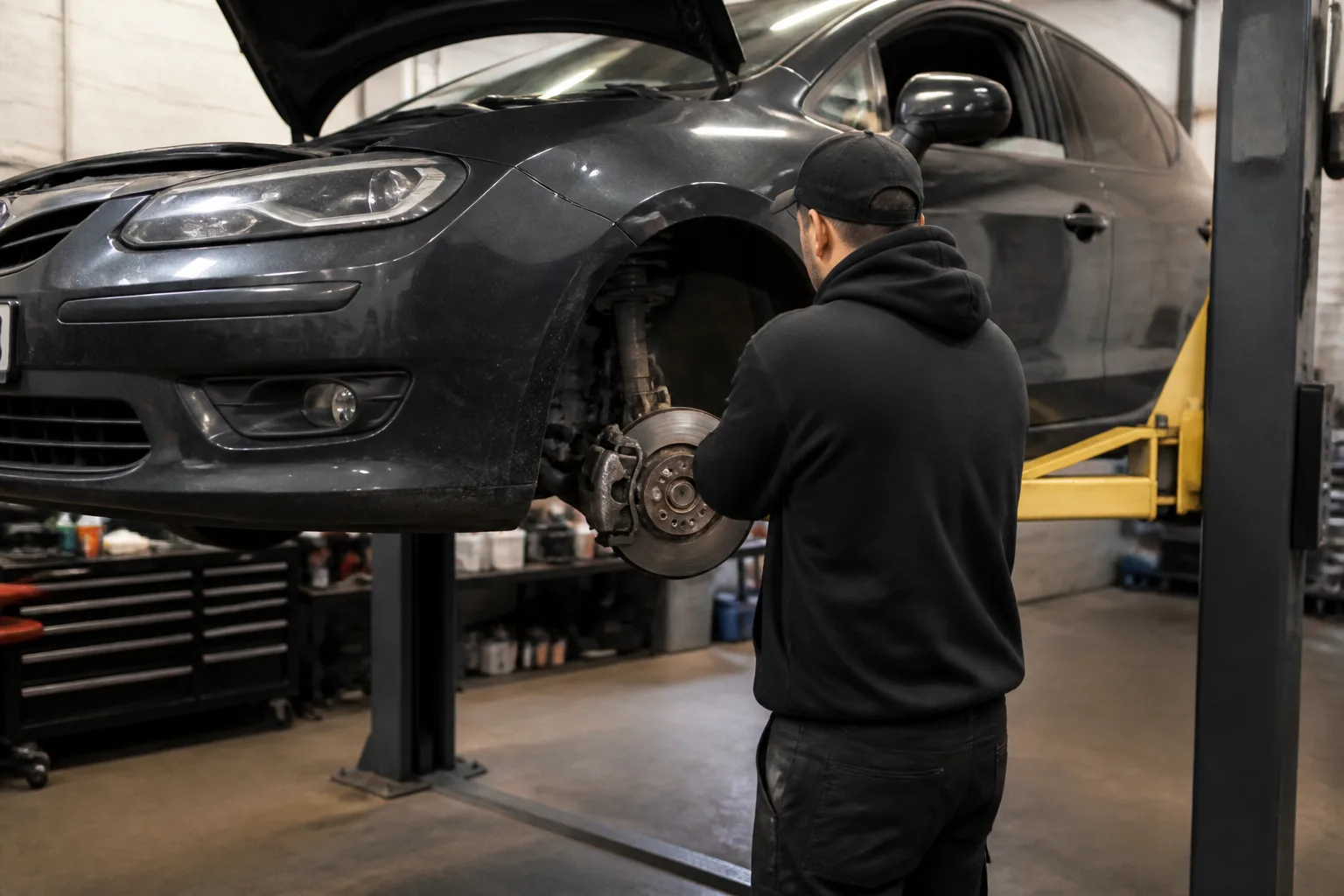
Brake squeal is often caused by vibration, surface contamination or worn components, but the sound should not be ignored. Here is what it may mean and when to arrange an inspection.
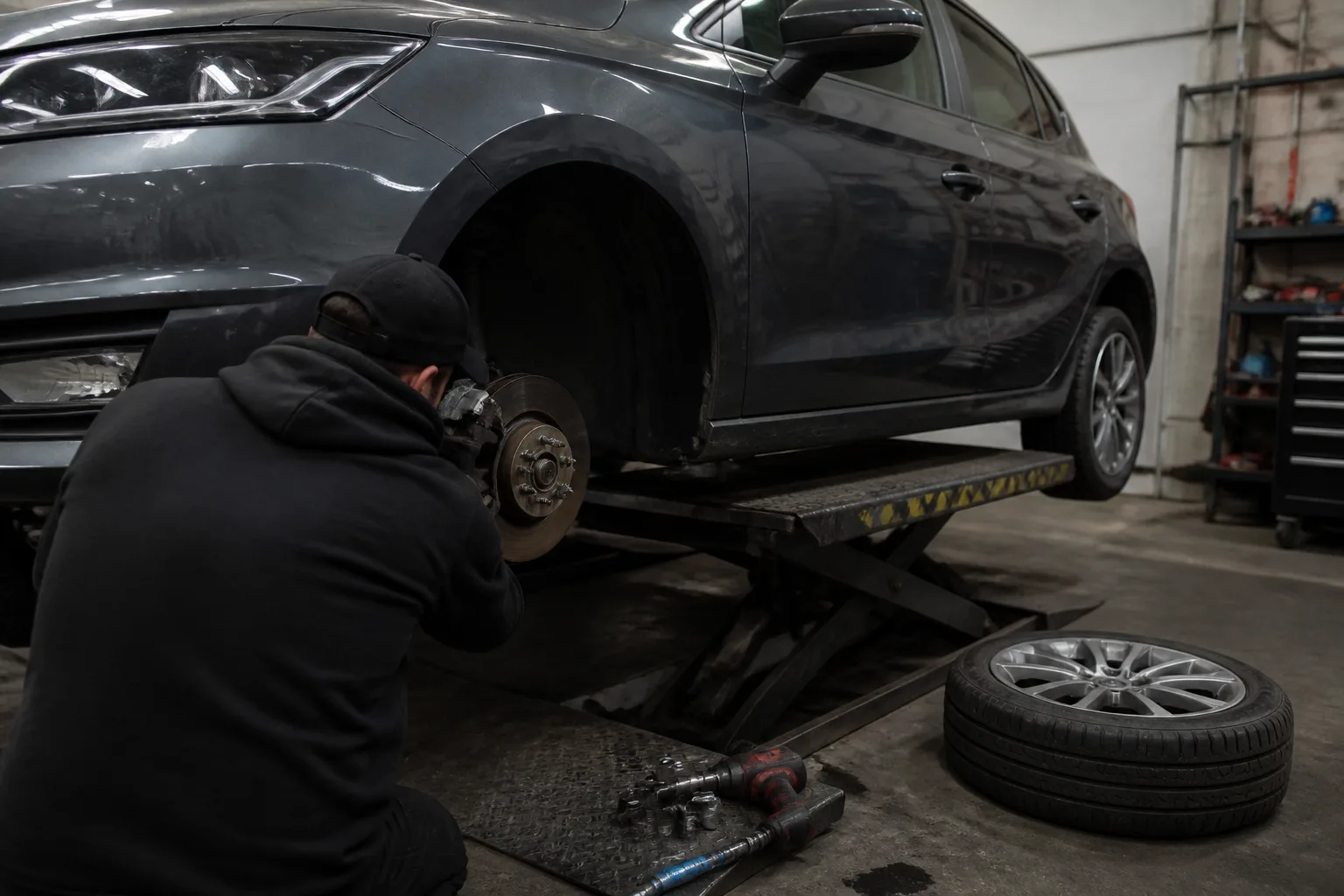
A steering wheel that shakes under braking can have several causes, from uneven brake discs to worn suspension or tyre problems. Here is what the symptom may mean and when to stop driving.
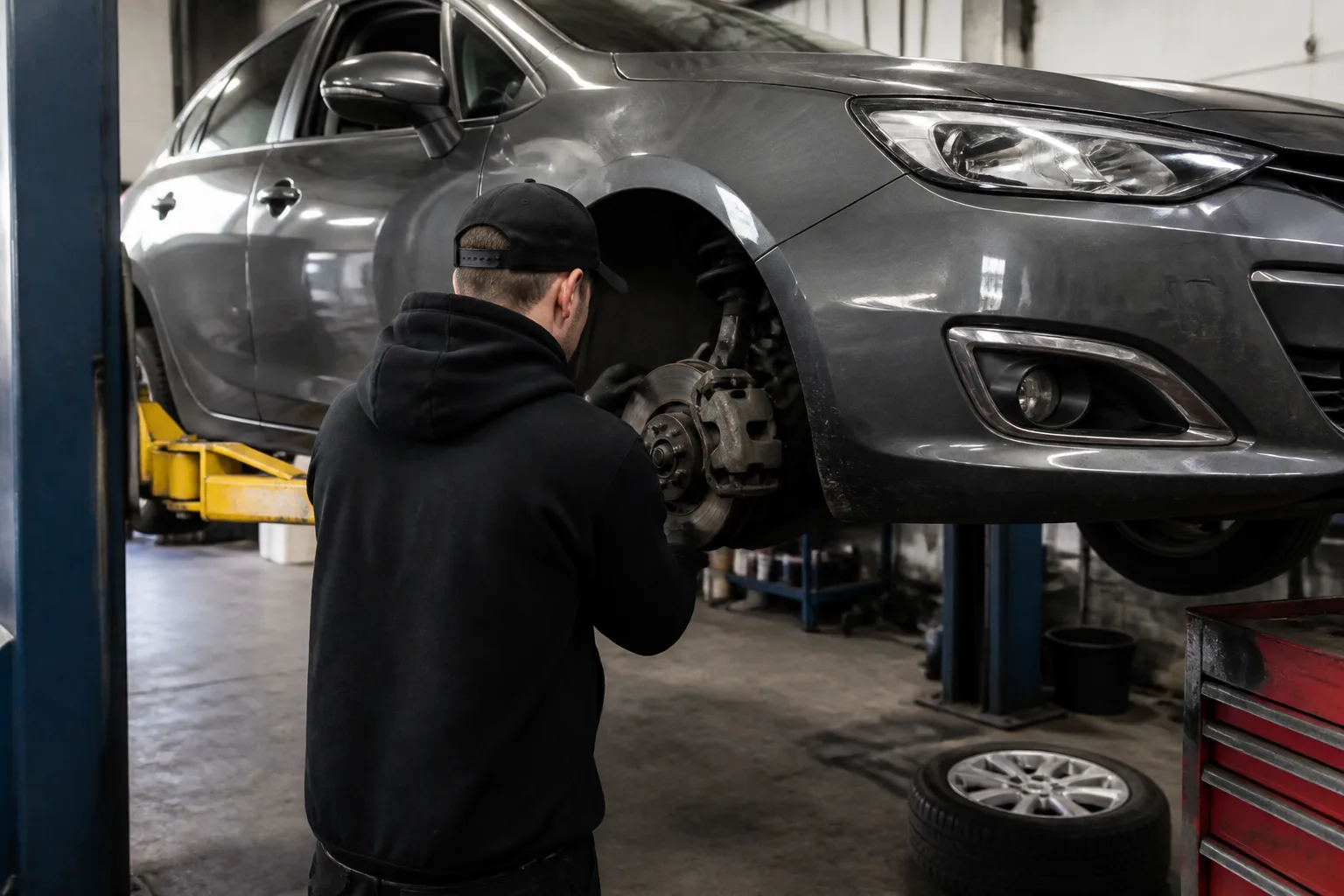
If your car moves left or right when you brake, it may have an uneven braking, tyre, suspension or steering fault. Find out what it could mean and when to stop driving.
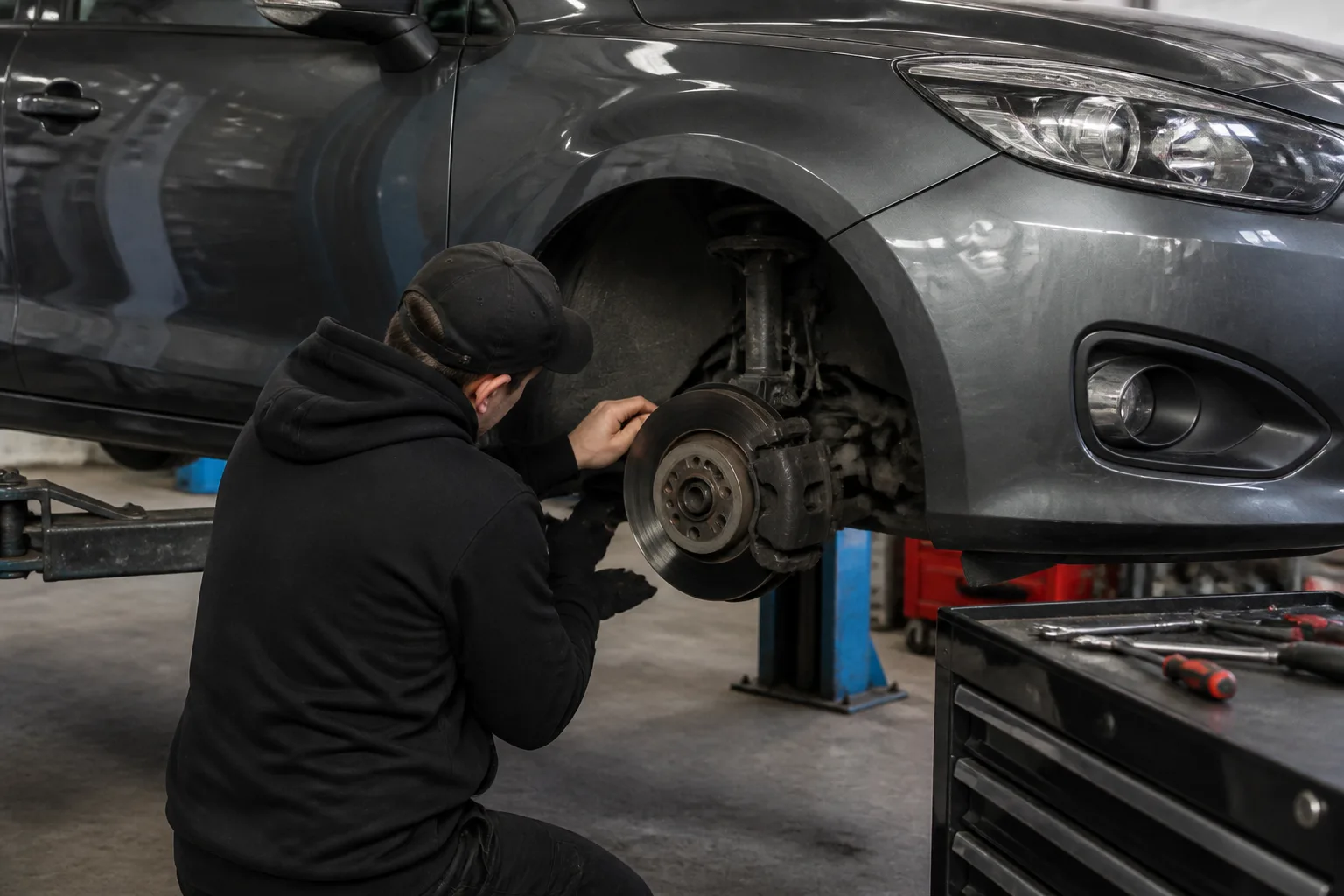
Learn the common signs of worn brake pads, what different brake noises and sensations may mean, and when your car needs a professional inspection.
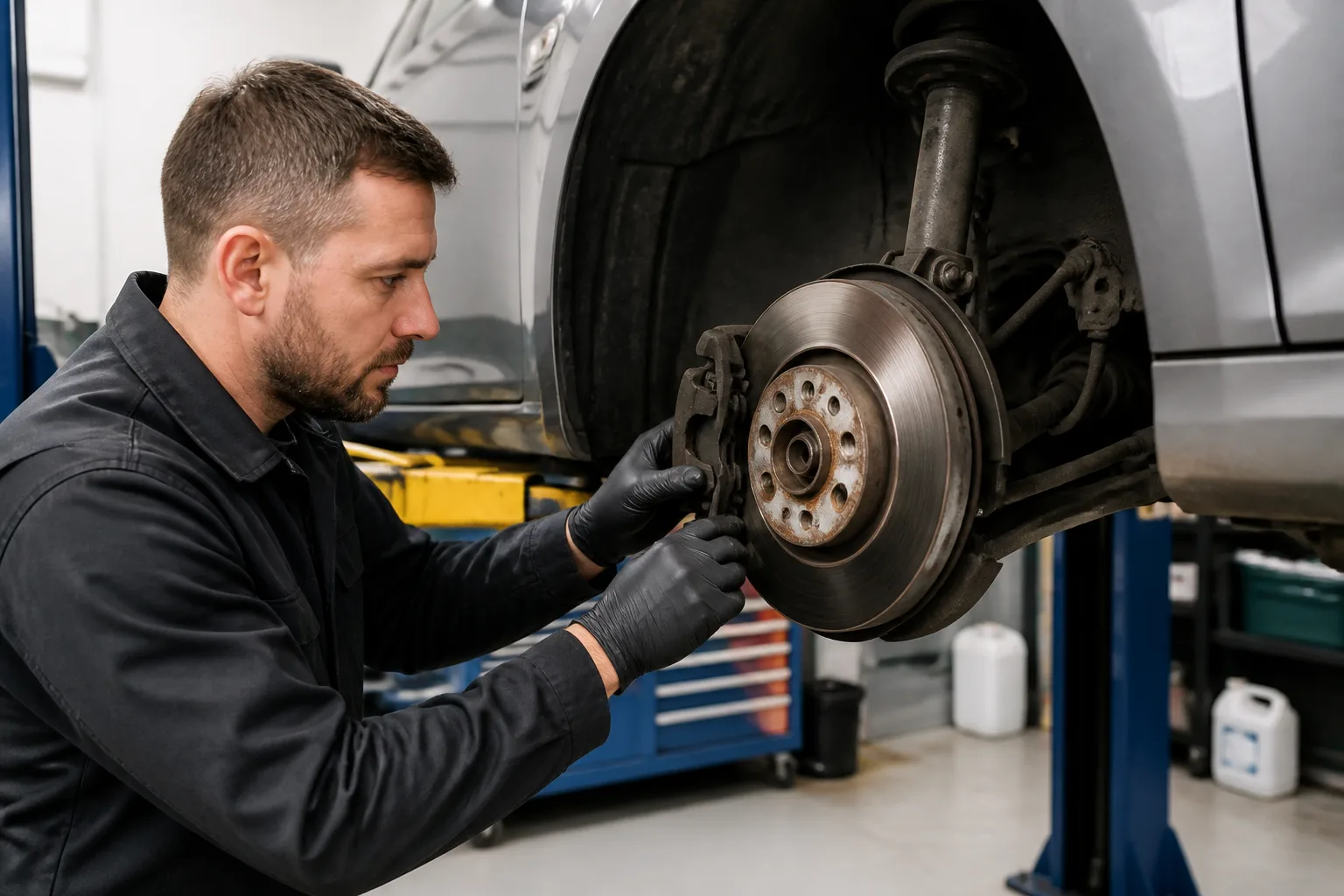
Brake pads do not have a fixed replacement interval. Find out what affects their lifespan, how to check for wear and when professional inspection is needed.
A clear, consistent service history can support a car’s value by giving buyers confidence in its maintenance and condition. Here is what records are worth, what buyers look for and how to fill gaps responsibly.
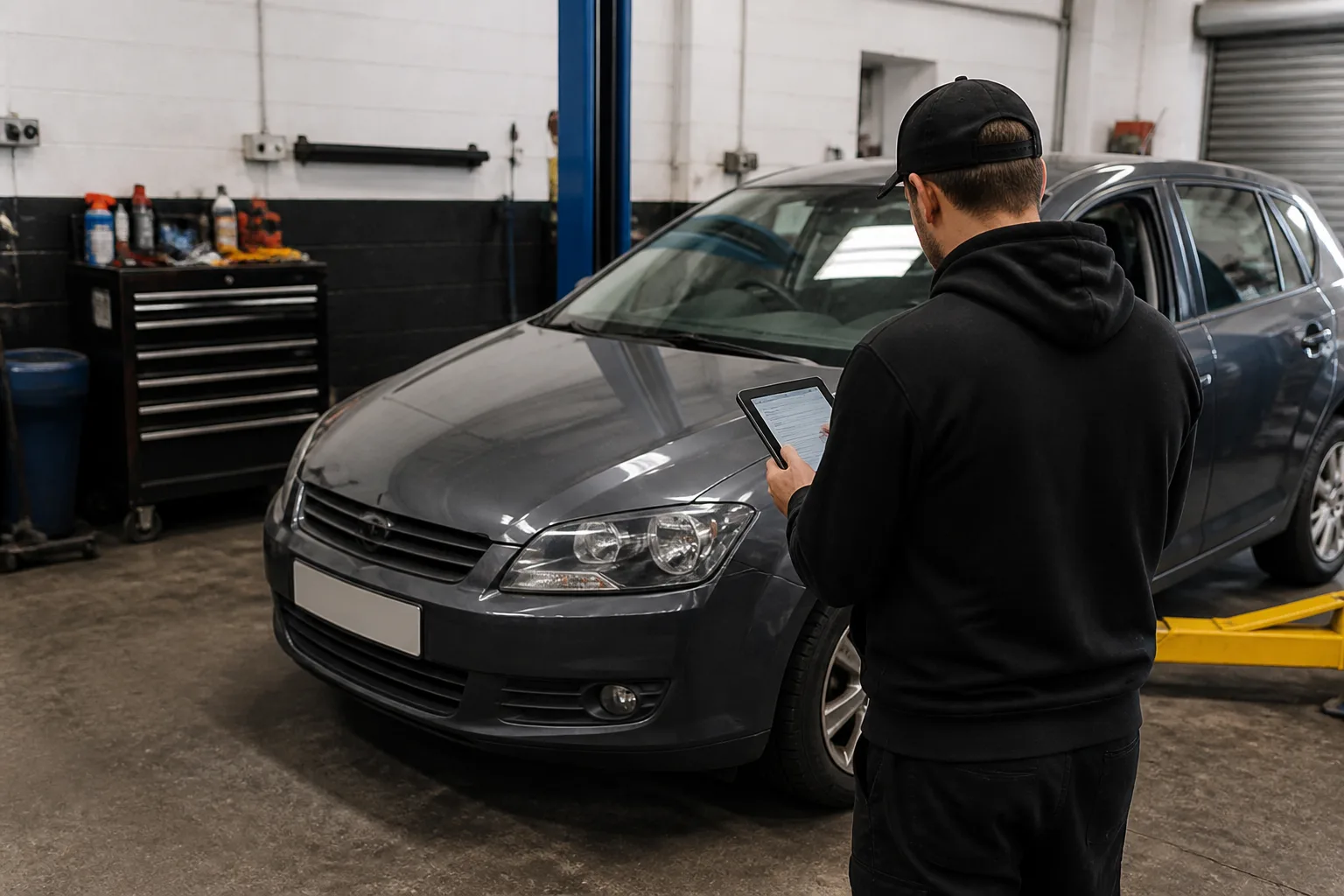
A missed service is not always obvious. Learn the common signs your car may be overdue maintenance, what they can mean and when professional checks are sensible.
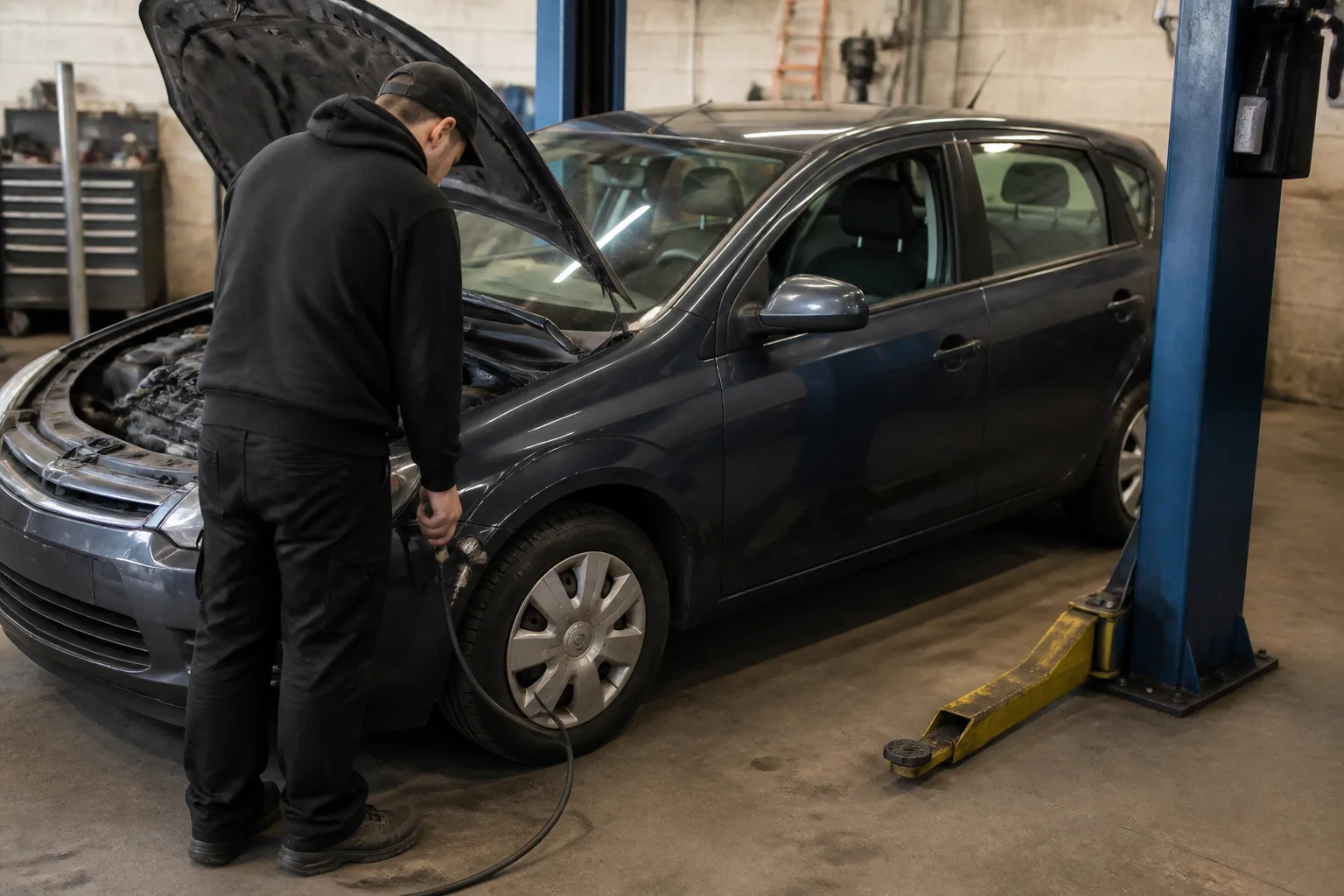
A practical pre-trip checklist covering tyres, fluids, lights, brakes, visibility, breakdown equipment and the warning signs that should be checked by a garage before you set off.
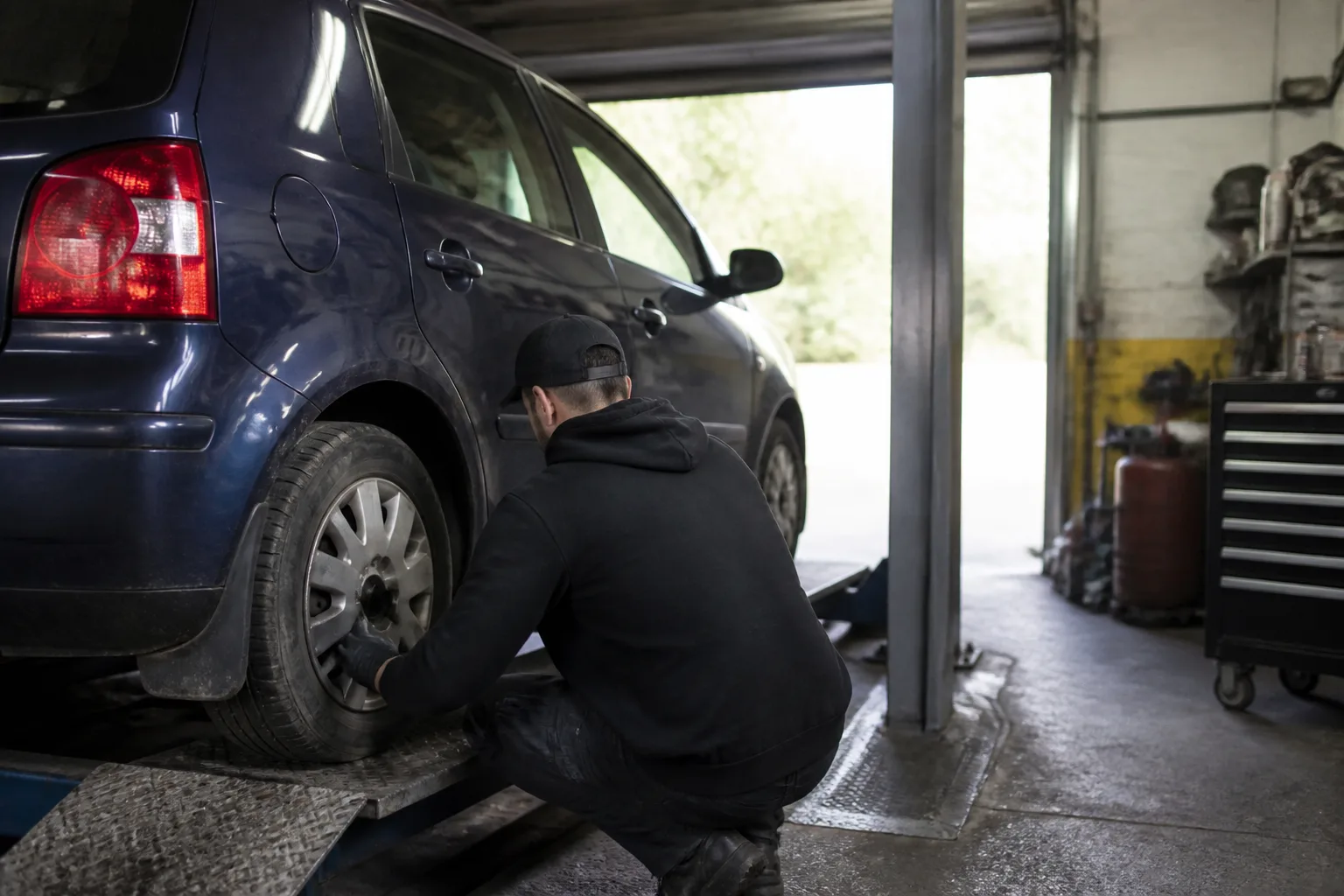
A car can usually sit unused for several weeks, but batteries, tyres, brakes and fluids can cause problems if it is left for longer. Here is what to check before driving again.
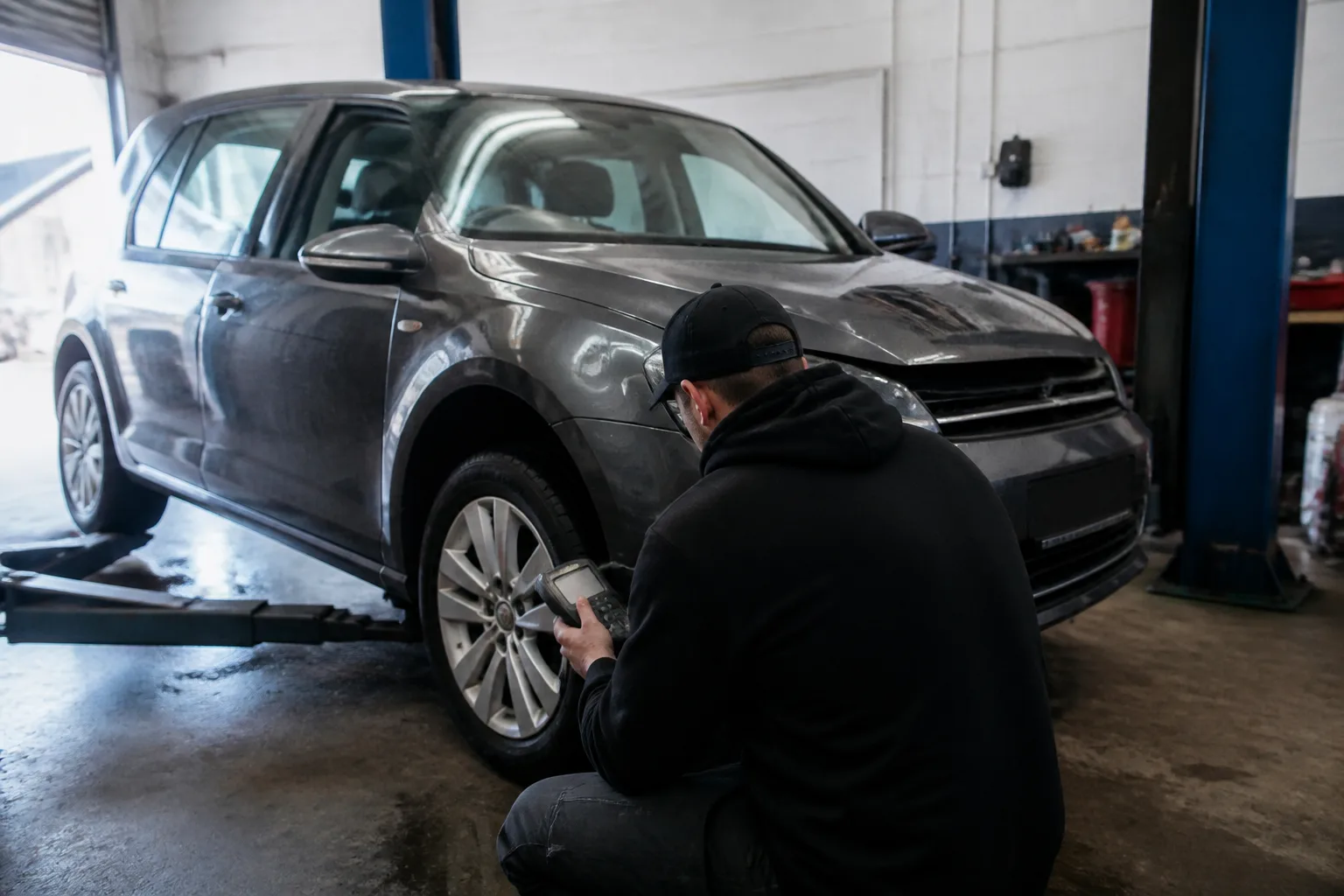
A sudden increase in fuel use can be caused by driving conditions, tyre pressures, servicing issues or a developing fault. Here is what to check and when to seek professional help.