Why Is My Car Using More Fuel Than Usual?
A sudden increase in fuel use can be caused by driving conditions, tyre pressures, servicing issues or a developing fault. Here is what to check and when to seek professional help.
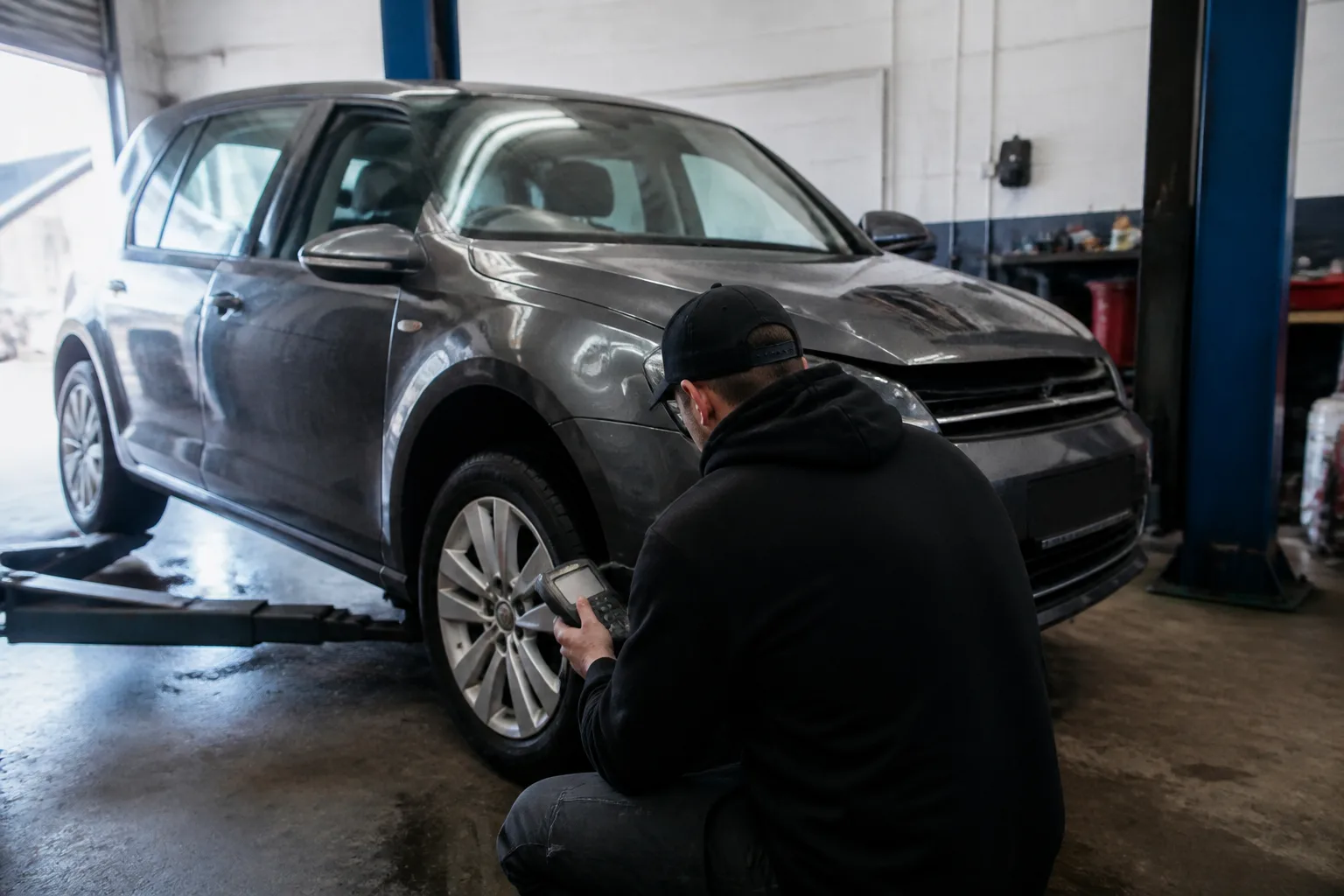
If your car is using more fuel than usual, there may be a simple explanation, such as colder weather, heavier traffic or a recent change in your journeys. However, a noticeable and persistent drop in fuel economy can also point to an issue with the tyres, brakes, engine or emissions system.
Fuel consumption is affected by many factors, so increased fuel use does not automatically mean that a major repair is needed. The useful first step is to look for a change in your driving conditions, then consider whether the car has any new symptoms or warning lights.
Check that the change in fuel use is genuine
It is easy to judge fuel economy by how often you visit the filling station, but this can be misleading. Different fuel levels, journeys and pump shut-off points can make one tank appear better or worse than another.
For a clearer picture, reset the trip computer after filling up or note the mileage and amount of fuel added. Compare several tanks rather than relying on one journey. If you usually drive on open roads but have recently been doing short urban trips, the difference may be caused by the journeys rather than a fault.
It is also worth checking whether the car has been left idling more than usual, for example while clearing the windows or waiting in traffic. Idling uses fuel without adding miles to the trip.
Common non-mechanical reasons for higher fuel consumption
Short journeys and heavier traffic
Cold engines are less efficient than engines that have reached their normal operating temperature. A series of short trips gives the engine little time to warm up, while stop-start traffic means the car covers fewer miles for the fuel being used.
Roadworks, congestion, school runs and changes to your regular route can therefore have a noticeable effect. This is particularly common in winter, when cold starts, poor weather and increased use of the heater or demister can all add to fuel consumption.
Low tyre pressures
Under-inflated tyres create more rolling resistance, which means the engine has to work harder to move the car. Tyre pressures can also fall gradually and may change with temperature.
Check the pressures when the tyres are cold and use the vehicle manufacturer's recommended figures. These are usually listed in the handbook, on a label around the driver's door area or inside the fuel flap. Do not use the maximum pressure printed on the tyre sidewall as the normal vehicle setting.
While checking, look for visible damage, uneven wear or a tyre that appears noticeably lower than the others. A damaged or losing-pressure tyre needs prompt attention, particularly if the car feels unstable.
Extra weight and external equipment
A full boot, a roof box, roof bars or a cycle carrier can increase the effort needed to move the car. Roof-mounted equipment can also increase aerodynamic drag, especially at higher speeds.
Removing equipment that is no longer needed may improve fuel use. It is sensible to avoid carrying heavy items in the car permanently, while still keeping essential equipment available for the conditions.
Changes in driving style
Faster acceleration, higher motorway speeds, frequent overtaking and more time spent in low gears can all increase fuel use. Air conditioning and electrical systems also require energy, although switching them off is not a substitute for fixing a mechanical problem.
Mechanical causes that may need attention
Brakes that are dragging
A brake that is not releasing properly can create resistance as you drive. Possible signs include the car pulling to one side, a hot or unusual smell after a journey, a wheel feeling much hotter than the others or reduced performance.
Brake problems should not be diagnosed or repaired at home without the right equipment and knowledge. If the car is pulling, a brake warning light is showing, or you notice a burning smell or unusual heat from a wheel, stop when it is safe to do so and arrange a professional inspection. Continuing to drive may be unsafe.
Wheel alignment or suspension problems
Incorrect wheel alignment can increase tyre wear and rolling resistance. You may notice the steering wheel is no longer centred, the car drifts on a reasonably level road or the edges of the tyres are wearing unevenly.
Alignment issues can follow an impact with a pothole or kerb, although wear in suspension or steering components can produce similar symptoms. A garage can inspect the relevant parts and establish whether an alignment check is appropriate.
Engine and emissions faults
The engine relies on accurate information from sensors to control fuelling and ignition. A fault affecting the oxygen sensor, engine temperature sensor, airflow measurement or other emissions-related components can cause poor fuel economy. Problems with the ignition system, such as worn spark plugs on a petrol engine, may also affect how efficiently the engine runs.
These issues can be accompanied by rough running, hesitant acceleration, difficult starting, a smell of unburnt fuel or an engine management warning light. A warning light does not identify the failed part by itself. Diagnostic equipment and further checks are usually needed before deciding what repair, if any, is required.
Air filters, servicing and maintenance condition
A restricted air filter or overdue maintenance can affect engine performance, although the exact effect depends on the vehicle and the condition of the component. Servicing is not simply about changing oil. It provides an opportunity to check the engine, tyres, brakes, fluids and other systems that influence reliability and efficiency.
If your car is overdue for maintenance, you may find our guides on how often a car should be serviced and what is included in a full car service useful. The correct service schedule depends on the vehicle, its age, mileage and how it is used.
What should you check first?
Start with the simple observations that do not involve dismantling anything:
- Compare your recent journeys with your normal driving pattern.
- Check cold tyre pressures against the manufacturer's recommendations.
- Look for tyre damage, uneven wear or a tyre that is losing pressure.
- Consider whether the boot, roof bars or other equipment are adding weight or drag.
- Notice any warning lights, unusual smells, smoke, rough running or changes in performance.
- Check when the car was last serviced and whether the increase has continued over more than one tank.
These checks can help describe the problem, but they cannot confirm the cause. Avoid removing safety-critical parts or trying to adjust engine, brake or emissions components without suitable training and equipment.
When should you book an inspection?
Arrange a garage inspection if fuel use remains higher than expected after checking the basic factors, or if the change is accompanied by poor performance, warning lights, uneven tyre wear or unusual noises. A technician can combine your description with visual checks, diagnostic testing and a road test where appropriate.
If the car is overheating, losing braking performance, pulling strongly to one side, smoking or producing a strong burning or fuel smell, do not treat the issue as a fuel economy problem alone. Stop in a safe place and seek professional advice before continuing, as the vehicle may not be safe to drive.
For motorists in and around Salisbury, Ashton’s Garage can assess persistent changes in fuel consumption as part of a relevant vehicle servicing inspection. You can explain what has changed, when you first noticed it and any symptoms that occur. That information helps the garage investigate without assuming a diagnosis in advance.
The main point
Higher fuel use can result from everyday changes such as short journeys, cold weather, low tyre pressures or extra weight. If it continues, or appears alongside warning lights, unusual handling or poor engine performance, it is worth having the car checked rather than guessing at the cause.
Keeping the car serviced and responding to new symptoms early can help identify developing problems before they become more disruptive. For more guidance on maintenance schedules, you can also read about interim and full services and whether a car needs servicing when it is driven very little in this maintenance guide.
Frequently asked questions
Can low tyre pressure make a car use more fuel?
Yes. Under-inflated tyres increase rolling resistance, so the engine needs to work harder. Check cold pressures against the vehicle manufacturer's recommended figures and have any damaged or repeatedly deflating tyre inspected.
Does cold weather increase fuel consumption?
It can. Cold starts, longer warm-up times, winter traffic and increased use of demisting and heating systems can all contribute to higher fuel use, particularly when journeys are short.
Can a dirty air filter cause poor fuel economy?
A restricted air filter can affect engine performance, although the result depends on the vehicle and the condition of the filter. If the car is overdue a service or is running poorly, a garage can check it as part of a wider inspection.
Is increased fuel consumption a reason to stop driving?
Higher fuel use on its own is not normally an emergency. However, stop when safe and seek professional advice if it occurs with brake problems, a strong burning or fuel smell, overheating, smoke, severe pulling, poor braking or other symptoms that could affect roadworthiness.
Related advice
What Is Brake Fluid and Why Does It Need Changing?
Brake fluid transfers pressure from the pedal to the brakes, but it can absorb moisture over time. Here is why changing it matters and what warning signs to take seriously.
How Often Should Engine Coolant Be Changed?
Engine coolant does more than stop your car freezing in winter. Find out how often it usually needs changing, why the interval varies, and which warning signs should be checked by a garage.
What Is a Timing Belt and When Does It Need Replacing?
A timing belt keeps your engine’s internal parts moving in sync. Learn what it does, how often it may need replacing and why relying on symptoms alone can be risky.