What Should You Check Before a Long Journey?
A practical pre-trip checklist covering tyres, fluids, lights, brakes, visibility, breakdown equipment and the warning signs that should be checked by a garage before you set off.
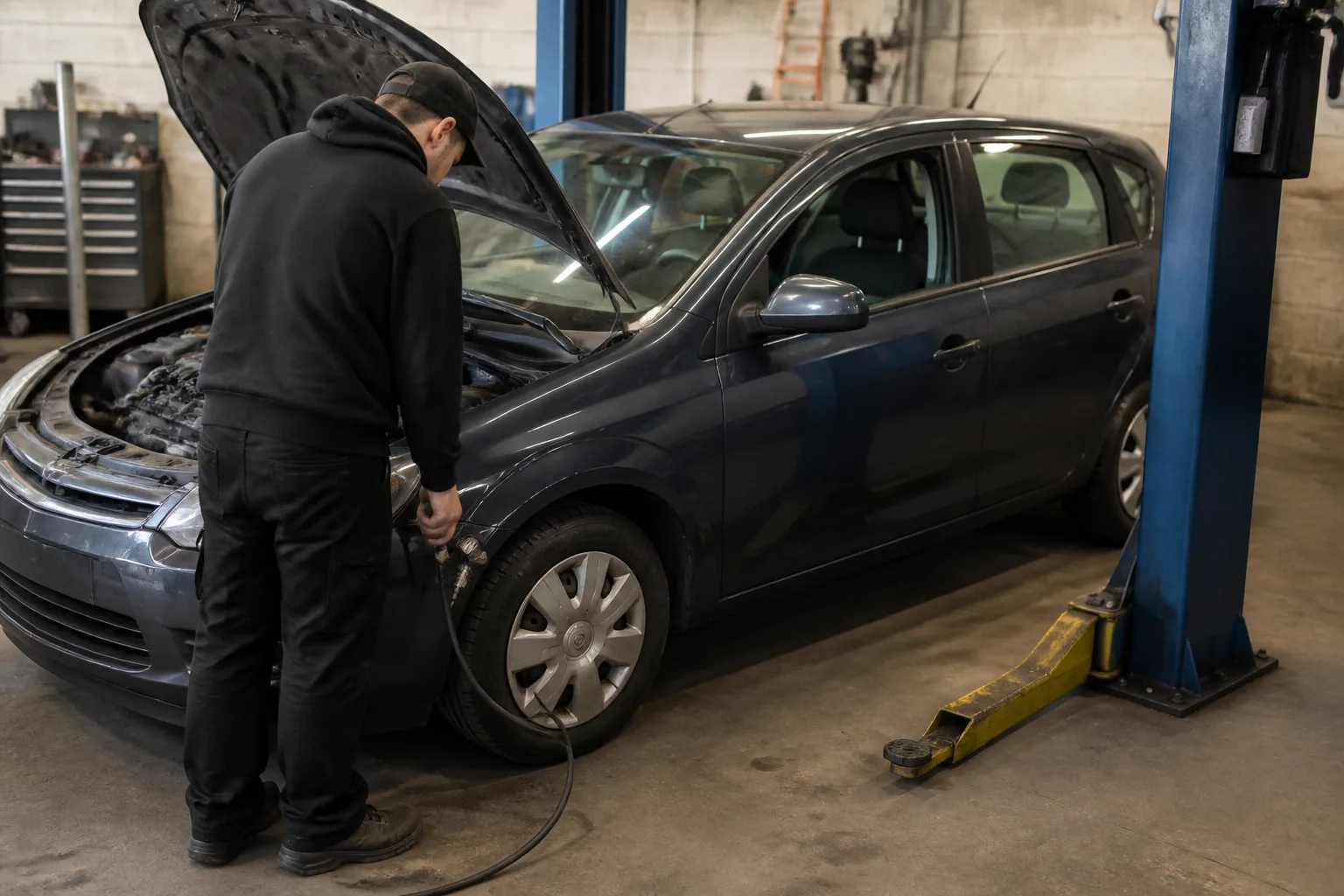
Knowing what should you check before a long journey can make a trip easier and reduce the chance of an avoidable breakdown. A few simple checks at home can identify obvious problems with your car, while a service or inspection can deal with issues that are not easy to spot on the driveway.
You do not need specialist tools or mechanical knowledge for the basic checks. The important thing is to carry them out when the car is parked safely, the engine is cool where appropriate, and there is enough time to arrange professional help if something does not look right.
Start with the tyres
Check all four tyres, including the spare wheel if your car has one. Look for cuts, cracks, bulges, exposed cords or anything that appears to have become embedded in the tread or sidewall. A bulge or serious sidewall damage can indicate internal damage, so it should not be treated as a minor cosmetic issue.
Check the tyre pressures against the vehicle manufacturer's recommended figures. These are usually shown in the handbook, on a label inside the driver's door area or on the fuel flap. Some cars give different pressures for light loads and a fully loaded vehicle. Use the correct figures for the expected passengers and luggage, and check pressures when the tyres are cold if possible.
Do not forget that under-inflated tyres can affect handling, braking and fuel consumption. Over-inflation can also reduce grip and make the car feel less settled. If a tyre keeps losing pressure, it needs to be investigated rather than repeatedly topped up.
Check the engine oil and other fluids
If your car has a conventional oil dipstick, check the oil level on level ground with the engine switched off. Follow the vehicle handbook for the correct method, as some cars require a short wait after switching off and others display the level electronically. The oil should be between the marked minimum and maximum points. Do not overfill it.
Also look at the coolant level, brake fluid and screenwash where they can be checked safely. Only inspect coolant when the engine is cold. Never remove a pressurised coolant cap from a hot engine, because hot fluid or steam can cause serious burns.
Screenwash is easy to overlook, but a clean windscreen is essential on a long trip, particularly when roads are wet or dirty. Use a suitable screenwash product rather than relying on plain water, especially during colder weather.
Low fluid levels can have several possible causes, including normal servicing needs, a leak or a developing mechanical fault. If a level is very low, drops again soon after being topped up, or you can see fluid under the car, arrange an inspection before travelling.
Test the lights and visibility
Check the headlights, sidelights, brake lights, indicators, hazard warning lights, fog lights and reversing lights. It is helpful to have another person operate the controls while you walk around the vehicle, or to use reflections safely where practical. Make sure the lenses are clean and free from damage.
Inspect the windscreen and mirrors. Small chips can become larger cracks, particularly with changes in temperature or vibration. Wiper blades should clear the glass without leaving broad smears, missed areas or juddering. Replace worn blades if visibility is being affected.
Clean the inside of the windscreen as well as the outside. A greasy film can cause severe glare from headlights and low sunshine, even when the glass looks clean at first glance.
Pay attention to the brakes and steering
Before setting off, notice whether the brake pedal feels unusually soft, sinks further than normal or needs repeated pumping. Listen for new grinding or harsh scraping noises, and consider whether the car pulls to one side when braking. These symptoms can have different causes, and they cannot be diagnosed reliably from a general checklist.
Steering should feel predictable, with no sudden change in effort, excessive vibration or unusual knocking. A car that pulls, wanders or feels unstable deserves attention before a long journey. If you experience a serious braking or steering problem, stop in a safe place and do not continue driving until the vehicle has been assessed. These are roadworthiness concerns, not issues to monitor casually over several hundred miles.
Look underneath and around the car
Before moving off, look for fresh fluid patches or damp areas beneath the engine bay and near the wheels. A small mark is not enough to identify the cause, but a new or spreading leak should be checked. Look around the wheel arches for loose trim and check that the number plates, mirrors and exterior panels are secure.
Make sure the fuel filler cap is properly closed and that the boot, bonnet and all doors latch securely. Remove snow, ice, mud or other material from windows, lights, mirrors and the roof before driving. Loose items on the roof or in the boot should be secured so they cannot move during braking.
Check the battery and warning lights
If the engine has recently been slow to start, or you have noticed electrical problems, a long journey may not be the best time to ignore them. A weak battery, charging fault or poor connection can leave you unable to restart after stopping. A garage can test the battery and charging system without relying on guesswork.
When you switch on the ignition, warning lights normally illuminate briefly as part of the vehicle's self-check. After the engine starts, warning lights that remain on should be taken seriously. Check the handbook for their meaning. A red warning light, an overheating warning, or a message relating to the brakes, oil pressure or steering may require you to stop safely and seek professional advice rather than continuing.
Think about servicing and the journey itself
Check when the next service is due and whether the journey will take the car beyond that interval. Servicing is not only about changing oil. Depending on the vehicle and service schedule, it can include checks of brakes, suspension, steering, tyres, fluids, lights and electronic systems. Our guide to how often you should service your car explains why time matters as well as mileage.
If a service is due soon, arranging it before travelling may be sensible, particularly if the car has developed a new noise, vibration, warning light or fluid loss. You can find more detail in our explanation of what is included in a full car service. If you are unsure whether the vehicle needs an interim or full service, our guide to the difference between an interim and full service may help.
It is also worth checking your planned route, fuel or charging stops, expected weather and available breakdown cover. Keep your phone charged, and make sure essential medication, glasses and any vehicle access keys are with you. Pack a warning triangle or other equipment only where it is suitable and legal to use, and follow the guidance provided with your breakdown policy. Do not place yourself or other people in danger by working beside fast-moving traffic.
When should you ask a garage to check the car?
A professional inspection is sensible if you have noticed a warning light, repeated loss of fluid, unusual noise, vibration, poor starting, uneven tyre wear or a change in braking, steering or handling. These signs do not prove a particular fault, but they are reasons not to rely on a quick visual check alone.
At Ashton's Garage, we can discuss the symptoms you have noticed and advise whether a service or further inspection is appropriate. If you are preparing for a long trip from Salisbury or the surrounding area, you can find information about our vehicle servicing and contact the garage if you would like sensible advice before travelling. A pre-journey check is not a guarantee that nothing can go wrong, but it can help you deal with known concerns before they become a bigger problem on the road.
Frequently asked questions
How long before a trip should I check my car?
Carry out the basic checks a few days before travelling if possible. This leaves time to correct tyre pressures, replace screenwash or arrange a garage inspection if you find a warning light, leak or other concern.
Should I get my car serviced before a long journey?
If the service is due soon, or the car has developed a new symptom, having it checked before travelling is sensible. A service can identify maintenance issues that may not be obvious during a quick driveway inspection.
What should I do if a warning light comes on during a journey?
Find a safe place to stop and check the vehicle handbook for the warning light's meaning. Do not continue driving if the warning relates to overheating, oil pressure, braking, steering or another issue that could affect safety. Seek professional advice when necessary.
Do I need to check the spare wheel before travelling?
Yes, if your car has a spare wheel. Check its condition and pressure, and make sure the jack and wheel-changing equipment are present. Some vehicles use a repair kit instead, so check that it is in the car and within its usable date where applicable.
Related advice
What Is Brake Fluid and Why Does It Need Changing?
Brake fluid transfers pressure from the pedal to the brakes, but it can absorb moisture over time. Here is why changing it matters and what warning signs to take seriously.
How Often Should Engine Coolant Be Changed?
Engine coolant does more than stop your car freezing in winter. Find out how often it usually needs changing, why the interval varies, and which warning signs should be checked by a garage.
What Is a Timing Belt and When Does It Need Replacing?
A timing belt keeps your engine’s internal parts moving in sync. Learn what it does, how often it may need replacing and why relying on symptoms alone can be risky.