How Often Should You Service Your Car?
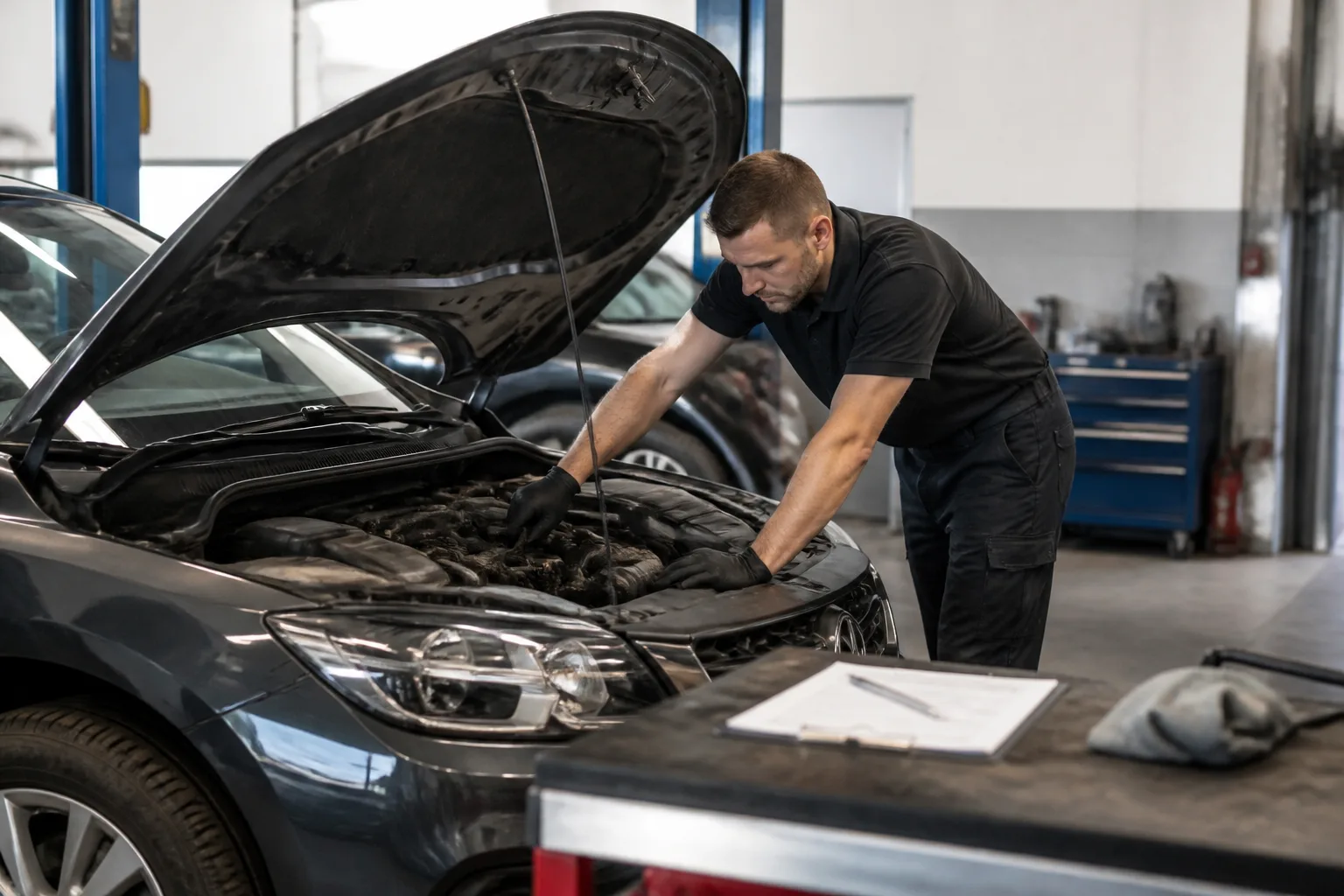
Most cars need servicing at least once a year, but the right interval depends on the manufacturer’s schedule, mileage, age and how the car is used. Here is how to work out when your next service is due.
Ashton's Garage
Straightforward guidance on MOTs, servicing, warning lights, repairs and looking after your car.
Most cars need servicing at least once a year, but the right interval depends on the manufacturer’s schedule, mileage, age and how the car is used. Here is how to work out when your next service is due.
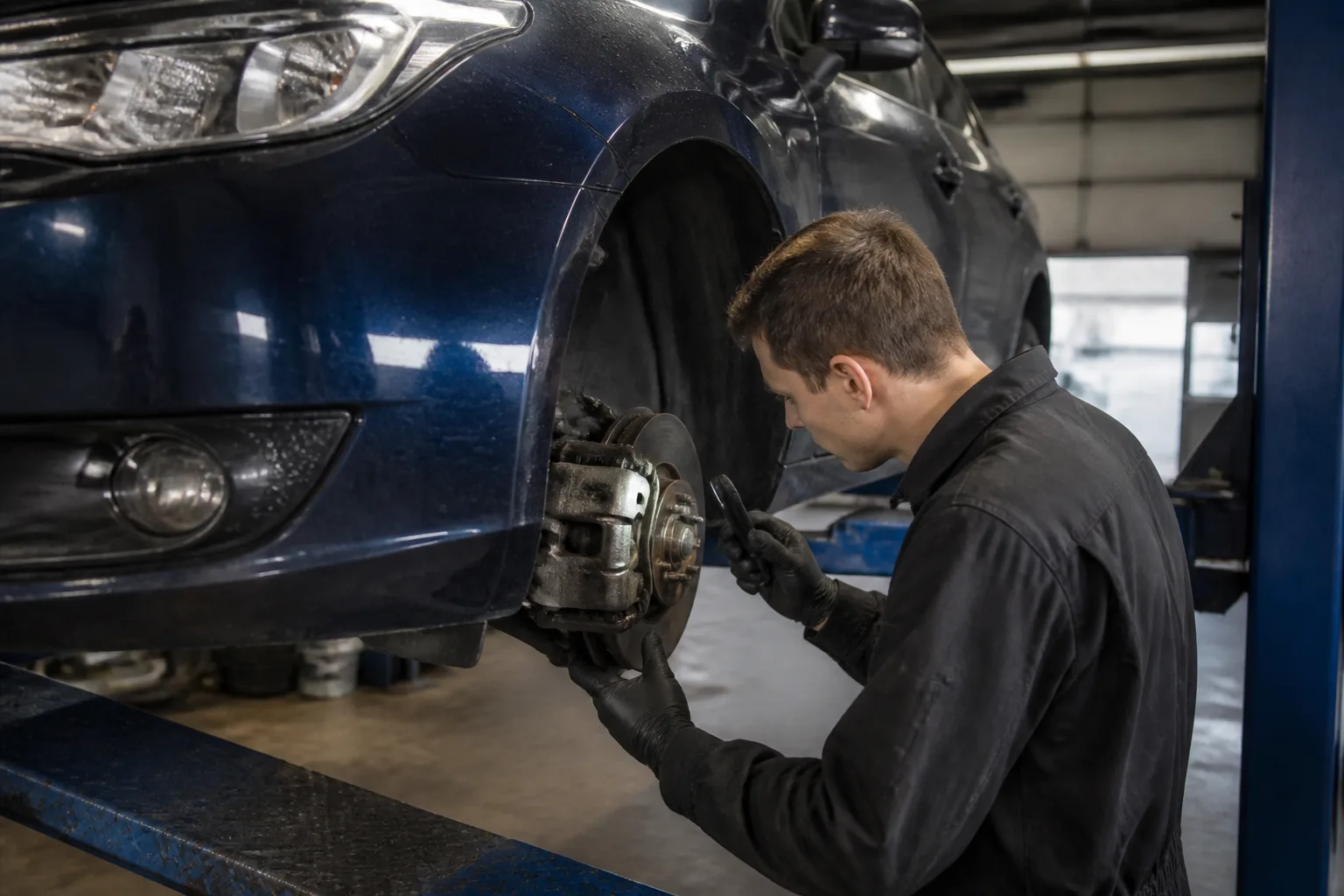
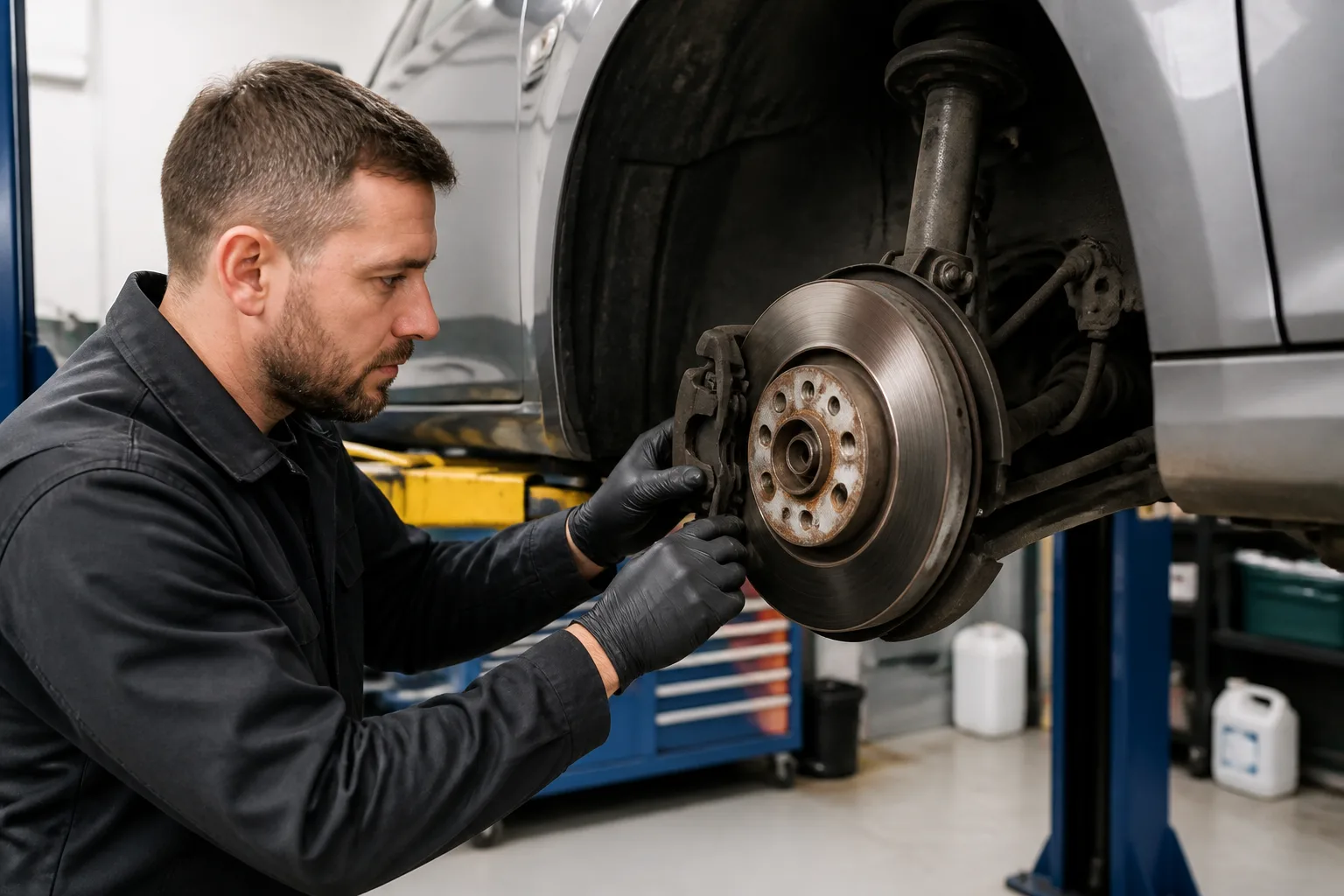
Brake pads do not have a fixed replacement interval. Find out what affects their lifespan, how to check for wear and when professional inspection is needed.
Find out why an engine may overheat, what the warning signs mean and what to do safely if the temperature rises while you are driving.
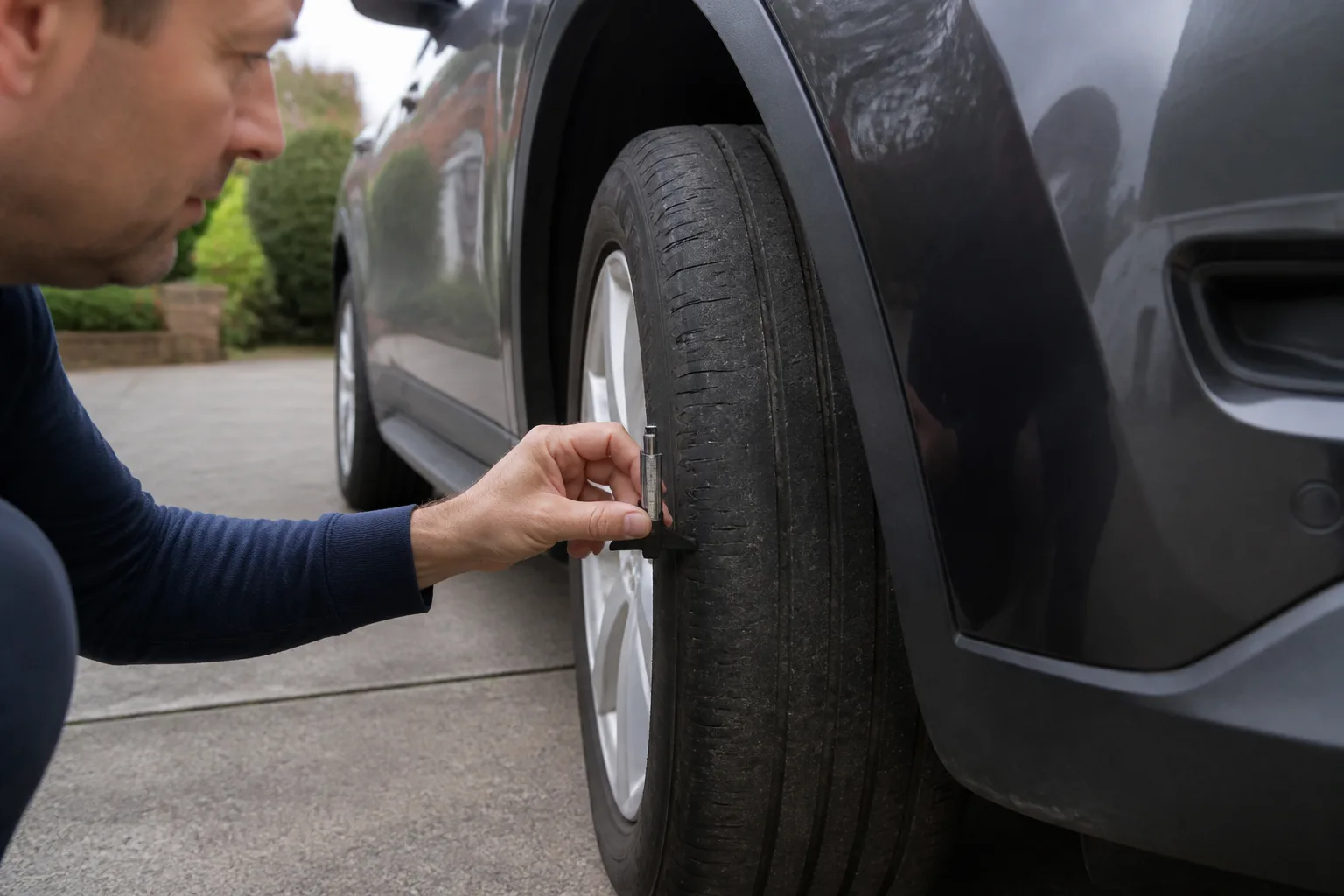
Uneven tyre wear can point to incorrect pressures, wheel alignment problems, worn suspension parts or other issues. Here is what different wear patterns may mean and when to arrange an inspection.
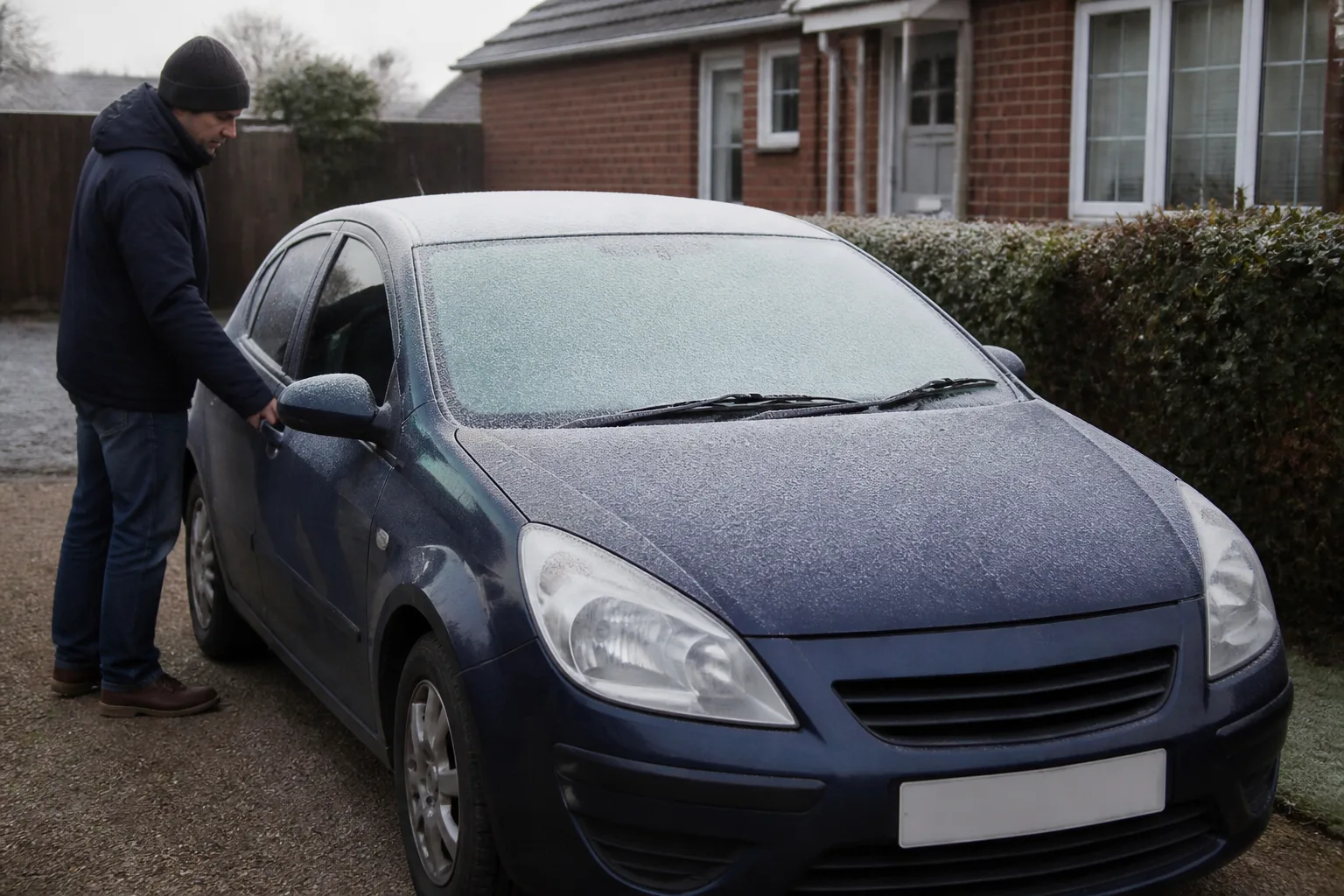
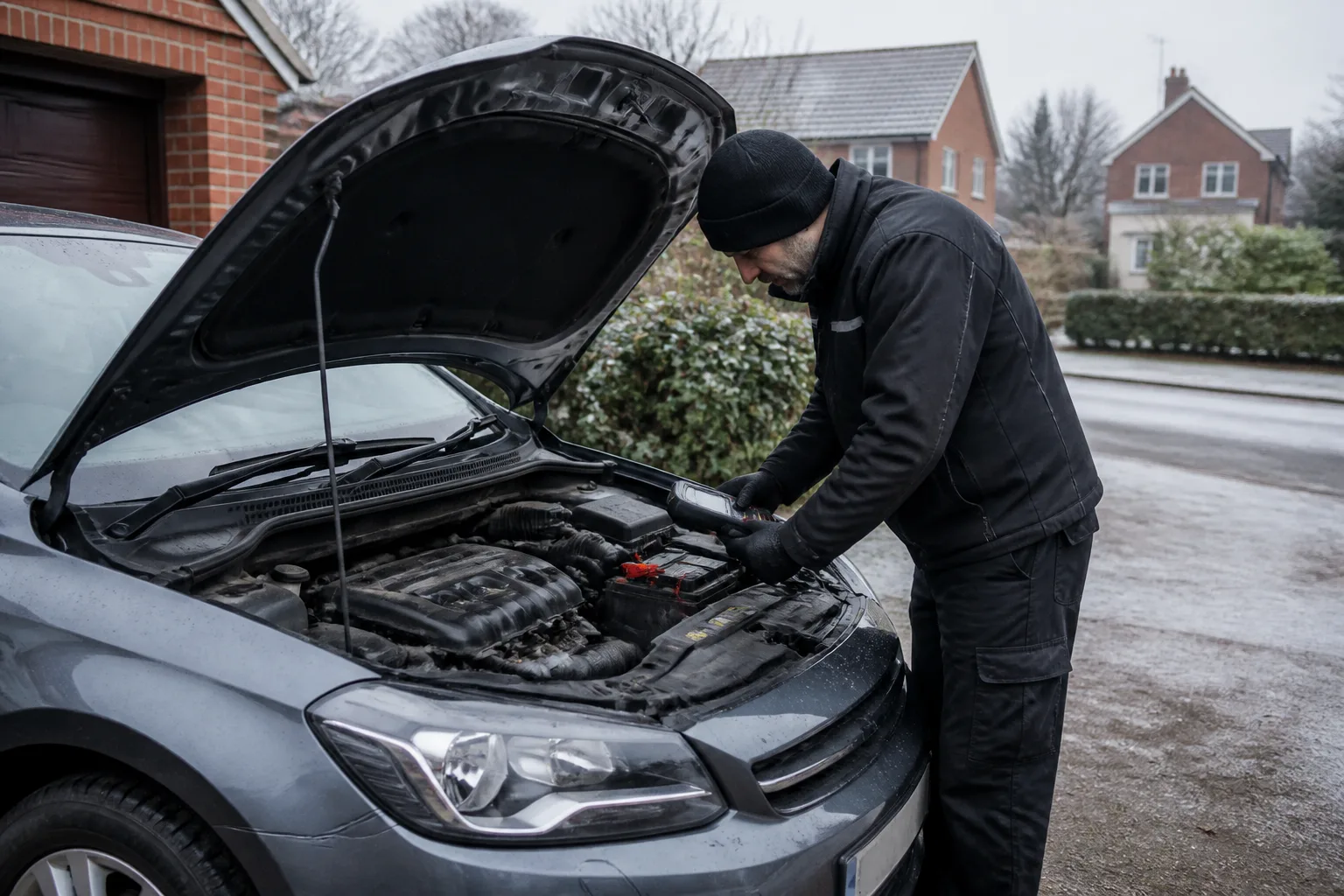
Cold weather can make a healthy car battery work harder and expose weaknesses in an older one. Learn why batteries struggle in winter, what signs to watch for and how to reduce the chance of a non-start.
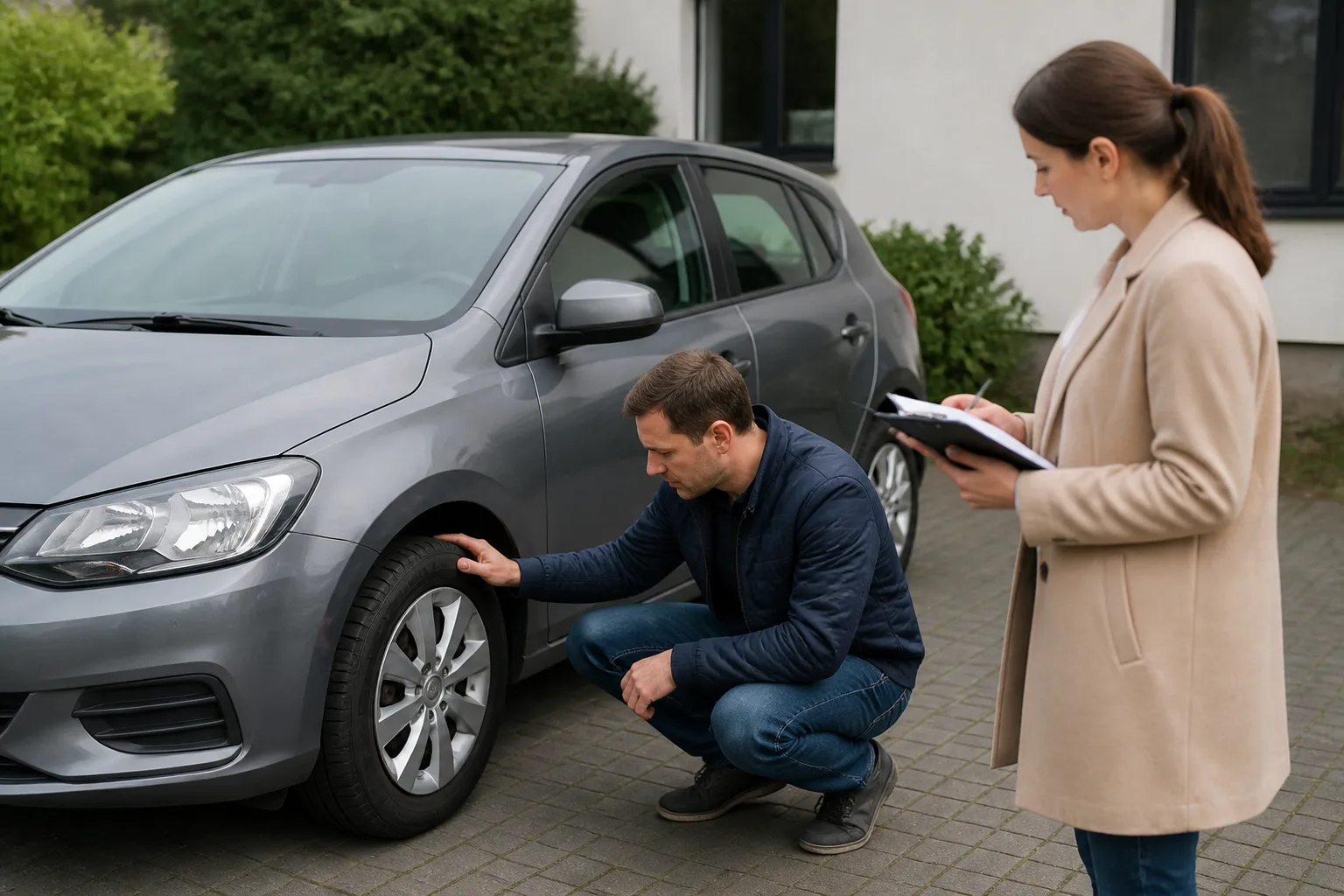
A practical UK checklist for inspecting a used car, checking its history and documents, taking a test drive, and deciding when an independent inspection is worthwhile.
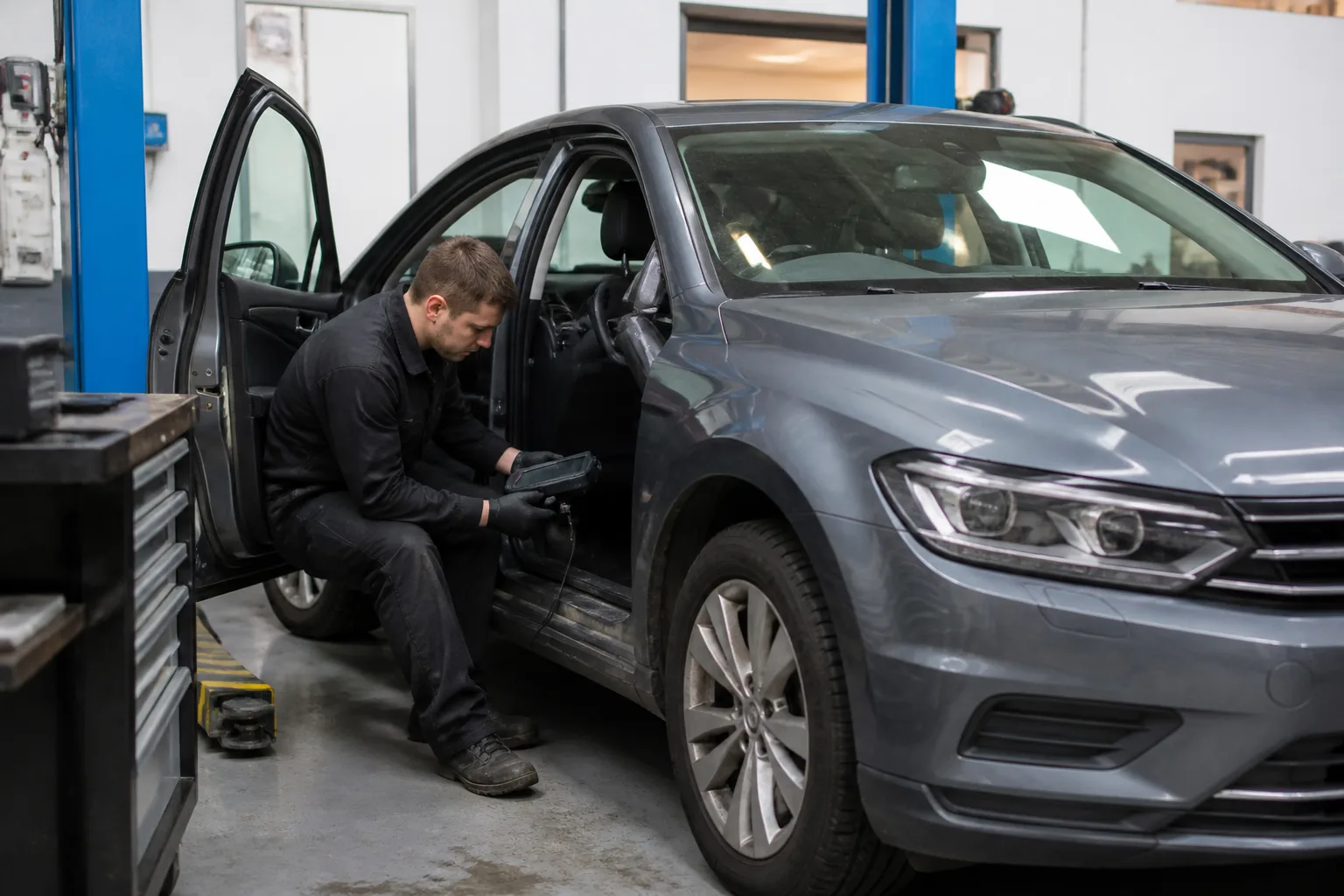
A garage diagnostic can help identify the cause of warning lights, poor running and electrical faults. Here is when to book one and when it may be unsafe to keep driving.
An MOT advisory means the vehicle has passed, but the tester has noticed an item that may need monitoring or attention in future. Here is what the wording means and what to do next.
A car diagnostic test reads information and fault codes from your vehicle's onboard systems. Find out what the test can show, what it cannot prove, and when professional checks are needed.
A car battery that repeatedly goes flat may be old, undercharged, affected by cold weather or being drained by an electrical fault. Here is how to narrow down the likely cause safely.