How Long Can a Car Sit Without Being Driven?
A car can usually sit unused for several weeks, but batteries, tyres, brakes and fluids can cause problems if it is left for longer. Here is what to check before driving again.
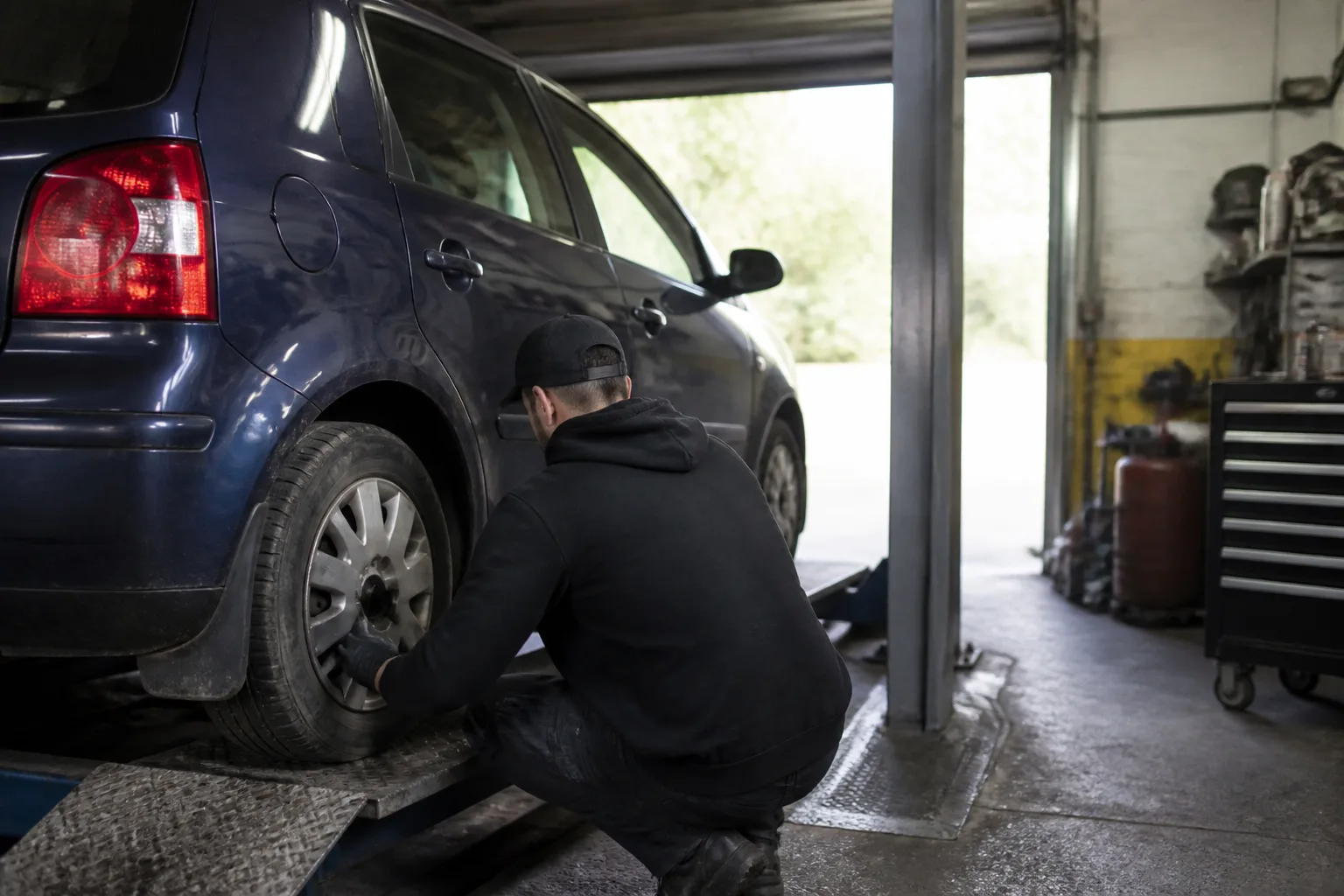
How long can a car sit without being driven? In simple terms, a car will often cope with being unused for a few weeks, provided it was in good condition beforehand. However, leaving it parked for several months can lead to problems with the battery, tyres, brakes, fluids and fuel system.
There is no single cut-off point that applies to every vehicle. A newer car with a healthy battery and sound tyres may start readily after several weeks. An older car, or one with an existing battery fault, may struggle after a much shorter period. Cold weather, damp conditions and where the car is parked also make a difference.
If your vehicle has been sitting unused, the sensible approach is to carry out a few safe visual checks before driving it and arrange professional advice if anything looks or feels wrong.
What can happen when a car is left unused?
The battery may lose charge
The battery is usually the first part to cause trouble. Even when the engine is switched off, many modern cars continue to use a small amount of electrical power for alarms, security systems and onboard computers. A battery that is already ageing or partly discharged can go flat while the car is parked.
Repeatedly leaving a battery flat can also shorten its useful life. If the car has been unused for a long period and will not start, avoid repeatedly trying the ignition. Arrange suitable assistance or have the battery and charging system checked instead.
The tyres can lose pressure
Tyres naturally lose a little air over time. When a car remains in one position for weeks or months, the tyres can also develop temporary flat spots. These may cause vibration for the first few miles after the car is used again, although the effect may reduce as the tyres warm up and flex.
Before driving, look for a tyre that appears noticeably low, cracked, damaged or misshapen. Check the pressures against the figures in the vehicle handbook or on the car's tyre information label. Do not drive on a tyre that appears damaged or seriously underinflated.
The brakes may become rusty or stick
Light surface rust on brake discs can develop while a car is parked, especially in damp weather. A small amount may clear during gentle normal braking, but heavy corrosion, a sticking brake or a vehicle that pulls to one side needs attention.
Do not assume that unusual grinding, a soft brake pedal, severe vibration or a burning smell will resolve itself. These symptoms can affect roadworthiness. Stop somewhere safe and arrange a professional inspection before continuing if the brakes do not feel normal.
Fluids and seals can cause problems
Engine oil, coolant, brake fluid and other fluids do not necessarily fail simply because a car has been parked. However, an extended period without use can reveal an existing leak, and seals or hoses may deteriorate with age. A puddle beneath the car, a strong smell or a fluid level that looks unusually low should be investigated.
Never rely on the colour of a puddle alone to identify a fluid. If you are unsure what has leaked, do not put your hand underneath the vehicle or continue driving without advice.
Fuel can become less suitable over time
Petrol and diesel are not intended to remain in a vehicle indefinitely. Fuel quality can deteriorate during long-term storage, particularly where the tank is nearly empty and condensation becomes a concern. The exact timescale depends on the fuel, storage conditions and the vehicle.
For a car that has only been parked for a few weeks, fuel is unlikely to be the main concern. If it has been unused for many months, especially if it has other starting or running symptoms, professional checks are sensible.
How long can a car sit safely?
For most motorists, the following is a useful general guide rather than a guarantee:
- A few days: normally not a concern if the vehicle was operating correctly.
- Several weeks: the car may still be fine, but battery charge and tyre pressures are worth checking before use.
- Several months: expect a greater chance of a flat battery, tyre problems, brake corrosion and other age-related issues.
- A year or longer: treat the vehicle as needing a careful inspection before normal driving, particularly if it has been outside or was not maintained before storage.
These timeframes can be shorter if the battery is old, the tyres are already worn, the car is parked in a damp location or a warning light was present before it was taken off the road.
What should you check before driving a car that has been parked?
Keep the initial checks simple and visual. Look around the vehicle for leaks, damage, signs of animals nesting and anything under the bonnet that appears out of place. Check that all four tyres look properly inflated and that there are no obvious cuts, bulges or cracks.
Check the windscreen, mirrors and lights, then start the engine in a well-ventilated area. Pay attention to warning lights, unusual noises, smoke and strong smells. Allowing an engine to run on a driveway for a short period is not a substitute for a proper road test, and it should never be done in an enclosed garage.
If the car starts normally and nothing looks wrong, drive gently at first and use the brakes carefully. Do not set off on a long journey until you are confident the vehicle is behaving normally. If the steering feels heavy, the brakes feel unusual, a tyre loses pressure or the engine overheats, stop safely and seek professional help.
Should you start a car regularly if you are not using it?
Starting a car for a few minutes and leaving it stationary is not always useful. It may not fully replace the energy used to start the engine, and the engine and exhaust may not reach the conditions needed to remove moisture properly. It can also create unnecessary emissions and noise.
If a car must be stored, follow the instructions in the manufacturer's handbook. Depending on the vehicle and how long it will be unused, the appropriate approach may involve keeping the battery maintained with suitable equipment, checking tyre pressures periodically and arranging a proper run rather than simply idling. Do not connect electrical equipment unless it is designed for the vehicle and used safely.
Does a car still need servicing if it has hardly been driven?
Yes. Servicing is not only about mileage. Time, moisture, heat cycles and age affect items such as engine oil, brake fluid, rubber components, filters and the battery. A car that covers very few miles can still need maintenance at the intervals set by its manufacturer.
Our guide to whether a car needs servicing when it is driven very little explains why low mileage does not automatically mean low maintenance. You may also find it useful to read how often a car should be serviced and what is included in a full car service.
When should a garage inspect the car?
Arrange an inspection if the car will not start, has a flat or damaged tyre, shows a fluid leak, produces unusual smoke or noise, or displays warning lights after being left unused. Brake and steering symptoms deserve particular caution because continued driving may be unsafe.
If your car has been stored for an extended period and you want it checked before returning to regular use, Ashton's Garage can assess its condition as part of appropriate servicing and maintenance. That gives you a clearer view of any work needed without guessing from how long the car has been parked.
Frequently asked questions
Can a car sit unused for a month?
Often, yes, if the car was in good condition beforehand. Check the battery, tyre pressures, visible leaks and warning lights before driving. An older battery or damaged tyre can cause problems much sooner.
How long can a car sit before the battery goes flat?
There is no fixed period. A healthy battery may last several weeks, while an ageing or partly discharged battery may go flat sooner. Modern cars also use a small amount of power while parked.
Is it safe to drive a car after it has been parked for months?
It may be safe, but it should be checked first. Look for tyre damage, leaks, brake problems and warning lights. Do not drive if the brakes, steering or tyres seem unsafe, or if the engine overheats.
Does a car need servicing if it has not been driven?
Usually, yes. Service schedules are based on both time and mileage because fluids, filters, rubber parts and other components can age even when the vehicle covers very few miles.
Related advice
What Is Brake Fluid and Why Does It Need Changing?
Brake fluid transfers pressure from the pedal to the brakes, but it can absorb moisture over time. Here is why changing it matters and what warning signs to take seriously.
How Often Should Engine Coolant Be Changed?
Engine coolant does more than stop your car freezing in winter. Find out how often it usually needs changing, why the interval varies, and which warning signs should be checked by a garage.
What Is a Timing Belt and When Does It Need Replacing?
A timing belt keeps your engine’s internal parts moving in sync. Learn what it does, how often it may need replacing and why relying on symptoms alone can be risky.