
What Causes a Humming Noise From a Wheel?
A humming noise from a wheel can come from a wheel bearing, uneven tyre wear, a damaged tyre or a brake problem. Here is how the noise may change, what you can safely check and when professional inspection is sensible.
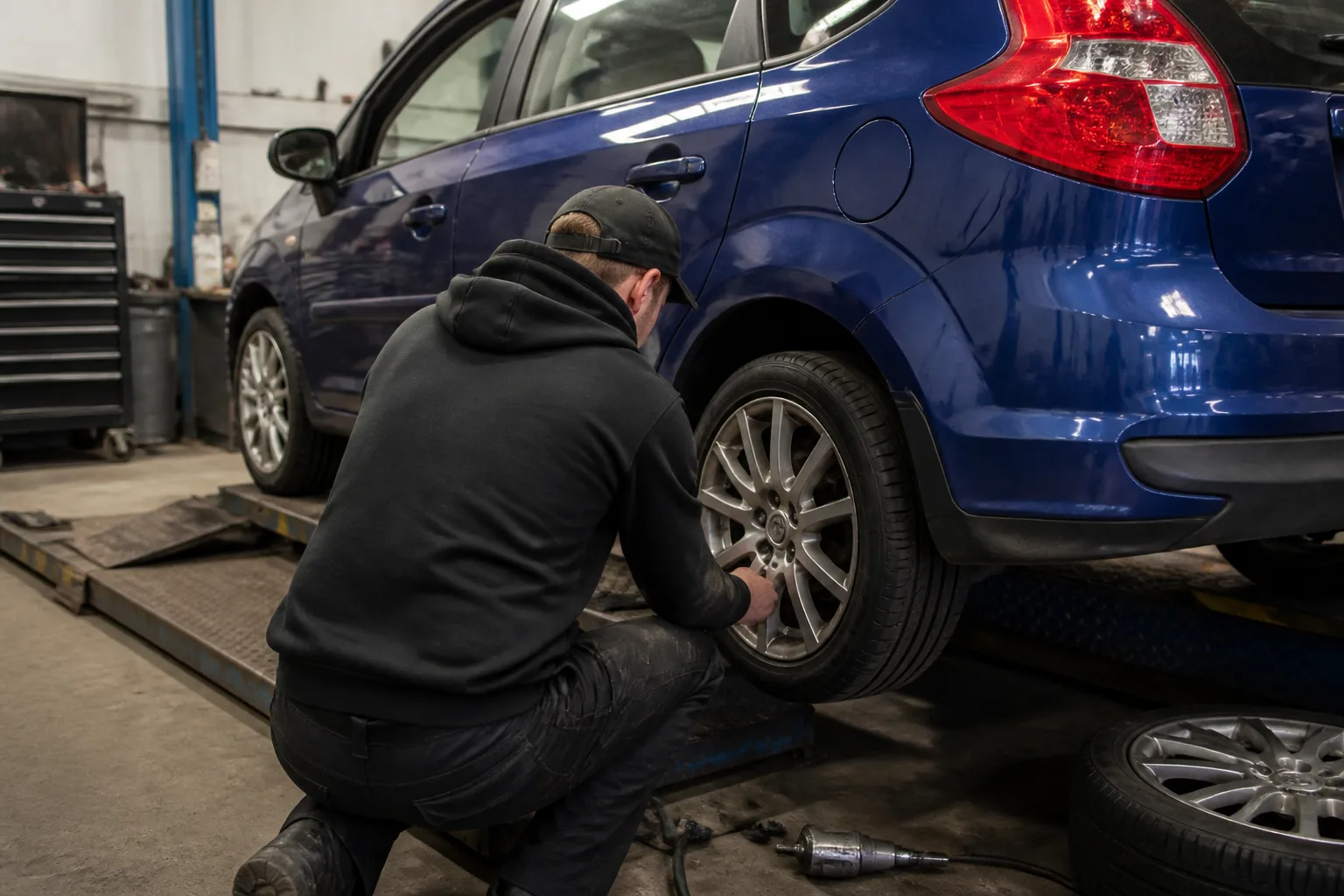
A humming noise from a wheel is usually linked to something that rotates with the wheel, such as the tyre, wheel bearing or brake components. The sound may be quiet at first, then become more noticeable as your speed increases. It can also change when you steer, travel over different road surfaces or apply the brakes.
There is no reliable way to identify the exact cause from the sound alone. Road noise, the car's age, tyre type and the position of the suspected wheel can all make the diagnosis less straightforward. However, the pattern of the noise can give a garage useful clues.
Common causes of a humming wheel noise
Uneven or irregular tyre wear
Tyres are one of the most common sources of a humming or droning sound. If the tread has worn unevenly, the tyre may make a repetitive noise as it rolls along the road. This can happen when the wheels are out of alignment, when suspension components are worn or when tyre pressures have not been maintained correctly.
One form of uneven wear is sometimes called cupping or scalloping. This means the tread has developed a series of shallow raised and lowered patches rather than wearing evenly. The result can be a humming, rumbling or droning noise, often accompanied by a slightly rough feel through the car.
Road surface can make tyre noise seem worse. A car may sound relatively quiet on smooth tarmac but hum noticeably on coarse surfaces. If the noise changes substantially with the road surface, tyres are worth considering, although this does not rule out another fault.
A worn wheel bearing
A wheel bearing allows the wheel and hub to rotate smoothly. Over time, the bearing can develop wear or internal damage. A common symptom is a humming, droning or rumbling sound that rises with road speed. It may become louder when the car is gently steered in one direction and quieter when steered in the other.
That steering change can be a useful clue, but it is not a dependable home diagnosis. Noise can travel through the suspension and body of the vehicle, making it difficult to identify which corner is responsible. The sound may also be mistaken for tyre noise.
A bearing problem can become more serious if it is ignored. If the humming is joined by a grinding sound, looseness, vibration, a change in handling or an abnormal amount of heat from one wheel, arrange a professional inspection promptly. If the vehicle feels unstable or there is any concern about wheel security, stop driving and seek assistance.
A damaged or defective tyre
A tyre with internal damage, a separated belt or a bulge can produce unusual noise and vibration. Some tyre damage is not obvious from the driver's seat, and a tyre may look acceptable at a glance while still requiring attention.
Check the visible tread and sidewalls when the car is parked safely. Look for cuts, bulges, exposed cords, objects embedded in the tread and unusual wear. Do not continue driving on a tyre with a bulge, exposed internal material or suspected structural damage. A damaged tyre should be assessed by a qualified tyre professional.
It is also sensible to check tyre pressures against the vehicle manufacturer's recommended figures. These are usually found in the handbook, on a label inside the driver's door area or on the fuel flap. Do not use the maximum pressure moulded into the tyre sidewall as the normal vehicle setting unless the manufacturer specifies it.
Brake contact or a sticking brake
Brake components can sometimes create a humming, rubbing or scraping noise. A brake pad may be worn, a backing plate may be touching the disc or a brake caliper may not be releasing correctly. A sticking brake can create extra heat at one wheel and may cause the car to pull, smell hot or feel less free when it rolls.
Brake noises should not be dismissed simply because the vehicle still stops. If the noise is accompanied by grinding, a brake warning light, pulling under braking, vibration, a burning smell or a wheel that feels unusually hot, avoid driving until the vehicle has been checked. For more background, see our guides on how long brake pads last and the signs that brake pads need replacing.
Loose wheel or suspension-related wear
A wheel that is not secure, or a worn suspension or steering component, can produce noises and changes in handling. These faults do not always sound like a straightforward hum. You may also notice knocking, vibration, wandering, uneven tyre wear or a change in the way the car responds to steering.
Do not attempt to identify or tighten safety-critical components unless you have the correct equipment and knowledge. If the car has recently had a wheel removed, or the noise began after a pothole or kerb impact, professional checks are particularly important.
How the noise changes can help
Before arranging an inspection, make a note of when the noise occurs. Useful details include:
- Whether the sound increases with road speed rather than engine speed.
- Whether it continues when you lift off the accelerator and allow the car to coast safely.
- Whether it changes when steering gently left or right on a suitable, quiet road.
- Whether it changes on smooth and coarse road surfaces.
- Whether braking, accelerating or cornering makes it louder.
- Whether there is vibration through the steering wheel, floor or seat.
A noise that follows vehicle speed is more likely to involve the wheels, tyres, bearings or brakes than the engine. This is only a general guide, not a diagnosis. Some drivetrain faults can also create a speed-related hum, and sounds can travel from one part of the vehicle to another.
Safe checks you can make at home
With the car parked on a level surface and the engine switched off, you can make a basic visual check of the tyres. Look for obvious damage, uneven tread wear and anything trapped in the tread. Check pressures when the tyres are cold and compare them with the vehicle manufacturer's recommendation.
You can also check whether the noise is linked to a recent event, such as fitting new tyres, hitting a pothole or having brake work carried out. This information can help a technician understand where to start.
Avoid placing any part of your body under a vehicle supported only by a jack. Do not spin a raised wheel or dismantle brake or hub components as a home test. These checks can be unsafe and may not identify the fault accurately.
When should a humming wheel noise be inspected?
Arrange an inspection if the noise persists, becomes louder or is difficult to trace. A garage can assess the tyres, wheel bearings, brakes, suspension and steering components, then explain what needs attention. It is better to have a persistent noise checked before it develops into a handling or roadworthiness problem.
Stop driving and seek professional help if the humming is accompanied by wheel wobble, severe vibration, grinding, steering changes, a warning light, smoke, a burning smell, a visibly damaged tyre or unusual heat from one wheel. If the car is pulling or braking unevenly, treat that as a safety concern rather than a minor noise.
If you are in or around Salisbury and cannot tell whether the sound is coming from a tyre, bearing or brake, Ashton's Garage can inspect the vehicle and advise on the next sensible step. The aim is to identify the likely source without replacing parts unnecessarily.
Related advice
A humming noise is not always a brake fault, but braking symptoms deserve care. You may also find our advice on why a car pulls to one side when braking and why the steering wheel shakes when braking useful if either symptom is present.
Frequently asked questions
Is a humming noise from a wheel always a wheel bearing?
No. Uneven tyre wear, tyre damage, brake contact and suspension-related faults can all create similar humming or droning sounds. A bearing is only one possible cause, so the vehicle should be inspected rather than diagnosed from noise alone.
Can I drive with a humming wheel bearing?
It depends on the condition and severity of the fault, which cannot be confirmed remotely. Avoid driving if there is wobble, grinding, vibration, handling changes or unusual heat. Arrange a professional inspection promptly if the noise is persistent or getting worse.
Why does the humming get louder when I turn?
A change in noise while steering can be a clue that a wheel bearing or tyre is involved, because the load on the wheels changes during a turn. It is not a conclusive test, as noise can travel through the vehicle.
Can uneven tyre wear cause a humming sound?
Yes. Cupped, scalloped or otherwise irregular tread wear can make a tyre hum or drone, particularly at higher speeds. The underlying reason for the wear may also need attention, such as wheel alignment, tyre pressure or suspension wear.
What should I check before taking the car to a garage?
When the vehicle is safely parked, look for obvious tyre damage, uneven tread wear and objects in the tread. Check cold tyre pressures against the manufacturer's recommendation. Do not dismantle brakes or raise and spin a wheel as a home test.
Related advice
Why Does My Car Bounce After Going Over a Bump?
If your car keeps bouncing after a speed bump or pothole, the suspension may not be controlling the movement properly. Here are the likely causes, safe checks and signs that it needs professional inspection.
What Causes a Car to Wander on the Road?
If your car needs constant steering correction or seems to drift across the road, several faults could be responsible. Here are the common causes and when to arrange a professional inspection.
Why Does My Steering Feel Loose?
Loose steering can be caused by tyre problems, wheel alignment or wear in steering and suspension components. Here is what the change may mean, what you can safely check and when professional inspection is important.