
Why Is My Car Leaking Oil?
A leaking car can leave anything from a small damp patch to a serious loss of engine oil. Find out the common causes, what you can safely check and when professional inspection is needed.
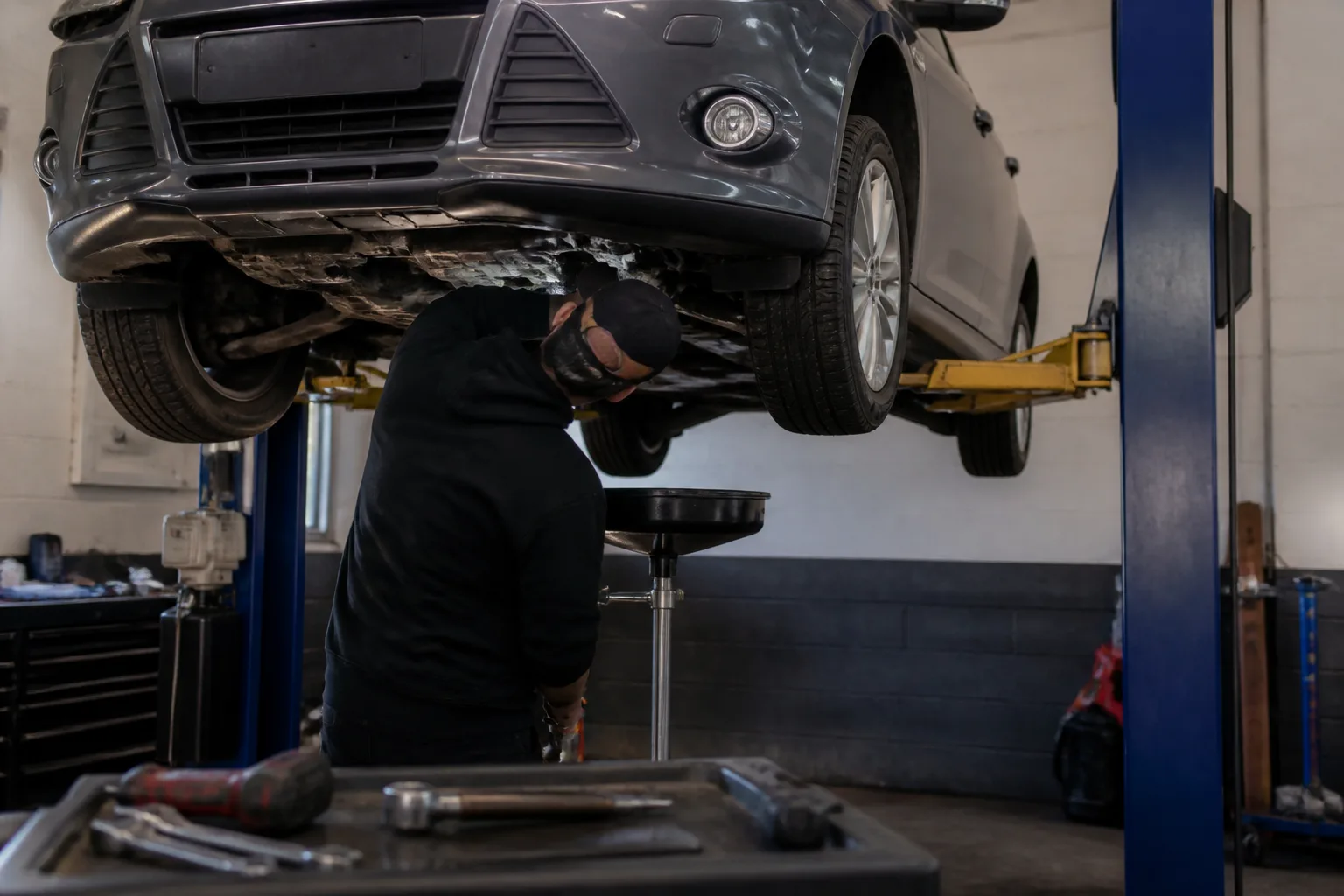
Finding oil underneath your car is unsettling, particularly if you are not sure how serious the leak might be. A small oily mark can come from a worn seal or a service-related issue, while a larger or rapidly growing leak could lead to low oil levels and serious engine damage.
There is no single answer to the question, “why is my car leaking oil?” The source can be somewhere near the top of the engine, underneath the sump, around the oil filter or at another component where oil is sealed in. The visible drip on the ground is not always directly below the part that is leaking, because oil can run along engine and underbody components.
This guide explains the common possibilities and the sensible checks you can make without attempting a safety-critical repair yourself.
What does engine oil do?
Engine oil lubricates moving parts, helps carry heat away and assists with keeping internal components clean. It also helps protect the engine from wear. The oil needs to remain at the correct level and pressure while the engine is running.
If enough oil escapes, the engine may not be properly lubricated. Continuing to drive with a low oil level can turn a relatively manageable leak into major engine damage. The extent of the risk depends on how much oil has been lost, how quickly it is leaking and whether the oil warning light has appeared.
Common reasons for an oil leak
Worn seals and gaskets
Gaskets and seals are designed to prevent oil escaping between joined engine components. Over time, heat, age and normal engine movement can cause these materials to harden or deteriorate. A leak may develop around the rocker cover, timing cover, crankshaft seals or other engine joints.
These leaks can be slow at first and may leave dampness or oil residue rather than an obvious pool. Identifying the exact source usually requires the area to be inspected and cleaned, because old oil can spread across nearby surfaces.
A loose or damaged oil filter
The oil filter is removed and replaced during many services. If the filter is not sealing correctly, or if its seal has been damaged or fitted incorrectly, oil may escape around it. This is one reason an oil leak that appears soon after a service should be reported to the garage that carried out the work.
An oil filter can also become damaged by an impact or develop a leak as it ages. Do not assume that every post-service leak is caused by the service, but the timing is useful information for a technician.
A sump or sump plug problem
The sump is the lower part of the engine that stores oil when the engine is not running. It sits relatively close to the road, so it can be damaged by a severe impact with a pothole, kerb or debris. The sump plug and its sealing washer can also leak if damaged, worn or not sealing properly.
A leak from this area may leave oil on the lower engine cover or a mark on the ground. If the sump has been struck, there may be additional damage that is not visible without safely raising and inspecting the vehicle.
Overfilled engine oil
Adding too much oil can create problems as well as failing to add enough. Excess oil may be forced past seals or create other running issues. The correct level should be checked using the vehicle manufacturer’s method, as the procedure varies between cars.
Do not keep topping up without checking the level. If you are unsure whether the engine has been overfilled, professional advice is safer than guessing.
Damage to an oil cooler or pipe
Some vehicles use an oil cooler or external oil pipes. These components can leak because of corrosion, age or physical damage. The oil may then appear in a location that makes the original source difficult to identify.
How can I tell whether it is engine oil?
Fresh engine oil is usually amber to brown, although older oil may look very dark. It often feels slippery. However, colour and texture can vary, and other vehicle fluids can also leave marks underneath a car.
Coolant, brake fluid, transmission fluid and water from air conditioning can all be mistaken for an oil leak. Brake fluid is particularly important because a leak can affect braking performance. If the brake pedal feels different, the vehicle pulls when braking or a brake warning light appears, stop driving and arrange professional assistance.
Oil may also be leaking onto a hot part of the engine. A burning-oil smell or light smoke from the engine bay should not be ignored. Stop when it is safe to do so, switch off the engine and seek advice rather than opening hot components or continuing a journey.
What should I do if my car is leaking oil?
Check the warning lights
If the red oil pressure warning light comes on while the engine is running, stop as soon as it is safe and switch the engine off. This warning is not simply a reminder to arrange a service. It can indicate that the engine is not receiving sufficient oil pressure, and continuing to run the engine may cause severe damage.
Allow the vehicle to cool before carrying out any basic checks. Follow the handbook instructions for checking the oil level and use the correct oil specification if a top-up is appropriate. If the level is very low, the warning light remains on or oil is visibly escaping, do not drive the car to a garage unless a qualified professional has confirmed that it is safe.
Look for the size and position of the mark
Without going underneath the vehicle, you can note whether there is a small stain, a large pool or a trail of fluid. You can also check whether the mark is directly beneath the engine area or further towards the front or rear. This information can help a technician, but it will not confirm the source.
Do not place yourself under a vehicle supported only by a jack. Avoid touching hot engine parts and do not attempt to remove covers or components to find the leak.
Check the oil level as described in the handbook
Some cars have a dipstick, while others use an electronic measurement system. The correct checking conditions differ between vehicles, so use the manufacturer’s instructions rather than relying on a general method. Keep the oil level within the marked range and do not overfill it.
A top-up may be reasonable for a minor loss when the vehicle is otherwise safe, but it does not repair the leak. If the level drops again, the leak is significant or you cannot establish how much oil has been lost, arrange an inspection.
Can I drive with an oil leak?
It depends on the amount and location of the leak, the oil level and the vehicle’s warning lights. A small, slow seep may not require the same response as oil running onto the road, exhaust or brakes. Even a slow leak should not be ignored, because it can worsen and may leave the engine short of oil.
Do not drive if the oil pressure warning light is on, the engine is making unusual knocking or tapping noises, smoke is coming from the engine bay, the oil level is dangerously low or oil is reaching the brakes or tyres. In these circumstances, stop safely and arrange professional inspection or recovery.
How is an oil leak diagnosed?
A garage will normally look for the highest point where fresh oil is present, rather than assuming that the lowest visible drip is the source. The vehicle may need to be raised safely so the sump, filter area, seals, undertrays and surrounding components can be inspected.
Old residue may need to be cleaned before the leak can be monitored. A technician will also consider the oil level, warning lights, recent servicing and any impact or other symptoms. The repair could be as straightforward as correcting a sealing issue, or it may involve replacing a worn seal or damaged component. The cause should be confirmed before parts are replaced.
Could regular servicing help prevent oil leaks?
Servicing does not prevent every leak, but it gives the vehicle an opportunity to have oil levels, filters, seals and visible leaks checked. It can also identify deterioration before it becomes a more serious loss of oil.
If you are unsure what level of maintenance your car needs, our guides explain how often a car should be serviced and what is included in a full car service. Drivers who cover low annual mileage may also find it useful to understand why a car can still need servicing when it is driven very little.
When should I ask a garage to inspect the leak?
Arrange an inspection if you see repeated oil marks, need to top up more often than usual, notice a burning-oil smell or find oil around the engine or underbody. Prompt attention can help establish the source before the leak worsens.
Ashton's Garage can assess the likely source and advise on the next sensible step as part of its vehicle servicing support in Salisbury. You do not need to diagnose the problem yourself. Give the garage any useful details, such as when the marks appeared, whether the car has recently been serviced and whether any warning lights or unusual smells were present.
Frequently asked questions
Is a small oil leak serious?
It can become serious if the leak worsens or allows the engine oil level to fall. A small mark should still be investigated, particularly if it returns after the vehicle has been parked or the oil level is dropping.
Can I just top up the oil and keep driving?
Topping up may temporarily restore the level in some situations, but it does not fix the leak. Do not continue driving if the oil pressure warning light is on, the level is very low, the leak is rapid or the engine is making unusual noises.
Why is my car leaking oil after a service?
Possible causes include a filter or drain-plug sealing issue, an existing leak that has become noticeable or another unrelated seal problem. The garage should inspect the vehicle rather than assuming the cause from timing alone.
Can an oil leak cause an MOT problem?
A leak may become relevant if it affects vehicle safety or indicates a serious mechanical condition. The exact outcome depends on the vehicle and the nature of the leak, so a suspected leak should be assessed rather than left until the MOT.
Related advice
What Is Power Steering Fluid and When Should It Be Checked?
Power steering fluid helps some steering systems work smoothly and safely. Learn what it does, how to check it, which warning signs to watch for and why not every modern car uses it.
How Often Should Transmission Fluid Be Changed?
Transmission fluid does not have one universal change interval. Find out how your gearbox type, manufacturer guidance and driving conditions affect when it should be inspected or replaced.
Signs Your Auxiliary Belt May Need Replacing
Learn the common signs of a worn or damaged auxiliary belt, what it does, and when a professional inspection is the safest next step.