
Can Regular Servicing Help Prevent Breakdowns?
Regular servicing cannot prevent every breakdown, but it can identify wear, fluid problems and developing faults before they leave you stranded. Here is how servicing helps and what it cannot do.
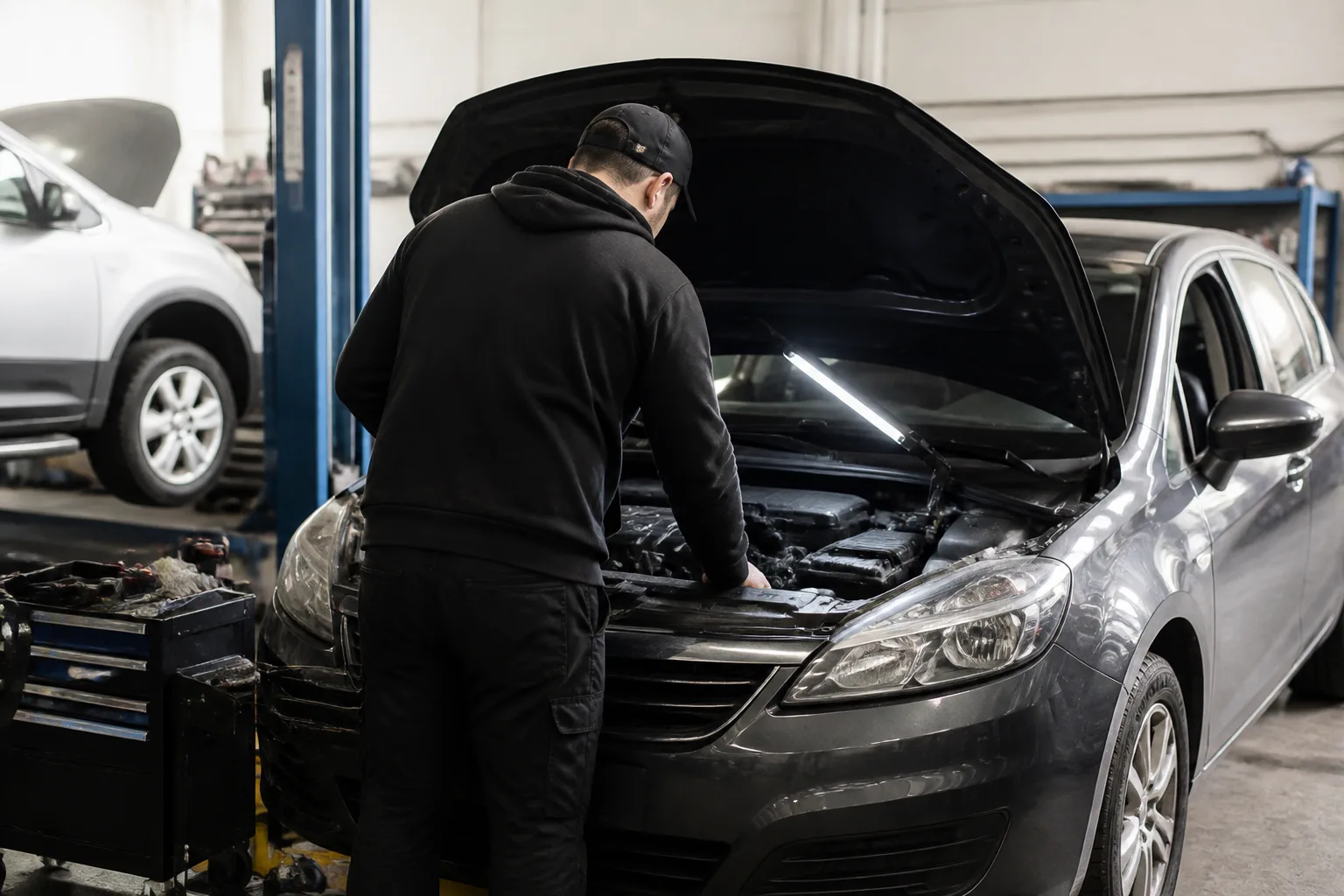
Yes, regular servicing can reduce the risk of a breakdown, although it cannot guarantee that your car will never develop a fault. Servicing gives a technician the opportunity to check important systems, replace worn service items and spot signs of trouble before a relatively small issue becomes a larger one.
That matters whether you use your car every day or only for occasional journeys. A vehicle can be affected by age, time, short trips, corrosion and standing still, not just by the number of miles shown on the odometer.
How servicing can help prevent breakdowns
A proper service is more than an oil change. The exact work depends on the vehicle, its mileage, age and manufacturer schedule, but a service normally includes checks of key mechanical and electrical systems. The aim is to assess the condition of the car and identify maintenance work that may be needed.
Finding wear before a component fails
Belts, hoses, brakes, tyres, suspension parts and other components gradually wear in normal use. Some faults develop slowly and give you warning signs, such as a change in braking feel, a new noise or uneven tyre wear. Others may not be obvious from the driving seat.
During a service, a technician can look for visible deterioration, leaks, looseness or unusual wear. This does not mean every future failure can be predicted, but it may allow a developing problem to be addressed while the vehicle is still driveable.
Keeping the engine properly lubricated
Engine oil reduces friction and helps carry heat away from moving parts. Over time, oil becomes contaminated and its condition can deteriorate. The correct oil and a suitable replacement interval are important because using the wrong specification, or leaving oil in the engine for too long, may contribute to avoidable wear.
Oil level is also worth checking between services. A level that repeatedly drops may indicate a leak or another issue that needs investigation. Topping up may be necessary, but it should not be treated as a substitute for finding out why the level is falling.
Checking fluids and cooling components
Coolant helps control engine temperature, while brake fluid and other fluids support particular vehicle systems. Low fluid levels, leaks or damaged hoses can develop into a breakdown if they are ignored.
Overheating is a particular concern. If the temperature warning light appears, the gauge rises unusually high, or steam comes from under the bonnet, stop somewhere safe and switch off the engine. Do not remove a coolant cap while the engine is hot. Continuing to drive an overheating vehicle can cause serious damage, and the cause cannot be confirmed remotely.
Maintaining the battery and starting system
A weak battery is a common cause of starting problems, particularly in cold weather or on vehicles used mainly for short journeys. A service may include checks of the battery, charging system and electrical connections. These checks can help identify poor battery condition or charging problems before the car refuses to start.
Battery condition can still change between services. Slow engine cranking, flickering electrical equipment or a battery warning light should not be ignored. A battery warning light may relate to the charging system rather than the battery itself, so professional testing is sensible.
Servicing also helps with less obvious problems
Breakdowns are not always caused by a dramatic mechanical failure. A warning light, an intermittent electrical fault, a damaged exhaust component or a problem with the fuel or ignition system can eventually leave a vehicle unusable.
Diagnostic equipment can help a garage investigate stored fault information, but a fault code is not automatically a diagnosis. It points towards an area that needs further assessment. A technician may need to combine diagnostic results with visual checks and the symptoms reported by the driver.
Servicing can also provide a useful record of how a vehicle is changing over time. A small deterioration noticed at one appointment may be easier to understand when compared with previous inspections.
What regular servicing cannot prevent
It is important to keep expectations realistic. A service cannot prevent every breakdown. A component can fail unexpectedly, an existing issue can develop between appointments, and damage caused by a collision, pothole or kerb may happen without warning.
Servicing also cannot replace daily checks. Before longer journeys, it is sensible to look at tyre condition, tyre pressures, exterior lights and fluid levels where these can be checked safely. Pay attention to changes in how the car feels, sounds or smells. A new grinding noise, burning smell, vibration, loss of power or warning light should be investigated rather than saved for the next routine service.
For more detail about timing, see our guide to how often you should service your car. The right interval depends on the vehicle and its use, so the handbook and service schedule remain important.
Does low mileage mean servicing is less important?
Not necessarily. Cars that cover few miles may spend more time parked, make mostly short journeys or complete trips before the engine reaches its normal operating temperature. Those patterns can place different demands on the battery, engine oil, brakes and exhaust system.
Time-based servicing can therefore matter as well as mileage-based servicing. If you mainly use the car for short local journeys, tell the garage. That information helps the technician understand the way the vehicle is being used and consider whether any additional checks are appropriate.
Our article on servicing a car that is driven very little explains this in more detail. It is also worth remembering that an MOT is not the same as a service. An MOT assesses whether a vehicle meets certain legal roadworthiness requirements at the time of the test. A service is broader maintenance intended to help keep the vehicle reliable and in good condition.
What should you do if your car is showing warning signs?
Do not wait for a routine service if something has changed. The safest response depends on the symptom. A minor change may allow you to arrange an inspection promptly, but warning signs involving brakes, steering, overheating, smoke, fuel leaks or a damaged tyre can make continued driving unsafe.
If the car is pulling to one side under braking, the brake pedal feels unusually soft, the steering becomes difficult, the engine overheats, or a serious warning light appears, stop in a safe place and seek professional advice. Avoid attempting repairs or dismantling safety-critical components at the roadside.
When a car is due a service or has developed a possible maintenance problem, Ashton's Garage can assess the vehicle and explain any work that may be appropriate. The useful outcome is not simply a stamped service record, but a clearer understanding of the car's condition and what needs attention now or later.
How to get the most from a service
- Tell the garage about unusual noises, warning lights, fluid loss or changes in handling.
- Explain whether the vehicle is mainly used for short journeys, motorway driving or long periods of standing.
- Bring up any recent repair, puncture, impact or jump-start.
- Ask which items are due according to the manufacturer's schedule and which are recommendations based on condition.
- Keep service and repair records so future inspections have useful context.
If you are unsure what a full service normally covers, our guide to what is included in a full car service provides a straightforward overview. You can also compare an interim service with a full service when deciding what is suitable for your vehicle.
The practical answer
Regular servicing can help prevent some breakdowns by finding wear, checking fluids, supporting battery and engine maintenance, and identifying developing faults. It works best alongside sensible daily checks and prompt attention to new symptoms.
It is not a guarantee against unexpected failure, but it is a practical way to reduce avoidable risk and understand the condition of your car before a problem becomes more disruptive.
Frequently asked questions
Can a car still break down after being serviced?
Yes. Servicing reduces the risk of some avoidable faults but cannot predict or prevent every sudden component failure, accident-related damage or problem that develops between appointments.
Is an MOT the same as a service?
No. An MOT checks whether a vehicle meets specified legal roadworthiness standards at the time of the test. A service is maintenance work and condition checks intended to support reliability and identify developing issues.
Should I service my car if I hardly drive it?
Usually, yes. Time, short journeys and long periods parked can affect items such as the battery, oil, brakes and exhaust system, so mileage is not the only factor when considering servicing.
What should I do if my car is overheating?
Stop somewhere safe, switch off the engine and allow it to cool. Do not remove a hot coolant cap. Arrange professional advice because continuing to drive an overheating vehicle may cause serious damage.
Related advice
What Is Included in a Major Car Service?
A major car service is a more detailed scheduled inspection and maintenance visit than a basic oil service. Find out what is usually included, what can vary between vehicles and when extra work may be recommended.
What Does a Car Service Reminder Mean?
A car service reminder usually means your vehicle is due routine maintenance based on time, mileage or both. Find out what it means, what to do next and how it differs from a warning light.
Why Is There a Puddle Under My Car?
A puddle under your car may be harmless condensation, but it can also indicate a coolant, oil, fuel or brake fluid leak. Learn how to identify the likely fluid and when to stop driving.