
What Is Power Steering Fluid and When Should It Be Checked?
Power steering fluid helps some steering systems work smoothly and safely. Learn what it does, how to check it, which warning signs to watch for and why not every modern car uses it.
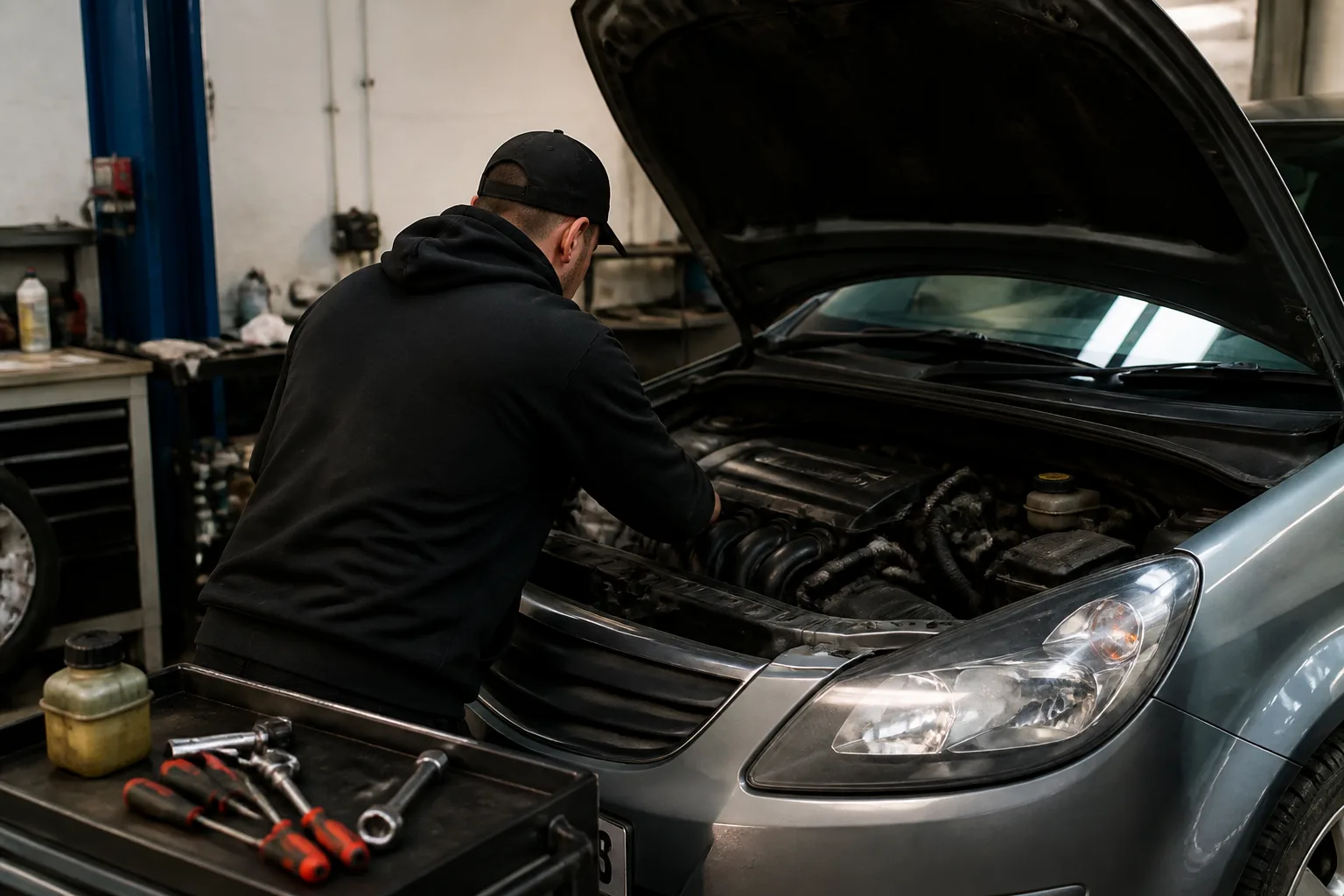
Power steering fluid is a hydraulic fluid used in some vehicles to help make steering easier. It transfers pressure from the power steering pump to the steering mechanism, reducing the effort needed to turn the wheel, particularly when manoeuvring at low speed or parking.
However, not every modern car has power steering fluid. Many newer vehicles use electric power steering, which relies on an electric motor and control system rather than hydraulic fluid. The first step is therefore to check your vehicle handbook or ask a garage before looking for a reservoir that may not be fitted.
What does power steering fluid do?
In a hydraulic power steering system, the engine usually drives a pump. The pump circulates fluid around the system and builds hydraulic pressure when you turn the steering wheel. That pressure assists the steering rack or steering box, helping the front wheels move with less effort.
The fluid also helps lubricate and protect components within the system. It is designed to operate under pressure and across a wide range of temperatures. Like other vehicle fluids, it can become contaminated, deteriorate over time or escape through a leak.
Some vehicles use a dedicated power steering fluid, while others specify an automatic transmission fluid or another manufacturer-approved hydraulic fluid. These products are not automatically interchangeable. Using the wrong fluid can damage seals or other steering components, so the vehicle handbook should always be the starting point.
Does every car use power steering fluid?
No. Cars generally use either hydraulic power steering, electro-hydraulic power steering or electric power steering.
- Hydraulic power steering: uses a pump, fluid, hoses and a hydraulic steering assist mechanism.
- Electro-hydraulic power steering: still uses hydraulic fluid, but an electric motor drives the pump rather than the engine directly.
- Electric power steering: uses an electric motor and electronic controls, so there is no hydraulic power steering fluid reservoir to check.
If your car has electric power steering, a steering warning light or heavier steering may still need attention, but topping up fluid will not solve the problem. This is one reason it is unwise to assume that every steering issue is caused by a low fluid level.
When should power steering fluid be checked?
There is no single checking interval that applies to every vehicle. Some manufacturers specify an inspection as part of routine servicing, while others describe the system as sealed or do not provide a regular fluid replacement interval. Follow the maintenance schedule and owner’s handbook for your particular car.
It is sensible to have the fluid level checked when:
- the vehicle is being serviced or inspected;
- you notice a change in steering effort;
- the steering pump becomes noisier than usual;
- there are signs of fluid around the front of the vehicle;
- the reservoir level appears to be falling;
- work has been carried out near the steering system or drive belts.
A fluid level that is low without an obvious reason deserves attention. Hydraulic steering systems should not normally need frequent topping up. A repeated loss of fluid may indicate a leaking hose, seal, pump or steering component, although the exact cause cannot be confirmed without inspecting the vehicle.
How can you check the fluid safely?
Many hydraulic systems have a small reservoir in the engine bay with level markings such as “MIN” and “MAX”. The cap or reservoir may carry a steering symbol, but the layout differs between vehicles. Your handbook should show the correct location and explain whether the level must be checked with the engine cold, warm, running or switched off.
A safe basic check usually involves parking on level ground, allowing hot components to cool where necessary and looking at the level without disturbing other parts. Do not remove a cap or reach near belts, fans or other moving components while the engine is running. Avoid getting dirt into the reservoir.
If the level is below the specified mark, do not simply add an unknown fluid. Confirm the correct specification first. A small amount of the correct fluid may be suitable if the handbook allows owner topping-up, but a low level still needs investigating. Topping up can hide the evidence of a leak and does not repair the underlying fault.
Fluid that looks unusually dark, cloudy or contaminated may also require professional assessment. Colour alone is not a reliable diagnosis because fluid appearance varies by type and age, but a noticeable change alongside noise or steering problems should not be ignored.
What are the warning signs of a power steering problem?
Possible symptoms include a whining, groaning or squealing noise when the steering wheel is turned, steering that feels heavier than normal, a juddering sensation during low-speed turns and fluid marks beneath the front of the vehicle. You may also see a warning light, depending on the car’s design.
These symptoms can have different causes. A worn pump, loose or damaged drive belt, air in the hydraulic system, a leak, a steering component fault or an electrical problem can all affect steering assistance. It is not possible to identify the failed part from a description alone.
Steering is safety-critical. If the wheel suddenly becomes difficult to turn, the vehicle pulls unexpectedly, fluid is leaking heavily, or you cannot steer normally, stop in a safe place and do not continue driving unless it is safe to do so. Arrange professional assistance or an inspection. Even if the car remains driveable, unusual steering noises or a falling fluid level should be checked promptly.
Is power steering fluid included in a car service?
The checks included depend on the service level and the manufacturer’s maintenance requirements. A technician may inspect fluid levels, visible leaks, hoses, belts and steering operation as part of a wider service inspection. Fluid replacement or system repairs are not automatically required on every service.
It is worth checking what is included before work begins. Routine servicing is also a useful opportunity to mention any change in steering feel, noises when parking or marks on the ground. For more background, see our guides to how often a car should be serviced and what is included in a full car service.
Why professional inspection may be sensible
Power steering systems can involve pressurised hoses, pumps, seals and steering components that are difficult to assess accurately from outside the vehicle. A garage can establish whether the car uses hydraulic or electric assistance, check for leaks and assess whether the noise or steering change is linked to the fluid system or another fault.
That is particularly important when a fluid level keeps falling or the steering becomes noticeably heavier. The safest approach is to avoid guessing, use only the fluid specified for the vehicle and have the system inspected before a minor leak develops into a loss of steering assistance.
If you are unsure whether your car uses power steering fluid, or you have noticed a low level, noise or change in steering feel, Ashton’s Garage can check the system as part of a suitable vehicle inspection or service. You can also read about the difference between an interim service and a full service before deciding what level of maintenance is appropriate.
Frequently asked questions
Can I use any fluid in the power steering reservoir?
No. The correct fluid specification varies between vehicles. Some use dedicated power steering fluid, while others specify an automatic transmission fluid or another approved hydraulic fluid. Check the owner’s handbook or ask a qualified technician before topping up.
How often should power steering fluid be replaced?
There is no universal replacement interval. Some manufacturers specify a change, while others only require inspection or do not list routine replacement. Follow the maintenance schedule for your vehicle and have the fluid assessed if it is contaminated or the level is falling.
What happens if power steering fluid is low?
The steering may become heavier and the pump may make a whining or groaning noise. Continued driving with low fluid can allow air into the system and may cause further damage. If steering assistance is reduced or fluid is leaking, stop when safe and arrange a professional inspection.
Do electric power steering cars need power steering fluid?
Usually not. Electric power steering uses an electric motor rather than hydraulic fluid. Some vehicles use electro-hydraulic systems, so the handbook or a technician should confirm which type is fitted.
Related advice
How Often Should Transmission Fluid Be Changed?
Transmission fluid does not have one universal change interval. Find out how your gearbox type, manufacturer guidance and driving conditions affect when it should be inspected or replaced.
Signs Your Auxiliary Belt May Need Replacing
Learn the common signs of a worn or damaged auxiliary belt, what it does, and when a professional inspection is the safest next step.
What Is an Auxiliary Belt and What Does It Do?
An auxiliary belt drives several important engine accessories, including the alternator and, on some cars, the water pump. Here is how it works, what warning signs to look for and why belt condition matters.