
Why Does My Steering Feel Heavy?
Heavy steering can be caused by low tyre pressure, a fault with the power assistance system, or a problem with the steering or suspension. Here is what to check safely and when to arrange a professional inspection.
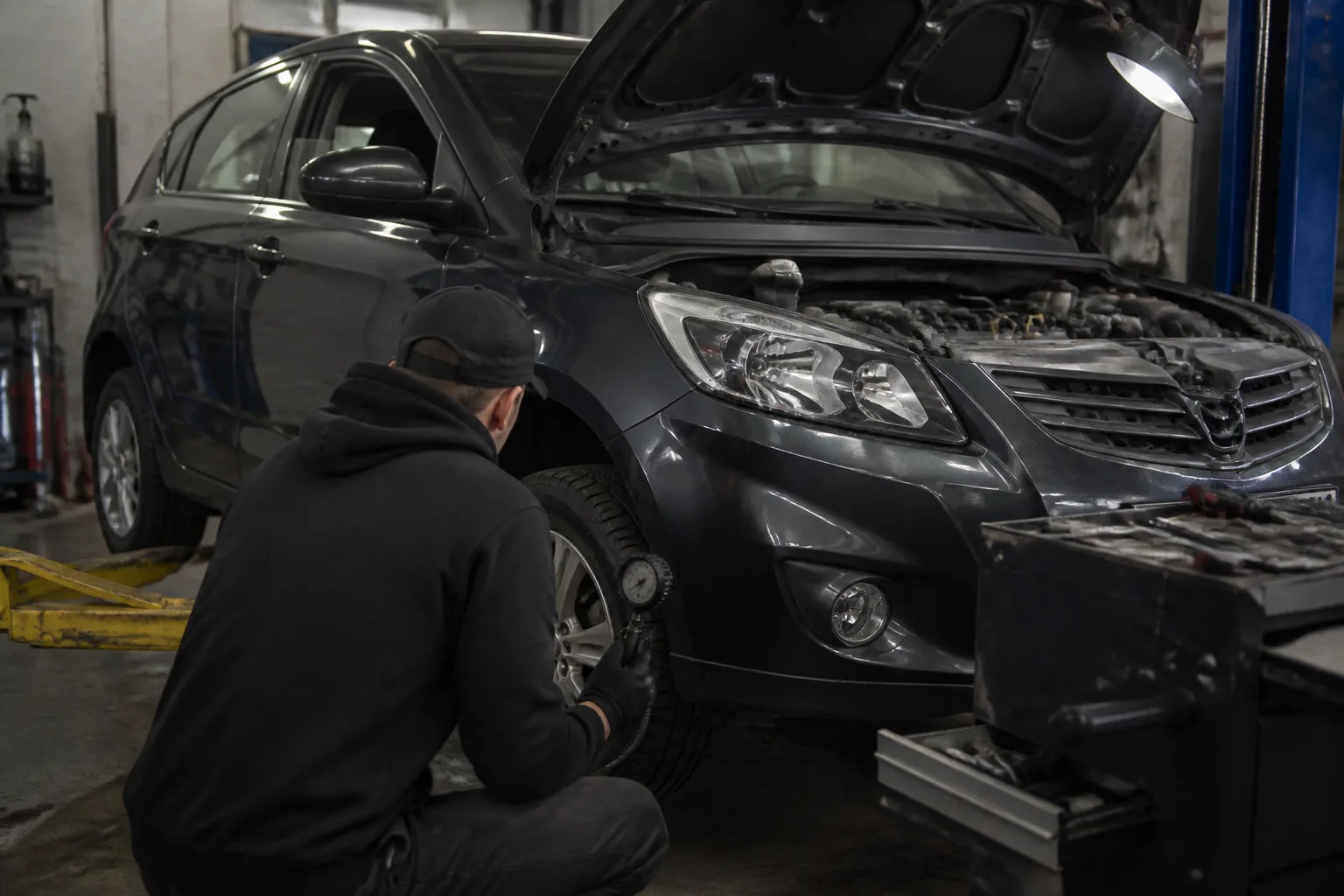
If your steering suddenly feels heavier than usual, it is worth taking seriously. Steering should not normally require noticeably more effort, particularly at low speeds or when manoeuvring. The cause might be something simple, such as a tyre that has lost pressure, but it can also involve the power-assisted steering system, steering components, suspension or a braking fault.
It is not possible to identify the exact cause without inspecting the vehicle. The timing of the change, any warning lights and other symptoms can provide useful clues, but heavy steering should not be ignored if it is sudden, severe or accompanied by noises, pulling or difficulty keeping the car under control.
What does heavy steering feel like?
Most modern cars have power-assisted steering. This reduces the effort needed to turn the steering wheel, especially at parking speeds. Heavy steering may feel as though the wheel is resisting you, the car is reluctant to change direction, or you need both hands to make an ordinary turn.
Some cars naturally have heavier steering than others, and steering effort is usually greater when the vehicle is stationary. That is not the same as a noticeable change from how your car normally feels. If the steering has become heavier since your last journey, there is likely to be a reason that needs checking.
Common reasons why steering feels heavy
Low or uneven tyre pressure
Under-inflated tyres increase the amount of rubber in contact with the road. This creates more resistance when the wheels turn and can make the steering feel particularly heavy at low speed. A tyre may lose pressure because of a puncture, a damaged valve or a slow leak.
Check the pressures when the tyres are cold and compare them with the figures in your vehicle handbook or on the manufacturer's information label. Do not rely on appearance alone, as a tyre can be significantly under-inflated without looking obviously flat. If one tyre is losing pressure again, it needs investigating rather than repeatedly topping up.
A fault with electric power steering
Many newer vehicles use electric power steering. An electric motor provides assistance, controlled by sensors and electronic modules. If the system detects a problem, it may reduce or switch off assistance and the steering can become unexpectedly heavy. A steering, battery or other warning light may also appear.
A weak battery, charging fault, damaged wiring, a sensor problem or a fault within the steering assistance unit can all be possibilities. These systems need suitable diagnostic equipment and a proper inspection. Replacing a battery or clearing a warning light without finding the underlying fault may not resolve the problem.
Low fluid or a problem with hydraulic assistance
Some vehicles use hydraulic power steering. The system relies on fluid pressure to assist steering. Low fluid, a leak, a worn pump or a damaged drive belt can reduce assistance and may produce a whining or groaning noise when the wheel is turned.
Do not assume that adding fluid is a complete repair. The correct fluid type matters, and a low level usually means there is a leak or another fault that needs attention. If you can see fluid beneath the front of the car or around the steering system, arrange an inspection and avoid driving further if the steering is difficult to control.
Braking or suspension problems
A sticking brake calliper can make a car feel as though it is resisting movement. It may also pull to one side, produce a burning smell or leave one wheel much hotter than the others. Suspension or steering components that are worn, damaged or seized can also affect how the car turns.
These are not problems to diagnose by dismantling parts at home. A fault affecting steering, braking or suspension can have a direct effect on roadworthiness. If the steering is heavy along with pulling, knocking, grinding, a burning smell or unusual tyre wear, professional inspection is the safer option.
Wheel alignment or damaged components
Incorrect wheel alignment can change the way a car responds to steering input and may cause it to pull, wander or wear tyres unevenly. Alignment can be affected by hitting a pothole or kerb, although heavy steering is not always the only or main symptom.
A damaged track rod, ball joint or other steering component is more serious. The driver may notice looseness, clunks or a steering wheel that no longer sits straight. These symptoms should be checked promptly, particularly if they appeared after an impact.
What can you check safely?
There are a few basic checks that do not involve dismantling anything:
- Check all four tyre pressures, plus the spare if your vehicle has one, using the manufacturer's recommended figures.
- Look for a visibly damaged or unusually deflated tyre. Do not continue driving on a damaged tyre.
- Note whether a power steering, battery, brake or other warning light is showing.
- Think about when the heaviness started and whether it is present at all speeds or mainly when parking.
- Look for fluid underneath the vehicle, without putting yourself underneath it or touching unknown fluids.
Do not repeatedly turn the wheel against full lock to test it, and do not carry out steering or suspension repairs unless you have the correct equipment and experience. If the steering is difficult to operate, a short test drive is not a sensible way to investigate the problem.
When should you stop driving?
Stop in a safe place and arrange professional help if the steering becomes suddenly very heavy, you cannot keep the vehicle tracking normally, or a steering, brake or battery warning light appears with the change. You should also avoid driving if there is a suspected tyre failure, fluid leak, strong burning smell, severe noise or a feeling that the steering wheel is loose.
If the change is mild and the car remains controllable, check the tyre pressures and arrange an inspection soon. Heavy steering can worsen without warning, so do not treat the absence of a warning light as proof that the vehicle is safe.
How a garage checks heavy steering
A garage will usually begin by confirming the symptom and checking the tyres, warning lights, visible leaks and steering operation. Depending on the vehicle, the inspection may include a diagnostic scan, checks of the battery and charging system, power steering fluid and belt, and examination of steering, suspension and brake components.
Where appropriate, the wheels and tyres may also be checked for damage, uneven wear and alignment concerns. The aim is to establish whether the problem is with assistance, a mechanical component, a tyre or another system that is affecting steering effort. That is more reliable than replacing parts based only on one symptom.
If your car is in or around Salisbury and the steering feels heavier than normal, Ashton's Garage can inspect the vehicle and explain the likely repair options without assuming the cause in advance.
Related advice
If the steering change is linked with braking symptoms, our guides on why a car pulls to one side when braking and why the steering wheel shakes when braking may help you describe what you are experiencing. For brake wear information, see how long brake pads last and the signs that brake pads need replacing.
In short, heavy steering is not a fault to dismiss. Start with safe tyre and warning-light checks, but arrange professional inspection if the change is sudden, persistent or accompanied by any other handling, braking or mechanical symptoms.
Frequently asked questions
Can low tyre pressure make steering feel heavy?
Yes. An under-inflated tyre creates more resistance against the road and can make steering feel heavier, especially at low speeds. Check pressures against the vehicle manufacturer's recommended figures and investigate any tyre that keeps losing air.
Is heavy steering safe to drive with?
It depends on the cause and severity, but sudden or severe heavy steering may affect your ability to control the vehicle. Stop safely and arrange professional help if there is pulling, a warning light, a damaged tyre, a fluid leak, unusual noise or difficulty steering.
Why is my steering heavy only when parking?
Parking places the greatest demand on power assistance, so low tyre pressure or a developing power steering fault may be more noticeable at low speed. Some cars naturally feel heavier when stationary, but a new change should still be checked.
Can a weak car battery cause heavy steering?
It can on vehicles with electric power steering, particularly if there is also a charging system problem. The system may reduce assistance when it detects insufficient electrical power. A warning light or starting problem would make an inspection especially important.
Does heavy steering mean I need a wheel alignment?
Not necessarily. Alignment problems can cause pulling, wandering and uneven tyre wear, but heavy steering can also result from tyre pressure, power assistance, brakes or steering components. An inspection is needed to identify the actual cause.
Related advice
What Causes a Humming Noise From a Wheel?
A humming noise from a wheel can come from a wheel bearing, uneven tyre wear, a damaged tyre or a brake problem. Here is how the noise may change, what you can safely check and when professional inspection is sensible.
Why Does My Car Bounce After Going Over a Bump?
If your car keeps bouncing after a speed bump or pothole, the suspension may not be controlling the movement properly. Here are the likely causes, safe checks and signs that it needs professional inspection.
What Causes a Car to Wander on the Road?
If your car needs constant steering correction or seems to drift across the road, several faults could be responsible. Here are the common causes and when to arrange a professional inspection.