What to Do If Your Car Breaks Down Away From Home
Find out what to do if your car breaks down away from home, including how to stay safe, call for help and explain the problem to a recovery service or garage.
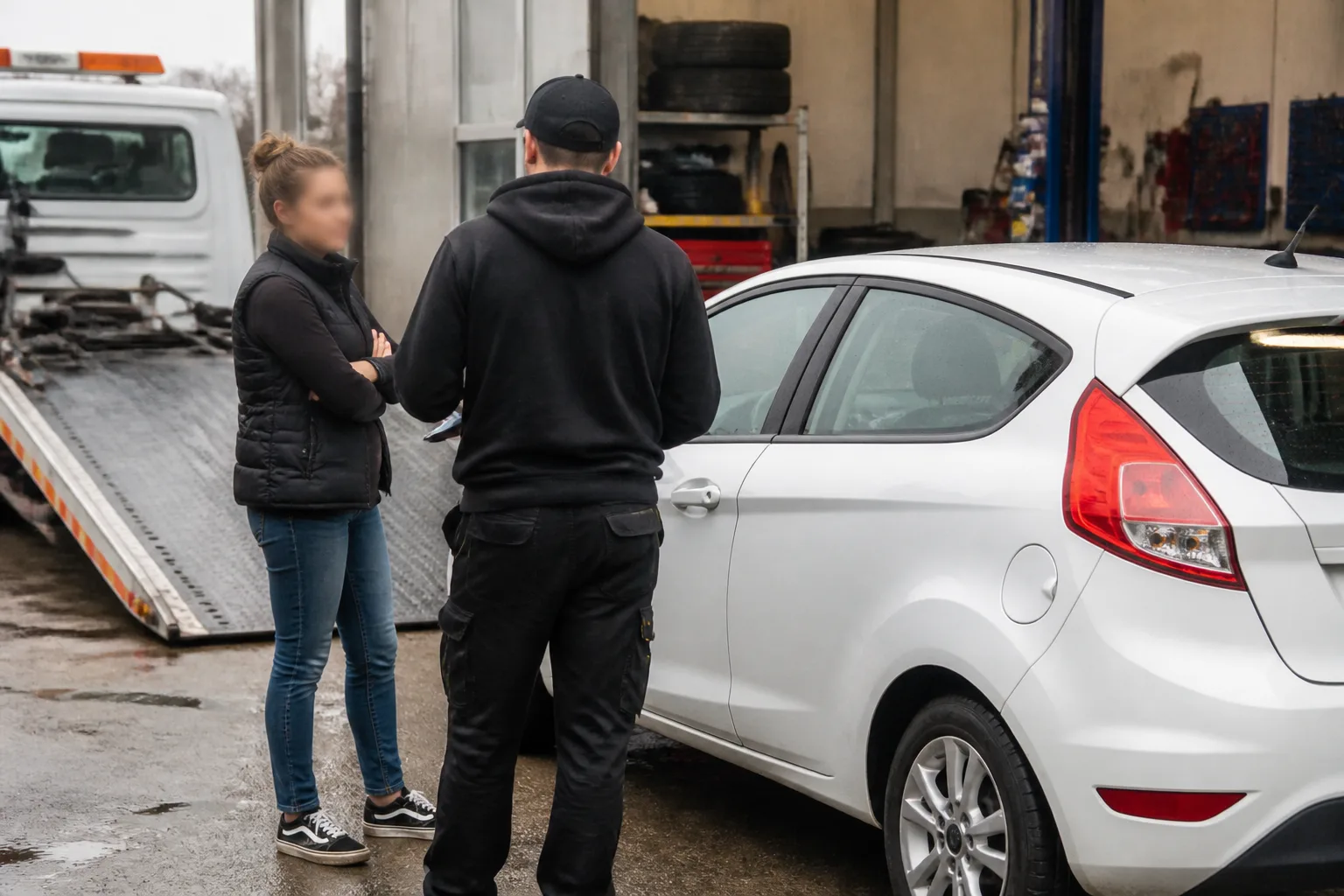
Knowing what to do if your car breaks down away from home can make a stressful situation safer and easier to manage. Whether the car stops on a quiet country road, in a town centre or during a longer journey, your first priorities are to protect yourself and other road users, get to a safe position if possible, and arrange appropriate help.
A breakdown does not always mean a major mechanical failure. The cause could be a flat battery, puncture, warning light, overheating, loss of power or an electrical fault. From the roadside, it is often impossible to identify the problem with confidence. Avoid guessing, especially if the car is making an unusual noise, smells strongly of fuel or burning, is losing fluid, or feels unsafe to steer or stop.
Move to a safer position if you can
If the vehicle is still controllable, move it away from moving traffic and stop somewhere as safe as possible. This may be a lay-by, car park, side road or a suitable area at the edge of the carriageway. Do not attempt to drive further just to reach home if the vehicle is behaving dangerously or has a serious warning light.
Once stopped, switch on the hazard warning lights where appropriate and apply the handbrake. If you are on a busy road, motorway or dual carriageway, remain alert to passing traffic. Getting out of the vehicle may expose you to greater danger, so only leave it if there is a clearly safer place to wait. Keep passengers together and away from the live carriageway. Children, older passengers and anyone with mobility difficulties may need particular assistance.
If the car is in an immediate position of danger, or anyone is injured or at risk, contact the emergency services. Give your location as clearly as possible, including the road name, direction of travel, nearby junction, landmark or roadside marker if you can identify one safely.
Do not investigate in an unsafe place
Some basic checks are reasonable when the vehicle is securely parked away from traffic. You can look at the dashboard for warning messages, check whether the fuel gauge is empty and see whether a door, boot or bonnet has been left open. You may also notice obvious signs such as a visibly damaged tyre or fluid under the car.
Do not lift the bonnet near moving traffic, reach into the engine bay while components are hot or moving, or crawl underneath the vehicle. A hot cooling system can cause serious burns, and a car that appears stationary may still move if it is not properly secured. Never continue driving simply because the engine has restarted if the original symptoms remain.
Recognise when the car should not be driven
Some faults may allow a controlled journey to a nearby safe location, but others make continued driving unsafe. Stop and arrange professional assistance if you notice any of the following:
- Loss of braking performance, a brake pedal that feels unusually soft, or a car that will not stop normally.
- Steering that feels loose, heavy or difficult to control.
- A damaged, deflated or visibly unsafe tyre.
- Overheating, steam, a strong burning smell or coolant leaking from the vehicle.
- Smoke, sparks, a strong fuel smell or signs of an electrical fire.
- Severe vibration, loud mechanical noises or sudden loss of power.
- A warning message or dashboard light accompanied by a change in how the vehicle drives.
These symptoms can have different causes, and it is not possible to diagnose them reliably without inspecting the vehicle. If the problem affects braking, steering, tyres, overheating or the vehicle's general roadworthiness, do not take the risk of driving on. Recovery to a suitable garage is the safer option.
Contact breakdown cover or a recovery service
Check your breakdown policy, vehicle manufacturer assistance or insurance documents if they are available. Many motorists keep these details in an app, but it is useful to have a phone number saved separately in case the phone battery is low or mobile reception is poor.
When you call, explain where the vehicle is and whether it is obstructing traffic. Give the make, model and registration if requested, along with the direction of travel and a nearby landmark. Tell the operator whether passengers are present, whether anyone is vulnerable, and whether the car is carrying anything that may affect recovery.
Describe what happened before the breakdown. For example, explain whether the engine cut out suddenly, the vehicle became difficult to steer, a warning light appeared, or a noise developed gradually. Avoid presenting a guess as a diagnosis. Saying that the engine lost power and a warning light appeared is more useful than insisting that a particular component has failed.
If you are unsure how to describe the symptoms, our guide on what information to give a mechanic when reporting a fault can help you organise the details.
What to do while you are waiting
Stay in a safe place and keep your phone available for calls from the recovery operator. If you are waiting near traffic, remain aware of vehicles approaching from behind. Do not stand between your car and passing traffic, and do not attempt to push the vehicle unless the surroundings are completely safe and you have suitable help.
Be cautious about accepting help from passing motorists. A well-meaning offer may not be suitable if the vehicle is on a fast or busy road. Do not allow anyone to tow the car with improvised equipment or ask you to drive it when you believe it is unsafe.
If the breakdown occurs in poor weather, keep warm or cool as appropriate, conserve phone battery and let someone you trust know where you are. If the situation changes, such as smoke appearing or the vehicle moving into a more dangerous position, update the recovery provider or emergency services.
What happens after recovery?
A recovery technician may be able to deal with a simple issue at the roadside, but a vehicle that has stopped unexpectedly may need a proper inspection. Even if it starts again, the underlying fault could still be present. A temporary restart does not confirm that the car is safe for a longer journey.
Make a note of the symptoms while they are fresh. Include warning lights, noises, smells, recent work, the road conditions and anything that happened immediately before the problem. Photos of a dashboard message or visible tyre damage may also help, provided you took them from a safe position.
A garage inspection usually involves discussing the symptoms, carrying out appropriate visual and mechanical checks, and using diagnostic equipment where needed. You can read more about what happens during a garage inspection before the vehicle arrives. If the problem involved an intermittent warning light or unusual noise, the information you provide may be particularly helpful. Our guides to when to book a garage diagnostic and describing a strange car noise cover those situations in more detail.
How to reduce the stress of a future breakdown
Keep breakdown and insurance details accessible, carry a charged phone and check that essential contact numbers are stored somewhere other than only on the phone itself. Before a long journey, check the tyres, fuel or charge level, lights and fluid warning messages. These checks cannot prevent every breakdown, but they may identify an obvious concern before you leave.
It is also worth taking unfamiliar warning lights seriously. Dealing with a developing issue earlier may be simpler than waiting until the vehicle stops somewhere inconvenient. If your car has broken down away from home and you need help deciding what should happen next, contact Ashton's Garage with the recovery details and symptoms you have been given. We can explain the sensible next step and advise whether the vehicle needs an inspection before it is driven again.
Frequently asked questions
Should I stay in my car after a breakdown?
It depends on the location and traffic conditions. Stay in the vehicle if leaving would put you closer to moving traffic, but leave only if there is a clearly safer place to wait. Keep passengers away from the live carriageway and follow advice from the recovery provider or emergency services.
Can I drive home if my car starts again after breaking down?
Not necessarily. A restart may only be temporary. Do not drive on if the vehicle has braking, steering, tyre, overheating, smoke, fuel or serious warning-light symptoms. Arrange an inspection or recovery if you are unsure about its safety.
What information should I give a recovery service?
Provide your exact or best-known location, direction of travel, vehicle details, passenger information and a clear description of what happened. Mention warning lights, unusual noises, smells, loss of power or visible damage without claiming a diagnosis.
What should I do if my car breaks down in a dangerous position?
Turn on the hazard warning lights where appropriate, keep yourself and passengers as safe as possible, and contact the emergency services if there is immediate danger or an injury. Give clear location details and do not attempt roadside repairs in moving traffic.
Related advice
Car Maintenance for Rural Driving: A Practical Guide
Rural roads can place extra demands on your car. Learn which checks matter most, how to spot developing problems and when professional inspection is sensible.
What Happens During a Garage Inspection?
A garage inspection is more than a quick look under the bonnet. Here is what a mechanic may check, how findings are assessed and what you can expect from the process.
How to Describe a Strange Car Noise to a Mechanic
A useful car-noise description can help a mechanic understand what to inspect first. Learn what details to note, which sounds need urgent attention and how to report them clearly.