Car Maintenance for Rural Driving: A Practical Guide
Rural roads can place extra demands on your car. Learn which checks matter most, how to spot developing problems and when professional inspection is sensible.
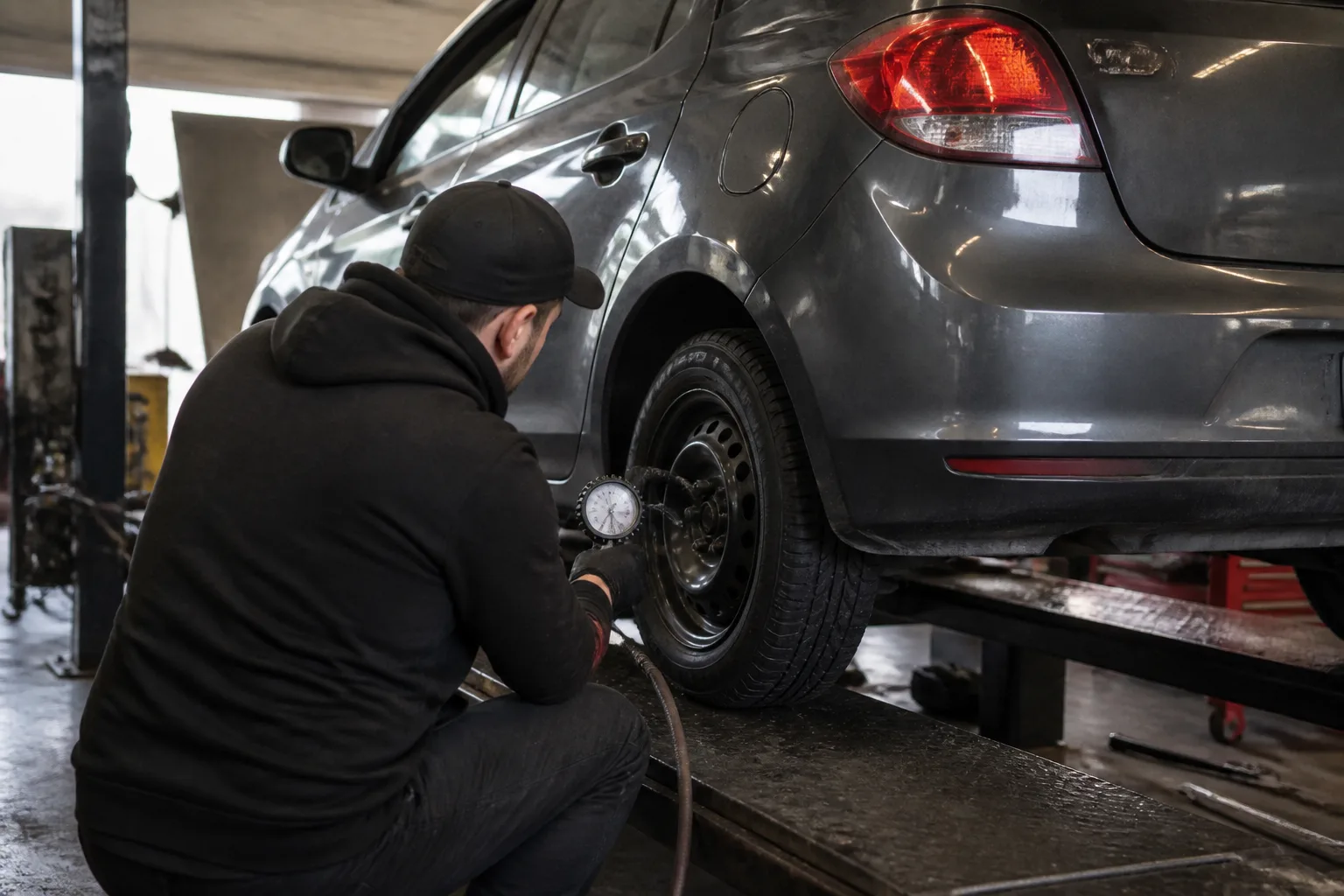
Rural driving can be harder on a car than regular journeys on well-maintained urban roads. Uneven surfaces, potholes, mud, gravel, standing water, steep gradients and long stretches without services can all affect how a vehicle is used. That does not mean a rural car needs complicated or unusual maintenance, but it does make regular checks more worthwhile.
Good car maintenance for rural driving is mainly about finding small problems before they become inconvenient or unsafe. Tyres, brakes, suspension, lights, wipers and fluid levels deserve particular attention. It is also sensible to think about what would happen if your car developed a fault away from home or in an area with poor mobile coverage.
Why rural roads can be demanding
Country lanes vary considerably. A smooth section may be followed by potholes, loose stones, damaged edges or a muddy patch around a bend. Narrow roads can also mean pulling onto a soft verge or passing through areas where branches, hedges and debris are close to the vehicle.
Repeated impacts can place additional strain on tyres, wheels, steering and suspension components. Mud and grit can collect around the underside of the car, while standing water can temporarily reduce visibility and affect braking performance. Long distances between journeys, or frequent short trips from a rural home, can create different maintenance concerns too.
The aim is not to inspect every component after every drive. Instead, build a few simple checks into your routine and arrange professional advice when something changes.
Check your tyres regularly
Tyres are especially important on rural roads because they are your main contact with the surface. Check that all four tyres appear correctly inflated and look for cuts, bulges, cracks or objects lodged in the tread. Pay attention to the inner edges, which are harder to see but can wear unevenly if there is an alignment or suspension issue.
Do not assume that a tyre is safe simply because it has not gone flat. A bulge, significant damage or repeated loss of pressure needs professional assessment. If a tyre has been struck by a pothole or sharp edge, the wheel and suspension may also need checking, particularly if the car now pulls to one side, vibrates or feels different through the steering.
Use the vehicle manufacturer’s recommended pressures, normally found in the handbook or on a vehicle information label. Check them when the tyres are cold and remember to include the spare, if your car has one. A heavily loaded car may have a different recommended pressure setting, so check the handbook before a long journey.
Pay attention to steering, suspension and handling
Rural roads can make developing faults easier to notice. Take note of new knocks over bumps, excessive bouncing, a steering wheel that no longer sits straight, or a car that feels unstable on uneven surfaces. These symptoms can have several possible causes, including tyre damage, wheel alignment or worn suspension components, so they should not be treated as a definite diagnosis.
A vehicle that suddenly pulls to one side, has loose-feeling steering or behaves unpredictably needs prompt attention. If you are concerned that the car may not be safe to control, stop somewhere suitable and do not continue driving until you have obtained professional advice. The same applies after a severe pothole impact if there is visible damage or a major change in handling.
For further guidance on what information can help a garage assess a problem, see what information to give a mechanic when reporting a fault.
Keep brakes and lights in good order
Rural routes may involve steep descents, tight bends, animals near the road and limited street lighting. Brakes should feel consistent, with no unusual grinding, juddering, pulling or excessive pedal travel. A warning light, fluid leak or sudden change in braking response should be treated seriously.
Braking problems are not suitable for trial-and-error checks at home. If the brakes feel unsafe, stop driving as soon as it is safe to do so and arrange a professional inspection. Even less dramatic symptoms, such as a recurring squeal or vibration, are worth reporting before they develop into a more serious fault.
Check that headlights, brake lights, indicators and rear lights are working. Mud, road film and spray can reduce the amount of light produced, so clean the lenses when needed. Make sure the number plate and reflectors are not obscured by mud or debris. A spare bulb may not be relevant to every modern vehicle, but knowing how your car’s lighting system works and seeking advice when a warning appears is sensible.
Look after the underside of the car
Loose gravel, deep puddles, mud and rough road edges can leave debris beneath the vehicle. When parked safely, look for anything hanging down, fresh fluid on the ground or visible damage around the bumpers and wheel arches. Do not crawl underneath a car supported only by a jack, and do not attempt to remove underbody panels or investigate a suspected leak without suitable equipment.
Mud can also build up around wheels and components. It is sensible to rinse away heavy deposits when practical, while taking care not to direct high-pressure water at electrical connections, seals or sensitive components. If you hear scraping, smell leaking fluid or see damage after driving through deep water, arrange an inspection rather than assuming it will clear by itself.
Check fluids, visibility and the battery
Before longer rural journeys, check the engine oil and screenwash levels according to the vehicle handbook. Use the correct products for your vehicle and never open a hot cooling system. If the temperature warning appears, the gauge rises unusually high or steam is visible, stop in a safe place, switch off the engine and allow it to cool. Continuing to drive an overheating car can cause serious damage and may leave you stranded.
Windscreen washers and wipers matter on lanes where spray, mud and low winter sun can quickly reduce visibility. Replace worn wiper blades when they smear or leave areas unwiped. Keep the windscreen, mirrors and lights clean, especially during wet or frosty weather.
A weak battery may become more noticeable if the car is used for frequent short journeys or left parked for long periods. Slow starting, dashboard flickering or repeated battery warnings should be investigated rather than dealt with through repeated jump starts. A garage can test the battery and charging system without guessing which component is responsible.
Do not overlook servicing and seasonal preparation
Follow the servicing schedule in the handbook, taking account of how the car is actually used. Frequent short journeys, towing, dusty tracks, repeated stop-start driving or long periods of inactivity may all be relevant information for a technician. Keep records of servicing, tyre changes and any recurring warning messages.
Before winter, think about visibility, battery condition, tyre condition and the equipment you may need if a journey takes longer than expected. In warmer months, check cooling system warnings and air conditioning performance, particularly before travelling long distances. These are not replacements for servicing, but they can help you notice a change early.
Prepare for being away from immediate help
Rural driving does not require a boot full of specialist tools. It is useful to carry a charged phone, a suitable breakdown or recovery arrangement, a warning device where appropriate, and clothing or a torch for delays in poor weather. Check that the locking wheel-nut key, towing information and vehicle handbook are where you expect them to be.
If your car is showing a warning light, making an unfamiliar noise or handling differently, record when it happens and whether it is linked to speed, bumps, braking or a cold start. That information can help a technician narrow down the possibilities. Our guide to describing a strange car noise covers the sort of details that are useful.
When should a garage inspect the car?
Arrange an inspection if you notice repeated tyre pressure loss, steering changes, unusual suspension noises, fluid leaks, warning lights or a new vibration. A professional check is also sensible after a significant pothole strike or when a problem is difficult to reproduce but keeps returning.
A garage inspection is not an assumption that a major repair is needed. It is a way to identify the likely cause safely and decide what action, if any, is appropriate. If you would like advice about a car used regularly on rural roads, you can contact Ashton's Garage with the symptoms, warning lights and recent driving conditions. A clear description helps us understand the problem before the vehicle is assessed.
For a general explanation of what a workshop inspection may involve, read what happens during a garage inspection. Regular checks and timely attention are usually more practical than waiting for a small rural-road-related issue to interrupt an important journey.
Frequently asked questions
Are rural roads harder on a car?
They can be. Potholes, loose gravel, mud, standing water, steep gradients and uneven edges may place more demand on tyres, wheels, steering, suspension and brakes than smoother urban roads.
How often should I check my car before driving on rural roads?
A quick visual check before longer journeys is sensible, with regular checks of tyre condition, pressures, lights, fluid levels and wipers. Follow the vehicle handbook for servicing intervals and arrange an inspection if anything changes.
What should I do after hitting a pothole?
If the car pulls, vibrates, makes a new noise or shows visible tyre or wheel damage, stop somewhere safe and seek professional advice. A significant impact can affect more than the tyre itself.
Is it safe to drive through deep standing water?
Avoid water when possible because its depth and condition can be difficult to judge. If the car develops warning lights, unusual noises, reduced braking or other changes after water exposure, stop safely and arrange professional advice.
What rural driving symptoms mean I should stop driving?
Stop when it is safe to do so if braking, steering or handling changes significantly, the engine overheats, a serious warning appears, or there is visible tyre damage or a fluid leak. Continuing may be unsafe or increase damage.
Related advice
What to Do If Your Car Breaks Down Away From Home
Find out what to do if your car breaks down away from home, including how to stay safe, call for help and explain the problem to a recovery service or garage.
What Happens During a Garage Inspection?
A garage inspection is more than a quick look under the bonnet. Here is what a mechanic may check, how findings are assessed and what you can expect from the process.
How to Describe a Strange Car Noise to a Mechanic
A useful car-noise description can help a mechanic understand what to inspect first. Learn what details to note, which sounds need urgent attention and how to report them clearly.