What Happens During a Garage Inspection?
A garage inspection is more than a quick look under the bonnet. Here is what a mechanic may check, how findings are assessed and what you can expect from the process.
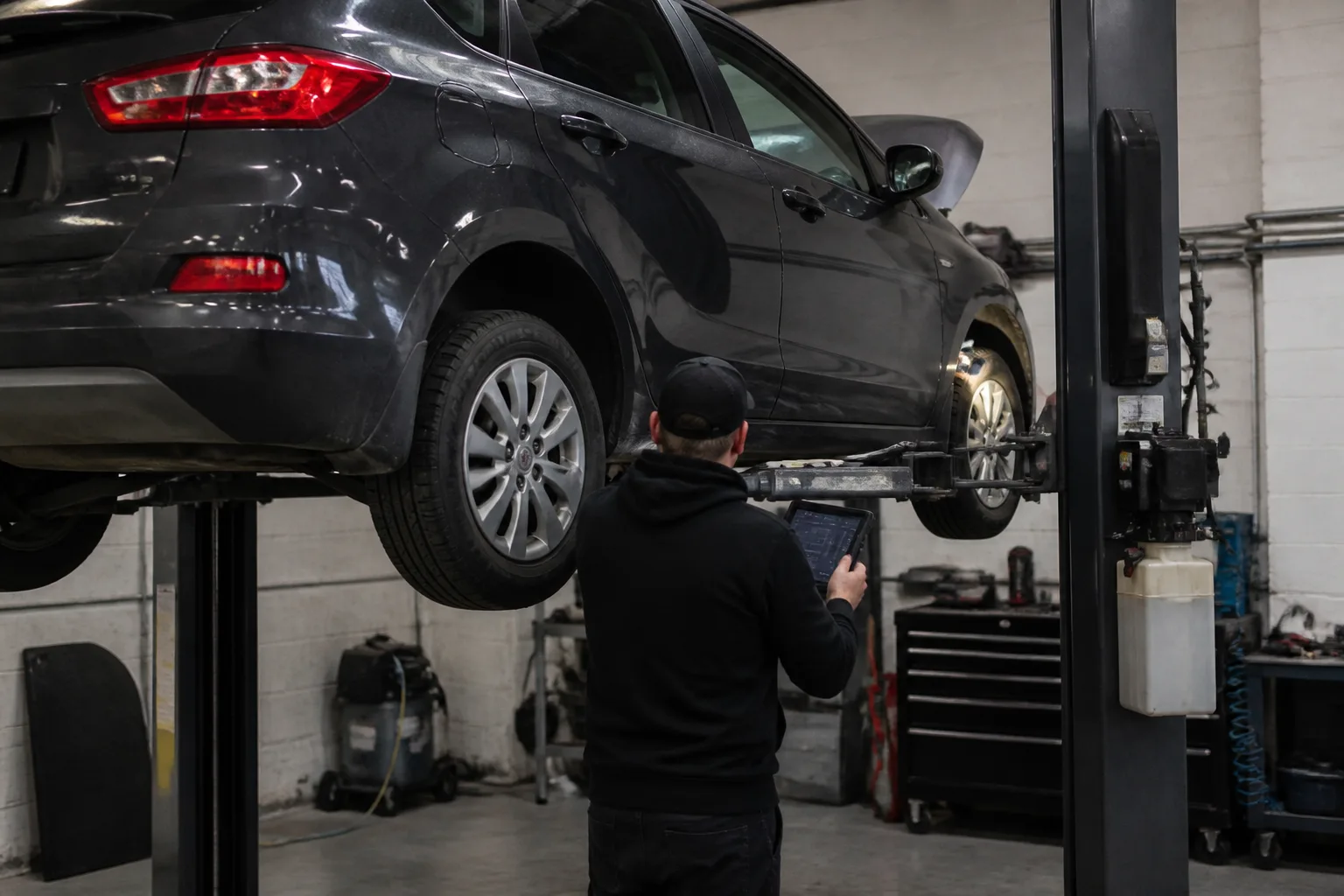
If your car is making an unfamiliar noise, showing a warning light or simply not feeling quite right, you may be advised to arrange a garage inspection. That can sound more formal than it is. In most cases, an inspection is a structured way for a mechanic to gather information, check the vehicle and work out what needs attention.
There is no single inspection that every garage carries out in exactly the same way. The checks depend on the reason for the visit, the vehicle’s symptoms and the level of assessment agreed beforehand. A basic visual inspection is different from a diagnostic investigation or a full pre-purchase inspection.
Understanding what happens during a garage inspection can make it easier to explain the problem, ask sensible questions and decide what to do next.
What is a garage inspection?
A garage inspection is an assessment of a vehicle or a particular concern. The mechanic looks for evidence of wear, damage, leakage, poor adjustment or a developing fault. They may also carry out tests to confirm whether a suspected system is operating as it should.
The purpose is not always to identify every possible issue with the car. Often, the inspection has a defined focus, such as investigating a noise, checking a braking concern or assessing a vehicle before repair work is authorised. Ask what is included when making the appointment, particularly if you are expecting a broader health check.
An inspection is also not automatically the same as an MOT. An MOT is a statutory test against specific safety and environmental requirements at the time of testing. A general garage inspection is usually more flexible and can concentrate on symptoms, condition and likely repair needs.
What happens when you bring the car in?
1. The mechanic discusses the concern with you
The first part is usually a conversation. You may be asked when the issue started, whether it happens when the engine is cold or warm, and whether it appears during braking, steering, acceleration or over bumps.
Details such as speed, road surface, weather and warning lights can be useful. If you have recorded a sound safely while the car was stationary, or noted what happened immediately before the problem appeared, share that information. Our guide on what information to give a mechanic when reporting a fault explains the sort of detail that can help.
Where possible, the mechanic may repeat your description back to you so the inspection has a clear starting point. If the problem is intermittent, it may not appear during the appointment, so an accurate description matters.
2. The vehicle is checked visually
A mechanic will normally begin with a visual assessment. Depending on the reason for the visit, this may include checking the tyres, wheels, fluid levels, visible hoses, belts, lights, bodywork and signs of leaks. Under-bonnet and under-vehicle checks can reveal clues, but a visual inspection alone cannot confirm every fault.
For example, a worn component may not look obviously damaged when the vehicle is parked. Equally, a fluid mark does not always show precisely where a leak began. The mechanic uses these observations alongside your description and any further testing.
3. Relevant systems are tested
The next step depends on the concern. A mechanic may check whether controls feel normal, inspect movement in suspension or steering components, test electrical functions or look for stored fault codes using suitable diagnostic equipment.
Diagnostic equipment can be helpful, but a fault code is not necessarily a complete diagnosis. It may identify a circuit, sensor or system that has reported a problem. Further checks are often needed to establish the underlying cause rather than replacing a part simply because a code appeared.
4. A road test may be carried out
If it is safe and appropriate, the mechanic may drive the vehicle to reproduce the reported symptom. This can help with concerns such as vibration, pulling to one side, unusual noises, clutch operation or changes in braking feel.
A road test should only take place when the vehicle is considered safe enough to drive. If there is a serious brake, steering, tyre or overheating concern, tell the garage before driving the car there. Continuing to use a vehicle with a potentially unsafe fault can put you and other road users at risk.
If you are trying to describe a noise, it may help to read our guide on how to describe a strange car noise to a mechanic. The sound’s location, timing and relationship to speed or engine revs can all be relevant.
Will the car be lifted?
For some inspections, the vehicle may need to be raised on a lift. This allows the mechanic to inspect areas that cannot be seen from ground level, including parts of the suspension, steering, braking system, exhaust and underside of the body.
The lift gives a better view, but it does not make every fault immediately obvious. Some problems only occur under load, when the vehicle is moving or once components reach a particular temperature. A responsible inspection distinguishes between what has been confirmed, what is suspected and what needs further investigation.
What will the garage tell you afterwards?
Once the checks are complete, the garage should explain the findings in straightforward language. You may receive a written inspection report, photographs, diagnostic information or an estimate, depending on the job and the garage’s process.
A useful explanation should separate:
- faults that have been confirmed;
- items showing wear but not necessarily requiring immediate replacement;
- observations that should be monitored;
- further tests that may be needed; and
- work that is recommended for safety, reliability or routine maintenance.
Do not be afraid to ask what is urgent, what can reasonably wait and what might happen if a repair is postponed. You can also ask whether the quoted work is intended to resolve the original symptom or is preventative maintenance identified during the inspection.
If the inspection leads to a sizeable repair recommendation, a second opinion can sometimes help you understand the decision before authorising work. Our article on whether to get a second opinion on a car repair covers the points worth considering.
What should you do before the appointment?
Bring any relevant information, including warning messages, recent repair invoices and details of when the problem occurs. Make sure the garage knows if the car has recently had work carried out elsewhere or if the symptom began after a particular event, such as a pothole impact.
Remove unnecessary items from the boot if access may be needed, and mention any security wheel-locking key or special equipment that could be relevant. You should also explain whether you want an investigation only or whether the garage has permission to carry out repairs if the cause is found. Agreeing this in advance helps avoid misunderstandings.
For dashboard warnings or electronic faults, a garage diagnostic inspection may be more suitable than a basic visual check. The appropriate route depends on the symptoms, not just the warning light itself.
When should you arrange an inspection?
It is sensible to seek professional advice when a fault is persistent, worsening, difficult to identify or affecting how the vehicle drives. An inspection can also be useful before buying a used car, after an impact or when you want an independent view of a repair recommendation.
Stop using the vehicle and seek advice promptly if you notice a serious loss of braking, steering difficulty, a damaged tyre, overheating, smoke, fuel leakage or another condition that could affect roadworthiness. If you are uncertain whether the car is safe to drive, contact a garage before setting off rather than taking the risk.
How Ashton's Garage can help
At Ashton's Garage, an inspection starts with the symptoms and the reason for the visit. We aim to explain what has been checked, what the findings mean and whether further work is recommended, without presenting an unconfirmed possibility as a definite diagnosis.
If your vehicle needs an assessment, you can contact Ashton's Garage to discuss the concern and arrange the appropriate inspection. Giving us as much information as possible beforehand helps us plan the right checks for your vehicle.
Frequently asked questions
How long does a garage inspection take?
It depends on the reason for the inspection and whether further testing is needed. A straightforward visual assessment may be relatively quick, while an intermittent fault or inspection requiring diagnostic testing and a road test can take longer. Ask the garage what time is likely to be needed when booking.
Is a garage inspection the same as an MOT?
No. An MOT is a specific statutory test, whereas a garage inspection is usually arranged to investigate a symptom, assess vehicle condition or provide advice about a repair. An inspection may cover areas outside the immediate reason for the visit, but you should confirm its scope with the garage.
Can a garage find a fault without a warning light?
Often, yes. A mechanic may identify clues through a visual check, measurements, physical inspection or a road test. However, some intermittent or developing faults are difficult to reproduce, so the result may be a likely cause or recommendation for further testing rather than a confirmed diagnosis.
Should I drive my car to the garage if it has a serious fault?
Not necessarily. If the car has a braking, steering, tyre, overheating, smoke or fluid-leak concern, ask a garage whether it is safe to drive before setting off. Where continued driving may be unsafe, professional recovery or an on-site assessment may be more appropriate.
Related advice
What to Do If Your Car Breaks Down Away From Home
Find out what to do if your car breaks down away from home, including how to stay safe, call for help and explain the problem to a recovery service or garage.
Car Maintenance for Rural Driving: A Practical Guide
Rural roads can place extra demands on your car. Learn which checks matter most, how to spot developing problems and when professional inspection is sensible.
How to Describe a Strange Car Noise to a Mechanic
A useful car-noise description can help a mechanic understand what to inspect first. Learn what details to note, which sounds need urgent attention and how to report them clearly.