When Should You Book a Garage Diagnostic?
A garage diagnostic can help identify the cause of warning lights, poor running and electrical faults. Here is when to book one and when it may be unsafe to keep driving.
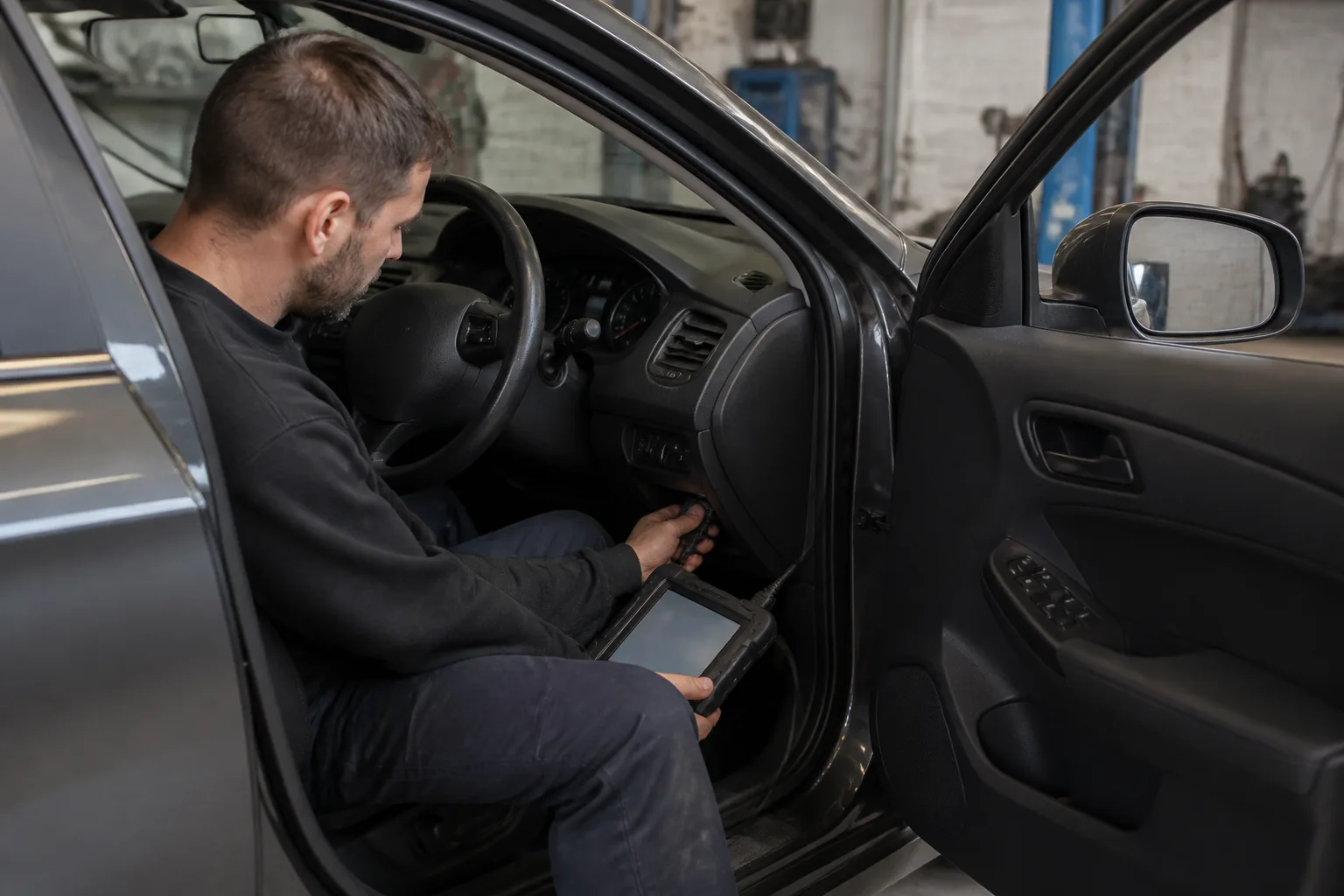
A garage diagnostic is useful when your car is showing a fault but the cause is not immediately obvious. It may involve connecting diagnostic equipment to the vehicle, reading stored fault codes and checking live information from sensors and control units. That information helps a technician decide what needs further testing.
It is important to understand that a diagnostic code is not always a complete diagnosis. A code may point towards a circuit, sensor or system rather than proving that a particular part needs replacing. A proper assessment combines the scan results with the vehicle’s symptoms, visual checks and other tests.
When should you book a garage diagnostic?
You should consider booking a diagnostic when a warning light remains on, the car is running differently or an intermittent fault keeps returning. It is especially worthwhile when the problem is difficult to reproduce or involves modern electronic systems.
Common reasons to arrange a diagnostic include:
- An engine management light that stays illuminated.
- Repeated warning messages or unusual dashboard symbols.
- Loss of power, hesitation, uneven running or difficulty starting.
- Unexpected changes in fuel consumption or engine behaviour.
- Electrical problems such as non-functioning equipment, battery drain or several systems developing faults together.
- A fault that disappears temporarily but returns later.
- A suspected fault found during an MOT, service or general inspection that needs further investigation.
Booking a diagnostic early can help prevent guesswork. It can also provide a more sensible starting point when several possible causes could produce similar symptoms.
What do dashboard warning lights mean?
The colour and symbol matter, but the vehicle handbook should always be checked because warning systems vary between models.
Amber or yellow warning lights
An amber warning generally means that the car has detected a problem that needs checking. For example, a steady engine management light may be linked to an emissions or engine-control fault. The car may still appear to drive normally, but that does not prove the issue is harmless.
Arrange a garage assessment rather than ignoring an amber light, particularly if it remains on or is accompanied by changes in performance. Continued use may make the fault harder to diagnose or allow a developing problem to worsen.
Flashing or red warning lights
A flashing engine warning light or a red warning symbol should be treated more seriously than a steady amber light. If the vehicle is misfiring, losing power, overheating, producing smoke or making a serious new noise, pull over somewhere safe and switch off the engine when it is safe to do so.
Red warning lights can relate to systems where continued driving may be unsafe or may cause further damage. Do not assume that a diagnostic booking means the car is safe to drive to the garage. If the handbook advises stopping, or the vehicle has a braking, steering, tyre or overheating problem, arrange professional assistance and inspection instead.
Should you book a diagnostic for a car that still drives normally?
Sometimes. A car can continue to drive while a fault is stored in one of its control systems. A steady warning light, occasional hesitation or intermittent electrical fault is worth investigating even if the symptoms are currently mild.
There is no need to panic every time a warning appears, but it is sensible to record when it happened and what the car was doing. Note whether the engine was cold or warm, whether the light went off, and whether any other symptoms appeared. This information can help the technician reproduce the fault and interpret the scan results.
If the car drives normally and the warning is amber, a planned appointment may be suitable. If the warning is red, flashing, or linked with a safety-critical symptom, the appropriate response may be to stop driving rather than arrange a routine diagnostic visit.
What happens during a garage diagnostic?
The exact process depends on the fault. A technician will usually begin by discussing the symptoms and checking the vehicle’s warning lights or stored information. Diagnostic equipment may then be connected to the vehicle’s onboard systems.
The scan can show fault codes and live readings from components such as sensors. These results are clues, not automatic instructions to replace a part. Further checks may include inspecting wiring and connectors, testing voltage or pressure, checking for air or fluid leaks, and carrying out a road test where it is safe and appropriate.
A useful diagnostic should aim to identify the likely cause and explain what needs to happen next. This may be a repair, more detailed testing or monitoring of a minor intermittent issue. If you want to know more about the inspection stage, see what happens during a garage inspection.
What should you tell the garage?
Give as much practical information as you can without trying to diagnose the fault yourself. Tell the garage when the problem started, how often it happens and whether it is affected by speed, temperature, traffic or the type of journey.
Also mention warning lights, unusual noises, smells, recent repairs, jump starts, battery replacement or any changes in the car’s performance. A short note or photograph of a warning message can be useful if the display has cleared by the time of the appointment. Our guide to reporting a fault to a mechanic covers the details that are most helpful.
If the problem is a noise rather than a warning light, describe when it occurs and where it seems to come from. Avoid using a technical term unless you are confident it is accurate. A plain description of what you hear can be more useful than a guessed diagnosis. You can also read how to describe a strange car noise to a mechanic.
Can you read the fault code yourself?
Basic code readers are available, and they can be useful for showing that a fault has been recorded. However, a low-cost reader may not communicate with every vehicle system and may not provide enough information to identify the real cause.
Clearing a code without finding the reason it appeared does not repair the vehicle. It can also remove information that would have helped with further testing. If you use a reader, keep a record of the code and the symptoms rather than treating the code as a definite parts list.
When is it unsafe to drive to a diagnostic appointment?
Do not continue driving simply because the car can still move. Stop in a safe place and seek professional advice if you have a serious braking or steering problem, a damaged tyre, overheating, smoke, a strong burning smell, major loss of power in a hazardous situation, or a flashing or red warning light accompanied by severe symptoms.
If you are unsure, check the handbook and explain the symptoms to the garage or breakdown provider. For motorists in Salisbury and across Wiltshire, contact Ashton's Garage if you need to discuss whether a diagnostic assessment or another form of inspection is the appropriate next step. We can explain what information to provide, but a remote conversation cannot confirm that a vehicle is safe to drive.
In summary
Book a garage diagnostic when a warning light stays on, a fault keeps returning or the car’s performance changes without an obvious cause. The scan is one part of the investigation, not a substitute for proper testing. Record the symptoms, check the handbook and treat red or flashing warnings and safety-critical problems as reasons to stop and seek professional help rather than drive on.
Frequently asked questions
Is a diagnostic scan the same as a repair?
No. A scan reads information stored by the vehicle and may identify a system or circuit linked to the fault. Further checks are normally needed before deciding whether a part, wiring or another cause needs attention.
Can I drive with the engine management light on?
It depends on the warning and the symptoms. A steady amber light with no obvious change in how the car drives may allow a planned assessment, but a flashing light, loss of power, misfire, smoke or other serious symptom may mean you should stop safely and seek professional assistance.
How long does a garage diagnostic take?
The time varies with the vehicle and the fault. Reading codes may be relatively quick, but finding the underlying cause can require additional electrical, mechanical or road-testing checks.
Will clearing a warning light fix the problem?
No. Clearing the warning removes the displayed alert or stored code but does not repair the underlying fault. If the cause remains, the warning may return and useful diagnostic information may be lost.