Should You Get a Second Opinion on a Car Repair?
A second opinion can be sensible when a repair is expensive, unclear or difficult to understand. Here is how to decide, what information to provide and when safety should come first.
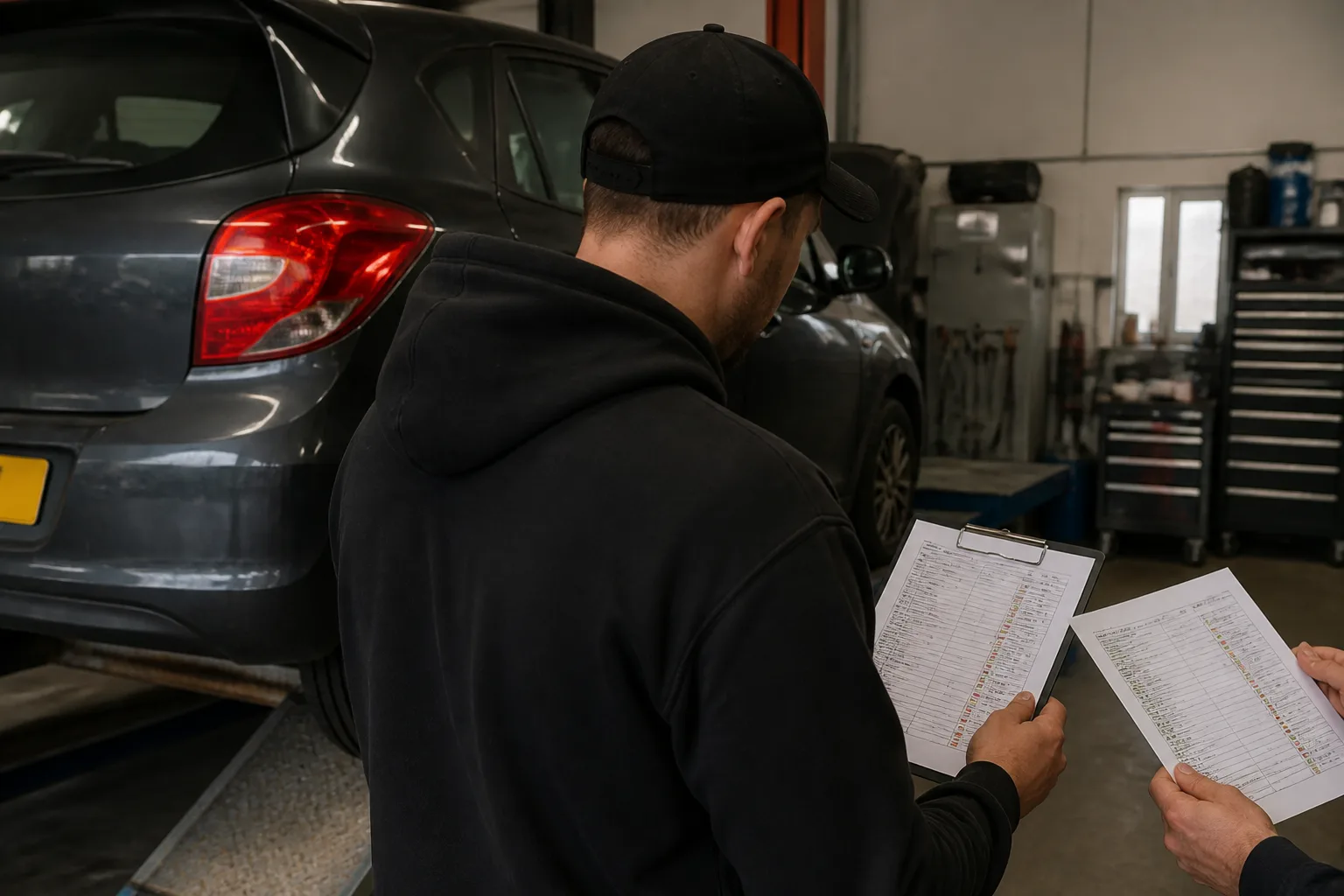
Being told that your car needs an unexpected repair can be unsettling, particularly when the work is expensive or the explanation is difficult to follow. In that situation, you may reasonably ask: should you get a second opinion on a car repair?
Often, a second opinion is a sensible way to understand the problem and check that the proposed repair is appropriate. It is not necessarily a sign that the first garage has done anything wrong. Different garages may explain the same fault in different ways, or recommend different repair options depending on the vehicle’s condition, parts availability and their inspection findings.
However, a second opinion should not delay action if the car may be unsafe to drive. Brake problems, steering faults, serious tyre damage, overheating or signs of structural damage need prompt professional attention. If continued driving could put you or other road users at risk, stop in a safe place and arrange suitable assistance or inspection.
When is a second opinion worth considering?
There are several situations where another professional assessment can be useful.
The repair is expensive or involves several components
A major repair can involve a significant financial decision. Examples might include work to the engine, gearbox, clutch, suspension or electrical system. Before authorising a large amount of work, you may want another garage to review the findings and explain whether the proposed repair appears proportionate to the symptoms and inspection results.
A second garage may reach the same conclusion, which can give you greater confidence before proceeding. It might also identify a different cause, a less extensive repair option or additional work that needs to be considered. That does not mean the cheaper recommendation is automatically better. The quality of the diagnosis, parts and workmanship also matters.
The explanation is unclear
You should be able to ask what has been found, how it affects the vehicle and what may happen if the repair is not carried out. A garage should not expect you to understand unexplained technical terms.
If you are unsure what a warning light, fault code or inspection comment means, a second garage may be able to explain it more clearly. You may also find our guide to what information to give a mechanic when reporting a fault useful before arranging another assessment.
The proposed repair does not seem to match the symptoms
Cars can develop more than one fault at the same time, and some symptoms have several possible causes. A noise, vibration or warning light may not point to one component on its own. If the recommended repair does not appear to relate to what you have noticed, ask for the reasoning behind it rather than making assumptions.
Remote advice, online forums and general search results cannot confirm what is wrong with a particular vehicle. A proper assessment normally requires the car, its service history and appropriate testing. Our article on when to book a garage diagnostic explains why a diagnostic test is different from simply reading a fault code.
You are considering whether to repair or replace the car
When a repair is costly compared with the vehicle’s age, condition or value, you may need to decide whether keeping the car makes financial sense. A second opinion can help establish what is known, what remains uncertain and whether other maintenance may be due soon.
A garage cannot make the decision for you, but it should be able to explain the likely scope of the work and any important limitations. Be wary of treating a single quotation as a complete forecast of every future repair, because no inspection can predict all faults indefinitely.
When might a second opinion be unnecessary?
Not every repair requires another inspection. If the fault is straightforward, the explanation is clear and the cost is within your expectations, arranging a second opinion may simply delay getting the car fixed.
You may also not need another assessment if the vehicle has already been inspected by a specialist for a particular system and the findings are well documented. In that case, you can still ask questions, request a written quotation and compare the proposed parts and labour without asking another garage to repeat the entire investigation.
It is also worth remembering that two garages may reasonably recommend different approaches. One may suggest replacing a worn component as a preventative measure, while another may recommend monitoring it until it reaches a more serious condition. Ask each garage to explain the risks, timescale and consequences of its recommendation.
How to get a useful second opinion
Start by asking the first garage for the information it is able to provide. This may include the inspection findings, fault codes, photographs, measurements, the proposed repair and any advice about whether the vehicle is safe to drive. You are entitled to ask for an explanation in plain language.
When contacting the second garage, give an accurate account of the symptoms. Mention when they started, whether they are getting worse, when they occur and whether any warning lights are showing. Avoid presenting another garage’s diagnosis as proven fact. It is more useful to say that a particular repair has been suggested and ask for an independent assessment.
Take relevant paperwork with you, including service records, previous repair invoices and any MOT information. Do not rely on the MOT as a diagnosis of every current fault. It is a test at a particular time and does not replace routine maintenance or a mechanical inspection.
If the vehicle is not safe to drive, do not take it to another garage under its own power just to obtain a second opinion. Ask about recovery or whether a mobile assessment is appropriate. A professional garage can advise on the safest practical arrangement.
Questions to ask both garages
- What has been inspected or tested?
- What evidence supports the proposed repair?
- Is the vehicle safe to drive in its current condition?
- Is the repair urgent, or can it be planned?
- Are there any repair options, and what are the limitations of each?
- Does the quotation include parts, labour and any further testing?
- What warranty or guarantee applies to the workmanship and supplied parts?
These questions help you compare like with like. A quotation based on a confirmed inspection is more useful than a rough figure given without seeing the vehicle. You can also read what happens during a garage inspection to understand why a garage may need time to test a fault before confirming the work.
Be cautious about replacing parts without confirming the cause
Replacing a component because it seems associated with a symptom can sometimes fail to resolve the problem. Modern vehicles contain interconnected mechanical, electrical and electronic systems, so a warning light or intermittent fault may need systematic testing.
This is particularly important where a repair involves safety-critical systems. Do not continue driving while waiting for a second opinion if the car has weak or inconsistent brakes, significant steering movement, a damaged tyre, severe overheating, smoke or other signs of a potentially dangerous fault. The safest choice may be to stop using the vehicle until it has been inspected.
For noises and vibrations, try to describe when they happen rather than guessing which part is at fault. Our guide to describing a strange car noise to a mechanic covers the details that can make an assessment more efficient.
Choosing a garage for a second opinion
Look for a garage that is willing to explain its findings, distinguish confirmed evidence from possibilities and tell you if further testing is needed. Clear communication matters just as much as a competitive quotation.
An independent garage should be able to discuss whether the recommended work is essential, advisable or simply preventative. It should also be open about work it has not inspected and avoid promising certainty where the evidence is incomplete.
If you would like a clear, independent assessment of a proposed repair in the Salisbury and Wiltshire area, you can contact Ashton’s Garage with the vehicle details and the information you have been given. We can explain what can be assessed and whether an inspection is the appropriate next step.
So, should you get a second opinion on a car repair?
Consider a second opinion when the repair is expensive, the diagnosis is unclear, the recommended work does not seem to match the symptoms or you need help deciding whether to keep the vehicle. Ask for evidence, compare like-for-like recommendations and make sure you understand whether the car is safe to drive.
A second opinion is most useful when it adds understanding rather than simply producing another guess. It should help you make a properly informed decision, while safety concerns should always be dealt with before questions about convenience or cost.
Frequently asked questions
Can I ask another garage to check a repair recommendation?
Yes. Explain that another garage has recommended a repair and ask for an independent inspection. Share the symptoms and available paperwork, but allow the second garage to form its own assessment rather than assuming the first diagnosis is correct.
Will a second opinion always be free?
Not necessarily. A garage may charge for inspection time, diagnostic testing or specialist equipment. Ask what the assessment includes and whether there will be a charge before arranging the appointment.
Should I get a second opinion before approving an expensive repair?
It can be sensible, especially if the cause is uncertain or the work involves several components. A second opinion may confirm the recommendation or identify questions that need answering, but it should not delay urgent safety-related repairs.
Can I drive my car to another garage for a second opinion?
Only if it is safe and legal to do so. If there are serious brake, steering, tyre, overheating or structural concerns, stop using the car and ask about recovery or another safe inspection arrangement.
What should I take to a garage for a second opinion?
Take service records, previous invoices, MOT information and any written inspection findings or photographs. Also note when the symptoms occur, whether they are changing and which warning lights have appeared.
Related advice
What to Do If Your Car Breaks Down Away From Home
Find out what to do if your car breaks down away from home, including how to stay safe, call for help and explain the problem to a recovery service or garage.
Car Maintenance for Rural Driving: A Practical Guide
Rural roads can place extra demands on your car. Learn which checks matter most, how to spot developing problems and when professional inspection is sensible.
What Happens During a Garage Inspection?
A garage inspection is more than a quick look under the bonnet. Here is what a mechanic may check, how findings are assessed and what you can expect from the process.