
What Causes Tyre Sidewall Cracks?
Tyre sidewall cracks can be caused by age, sunlight, low pressure, impact or chemical damage. Learn what the cracks may mean and when professional inspection is needed.
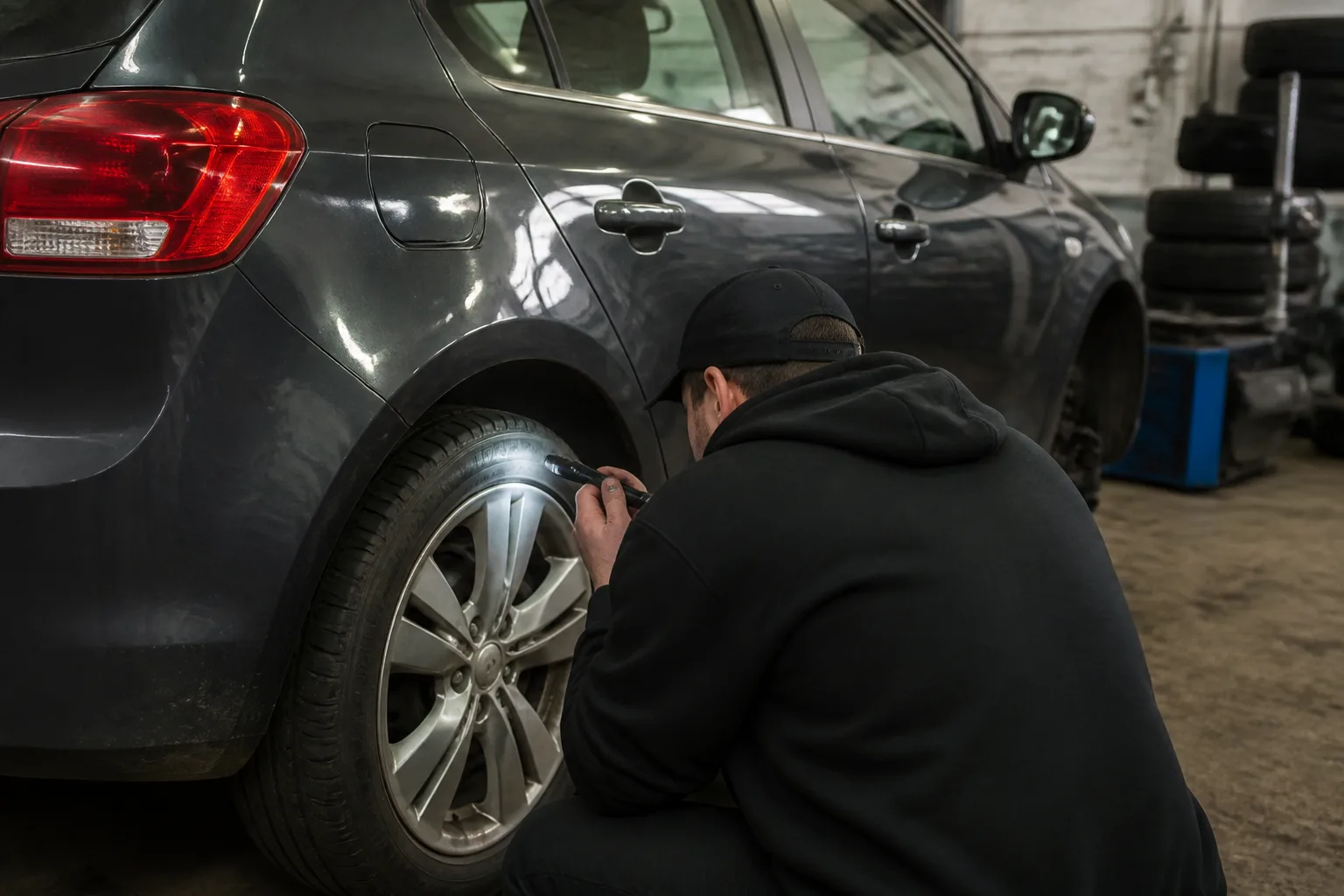
Small cracks in a tyre sidewall can be easy to overlook, especially if the tread still appears to have plenty of depth. However, sidewall cracking should not be dismissed automatically. The sidewall flexes as the vehicle moves, supports the weight of the car and helps absorb impacts from potholes and kerbs. Damage in this area can therefore affect the tyre's safety and condition.
There is no single answer to what causes tyre sidewall cracks. Common possibilities include ageing, exposure to sunlight and ozone, incorrect inflation, impacts, harsh cleaning products and long periods of storage. The appearance, location and depth of the cracking all matter, but a photograph or description cannot confirm whether a tyre is safe to use.
What are tyre sidewall cracks?
The sidewall is the section of rubber between the wheel rim and the tread. It includes important information such as the tyre size, load rating and speed rating. Unlike the tread, it is not designed to be repaired with a puncture repair plug or patch.
Sidewall cracking may look like fine lines, a network of small creases or deeper splits in the rubber. Some fine surface marks are associated with the natural ageing of the outer rubber. Deeper cracks, cuts, exposed internal material or damage close to the rim are more concerning.
A tyre can also have a bulge or lump alongside the cracks. This may indicate damage to the internal casing, often following a pothole or kerb impact. A bulge is not the same as ordinary surface weathering and needs prompt professional attention.
Common causes of cracked tyre sidewalls
Ageing and weathering
Tyre rubber changes over time. Heat, oxygen, sunlight and ozone gradually affect the compounds that help the tyre remain flexible. As the rubber becomes less resilient, fine cracks can appear on the sidewall or between the tread blocks.
Age is not determined by tread depth alone. A car that covers relatively few miles may still have older tyres, because time and storage conditions affect them even when they have not been heavily used. The date code moulded into the tyre sidewall can help establish when a tyre was manufactured, although a garage should assess its actual condition rather than relying on age by itself.
Sunlight and ozone exposure
Ultraviolet light can accelerate the ageing of exposed rubber. Ozone in the atmosphere can also contribute to surface deterioration. This is more likely to be noticeable on vehicles that spend most of their time outside, particularly when the same side of the car receives strong sunlight.
Parking outdoors does not automatically make tyres unsafe, but regular exposure can make weather cracking appear sooner. Keeping tyres correctly inflated and having them checked periodically is more useful than trying to judge their condition from tread depth alone.
Incorrect tyre pressure
Tyre pressure affects how much the sidewall flexes. If a tyre is significantly underinflated, the sidewall may flex more than intended, creating additional heat and stress. Overinflation can make the tyre less compliant and more vulnerable to impact damage, although it does not explain every type of crack.
Check pressures when the tyres are cold and use the vehicle manufacturer's recommended figures. These may be listed in the handbook, on a label inside the driver's door area or near the fuel filler. Do not use the maximum pressure printed on the tyre as a substitute for the vehicle's recommended setting.
Kerb and pothole impacts
A hard impact can damage the sidewall or the internal cords beneath the rubber. The outside may show a cut, scrape, indentation or bulge, while some internal damage may be difficult to see. A tyre can look reasonably normal after an impact and still require inspection.
Pay particular attention if cracking is accompanied by a bulge, a loss of pressure, vibration, a change in steering feel or visible damage to the wheel. These symptoms are not suitable for trial-and-error driving. If you suspect impact damage, reduce the risk by stopping somewhere safe and arranging a professional inspection.
Chemicals and unsuitable cleaning products
Some solvents, petroleum-based products and harsh chemicals can affect rubber. Repeated use of unsuitable tyre dressings may contribute to deterioration, especially if the product is not intended for automotive tyres. Road grime and ordinary car shampoo are not normally the main cause of sidewall cracking, but chemicals should not be allowed to remain on the tyre.
Use products according to their instructions and avoid applying household cleaners, fuels or solvents to the sidewall. If a tyre has been contaminated by a chemical, ask a tyre professional to assess it rather than assuming that washing it has removed all risk.
Long periods of storage or limited use
A vehicle that is parked for long periods may develop ageing or cracking without covering many miles. Tyres can also be affected by heat, damp conditions, direct sunlight and being left in one position for extended periods. This is one reason that low-mileage cars still benefit from routine tyre inspections.
Are all sidewall cracks dangerous?
Not every fine mark means that a tyre is about to fail, but it is difficult to judge the significance of cracking without seeing the tyre in person. Surface-level weathering may be less serious than a deep split, but the distinction is not always clear to an untrained eye.
Do not continue driving normally if the crack is deep, open or spreading, or if you can see cords or other internal material. The same applies if there is a bulge, a sudden pressure loss, repeated loss of pressure or damage after a pothole or kerb strike. These signs can indicate a roadworthiness concern.
If the tyre is losing pressure or appears badly damaged, stop in a safe place and arrange assistance or professional inspection. Avoid touching or probing a damaged area, and do not attempt to seal a sidewall crack with a repair kit, glue or sealant.
What should you check at home?
A basic visual check is reasonable when the vehicle is parked safely. Look around the visible sidewalls for cracks, cuts, bulges and areas where the rubber appears distorted. Check both sides of each tyre if it can be done safely, as damage on the inner sidewall may be missed when looking from outside the car.
Compare the tyre pressures with the manufacturer's recommended figures and look for a tyre that is visibly softer than the others. Do not place any part of your body beneath a vehicle or remove a wheel to inspect it. If the inner sidewall cannot be seen safely, ask a garage or tyre specialist to check it.
It is also worth noting any recent changes, such as steering vibration, pulling, unusual noise or repeated pressure loss. These symptoms do not identify the cause by themselves, but they give the inspecting technician useful information.
Can cracked sidewalls be repaired?
Sidewall cracks are not normally repaired in the way that some tread punctures may be repaired. The sidewall flexes heavily and contains structural components, so a repair that appears to cover the visible mark may not restore the tyre's strength.
A professional will consider the depth and position of the damage, the tyre's age and condition, the remaining tread, pressure history and any signs of impact. Replacement may be the appropriate answer, but that decision should follow an inspection rather than an assumption based only on a small surface mark.
When replacing a tyre, the replacement must be suitable for the vehicle and matched correctly for size, load and speed requirements. If more than one tyre is being replaced, fitting advice may also depend on the vehicle's drive system and the condition of the remaining tyres.
When should you ask a garage to inspect the tyre?
Arrange an inspection if you are unsure whether the marks are surface weathering or structural damage, particularly if the tyre is older, has suffered an impact or is losing pressure. A garage can examine the visible and inner sidewalls, check the wheel and assess whether other suspension or steering components may have been affected.
Ashton's Garage can help assess tyre damage and related wheel, steering or suspension concerns. If you have noticed cracked sidewalls on your car in or around Salisbury, you can contact the garage about an inspection and explain what you have seen before arranging the appropriate work.
Related tyre and braking advice
Tyre condition can affect braking, steering and stability, so it is useful to understand the other warning signs your vehicle may show. You can read more about how long brake pads last and the signs that brake pads may need replacing. If the car pulls or the steering wheel shakes while braking, see our guidance on pulling to one side when braking and steering wheel shaking under braking.
Frequently asked questions
Can I drive with small cracks in a tyre sidewall?
It depends on the depth, location and overall condition of the tyre, so it cannot be confirmed remotely. Do not drive normally with deep or spreading cracks, exposed cords, a bulge, pressure loss or suspected impact damage. Arrange a professional inspection instead.
Do tyre sidewall cracks mean the tyres are old?
Ageing is a common cause, but it is not the only one. Sunlight, ozone, incorrect pressure, chemicals and kerb or pothole impacts can also contribute. A technician should assess the tyre rather than relying on appearance or tread depth alone.
Can tyre sidewall cracks be repaired with a puncture repair kit?
A puncture repair kit is not a suitable solution for sidewall cracking. The sidewall carries structural load and flexes while driving, so damage in this area normally needs professional assessment and may require tyre replacement.
How can I help prevent tyre sidewall cracking?
Keep the tyres at the vehicle manufacturer's recommended pressures, avoid harsh or unsuitable chemicals, limit prolonged exposure to direct sunlight where practical and check the tyres regularly for damage. Routine inspections are particularly sensible on cars that cover low mileages.
Related advice
Can You Drive With a Bulge in a Tyre?
A bulge or bubble in a tyre sidewall is a warning of internal damage. Find out why it happens, whether it is safe to drive and what to do next.
Why Does My Car Vibrate at Motorway Speeds?
A vibration that appears at motorway speeds can come from the tyres, wheels, brakes, steering or suspension. Here is how the symptoms can help point to the likely area, and when your car should be inspected.
What Are Wheel Bearings and How Do They Fail?
Wheel bearings help your wheels rotate smoothly and support the vehicle’s weight. Learn what they do, how they fail, the warning signs to watch for and when professional inspection is sensible.