
What Are Wheel Bearings and How Do They Fail?
Wheel bearings help your wheels rotate smoothly and support the vehicle’s weight. Learn what they do, how they fail, the warning signs to watch for and when professional inspection is sensible.
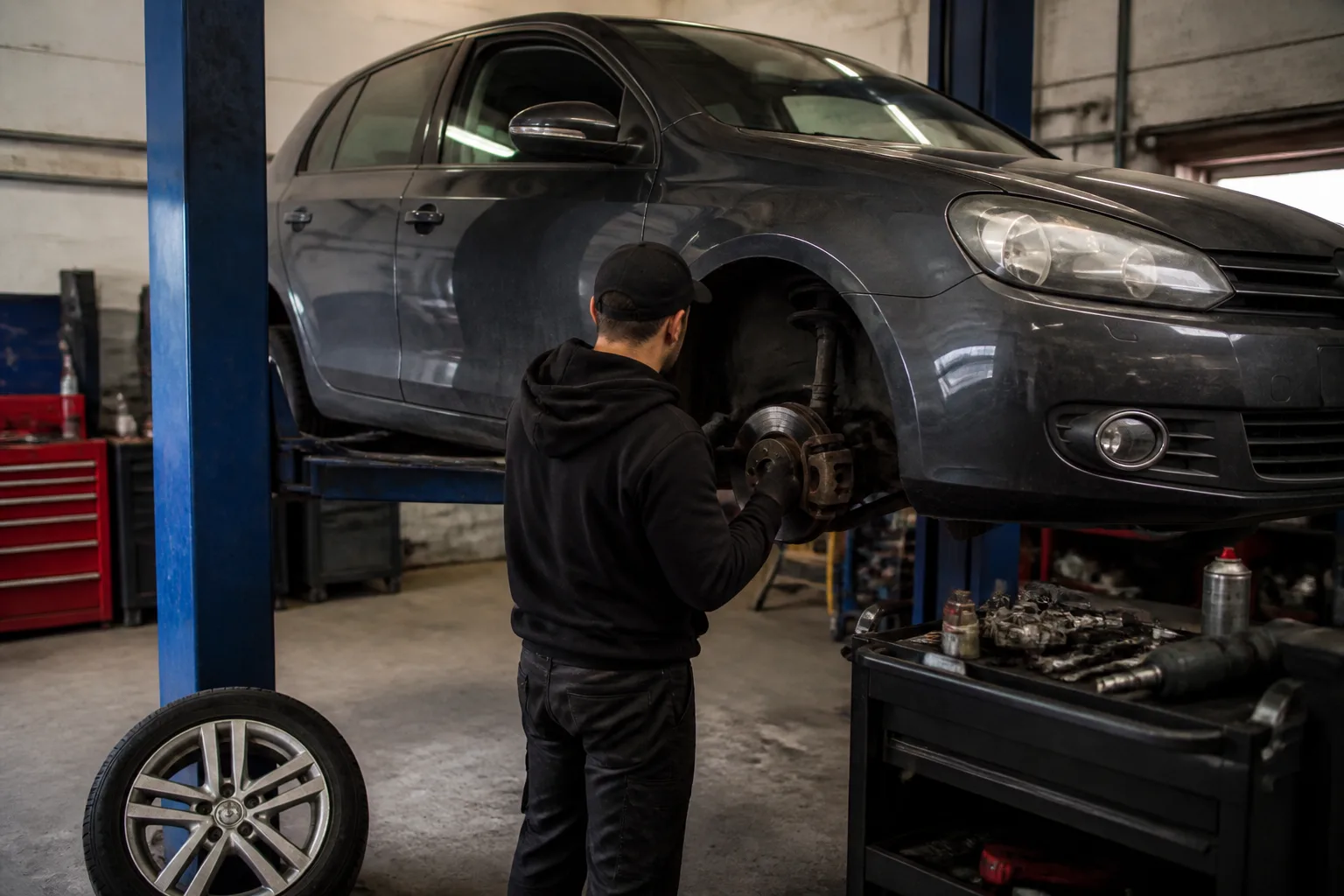
Wheel bearings are important parts of a car’s running gear, but they are easy to overlook because they normally work quietly in the background. They allow each wheel to rotate smoothly while supporting the weight of the vehicle and dealing with forces from braking, cornering and uneven roads.
Like any mechanical component, a wheel bearing can wear or become damaged. A failing bearing may produce a humming, rumbling or growling noise, although noise from tyres, brakes and other parts can sound similar. That is why a proper inspection is more reliable than trying to identify the fault from sound alone.
What is a wheel bearing?
A wheel bearing is a set of hardened metal balls or rollers held between inner and outer races. The bearing sits between the wheel and the part of the vehicle that supports it, allowing the wheel to turn with as little friction as possible.
Modern cars commonly use sealed hub bearing assemblies. Depending on the vehicle, the bearing may be built into a hub unit or fitted as a separate component. The exact arrangement varies between makes and models, but the purpose is the same: to let the wheel rotate smoothly and remain correctly supported.
Wheel bearings are different from engine bearings and should not be confused with suspension bushes. They are part of the wheel hub and are closely connected with the vehicle’s braking and suspension systems.
How do wheel bearings fail?
Wheel bearings are designed to last a long time, but they are exposed to heavy loads, vibration, water and road dirt. Common causes of failure include:
- Normal wear: The bearing surfaces can gradually wear as the vehicle is driven.
- Impact damage: A pothole, kerb strike or collision can damage the bearing or its surrounding hub.
- Water and dirt ingress: A damaged seal can allow contamination into a sealed bearing, reducing lubrication and accelerating wear.
- Excessive load: Regularly carrying heavy loads or towing can place additional stress on wheel bearings.
- Incorrect fitting: A bearing or hub assembly can be damaged by poor installation or incorrect tightening during previous work.
- Related component problems: Issues with the hub, driveshaft, brakes or suspension can put extra strain on the bearing or create similar symptoms.
There is no single mileage at which every wheel bearing needs replacing. Its service life depends on the vehicle, driving conditions, component quality, load and maintenance history.
What are the signs of a failing wheel bearing?
The most familiar warning sign is a humming, rumbling or droning noise that becomes more noticeable as road speed increases. It may change when the vehicle corners because the load on the wheel changes. Some drivers describe the sound as similar to tyre noise, which is one reason a bearing fault can be difficult to identify without an inspection.
Other possible symptoms include:
- Noise that rises and falls with vehicle speed rather than engine speed
- A rough or grating sensation from a wheel area
- Vibration through the steering wheel or vehicle body
- Unusual looseness or play at a wheel
- Uneven tyre wear, although this can have many other causes
- An ABS or traction-control warning light on some vehicles
These signs do not prove that a wheel bearing has failed. Unevenly worn tyres can create a humming sound, while a damaged tyre, brake problem, worn suspension joint or driveshaft may cause noise or vibration. A warning light may also relate to an ABS sensor or another control-system fault rather than the bearing itself.
Is a noisy wheel bearing safe to drive on?
A noise that might be linked to a wheel bearing should not be ignored. A bearing may remain usable for a period while becoming noisier, but it is not possible to judge its condition or remaining life reliably from the noise alone.
If you notice significant wheel play, severe grinding, a sudden change in handling, strong vibration, smoke or unusual heat from a wheel, stop driving when it is safe to do so and arrange professional assistance. These symptoms could indicate a more serious wheel, brake, tyre or suspension problem. Continuing to drive may affect vehicle control or cause further damage.
For a mild, developing noise without changes in handling, arrange an inspection promptly and avoid treating the vehicle as safe simply because it still drives normally. If the noise is accompanied by steering problems, braking concerns or tyre damage, the vehicle should not be driven to a garage unless a competent professional has confirmed that it is safe.
How is a wheel bearing checked?
A garage will normally assess the reported noise, inspect the relevant wheel and check the bearing and surrounding components. This can include checking for play, roughness and damage, along with examining the tyre, brake assembly, hub, suspension and driveshaft where relevant.
A road test may help identify whether the noise changes with speed or cornering, but it is not always conclusive. Some bearing noises are subtle, and road surfaces can make them harder to hear. A trained technician can compare the symptoms with the vehicle’s condition and avoid replacing a bearing when another part is more likely to be responsible.
Do not rely on lifting a vehicle and spinning a wheel by hand as a complete diagnosis. A worn bearing may not feel obviously rough in that basic check, and raising a vehicle safely requires the correct equipment and procedure. Wheel hubs and bearings can also be integrated with ABS sensors, so careless handling can create additional faults.
What does replacing a wheel bearing involve?
The work depends on the vehicle design. Some cars use a complete hub assembly that can be replaced as one unit. Others use a separate bearing that must be removed and pressed into the hub or suspension component with suitable equipment.
Replacement may also involve checking the hub, wheel-speed sensor, driveshaft mounting and braking components. Fasteners need to be fitted and tightened to the vehicle manufacturer’s requirements. Because the wheel hub is part of the vehicle’s safety-critical running gear, this is not a sensible repair to attempt without the correct tools, information and experience.
If your car is making a new humming or rumbling noise, Ashton’s Garage can inspect the vehicle and help establish whether the cause is a wheel bearing or another component. An accurate diagnosis helps prevent unnecessary parts replacement and gives you a clearer view of whether the vehicle is safe to continue using.
Wheel bearing noise compared with other faults
Several faults can sound alike, so the pattern of the symptom matters:
- Wheel bearing: Often produces a speed-related hum, rumble or growl that may alter during cornering.
- Tyre noise: Can be caused by uneven tread wear and may vary with road surface. It may also be linked to alignment, inflation or suspension problems.
- Brake fault: May cause scraping, squealing, vibration or pulling, particularly when the brakes are applied.
- Driveshaft or CV joint: May cause clicking or knocking, especially during steering or acceleration.
- Suspension issue: Can cause knocking, instability or uneven tyre wear rather than a steady road-speed hum.
These are general patterns, not a remote diagnosis. If you are also noticing brake vibration or the car pulling to one side, our guides on why a car can pull to one side when braking and why a steering wheel can shake when braking may help explain other possible causes. For brake wear symptoms, you can also read the signs that brake pads may need replacing.
Key points to remember
Wheel bearings allow the wheels to rotate smoothly and support the vehicle under demanding conditions. A new hum, rumble, vibration or sign of wheel looseness deserves attention, but those symptoms can come from several different faults. Do not assume the bearing is the cause without an inspection.
Where there is severe noise, wheel play, handling change, overheating, tyre damage or a braking concern, stop driving if it is unsafe to continue and seek professional advice. For less severe symptoms, arranging an inspection early can help identify the problem before it affects other components.
Frequently asked questions
How long do wheel bearings usually last?
There is no fixed replacement interval for every vehicle. Life depends on the bearing design, road conditions, loads, impacts, sealing and previous repairs. A bearing should be assessed when symptoms appear rather than replaced solely at a particular mileage.
Can a wheel bearing noise disappear?
The noise may change with road surface, temperature, speed or cornering, but that does not mean the underlying problem has gone away. A changing or intermittent noise should still be investigated.
Can I drive with a noisy wheel bearing?
A mild noise should be checked promptly because its cause and severity cannot be confirmed remotely. Do not continue driving if there is wheel play, severe grinding, strong vibration, a handling change, smoke, unusual heat or another sign that the vehicle may be unsafe.
Are wheel bearings part of the suspension?
Wheel bearings are part of the wheel hub and running gear rather than the suspension itself. They work alongside suspension, steering, brakes and tyres, so faults in those systems can sometimes create similar symptoms.
Can uneven tyres sound like a bad wheel bearing?
Yes. Uneven tread wear can produce a humming or droning noise that changes with speed. A garage inspection can compare the tyre condition with the hub, bearing and other components before recommending repairs.
Related advice
Can You Drive With a Bulge in a Tyre?
A bulge or bubble in a tyre sidewall is a warning of internal damage. Find out why it happens, whether it is safe to drive and what to do next.
What Causes Tyre Sidewall Cracks?
Tyre sidewall cracks can be caused by age, sunlight, low pressure, impact or chemical damage. Learn what the cracks may mean and when professional inspection is needed.
Why Does My Car Vibrate at Motorway Speeds?
A vibration that appears at motorway speeds can come from the tyres, wheels, brakes, steering or suspension. Here is how the symptoms can help point to the likely area, and when your car should be inspected.