
Can You Drive With a Bulge in a Tyre?
A bulge or bubble in a tyre sidewall is a warning of internal damage. Find out why it happens, whether it is safe to drive and what to do next.
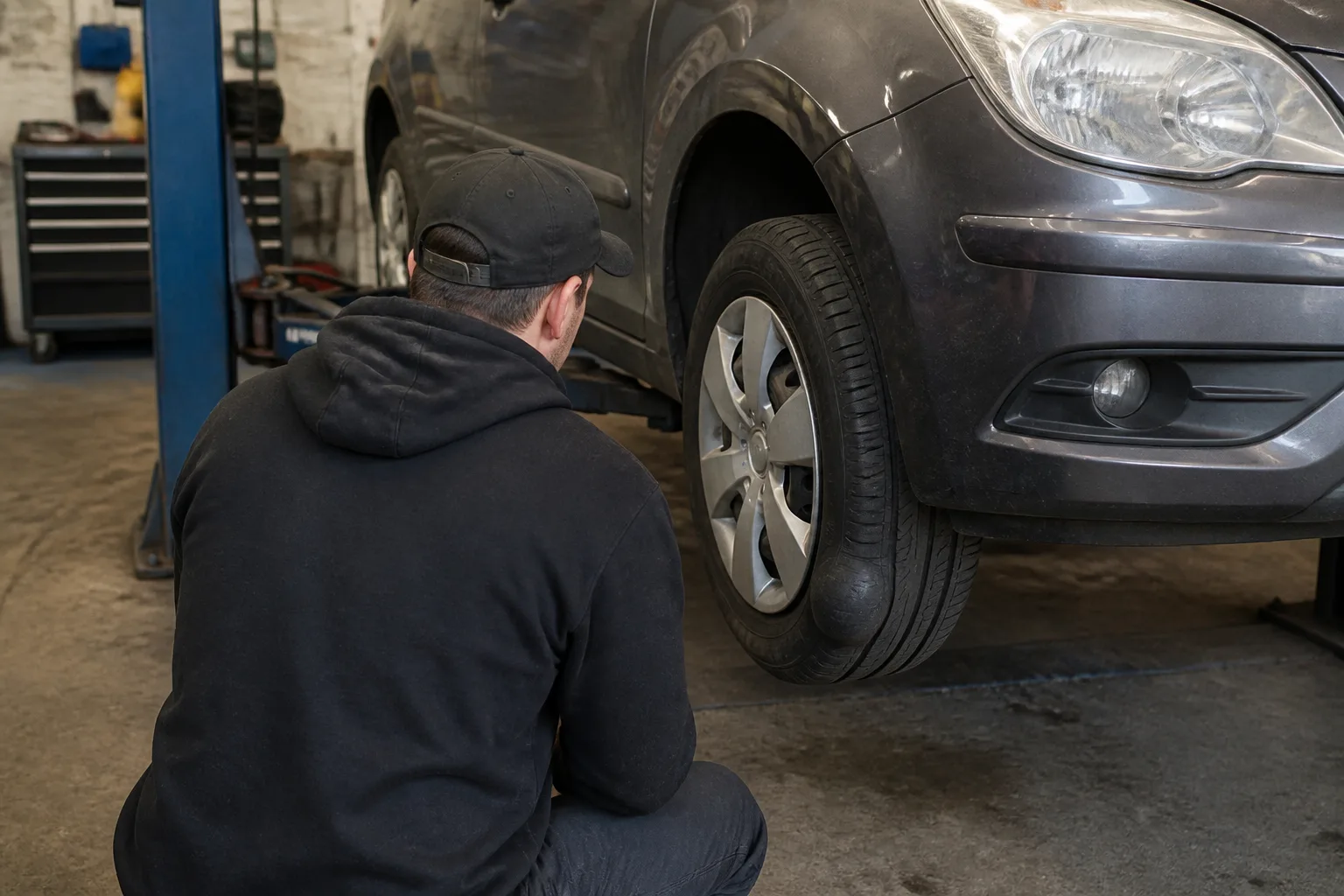
A bulge in a tyre is not something to ignore. If you can see a bubble or raised area on the sidewall, the tyre may have suffered internal damage and could be at risk of sudden failure.
So, can you drive with a bulge in a tyre? In most cases, no. The safest approach is to avoid driving on it and arrange a professional inspection or tyre replacement. A sidewall bulge cannot normally be repaired safely because the damage is inside the tyre rather than a simple puncture in the tread.
What does a bulge in a tyre mean?
A tyre bulge, sometimes called a bubble, usually means that the internal cords have been damaged. These cords help the tyre keep its shape and withstand pressure. If they are broken or weakened, the air pressure can push the rubber outwards, creating a visible lump.
The damage is often found on the sidewall, although a raised area can sometimes appear closer to the shoulder of the tyre, where the tread meets the sidewall. Either location deserves attention. It is not the same as the normal moulded shape of a tyre or a small rim-protector ridge, which should be even and consistent around the wheel.
Why do tyre bulges happen?
The most common cause is a heavy impact. Hitting a pothole, kerb or raised drain cover can pinch the tyre against the wheel and damage the internal structure. This can happen even when the tyre does not lose air immediately.
Other possible contributing factors include driving with an unsuitable tyre pressure, overloading the vehicle or striking an object at an awkward angle. Age, wear and previous damage may also affect a tyre's condition, but a visible bulge should not be treated as normal wear.
It is not always possible to identify the exact cause just by looking at the tyre. The wheel may also have been bent by the same impact, and the tracking, suspension or steering components could need checking if the car has hit a serious pothole or kerb.
Is it safe to drive with a tyre bulge?
A bulging tyre should be treated as unsafe to drive on. The damaged internal structure may not be able to contain the tyre's air pressure reliably. Continued driving, particularly at higher speeds or with a heavily loaded vehicle, can increase the risk of the damage worsening.
A sudden tyre failure can affect steering and control. That is why it is not sensible to carry on driving normally to see whether the bulge gets bigger. Do not rely on the fact that the tyre still feels firm or is not losing air. Internal damage can be present without an obvious puncture.
If you notice a bulge before setting off, leave the vehicle parked if it is safe to do so and contact a garage, tyre specialist or breakdown provider. If the damaged tyre is on the car and you are already on the road, reduce risk by stopping somewhere safe as soon as practical. Avoid hard braking, sharp steering and further travel on the affected tyre.
Can a bulging tyre be repaired?
Usually, a sidewall bulge is not repairable. Puncture repairs are intended for specific types of damage in the repairable area of the tread. A bulge indicates a structural problem, so applying a patch, sealant or similar product does not restore the tyre's internal strength.
The usual remedy is to replace the damaged tyre. The replacement must be the correct size, load rating and speed rating for the vehicle. These details are printed on the tyre sidewall and are also listed in the vehicle handbook, but matching the specification should be left to a competent professional if you are unsure.
It is also sensible to have the wheel and nearby suspension components checked, especially if the bulge followed a pothole or kerb impact. A new tyre may not address a bent wheel or another underlying problem.
What should you check if you find a bulge?
There are a few safe checks you can make without attempting a repair:
- Look at the whole sidewall and tread for bulges, cuts, splits or exposed material.
- Check whether the tyre appears to be losing air, but do not press or squeeze a damaged area.
- Look at the wheel for obvious dents or damage.
- Consider whether the vehicle recently hit a pothole, kerb or other obstruction.
- Check the other tyres for similar damage, particularly if the car has been driven with incorrect pressures or carried a heavy load.
Do not remove the tyre from the wheel, try to push the bulge back in or use a puncture repair kit as a permanent solution. Those actions cannot safely restore damaged internal cords.
Could a bulge be something else?
Not every change in shape is necessarily a tyre bulge. Some tyres have an intentional rim-protection feature that forms a regular ridge close to the wheel. However, a sudden-looking lump, localised bubble or uneven swelling is different and should be treated cautiously.
It can be difficult to distinguish a harmless design feature from structural damage when viewing the tyre at home. If you are uncertain, do not assume it is safe simply because the tyre is holding pressure. An inspection can establish whether the tyre needs replacing and whether the wheel or suspension has also been affected.
What happens at a garage inspection?
A technician will normally assess the damaged tyre, inspect the wheel and consider any related damage from the impact. They can confirm the correct replacement specification and check whether the tyre on the opposite side of the axle is significantly different in condition or wear.
The inspection may also identify an issue that was not obvious from the outside, such as a bent wheel or a steering and suspension concern. This is particularly important if the vehicle now pulls to one side, the steering wheel is no longer centred, or there is vibration after the impact.
If braking symptoms are present as well, our guides on how long brake pads last and signs your brake pads need replacing may help explain what to look out for. They do not replace an inspection when a car is difficult to control or showing a safety-critical fault.
When should you contact a garage?
Contact a garage promptly if you see a bulge, feel a new vibration, notice a change in steering or suspect that a tyre has been damaged by a pothole. If the affected tyre is losing pressure, visibly split or fitted to a vehicle that is difficult to steer, do not continue driving it. Recovery may be safer than travelling to a workshop.
Ashton's Garage can inspect the tyre and related wheel-area components and advise whether a replacement or further checks are appropriate. You can find the relevant car repair service in Salisbury here. The important point is not to treat a bulge as a cosmetic defect. It is a warning that the tyre's structure may no longer be dependable.
Summary
Driving with a bulge in a tyre is not recommended. A visible bubble usually points to internal structural damage, and the tyre will generally need replacing rather than repairing. Avoid normal driving, arrange a professional inspection and have the wheel and surrounding components checked after a pothole or kerb impact.
Frequently asked questions
Can I drive a short distance with a bulge in my tyre?
It is best not to drive on a tyre with a visible bulge, even for a short distance. Arrange an inspection, tyre replacement or suitable breakdown assistance instead.
Does a tyre bulge mean I have a slow puncture?
Not necessarily. A bulge usually indicates damage to the tyre's internal structure. It may lose air, but a tyre can also remain inflated while still being unsafe.
Can a tyre sidewall bulge be repaired with a puncture kit?
No. A puncture kit does not restore damaged sidewall cords and should not be used as a permanent solution for a bulging tyre. The tyre will normally need replacing.
Should I replace the wheel as well as the tyre?
Not always, but the wheel should be checked, particularly if the bulge followed a pothole or kerb impact. A technician can identify whether it is bent or otherwise damaged.
Can a tyre bulge appear without hitting a pothole?
Yes. Impact damage is common, but incorrect pressure, overloading, wear or earlier damage may also contribute. The exact cause may not be clear without an inspection.
Related advice
What Causes Tyre Sidewall Cracks?
Tyre sidewall cracks can be caused by age, sunlight, low pressure, impact or chemical damage. Learn what the cracks may mean and when professional inspection is needed.
Why Does My Car Vibrate at Motorway Speeds?
A vibration that appears at motorway speeds can come from the tyres, wheels, brakes, steering or suspension. Here is how the symptoms can help point to the likely area, and when your car should be inspected.
What Are Wheel Bearings and How Do They Fail?
Wheel bearings help your wheels rotate smoothly and support the vehicle’s weight. Learn what they do, how they fail, the warning signs to watch for and when professional inspection is sensible.