Why Does My Car Pull to One Side While Driving?
If your car drifts or pulls to one side, the cause could be as simple as tyre pressure or as serious as a brake, steering or suspension fault. Here is what to check and when to seek professional help.
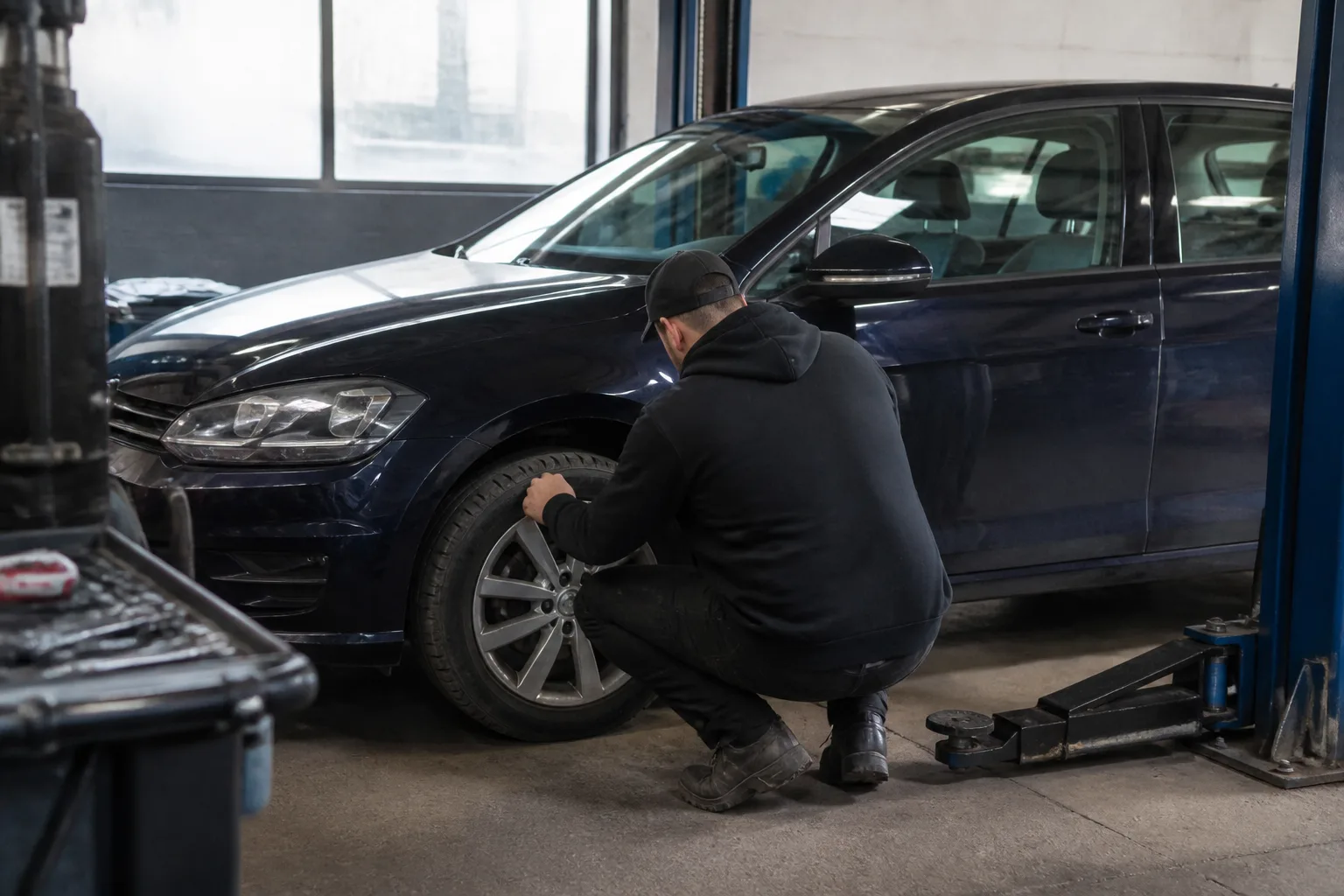
If your car pulls to one side while driving, it is worth paying attention rather than assuming the road is the cause. A slight drift can sometimes be influenced by the shape or slope of the road, but a persistent or sudden pull may point to a problem with a tyre, wheel alignment, brake, steering component or suspension.
It is not possible to identify the exact fault without inspecting the vehicle. However, the direction and timing of the pull can provide useful clues. Because these systems affect how the car steers, stops and stays stable, a noticeable change should not be ignored.
What does pulling to one side feel like?
Drivers use the word “pulling” to describe a few different symptoms. Your car may gradually drift left or right when you loosen your grip on the steering wheel, or it may require constant steering correction to travel straight. It may also move sharply to one side when you brake, accelerate or drive over an uneven surface.
A small amount of movement can be caused by the camber of the road. UK roads are generally shaped to help water drain away, so a car may feel as though it gently moves towards the kerb on some stretches. This should not normally be a strong, consistent pull on a reasonably level road.
Common reasons a car pulls to one side
Unequal tyre pressures
Different pressures on the left and right sides can alter the way the tyres meet the road. A tyre with low pressure may create extra rolling resistance, making the car drift towards that side. It can also affect handling and increase tyre wear.
Check the pressures when the tyres are cold and use the vehicle manufacturer’s recommended figures, usually found in the handbook or on a label around the driver’s door area. Do not rely on the appearance of the tyre alone. A pressure difference is not always obvious by looking at it.
A damaged or unevenly worn tyre
A tyre may pull the car to one side if it has uneven tread wear, internal damage, a bulge or another defect. Uneven wear can be linked to alignment or suspension problems, so replacing the tyre alone may not resolve the underlying issue.
Look for visible damage and compare the tread wear across the tyres, without attempting to repair or dismantle anything. If you see a bulge, deep cut, exposed cord or a rapid loss of pressure, do not continue driving unnecessarily. A damaged tyre should be assessed promptly by a qualified professional.
Wheel alignment problems
Wheel alignment describes the angles at which the wheels sit in relation to the road and to one another. If an alignment angle is outside its intended range, the car may pull, the steering wheel may sit off-centre or the tyres may wear more quickly on one edge.
Alignment can be affected by hitting a pothole or kerb, although wear in steering or suspension components can also be involved. A wheel alignment check is more useful than simply adjusting the steering wheel position, because the cause of the incorrect angle needs to be understood.
A brake that is not releasing properly
If the car pulls mainly when braking, a brake fault becomes more likely. One brake may be applying more strongly than the brake on the opposite side, or a brake may not be releasing fully. This can cause the vehicle to move towards one side and may be accompanied by a burning smell, unusual heat from one wheel, a change in pedal feel or a grinding noise.
Braking problems can affect road safety. If the pull is strong, the car feels unstable, or you notice heat, smoke or a warning light, stop in a safe place and arrange professional assistance rather than continuing your journey.
For more information about brake-related symptoms, see our guides to why a car pulls to one side when braking and signs your brake pads may need replacing.
Worn steering or suspension components
Steering and suspension parts help the wheels stay correctly positioned while the car is moving. Wear or damage in components such as a suspension joint, bush or steering linkage can affect straight-line stability and may make the car feel vague, unsettled or difficult to control.
Other possible clues include knocking over bumps, uneven tyre wear, excessive movement after hitting a rough surface or a steering wheel that no longer returns naturally after a turn. These symptoms need an inspection rather than guesswork. Suspension and steering faults can worsen and may affect the vehicle’s roadworthiness.
What can you safely check yourself?
There are a few basic observations you can make without carrying out repairs:
- Check that the tyre pressures match the manufacturer’s recommendations.
- Look for visible tyre damage, bulges or unusually low pressure.
- Notice whether the pull happens all the time or only during braking, acceleration or on certain roads.
- Check whether the steering wheel is noticeably off-centre when travelling straight.
- Pay attention to warning lights, unusual noises, burning smells or changes in brake pedal feel.
Only make these checks when the car is parked safely. Do not place any part of your body under a vehicle supported only by a jack, and do not attempt to adjust brakes, steering or suspension components without the correct equipment and knowledge.
When should you stop driving?
A sudden or severe pull should be treated more seriously than a mild, long-standing drift. Stop driving and arrange an inspection if the steering becomes difficult to control, the car moves sharply during braking, a tyre is visibly damaged, a warning light appears, or you notice smoke, burning smells or unusual heat from a wheel.
If the vehicle remains controllable but the pull is persistent, arrange a garage inspection soon. Continuing to drive may increase tyre wear and could allow a developing brake, steering or suspension fault to become more serious.
How a garage can investigate the problem
A technician will normally consider the tyres, wheels, brakes, steering and suspension as a connected system rather than assuming that alignment is automatically the answer. The inspection may include checking tyre condition and pressures, looking for uneven wear, assessing brake operation and examining relevant steering and suspension components.
If the cause is not obvious, the technician may need to compare the symptoms during a controlled road test and then carry out further checks. The aim is to identify why the car is pulling, not simply to correct one symptom while leaving a worn or damaged part in place.
If your car is pulling to one side and you are unsure whether it is safe to drive, Ashton’s Garage can inspect the relevant tyres, brakes, steering and suspension systems and explain what needs attention. You can also read about how long brake pads last if your concern is connected with braking.
Summary
A car that pulls to one side may have an easy-to-correct cause, such as unequal tyre pressures, but it can also indicate a tyre defect, alignment issue or fault affecting the brakes, steering or suspension. Check the basic points safely, take sudden or severe symptoms seriously, and arrange a professional inspection if the behaviour continues or the vehicle does not feel secure.
Frequently asked questions
Is it normal for a car to pull slightly towards the kerb?
A small drift can sometimes be caused by the slope or shape of the road. However, a strong, persistent or new pull should be checked, particularly if the steering wheel is off-centre or the tyres are wearing unevenly.
Why does my car pull to one side only when braking?
A braking pull can be linked to unequal braking force, a brake that is not releasing correctly, or another brake, tyre or suspension issue. Because braking affects safety, a strong pull or change in braking behaviour should be inspected promptly.
Can low tyre pressure make a car pull to one side?
Yes. A tyre with lower pressure can create more rolling resistance and may make the car drift towards that side. Check pressures when the tyres are cold and use the vehicle manufacturer’s recommended figures.
Is wheel alignment the most likely cause?
Wheel alignment is one possibility, especially after a pothole or kerb impact, but it is not the only one. Tyre damage, uneven wear, brake faults and worn steering or suspension components can produce similar symptoms.
Can I keep driving if my car is pulling to one side?
If the pull is sudden, severe or accompanied by tyre damage, warning lights, unusual heat, smoke, burning smells or poor braking, stop somewhere safe and arrange professional assistance. A persistent but mild pull should still be inspected soon.
Related advice
When Does Wheel Alignment Need Checking?
Wheel alignment may need checking after a pothole impact, kerb strike, suspension work or unusual tyre wear. Learn the warning signs and when professional inspection is sensible.
Why Does the Steering Wheel Shake When Braking?
A steering wheel that shakes under braking can have several causes, from uneven brake discs to worn suspension or tyre problems. Here is what the symptom may mean and when to stop driving.
Signs Your Brake Pads Need Replacing
Learn the common signs of worn brake pads, what different brake noises and sensations may mean, and when your car needs a professional inspection.