Why Do My Headlights Dim While Driving?
Headlights that dim while driving can point to a charging, wiring or lighting fault. Here are the likely causes, safe checks and signs that your car needs professional attention.
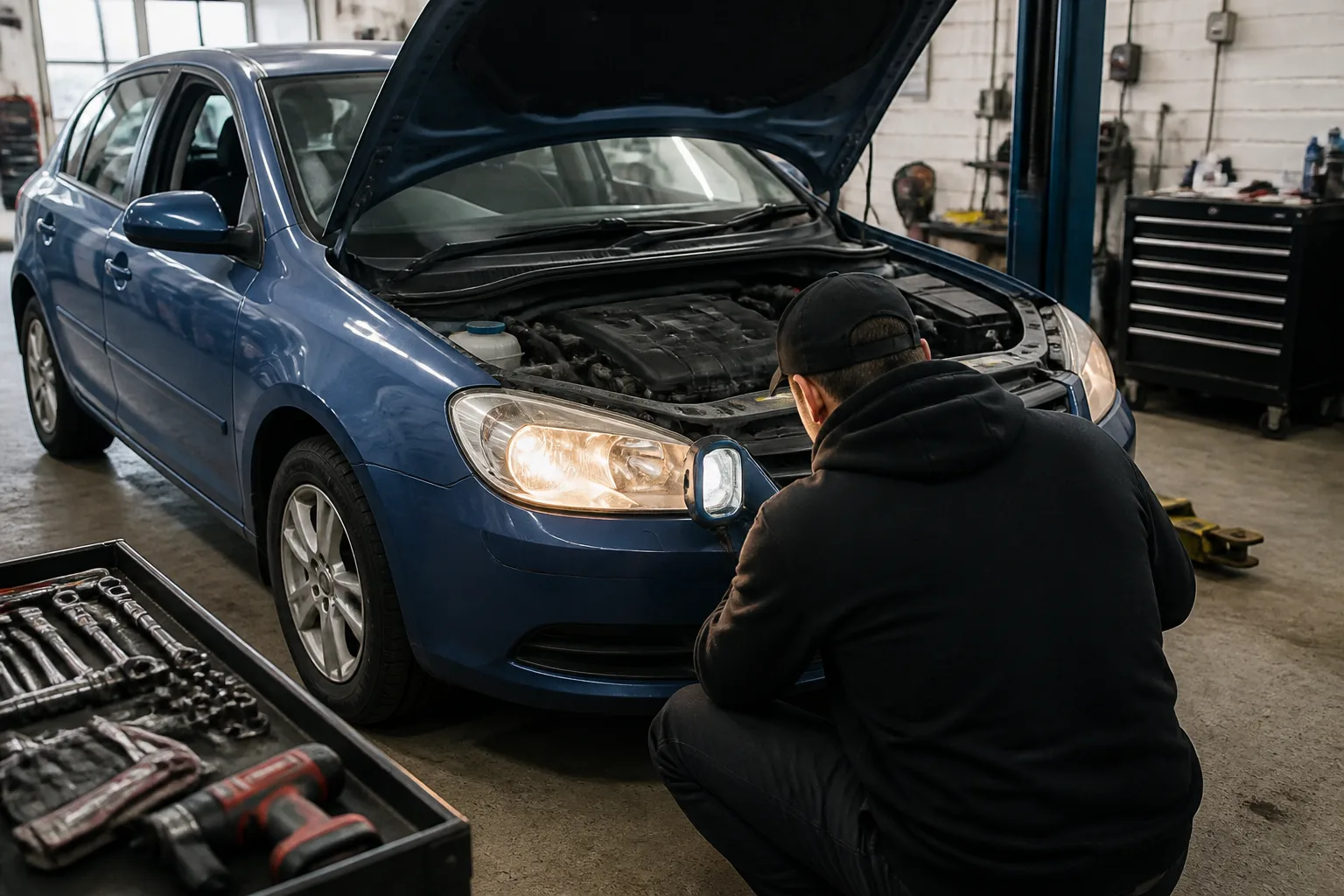
If your headlights dim while driving, it is worth taking the change seriously. A small, brief variation can sometimes happen as the car adjusts its electrical load, particularly when other systems switch on. However, headlights that become noticeably darker, flicker or change brightness repeatedly may indicate a problem with the charging system, wiring, connections or the lights themselves.
Because the headlights are important for seeing and being seen, do not treat persistent dimming as a minor cosmetic fault. The exact cause cannot be confirmed without checking the vehicle, but understanding the possibilities can help you decide what to do next.
What can cause headlights to dim while driving?
A charging system problem
The alternator supplies electrical power while the engine is running and helps keep the battery charged. If the alternator is not producing a stable supply, the vehicle may begin relying more heavily on the battery. The headlights can then become dimmer, especially when other electrical equipment is being used.
Possible charging-system issues include an alternator fault, a problem with the voltage regulator or a worn drive belt. The voltage regulator helps control the electrical output. If that control is unstable, the lights may brighten and dim rather than simply becoming steadily weaker.
A battery warning light or charging-system warning message may appear at the same time, although warning lights do not always provide a complete picture. You might also notice that the engine starts less confidently later, or that other electrical features behave unusually. For more background on related symptoms, see our guide to why a car battery keeps going flat.
Loose, dirty or damaged electrical connections
Electricity needs a reliable path between the battery, alternator, bodywork and individual components. A loose or corroded connection can increase resistance in that path. This may cause reduced lighting output or intermittent flickering, particularly when the vehicle moves over an uneven road.
Problems can affect battery terminals, earth connections or wiring to the front lights. An earth connection is the return path through the vehicle’s bodywork and wiring. If it is poor, several electrical systems may be affected, not just one headlight.
It is not always possible to see a poor connection from above. A terminal can look acceptable while still failing under load, so repeated dimming should be checked properly rather than judged by appearance alone.
A problem with the bulb or headlamp unit
If one headlight is dimmer than the other, the fault may be local to that lamp. Depending on the vehicle, possibilities include an ageing bulb, a poor bulb connection, damaged wiring, moisture inside the lamp or a problem with the headlamp unit.
Halogen bulbs gradually lose performance as they age, while LED and other headlamp systems have different components and controls. A single dim lamp is less suggestive of a whole-car charging fault, but it still needs attention because reduced light output can affect night-time visibility.
Normal electrical load changes
Some modern vehicles adjust alternator output and electrical demand as part of their energy-management system. The headlights may show a small change when the heated rear window, heater blower, cooling fan or other equipment switches on. This can be more noticeable at idle or on vehicles with certain lighting systems.
A slight, occasional change does not automatically mean that a component has failed. The important points are how large the change is, how often it happens and whether other symptoms are present. A pronounced dip, rapid flickering or a change that is getting worse should not be dismissed as normal operation.
What should I do if the headlights dim on the road?
First, consider the conditions. If the lights dim briefly when an electrical accessory operates and then return to normal, make a note of what happened. If they remain dim, flicker repeatedly or both headlights become significantly weaker, reduce your reliance on the vehicle until it has been assessed.
If this happens at night, in poor weather or on an unlit road, find a safe place to stop as soon as it is practical. Avoid continuing a journey if you cannot see properly or if the vehicle appears to be losing electrical power. If a battery warning light comes on, the engine temperature rises, steering assistance changes or several systems begin to shut down, stop in a safe location and seek appropriate assistance.
Do not attempt to repair charging-system wiring or dismantle a headlamp at the roadside. Some vehicles use high-voltage lighting systems or sensitive electronic controls, and the underlying fault may be more serious than a replacement bulb.
Safe checks you can make
There are a few useful observations you can make without carrying out a repair:
- Note whether one headlight or both headlights are affected.
- Check whether the dimming occurs at idle, during acceleration, over bumps or when electrical accessories are switched on.
- Look for a battery, charging or other warning message on the dashboard.
- Notice whether the interior lights, dashboard display, wipers or other electrical equipment also flicker.
- From outside the car, check whether a lamp appears cracked, wet inside or visibly damaged, without touching hot components.
It is sensible to avoid repeatedly revving the engine or switching systems on and off to reproduce the fault. That may not reveal the cause and could leave you with a flat battery if the charging system is not working correctly.
Can I keep driving with dim headlights?
That depends on the severity and the other symptoms, but persistent dimming should be treated as a roadworthiness and reliability concern. If visibility is reduced, the lights are flickering heavily or the car is showing signs of losing electrical power, continued driving may be unsafe.
A charging fault can leave the vehicle unable to restart once the battery has discharged. It can also affect other electrical systems. A lighting fault may be limited to one lamp, but you should still avoid night driving until you are confident that the road ahead is being illuminated adequately.
If the vehicle has also been slow to start, our article on why a car may not start explains some of the wider symptoms to look out for. If the engine turns over but does not run, see our guide to why a car can crank but not start.
How a garage can find the cause
A proper inspection can separate a charging fault from a lamp, wiring or connection problem. A technician may assess the battery and charging system under suitable operating conditions, inspect relevant connections and wiring, and compare the operation of the lamps. The checks used will depend on the vehicle’s design and the symptoms reported.
That matters because replacing a bulb will not solve an unstable alternator, and replacing a battery will not correct a damaged cable or poor earth. Finding the cause first helps avoid replacing parts unnecessarily and gives you a clearer answer about whether the vehicle is safe to use.
If your headlights are dimming while driving, Ashton’s Garage can inspect the lighting and electrical systems and explain the likely repair in straightforward terms. You can find the relevant service information on our car repairs page. There is no need to guess at the fault, particularly if the change is persistent or accompanied by warning lights.
In summary
Headlights that dim while driving may be caused by normal electrical load changes, but noticeable or repeated dimming can indicate a charging-system fault, poor connection, damaged wiring or a problem with a lamp. Record when it happens, watch for other warning signs and avoid driving on if visibility or electrical reliability is being affected. A professional inspection is the sensible next step when the cause is not obvious.
Frequently asked questions
Why do both headlights dim at the same time?
Both headlights dimming together can suggest a change in the vehicle’s electrical supply, such as a charging-system issue, voltage-control problem or poor main connection. A small momentary change may occur when the electrical load changes, but repeated or pronounced dimming should be inspected.
Why is only one headlight dim?
One dim headlight is more likely to involve that lamp, its bulb, connector, wiring or headlamp unit. Moisture or damage inside the lamp can also affect its output. It still needs attention because uneven or reduced lighting can impair visibility.
Can a weak battery make headlights dim while driving?
A weak battery can contribute to electrical symptoms, particularly during starting, but the alternator normally supplies power while the engine is running. If the lights dim on the move, the battery and charging system should be assessed together rather than assuming the battery alone is responsible.
Is it safe to drive when headlights are flickering?
Flickering headlights can reduce visibility and may indicate an electrical fault that affects other systems. If the flickering is significant, continues, or occurs with warning lights or other electrical symptoms, stop somewhere safe and arrange professional assistance rather than continuing at night.
Could a loose connection cause dim headlights?
Yes. Poor battery, earth or lighting connections can increase resistance and cause dimming or intermittent operation. A connection may not look obviously faulty, so persistent symptoms are best checked with appropriate electrical testing.
Related advice
Why Does My Engine Make a Knocking Noise?
An engine knocking noise can come from anything from combustion problems to low oil or a loose exhaust part. Learn what the sound may mean, what you can safely check and when to stop driving.
Why Does My Engine Make a Ticking Noise?
A ticking engine can be harmless, but it may also point to an oil, exhaust, valve or timing problem. Learn what the sound could mean and when to arrange a professional inspection.
Why Does My Heater Blow Cold Air When the Engine Is Hot?
A car heater that blows cold air while the engine seems hot can point to low coolant, trapped air, a circulation problem or a fault inside the heating system. Here is what the symptoms may mean and when to arrange a professional inspection.