What Is Preventative Car Maintenance?
Preventative car maintenance means looking after your vehicle before a small issue becomes an expensive or unsafe fault. Here is what it includes and why it matters.
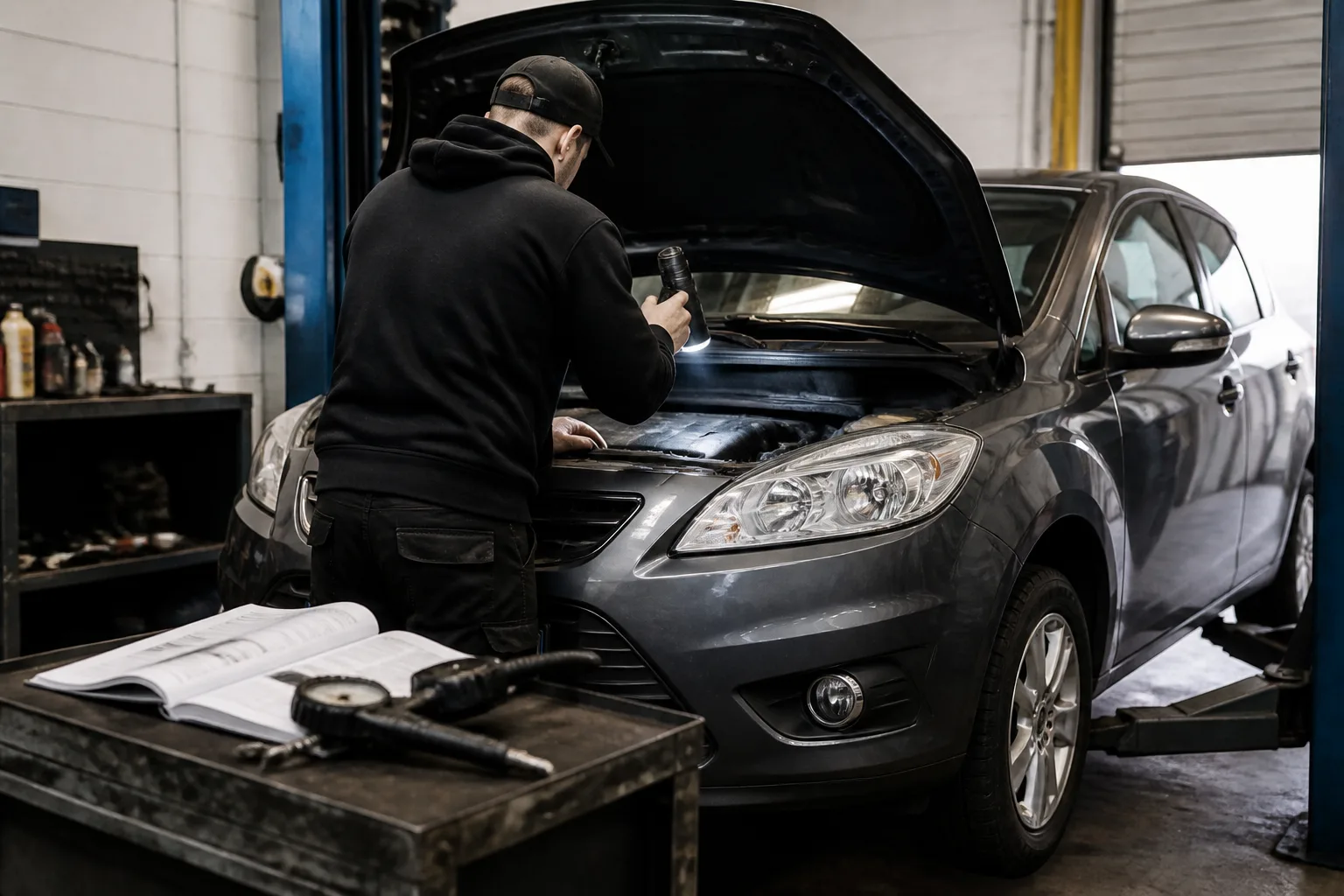
Preventative car maintenance is the routine care carried out to help keep a vehicle safe, reliable and efficient before problems become obvious. It includes servicing, checking fluid levels, monitoring tyres and responding to early warning signs rather than waiting for a breakdown or dashboard warning.
It is not about replacing every part at the first sign of wear. A sensible maintenance plan uses the vehicle manufacturer's recommendations, the car's age and mileage, its condition, and how it is used. A car that mainly makes short trips may need different attention from one that regularly travels long distances on motorways.
Why is preventative car maintenance important?
Most vehicle components do not fail without any prior change. Oil becomes contaminated, brake materials wear down, tyres lose pressure, batteries weaken and suspension parts can gradually develop play. These changes may be difficult to notice from the driver's seat at first.
Regular checks give a garage an opportunity to identify developing issues while they are easier to assess. That does not guarantee that a vehicle will never break down, but it can reduce the risk of avoidable faults and help you plan maintenance rather than facing an unexpected repair.
Preventative maintenance can also support:
- Safer braking, steering and handling
- More dependable starting and day-to-day running
- Better fuel economy where worn or poorly maintained components were affecting efficiency
- A clearer record of the vehicle's condition
- Fewer unpleasant surprises before long journeys or an MOT test
What does preventative car maintenance include?
Scheduled servicing
A service normally includes checks and maintenance based on the vehicle manufacturer's schedule. Depending on the car and service interval, this may involve engine oil and filter replacement, inspections of brakes, tyres, lights, steering, suspension and fluid levels, along with checks for fault codes or visible leaks.
The exact work should not be assumed from the word “service” alone. Service schedules vary between models, and some items are time-dependent while others are linked to mileage. Your service history and the manufacturer's information are useful starting points.
Tyre checks
Tyres should be checked for correct inflation, tread condition, uneven wear, cuts, bulges and objects lodged in the tread. Incorrect pressure can affect handling, braking and fuel consumption. Uneven wear may also indicate an issue with alignment, suspension or steering, so it should not simply be treated as a tyre problem.
If a tyre has a bulge, serious damage or a rapid loss of pressure, avoid driving on it. A tyre issue can affect roadworthiness and should be assessed promptly by a suitable professional.
Brakes, steering and suspension
Brake squeal, grinding, pulling to one side, vibration through the steering wheel, a change in pedal feel or unusual knocking can have several possible causes. They should not be diagnosed with certainty from a description alone.
These systems are safety-critical. If braking or steering feels significantly different, a warning light appears, or the vehicle is difficult to control, stop in a safe place and arrange professional inspection rather than continuing to drive and hoping the symptom clears.
Fluids and leaks
Engine oil, coolant, brake fluid, screenwash and other fluids all have different purposes. Fluid levels should be checked in accordance with the vehicle handbook and only when it is safe to do so. The correct specification matters, particularly for coolant and engine oil.
A new puddle, a persistent damp area, a burning smell or a falling fluid level needs attention. Coolant loss can lead to overheating, while a brake fluid leak may affect braking performance. If the temperature warning rises or the engine is overheating, stop as soon as it is safe and do not continue driving until the cause has been professionally assessed.
Battery and electrical checks
A battery that is slow to turn the engine over, needs repeated jump starts or causes electrical issues may be reaching the end of its useful life. However, poor starting can also be linked to the charging system, connections or another fault. Testing is more useful than replacing parts based on symptoms alone.
Lights, wipers, washers and warning lamps are also part of practical vehicle maintenance. A failed light or worn wiper can reduce visibility and should be dealt with rather than ignored.
What can a driver check safely?
There are a few straightforward checks most owners can carry out without dismantling anything:
- Look at the tyres and check their pressures using the figures supplied by the vehicle manufacturer.
- Check that exterior lights operate and that the number plate is visible.
- Check engine oil and screenwash levels as described in the handbook.
- Look for obvious fluid leaks or new damage around the vehicle.
- Pay attention to changes in sounds, smells, vibrations, warning lights or vehicle behaviour.
These checks are useful observations, not a substitute for a trained inspection. Do not work underneath a vehicle supported only by a jack, and do not open a hot cooling system. If you are unsure about a check, leave it to a garage.
How often should preventative maintenance be carried out?
There is no single interval that suits every vehicle. Use the manufacturer's service schedule as the main reference, then consider mileage, age and usage. Frequent short journeys, long periods parked outside, heavy loads, towing, dusty conditions and repeated stop-start driving can all place additional demands on a vehicle.
It is sensible to have the car checked before a long trip if you have noticed a change or if its service is due. An MOT is important, but it is not the same as a full service. An MOT assesses whether a vehicle meets the test requirements at the time of the test. Preventative maintenance is the wider, ongoing process of looking after the vehicle and identifying wear as it develops.
What is the difference between preventative and reactive maintenance?
Preventative maintenance is planned or prompted by early signs. Reactive maintenance happens after a component has failed or a fault has become serious enough to stop normal use. Some repairs will always be reactive because parts can fail unexpectedly, but regular maintenance may reduce the likelihood of smaller issues becoming larger ones.
For example, a service inspection might identify worn brake components before braking performance is noticeably affected. It does not mean that every worn part needs immediate replacement without assessment. A garage should explain what has been found, how important it is and whether the work is urgent, advisable or suitable to monitor.
Keep useful information for your garage
If you notice a change, make a note of when it happens, whether the engine is hot or cold, and whether it occurs during braking, turning, accelerating or starting. A photograph of a warning message or visible leak may also help. Our guide on what information to give a mechanic when reporting a fault explains how these details can make an inspection more productive.
If you are not sure whether a noise is significant, our advice on describing a strange car noise to a mechanic may help you record the symptoms clearly. Where a fault is intermittent or difficult to identify, a garage diagnostic can be considered, although testing is only one part of understanding the vehicle's condition.
When should you ask a garage to inspect the car?
Arrange professional advice when a warning light stays on, a fluid level keeps falling, the vehicle develops a new vibration or noise, or its braking, steering, starting or handling changes. The right response depends on the symptom and its severity, so avoid assuming that a car is safe to drive simply because it still starts.
Ashton's Garage can help assess maintenance concerns and explain what needs attention, what can be monitored and what may be sensible to plan next. If you would like to discuss a preventative maintenance check for your vehicle, you can contact the garage for practical advice.
Frequently asked questions
Is preventative car maintenance the same as a service?
Not exactly. A service is a scheduled maintenance visit based on the vehicle manufacturer's recommendations. Preventative maintenance is the broader habit of servicing the car, checking its condition and responding to early warning signs before they become major faults.
Can preventative maintenance prevent every breakdown?
No. Components can fail unexpectedly, even when a vehicle has been well maintained. Regular checks can, however, identify wear, leaks and developing faults that might otherwise be overlooked.
Does an MOT count as preventative maintenance?
An MOT is one part of responsible vehicle ownership, but it is not a replacement for servicing and ongoing checks. It is an assessment at a particular time, whereas preventative maintenance looks at the vehicle's condition throughout the year.
What should I do if my car develops a warning light or unusual noise?
Note when it happens and arrange suitable advice. If the symptom affects braking, steering, temperature, handling or another safety-critical system, stop when safe and seek professional inspection rather than continuing to drive.
Related advice
What to Do If Your Car Breaks Down Away From Home
Find out what to do if your car breaks down away from home, including how to stay safe, call for help and explain the problem to a recovery service or garage.
Car Maintenance for Rural Driving: A Practical Guide
Rural roads can place extra demands on your car. Learn which checks matter most, how to spot developing problems and when professional inspection is sensible.
What Happens During a Garage Inspection?
A garage inspection is more than a quick look under the bonnet. Here is what a mechanic may check, how findings are assessed and what you can expect from the process.