What Does an Alternator Do?
The alternator charges your car’s battery and supplies electricity while the engine is running. Here is how it works, the warning signs of a problem and when to arrange a garage inspection.
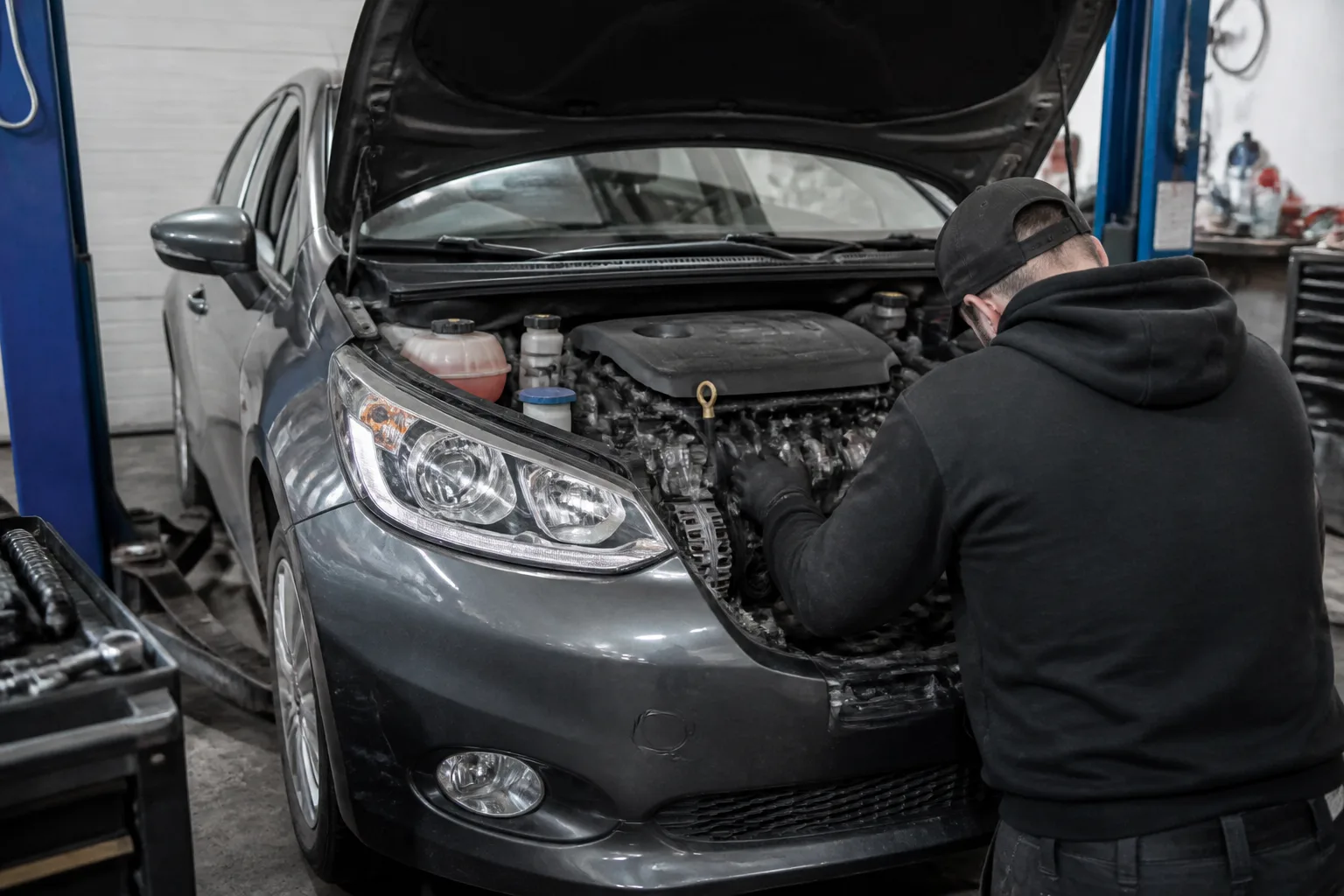
The alternator is an important part of your car’s electrical system. In simple terms, it generates electricity while the engine is running. That electricity powers equipment such as the lights, heater blower, infotainment system, engine management electronics and, importantly, the battery charging system.
Although it is often mentioned alongside the battery, the alternator and battery do different jobs. The battery supplies electrical power when the engine is being started and helps support the system when demand is high. The alternator takes over once the engine is running, supplying electricity and restoring charge to the battery.
If the alternator is not working correctly, a car may continue to run for a while using the battery’s remaining charge. Once that charge is used, however, the engine may stop and the vehicle may not start again.
How does an alternator work?
An alternator is driven by the engine through an auxiliary belt, sometimes called a serpentine belt. As the engine runs, the belt turns the alternator. Inside it, rotating magnetic components generate electrical current.
The alternator produces alternating current, or AC. Your car uses direct current, or DC, so the alternator contains a rectifier to convert the electricity into a suitable form. A voltage regulator controls the output to help keep the vehicle’s electrical system within the correct range.
This process happens continuously while the engine is running. The alternator’s output needs to cover the vehicle’s current electrical demand while also putting charge back into the battery. The amount of electricity available can vary with engine speed, the alternator’s condition and how much equipment is switched on.
What is the difference between an alternator and a battery?
The battery and alternator work as a pair, but they are not interchangeable.
- The battery stores electrical energy and provides the high current needed by the starter motor when you turn the key or press the start button.
- The alternator generates electricity once the engine is running and replenishes the battery’s charge.
A weak battery can make the engine difficult to start, especially after the car has been parked. An alternator problem can also leave the battery flat, which can make the two faults look similar. Testing is normally needed to establish whether the issue is with the battery, alternator, belt, wiring or another part of the charging system.
If your car has recently failed to start, our guide to why a car will not start explains some of the common possibilities. For a vehicle that cranks but does not fire, see why a car can crank but not start.
What are the signs of an alternator problem?
There is no single symptom that proves an alternator has failed, but several warning signs can justify a professional check.
Battery warning light
A battery-shaped warning light on the dashboard may indicate a charging system fault rather than a problem with the battery itself. It can be caused by the alternator, the auxiliary belt, wiring, a connection or the battery. Do not ignore it simply because the car still appears to be driving normally.
Dim or fluctuating lights
Headlamps or interior lights that become unusually dim, brighten with engine speed or flicker may point to an unstable electrical supply. Other electrical equipment can also behave unpredictably if the charging voltage is not correct.
Repeated flat batteries
If the battery keeps going flat even after it has been charged or replaced, the charging system should be checked. A battery may be losing its charge because it is worn out, because the alternator is not replenishing it properly or because there is an electrical drain when the vehicle is parked. Our guide to why a car battery keeps going flat covers these possibilities in more detail.
Unusual belt or electrical noises
A high-pitched squeal, whining sound or rough bearing noise from the front of the engine can be associated with the auxiliary belt system or alternator. Noise alone is not enough to identify the fault, but it should not be dismissed, particularly if it is getting worse.
Electrical smell or warning messages
A burning rubber or hot electrical smell may indicate belt slip, overheating or another fault. Some cars also display a charging system message or limit non-essential electrical functions when a problem is detected.
Can you drive with an alternator problem?
It depends on the fault and how the vehicle is behaving, but driving with a suspected charging problem is risky. The car may be relying on the battery and could lose power once its remaining charge is used. You could then be left unable to restart the engine.
There may also be wider safety implications. Depending on the vehicle, an electrical failure can affect lighting, engine management, electric power steering, driver assistance systems or other equipment. If the auxiliary belt has broken, it may also affect other components driven by that belt. On some engines, this can include the water pump, which could lead to overheating.
If the battery warning light is on, the lights are fading, the engine is overheating, there is a burning smell or the belt appears damaged, stop somewhere safe and arrange professional assistance. Avoid continuing to drive simply to see whether the warning clears. If the symptoms are minor and the vehicle is operating normally, arrange an inspection promptly rather than treating the warning as a routine service reminder.
How is an alternator fault checked?
A garage will usually consider the whole charging system rather than replacing parts based on one symptom. Checks may include the battery’s condition, charging output, belt condition, electrical connections, fuses and fault codes where relevant.
The technician may also inspect the alternator for signs of bearing wear, damage or overheating. A charging test under different electrical loads can help show whether the alternator is producing enough power. The results need to be interpreted in the context of the vehicle, because modern charging systems can vary their output and may not behave like older fixed-output systems.
Basic owner checks are limited to observing dashboard warnings, noticing changes in lights or electrical equipment and looking for obvious signs such as a damaged or missing auxiliary belt with the engine switched off. Do not reach into the engine bay while the engine is running, and do not attempt to adjust or remove the belt or alternator unless you have the correct training and equipment.
Can an alternator be repaired or does it need replacing?
The appropriate solution depends on the vehicle and the nature of the fault. Some alternators can be repaired or reconditioned, while others are replaced as a complete unit. A garage will also need to check whether a worn belt, tensioner, wiring fault or weak battery has contributed to the problem.
Replacing an alternator without checking the rest of the system may not solve a repeated flat-battery issue. Equally, fitting a new battery will not correct an alternator that is failing to charge it. This is why a proper charging-system assessment is more useful than relying on the battery warning light alone.
When should you ask a garage to help?
Arrange an inspection if you have a battery warning light, repeated starting problems, dimming lights, unusual belt noise or any other concern about the charging system. If the vehicle is losing electrical power, overheating or producing a burning smell, stop driving when it is safe to do so and seek professional assistance.
Ashton's Garage can assess charging and starting faults and explain what needs attention without assuming that the most expensive component is automatically at fault. If your car is showing these symptoms, you can find more information about car repairs in Salisbury and contact the garage to discuss the next sensible step.
Understanding what an alternator does is useful, but identifying the exact cause of a charging problem usually requires testing. Acting on the early warning signs can help prevent a breakdown and reduce the risk of being left with a car that will not restart.
Frequently asked questions
Does the alternator charge the battery while the car is running?
Yes. The alternator generates electricity while the engine is running and normally supplies the vehicle’s electrical systems while restoring charge to the battery.
How do I know if the battery or alternator is faulty?
The symptoms can overlap, particularly when the car will not start or the battery keeps going flat. Testing the battery, charging output, belt and electrical connections is the dependable way to separate the possible causes.
What does the battery warning light mean?
It usually indicates a problem with the charging system, which may involve the alternator, belt, wiring, battery or another component. It should be investigated rather than assumed to be a battery-only fault.
Can a bad alternator make a car overheat?
It can in some vehicles if the auxiliary belt drives both the alternator and the water pump. A broken belt may therefore cause charging failure and overheating, so stop safely if the temperature rises or an overheating warning appears.
Related advice
Why Does My Engine Make a Knocking Noise?
An engine knocking noise can come from anything from combustion problems to low oil or a loose exhaust part. Learn what the sound may mean, what you can safely check and when to stop driving.
Why Does My Engine Make a Ticking Noise?
A ticking engine can be harmless, but it may also point to an oil, exhaust, valve or timing problem. Learn what the sound could mean and when to arrange a professional inspection.
Why Does My Heater Blow Cold Air When the Engine Is Hot?
A car heater that blows cold air while the engine seems hot can point to low coolant, trapped air, a circulation problem or a fault inside the heating system. Here is what the symptoms may mean and when to arrange a professional inspection.