What Does a Broken Coil Spring Feel Like?
A broken coil spring can cause a clunk, uneven ride height, poor handling or tyre contact. Here is what to look for and when professional inspection is needed.
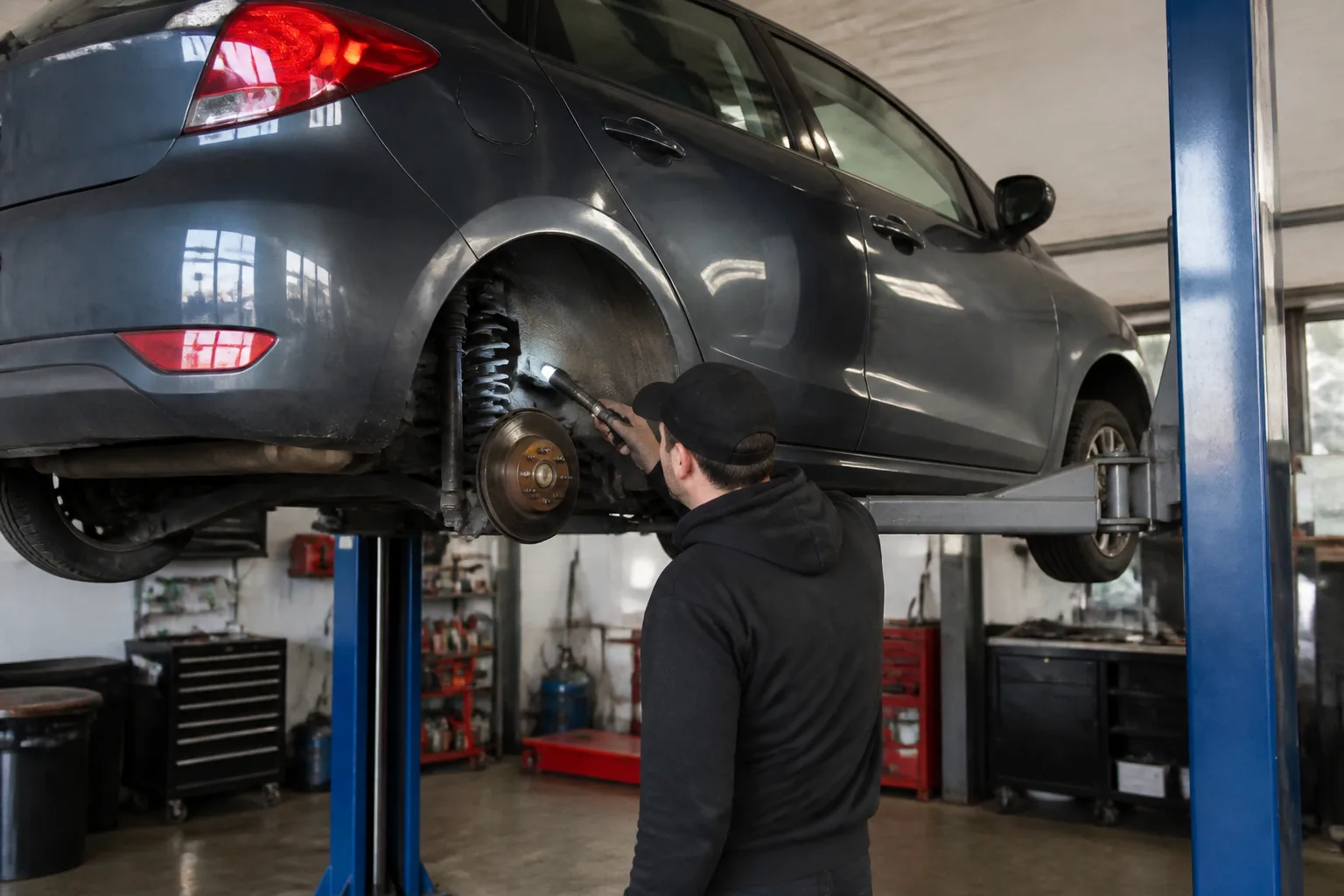
A broken coil spring does not always produce one clear warning. You might hear a sharp clunk over a bump, notice that one corner of the car sits lower than the others, or feel that the vehicle is no longer as settled as it should be. In some cases, the break is found during an inspection before the driver notices any change at all.
Coil springs are part of the suspension. They support the vehicle's weight and help keep the body at the correct height while the wheels move over uneven surfaces. They work alongside shock absorbers, which control bouncing and movement. A damaged spring can therefore affect more than comfort. It may alter the car's handling, ride height and clearance around the tyre.
This guide explains what a broken coil spring may feel like, what you can safely check from outside the car and why continued driving may not be sensible in some situations.
What does a broken coil spring feel like?
The symptoms depend on where the spring has fractured, whether the broken section is still in position and how badly the suspension geometry has changed. Common signs include the following.
A clunking or knocking noise
A broken spring may make a metallic clunk when you drive over a pothole, speed bump or uneven road. The noise can happen when the suspension compresses or extends. You may also hear a rattle if part of the broken spring has become loose.
However, a clunk is not proof that the coil spring is broken. Worn suspension bushes, damaged drop links, loose components and other faults can create similar noises. The sound needs to be assessed alongside the vehicle's ride height and handling.
One corner of the car sitting low
Look at the vehicle on level ground from a sensible distance. If one corner appears lower than the opposite side, a damaged or broken spring is one possible explanation. The difference may be easier to see by comparing the gap between each wheel and the wheel arch.
Do not rely on this check alone. Differences in the ground, tyre pressures, the load in the car or the vehicle's design can make one side appear slightly different. A spring can also fracture without causing an obvious lean.
A harsher or unsettled ride
You may feel more impact through the body of the car when driving over rough surfaces. The vehicle might feel less composed, particularly over repeated bumps. Some drivers describe the suspension as loose, unsettled or as though the car is not absorbing uneven roads in the usual way.
A harsh ride can also be caused by a damaged shock absorber, incorrect tyre pressures, worn bushes or unsuitable tyres. It is a sign that the suspension deserves attention, rather than a remote diagnosis of a broken spring.
Changes in handling or steering feel
A damaged spring can change the height and position of one corner of the vehicle. You may notice that the car feels less stable through bends, needs more steering correction or does not feel as balanced as before. The steering wheel may not return to its usual position in the same way after a turn.
Handling changes should be treated seriously. Suspension faults can affect how the tyres meet the road, especially during braking, cornering or sudden avoidance manoeuvres. If the car feels unstable, pulls noticeably, or responds differently to steering input, avoid driving it until it has been professionally checked.
Scraping or tyre contact
When a spring breaks, the loose end can sometimes move from its normal seat. In a more serious case, it may come close to the tyre or another suspension component. You might hear scraping or notice marks on the inside of the wheel or tyre.
Tyre contact is a particular concern because a sharp piece of metal can damage the tyre sidewall. If you can see a spring out of position, a sharp broken end, fresh damage or anything touching the tyre, do not continue driving. Arrange professional assistance instead.
Can a broken coil spring be difficult to notice?
Yes. Springs often break at the end of the coil, where the fracture may be partly hidden by the spring seat, dirt or surrounding suspension components. The car may still move and may not immediately feel unsafe at low speed. That does not mean the spring is sound or that it is safe to carry on using the vehicle normally.
Some breaks happen when the spring is under load and produce a noticeable bang. Others develop through corrosion and fatigue, with a smaller section eventually separating. British roads, winter moisture and road salt can all contribute to corrosion over time, although the condition of an individual spring cannot be judged accurately without inspection.
What can you safely check yourself?
There are a few basic observations that do not involve lifting the car or putting your hands near the suspension.
- Park on level ground and compare the ride height on the left and right sides.
- Look through the wheel at the visible spring area without touching or moving any component.
- Check for a loose metal section, an obvious gap in the coil or fresh marks near the tyre.
- Note when the noise occurs, such as over bumps, while turning or during braking.
- Check whether the car feels unstable, leans, pulls or responds differently from normal.
Do not jack the car up, remove a wheel or try to reposition a spring unless you have the proper equipment, training and safe working conditions. Coil springs store considerable energy. A spring that appears to be sitting in place can still move unexpectedly if the suspension is disturbed.
Is it safe to drive with a broken coil spring?
It may be unsafe, depending on the condition of the spring and the effect on the vehicle. A broken spring can alter ride height, reduce suspension travel, damage a tyre or affect the way the car handles. The risk is not limited to an uncomfortable ride.
Stop and arrange a professional inspection if you notice a severe lean, a loose or displaced spring, tyre contact, scraping, a sharp metal component, major handling changes or a sudden suspension noise. If the car feels unstable or steering and braking behaviour has changed, do not drive it to a garage simply because it still moves. Recovery may be the safer option.
If the symptom is only a mild occasional noise and the vehicle otherwise appears normal, arrange an inspection promptly and avoid potholes, high speeds and unnecessary journeys in the meantime. A garage can inspect the spring, its seats and nearby components, then check whether the shock absorber, tyre or suspension mounting has also been affected.
How is a broken coil spring dealt with?
A broken spring is normally replaced rather than repaired. In many vehicles, springs are replaced in pairs on the same axle so that the suspension characteristics remain reasonably balanced, although the correct approach depends on the vehicle, the condition of the other spring and the manufacturer's specifications.
The surrounding parts should also be checked. A broken spring may have damaged a spring seat, gaiter, tyre or nearby suspension component. The technician will need to make sure the new spring is seated correctly and that the vehicle is safe before it returns to the road.
It is worth keeping this separate from other suspension and braking symptoms. If braking behaviour is also different, our guides on signs your brake pads need replacing and why a car pulls to one side when braking explain some related warning signs. A steering shake under braking is covered in our guide to steering wheel shake when braking.
When should you contact a garage?
Professional inspection is sensible whenever you suspect a spring has broken, particularly if there is a visible change in ride height or a new noise from one corner. The cause may be something else, but suspension faults are difficult to identify reliably from inside the driver's seat.
Ashton's Garage can inspect the suspension and advise on the appropriate repair without assuming that every noise means the same thing. If your car is showing these symptoms in Salisbury or the surrounding area, you can find the relevant service information on our car repairs page. If the vehicle appears unsafe to drive, contact the garage first and explain the symptoms so that the safest next step can be considered.
Key points to remember
- A broken coil spring may feel like a clunk, harsher ride, uneven handling or a low corner.
- The same symptoms can come from other suspension or tyre faults, so they do not confirm a diagnosis.
- Do not dismantle or lift the suspension as a home check.
- Stop driving if there is tyre contact, a loose spring, severe leaning or unsafe handling.
- Prompt professional inspection can identify the fault and check for related damage.
Frequently asked questions
What is the most common sign of a broken coil spring?
Common signs include a clunk over bumps, one corner sitting lower, a harsher ride or a change in handling. None of these confirms the fault on its own because other suspension problems can feel similar.
Can I drive a short distance with a broken coil spring?
It may be unsafe, particularly if the spring is loose, the car is leaning, the tyre is being contacted or the handling has changed. Stop and arrange professional advice or recovery rather than assuming a short journey is harmless.
Can a broken coil spring damage a tyre?
Yes. A displaced or fractured spring can come close to the tyre and may mark or damage its sidewall. Any sign of contact or scraping should be treated as a reason not to continue driving.
Should coil springs be replaced in pairs?
Springs are often replaced in axle pairs to keep the suspension reasonably balanced, but the correct decision depends on the vehicle and the condition of the other spring. A technician should advise after inspection.
Can I check a coil spring without taking the wheel off?
You can make a basic visual check from outside the vehicle for an obvious gap, displaced metal or tyre contact. Do not lift the vehicle, remove the wheel or touch the spring, because stored spring energy can make suspension work hazardous.
Related advice
When Does Wheel Alignment Need Checking?
Wheel alignment may need checking after a pothole impact, kerb strike, suspension work or unusual tyre wear. Learn the warning signs and when professional inspection is sensible.
Why Does My Car Pull to One Side While Driving?
If your car drifts or pulls to one side, the cause could be as simple as tyre pressure or as serious as a brake, steering or suspension fault. Here is what to check and when to seek professional help.
Why Does the Steering Wheel Shake When Braking?
A steering wheel that shakes under braking can have several causes, from uneven brake discs to worn suspension or tyre problems. Here is what the symptom may mean and when to stop driving.