Signs of Worn Shock Absorbers
Learn the common signs of worn shock absorbers, what they can affect and when your car should be checked by a professional garage.
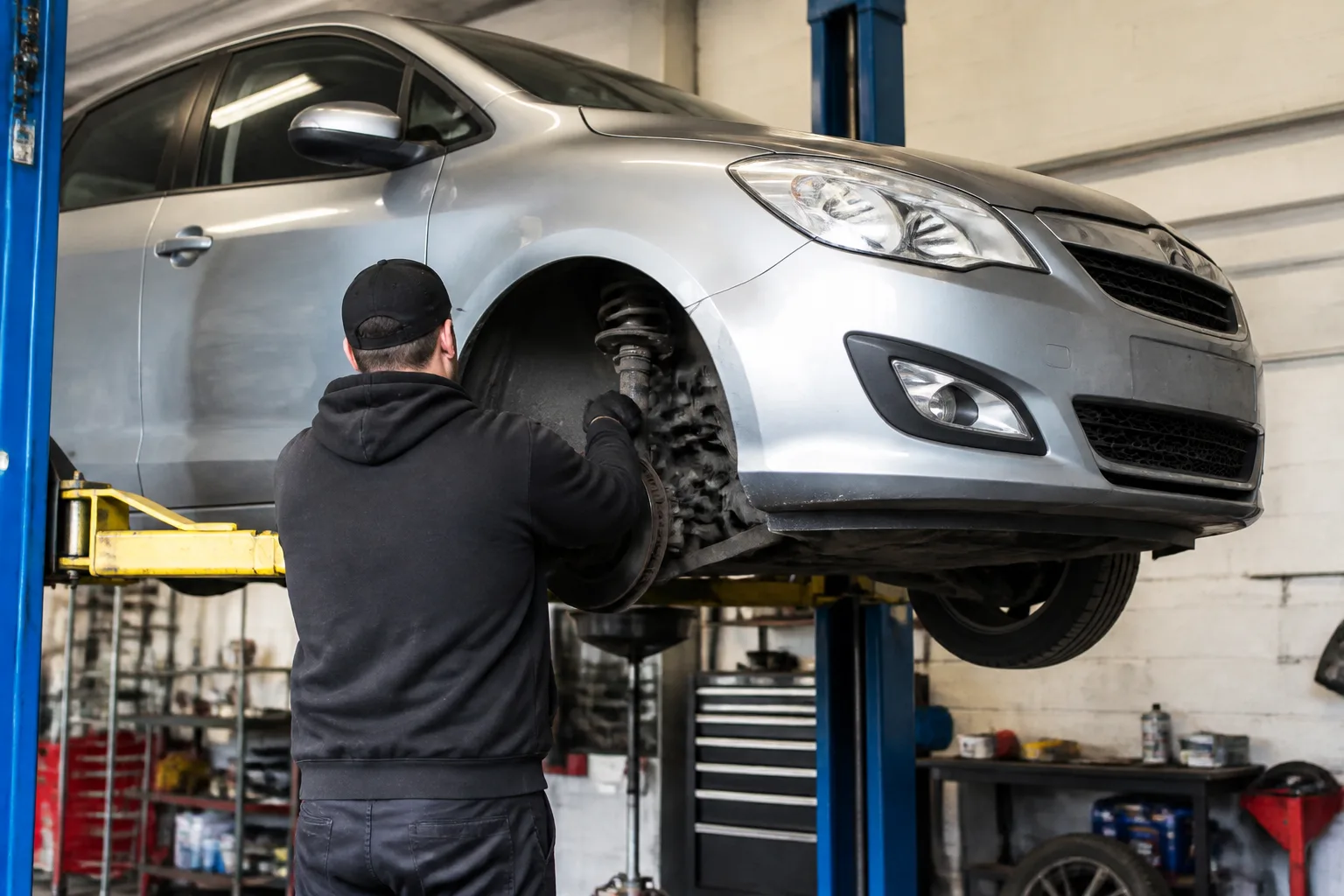
Shock absorbers help keep your tyres in contact with the road by controlling the movement of the suspension springs. When they are working properly, the car should settle quickly after bumps, remain reasonably composed through bends and feel predictable under braking.
As shock absorbers wear, the change can be gradual. You may simply notice that the car feels less settled than it used to, or that it behaves differently on uneven roads. These symptoms can also be caused by tyres, springs, suspension bushes, wheel alignment or braking components, so a particular sign does not confirm a worn shock absorber on its own.
What do shock absorbers do?
The springs in a car absorb bumps and allow the wheels to move over uneven surfaces. Without enough damping, those springs would continue bouncing after the initial bump. Shock absorbers control that movement, helping the vehicle settle and helping the tyres stay in contact with the road.
They are part of the wider suspension system and work alongside components such as springs, top mounts, bushes and suspension arms. A problem elsewhere can feel similar, which is why a proper inspection is more useful than trying to identify the failed component by symptoms alone.
Common signs of worn shock absorbers
1. The car continues bouncing after a bump
One of the better-known signs is excessive bouncing after going over a speed hump or uneven section of road. A car with healthy damping should settle fairly quickly. If the body continues to oscillate, the shock absorbers may not be controlling the springs effectively.
This is only an indication, not a definite diagnosis. A worn spring, damaged mounting or another suspension fault can produce a similar feeling.
2. More nose dive when braking
If the front of the car dips noticeably under braking, worn front shock absorbers may be one possible cause. Excessive movement can make the car feel less stable and may affect how confidently it responds to steering inputs.
However, braking symptoms should not automatically be blamed on suspension. Brake pad or disc problems, a seized brake calliper, tyre issues and suspension wear can all affect the way a car behaves when slowing down. For related information, see our guide to signs your brake pads need replacing.
3. The rear of the car squats under acceleration
Some rear-end movement under acceleration is normal, particularly in a front-wheel-drive car. If the rear appears to sit down more than usual, or the car feels light and unsettled at the front, the rear shock absorbers or other rear suspension components could need attention.
Changes may be more obvious when the boot or rear seats are loaded. Avoid assuming that a change in ride height is caused by the shock absorber itself, as a tired or broken spring can also alter the vehicle's stance.
4. Increased body roll through bends
A car may lean in corners when the suspension is working normally, but excessive body roll can be a warning sign. Worn damping may allow the body to move more than expected, leaving the car feeling vague or less composed on roundabouts and bends.
If the steering suddenly feels loose, the vehicle pulls to one side or you notice a significant change in handling, arrange an inspection promptly. Do not continue driving if the car feels difficult to control.
5. Uneven or unusual tyre wear
Because shock absorbers help the tyres maintain contact with the road, worn damping can contribute to uneven tyre wear. You might see patches of wear across the tread rather than a smooth, even pattern. This is sometimes called cupping or scalloping.
Tyre pressure, wheel alignment, worn bushes and wheel balance can also cause irregular wear. Check your tyre pressures against the vehicle manufacturer's recommended figures and look for damage, but do not rely on tyre wear alone to identify a suspension fault.
6. Fluid leaking from the shock absorber
A shock absorber may show signs of oil around its body if its seal has failed. A light film of dirt or moisture is not always proof of a serious fault, while a clear leak or oil running down the unit deserves professional attention.
Do not get underneath a vehicle supported only by a jack to investigate. If you can see a problem safely through the wheel arch, make a note of it and ask a garage to assess the complete suspension.
7. Knocking or clunking noises
A knocking noise over potholes or speed humps can come from a shock absorber, but it may also be caused by a top mount, anti-roll bar link, bush, spring or another loose or worn part. The location and timing of the noise matter, and a technician may need to inspect the vehicle on a lift and check the suspension for movement.
A noise combined with poor handling, steering changes or visible damage should be treated more seriously than an occasional sound with no other symptoms.
Can you check shock absorbers yourself?
There are a few safe observations you can make. Look at the car from a short distance to see whether it sits unusually low at one corner. Check the tyres for uneven wear and, without removing anything, look for obvious damage or fluid around the visible suspension area.
You may also hear advice to push down firmly on each corner of the car and watch how it rebounds. This can sometimes reveal a badly uncontrolled suspension corner, but it is not a reliable test for modern vehicles and can miss faults. Do not crawl under the car, remove suspension parts or attempt to dismantle a shock absorber at home.
It is also worth noting when the symptom occurs. Does it happen over bumps, while braking, during cornering or when carrying passengers? That information can help a garage investigate, but it does not replace a professional inspection.
Are worn shock absorbers dangerous?
They can affect handling, braking stability and the ability of the tyres to remain in contact with the road. The risk depends on the condition of the parts, the extent of wear and the driving conditions. A gradual change may not feel dramatic, but it should not be ignored.
If the car is bouncing excessively, feels unstable, pulls unexpectedly, has a damaged suspension component, or shows severe tyre wear, stop in a safe place and arrange professional advice. Do not continue driving if you cannot maintain control or if there is a risk of tyre or suspension failure.
It is also important to separate suspension symptoms from brake symptoms. If the steering wheel shakes specifically when braking, or the car pulls to one side under braking, have the braking system checked rather than assuming the shock absorbers are responsible. You can read more about why a steering wheel may shake when braking and why a car may pull to one side when braking.
What happens during a garage inspection?
A technician will normally consider the reported symptoms alongside a visual inspection of the suspension, springs, mounts, bushes and tyres. They may check for leaks, damaged components, excessive movement and uneven wear. The vehicle's road behaviour and the condition of the suspension on the opposite side are also relevant.
Shock absorbers are often replaced in pairs on the same axle so that damping is reasonably balanced from side to side. Whether that is appropriate depends on the vehicle and the condition of the parts, so a garage should explain what it has found before any work is agreed.
If your car is showing several of these signs, an inspection at Ashton's Garage for suspension and car repairs in Salisbury can help establish whether the cause is the shock absorbers or another part of the suspension. There is no need to guess from a single symptom, and the garage can advise whether the vehicle is suitable to drive.
Key points to remember
- Excessive bouncing, nose dive, body roll and an unsettled ride can point to worn damping.
- Oil leaks, knocking noises and uneven tyre wear should be checked rather than ignored.
- Several other suspension, tyre and brake faults can feel similar.
- Do not attempt safety-critical suspension repairs or work underneath an unsupported vehicle.
- Stop driving and seek professional advice if handling is seriously affected or a suspension or tyre fault looks unsafe.
Frequently asked questions
How long do shock absorbers usually last?
There is no single replacement interval that suits every vehicle. Mileage, road surfaces, loads, driving style and the condition of related suspension parts all affect wear. They should be checked when symptoms appear or when other suspension work is being carried out.
Can worn shock absorbers affect braking?
Worn damping can allow more suspension movement and may make the car feel less stable while braking. However, braking faults can also be caused by pads, discs, callipers, tyres or other components, so braking symptoms need a proper inspection rather than an assumption about the shocks.
Should shock absorbers be replaced in pairs?
They are commonly replaced in pairs on the same axle to help keep the damping balanced, but the correct approach depends on the vehicle and the condition of both units. A technician should assess the axle before recommending replacement.
Can I drive with a leaking shock absorber?
A visible leak should be assessed promptly because it may indicate reduced damping or a failed seal. If the vehicle is unstable, bouncing excessively, showing tyre damage or has another suspension concern, stop driving when safe and arrange professional advice.
Related advice
When Does Wheel Alignment Need Checking?
Wheel alignment may need checking after a pothole impact, kerb strike, suspension work or unusual tyre wear. Learn the warning signs and when professional inspection is sensible.
Why Does My Car Pull to One Side While Driving?
If your car drifts or pulls to one side, the cause could be as simple as tyre pressure or as serious as a brake, steering or suspension fault. Here is what to check and when to seek professional help.
Why Does the Steering Wheel Shake When Braking?
A steering wheel that shakes under braking can have several causes, from uneven brake discs to worn suspension or tyre problems. Here is what the symptom may mean and when to stop driving.