Can You Drive With Grinding Brakes?
Grinding brakes should not be ignored. Find out what the noise may mean, when it is unsafe to drive and what to do next.
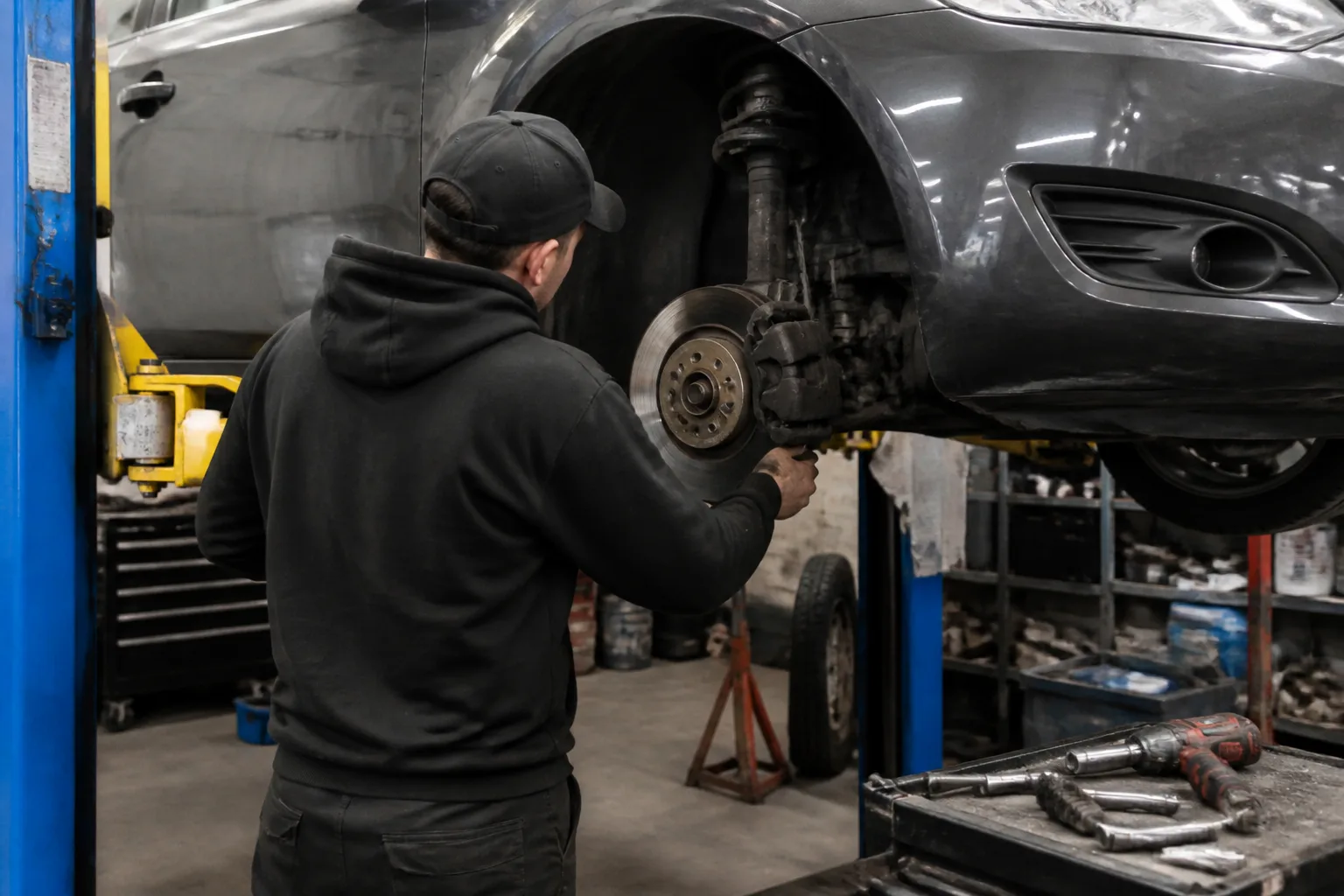
Can you drive with grinding brakes? In most cases, you should avoid driving any further than necessary until the braking system has been professionally inspected. A grinding noise can mean that brake material has worn away and metal is contacting metal. It may also indicate a damaged brake component or debris caught near the disc.
Brakes are safety-critical, so the sound alone should not be used to decide that the car is safe. Some noises are temporary, particularly after a vehicle has been parked in damp conditions, but persistent or harsh grinding needs attention. If the car is pulling to one side, taking longer to stop, vibrating heavily, producing a burning smell or showing a brake warning light, stop somewhere safe and arrange professional help rather than continuing your journey.
What can cause grinding brakes?
There are several possible causes. Without inspecting the vehicle, it is not possible to identify the exact fault remotely, but the most common possibilities include:
- Severely worn brake pads: Brake pads contain friction material designed to press against the brake disc. Once that material is nearly gone, the metal backing can contact the disc and create a harsh grinding sound.
- A damaged or heavily worn brake disc: A disc with deep scoring, corrosion or other damage may produce noise and reduce braking performance.
- Rust or surface corrosion: A vehicle that has been left outside in wet weather can develop a light film of rust on the discs. This may cause brief scraping or roughness during the first few applications of the brakes. It should not be assumed to be harmless if the noise continues.
- Debris near the brake: A small stone or piece of road grit can sometimes become trapped between the disc and a nearby shield or component. The noise may change as the wheel turns.
- A brake calliper or related component problem: A calliper that does not release correctly can leave a brake partly applied. This may cause heat, uneven wear, a burning smell or the vehicle pulling to one side.
These causes can sound similar from the driver’s seat. A visual look through the wheel may show that a pad appears very thin, but it cannot reliably assess all parts of the braking system. Removing wheels or dismantling brakes is not a suitable roadside check.
Is it safe to drive with grinding brakes?
Grinding brakes can indicate that braking ability is already being affected, or that further damage is occurring every time the brake pedal is pressed. If the friction material has worn away, continued driving may damage the brake disc and other components. More importantly, the vehicle may not stop as expected in an emergency.
Do not continue driving if the grinding is loud, continuous or getting worse. You should also stop and seek assistance if you notice:
- a longer stopping distance or a soft, low or unusual brake pedal
- the vehicle pulling left or right when braking
- strong vibration through the steering wheel or brake pedal
- smoke, a burning smell or a wheel that appears unusually hot
- a brake, ABS or other warning light
- fluid visible near a wheel or under the vehicle
- the car feeling unstable or difficult to control
Move to a safe place if you can do so without taking a risk, switch on your hazard warning lights where appropriate and arrange recovery or a professional inspection. Do not rely on the handbrake as a substitute for properly functioning brakes, and do not make repeated hard stops to try to clear the noise.
Can you drive a short distance to a garage?
That depends on what the inspection finds, which is why there is no safe distance that can be recommended from a description alone. If grinding is persistent or accompanied by any change in braking performance, the safer option is to have the vehicle recovered or inspected where it is.
If the noise occurred briefly after the car had been parked in wet weather and then disappeared completely, it may have been surface corrosion. Even then, pay attention to any repeat noise, juddering, pulling or changes in pedal feel. A recurring sound should be checked rather than dismissed as normal.
If a qualified professional confirms that the brakes remain safe for a short journey, drive gently, leave plenty of space and avoid unnecessary trips. If there is any doubt, do not drive it. A garage can assess the pads, discs, callipers and surrounding components together rather than treating the noise in isolation.
What should a brake inspection include?
A proper inspection should establish where the noise is coming from and whether braking performance or roadworthiness has been compromised. The technician may assess pad and disc condition, look for uneven wear, check for signs of overheating and examine the callipers, shields and other nearby parts. The braking system should be checked on both sides of the axle because a problem on one side can sometimes cause uneven braking or wear.
The result may be as straightforward as removing an obstruction, or it may involve replacement of worn brake parts. The correct work depends on the vehicle, the condition of the components and the severity of the fault. Replacing only the visibly noisy part is not always appropriate if related components are damaged or worn.
For background, you may find our guides to how long brake pads last and signs that brake pads need replacing useful. If the vehicle pulls while braking, our explanation of why a car can pull to one side when braking covers another symptom that should not be ignored.
What should you do next?
Make a note of when the grinding happens, whether it changes when braking or turning, and whether there are any warning lights or handling changes. Do not remove wheels or attempt brake repairs unless you have the proper training, equipment and safe working conditions.
If your car is in or around Salisbury and the brakes are making a persistent grinding noise, contact Ashton’s Garage about a brake inspection or repair. We can explain what has been found, what needs attention and whether the vehicle is safe to drive, without pretending to diagnose the problem before seeing it.
Key point
Brief scraping after damp weather may sometimes be surface rust, but genuine grinding is not a noise to ignore. Because it can involve worn pads, damaged discs or a brake component that is not working correctly, stop driving if braking performance has changed and arrange a professional inspection.
Frequently asked questions
Are grinding brakes always dangerous?
Not every brief scraping noise means the same fault, especially after a vehicle has been parked in damp weather. However, persistent grinding can indicate worn brake material, damaged discs or another braking problem, so it should be professionally checked.
Can grinding brakes damage the discs?
Yes. If worn brake pads allow metal to contact the disc, continued driving can score or damage the disc and may increase the eventual repair required. The braking system should be inspected before the vehicle is used normally.
Should I drive if the brakes grind only when I turn?
A noise that happens during turning may come from a brake component, shield, debris or another part near the wheel. It cannot be diagnosed safely from the sound alone. If the noise persists or is accompanied by pulling, vibration or poor braking, stop driving and arrange an inspection.
Can I fix grinding brakes myself?
Brake repairs are safety-critical and should not be approached as a roadside DIY job. Basic observations, such as noting when the noise occurs, are reasonable, but inspection, dismantling and replacement should be carried out by a suitably equipped professional.
Related advice
When Does Wheel Alignment Need Checking?
Wheel alignment may need checking after a pothole impact, kerb strike, suspension work or unusual tyre wear. Learn the warning signs and when professional inspection is sensible.
Why Does My Car Pull to One Side While Driving?
If your car drifts or pulls to one side, the cause could be as simple as tyre pressure or as serious as a brake, steering or suspension fault. Here is what to check and when to seek professional help.
Why Does the Steering Wheel Shake When Braking?
A steering wheel that shakes under braking can have several causes, from uneven brake discs to worn suspension or tyre problems. Here is what the symptom may mean and when to stop driving.