Can a Garage Check Your Car Before a Long Journey?
Yes. A garage can carry out a practical pre-journey inspection to identify visible faults, maintenance concerns and safety issues before you set off. Here is what it may include, when to book one and what you can check yourself.
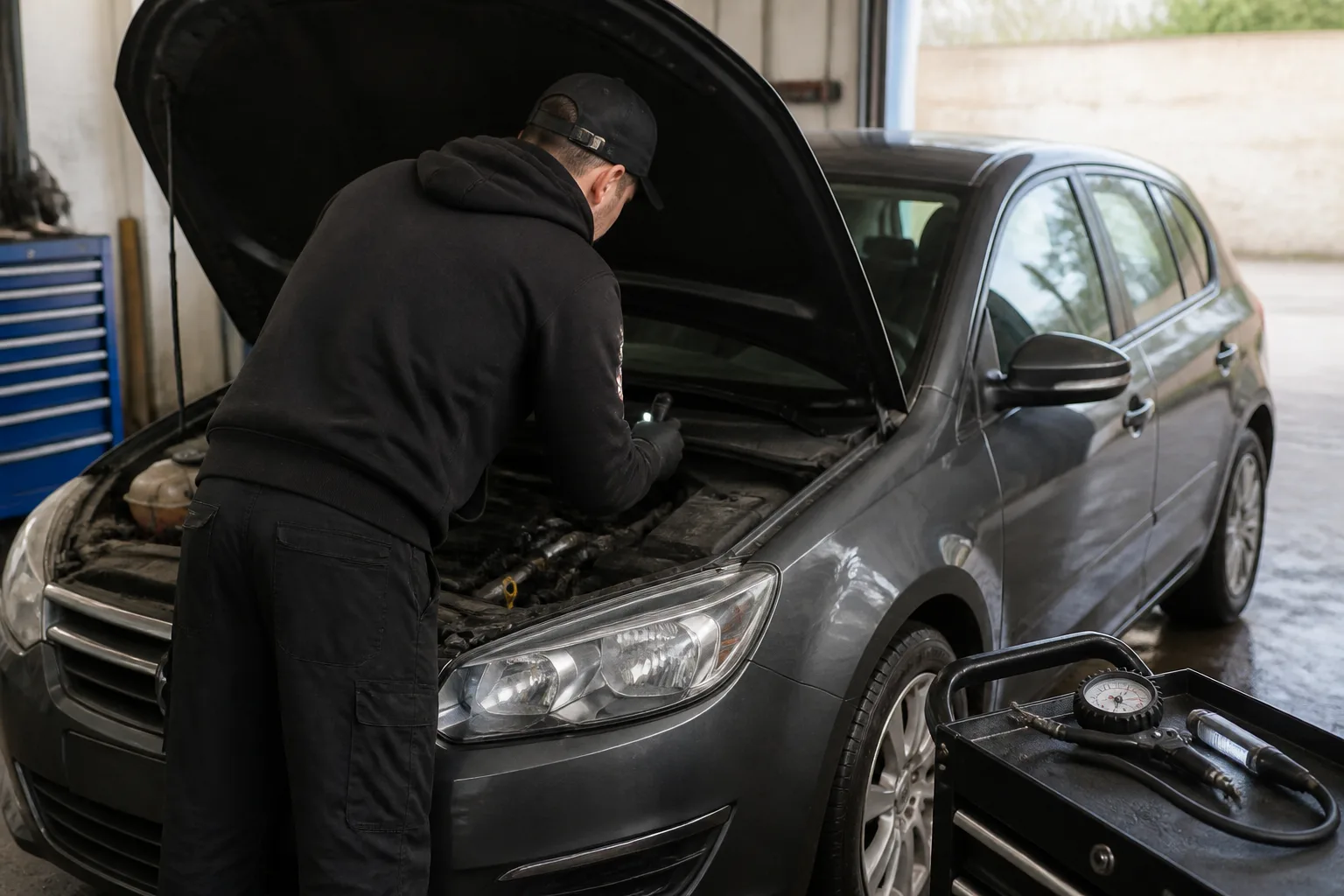
Yes, a garage can check your car before a long journey. This is often called a pre-journey inspection, safety check or vehicle health check. It is a useful way to look for maintenance and safety concerns before the car is asked to cover many miles, particularly if it has not been serviced recently or you have noticed a change in the way it drives.
A pre-journey check is not a guarantee that a fault cannot develop later, and it is not automatically the same as an MOT or a full service. However, a competent garage can inspect the areas most likely to affect reliability, comfort and roadworthiness, then explain whether anything needs attention before you travel.
What does a pre-journey car check include?
The exact inspection will vary according to the garage, the vehicle and the journey you are planning. It should normally be a practical assessment rather than an attempt to dismantle the car or replace parts without a clear reason.
Tyres and wheels
The technician may check tyre condition, tread, visible damage and pressures. This can include looking for cracks, bulges, punctures or uneven wear. Uneven wear can sometimes indicate an alignment, suspension or steering concern, so it is worth asking about anything that does not look normal.
It is also sensible to check that the car has a usable spare wheel, inflation kit or repair equipment if one is fitted. A garage can tell you whether the equipment is present and appears suitable, but you should still familiarise yourself with its location before leaving.
Brakes, steering and suspension
A garage may inspect accessible brake components and look for signs such as worn pads, damaged discs, leaks or corrosion. The technician can also assess suspension and steering components for visible wear or damage and may carry out a road test where appropriate.
Tell the garage if the car pulls to one side, vibrates through the steering wheel, feels unstable, knocks over bumps or takes longer to stop. These symptoms can have several possible causes, so they should not be treated as a diagnosis based on a description alone.
Fluids, leaks and the engine bay
Fluid levels and visible leaks are important before a long trip. Depending on the vehicle, checks may include engine oil, coolant, brake fluid, screenwash and power steering fluid. Some modern cars use electronic monitoring or sealed systems, so the correct checking method depends on the manufacturer’s instructions.
Oil or coolant loss should not simply be topped up and ignored. A garage can help establish whether there is an active leak or another maintenance issue. If the temperature warning light appears, the engine overheats or coolant is visibly leaking, stop in a safe place and seek professional advice rather than continuing to drive.
Lights, wipers and visibility
Exterior lights, brake lights, indicators, hazard warning lights and number plate illumination can be checked as part of a basic inspection. The technician may also look at the condition of the windscreen, wiper blades and washer system.
Small visibility problems can become much more troublesome on a dark or wet journey. Replacing a worn wiper blade or resolving a failed bulb may be straightforward, but it is better to identify the issue while you have time to deal with it.
Battery, charging and warning lights
A garage may inspect the battery and charging system, particularly if the engine has been slow to start, the lights have dimmed or the battery warning light has appeared. A battery test can provide useful information, but it cannot predict every possible electrical fault.
Make a note of any warning lights or messages before the appointment. A warning light can relate to anything from a sensor issue to a problem that makes continued driving unsafe. If a red warning light appears, or the car enters a reduced-power mode, arrange professional advice before setting off.
When should you book a garage check?
Try to arrange the check with enough time for any necessary work to be discussed and completed. The day before departure may leave limited options if the garage finds a worn component or needs to order a part.
A check is particularly sensible before a long journey if:
- the vehicle has not had a service or inspection for some time
- you have recently bought the car and do not know its maintenance history
- it has been used mainly for short trips or has been parked for a long period
- you have noticed unusual noises, vibrations, smells or changes in handling
- the car will be carrying extra passengers, luggage or towing equipment
- you are planning to travel in demanding weather or over unfamiliar routes
If you have a specific fault, explain it clearly when making the appointment. Our guide on what information to give a mechanic when reporting a fault can help you prepare useful details. If the concern is a noise, our advice on describing a strange car noise may also make the conversation more productive.
What can you check yourself?
There are a few sensible checks you can make without carrying out repairs. Look at the tyres for obvious damage, check that the lights operate, confirm that the washer bottle is filled and check fluid levels only as described in the vehicle handbook. You can also make sure the number of passengers and amount of luggage will not exceed the vehicle’s stated limits.
Check the tyre pressures against the figures provided by the vehicle manufacturer, rather than relying on a general figure. The recommended pressures may differ according to the load and may be listed on a label in the door shut, fuel flap or handbook.
Do not try to investigate a suspected brake, steering, suspension, fuel or electrical fault by dismantling parts at home. Basic checks are useful, but safety-critical work should be assessed by someone with the appropriate equipment and experience.
Is a pre-journey check the same as an MOT or service?
No. An MOT is a separate inspection against the applicable test requirements at the time of the test. A service is a scheduled maintenance procedure based on the vehicle manufacturer’s recommendations, mileage and age. A pre-journey check is usually focused on the condition and likely suitability of the vehicle for the trip you have planned.
There can be some overlap, but passing an MOT does not mean that every future journey will be trouble-free, and a pre-journey check does not replace servicing. If your service is due or the vehicle has an MOT-related concern, tell the garage so the inspection can be planned properly. You can also read our guide to what happens during a garage inspection if you are unsure what to expect.
What if the garage finds a problem?
A reputable garage should explain what has been found, how serious it may be and whether it needs attention before the journey. Ask which issues are safety-critical, which could affect reliability and which can reasonably be monitored. You should receive an explanation before any additional work is agreed.
If the car has a braking, steering, tyre, overheating or structural concern, do not assume it is safe to continue driving simply because the journey is important. Stop using the vehicle if continued driving may be unsafe and arrange a professional inspection or recovery where necessary.
If you are planning a long trip from Salisbury or elsewhere in Wiltshire and would like to discuss a suitable inspection, you can contact Ashton's Garage with your vehicle details, journey timing and any symptoms you have noticed. That gives the garage a sensible starting point without pretending that a fault can be diagnosed remotely.
Questions to ask before you leave
Before setting off, check that you know whether the garage found any outstanding issues, whether recommended work has been completed and whether there are any limits on using the vehicle. Keep the vehicle handbook, breakdown details and any required charging or security equipment with you. A few minutes of preparation can make it easier to respond calmly if a problem does occur.
Frequently asked questions
How long does a pre-journey car check take?
The time depends on the vehicle, the inspection scope and whether you have reported a specific symptom. Ask the garage when booking so there is enough time to discuss any findings and agree any work.
Can a garage check a car before a holiday trip?
Yes. A garage can usually arrange a practical inspection of areas such as tyres, brakes, fluids, lights, battery and visible leaks. Give the garage as much notice as possible in case attention is needed before you travel.
Should I book a service or a pre-journey check?
If the vehicle is due a scheduled service, a service may be more appropriate. A pre-journey check can be useful when the service is not due but you want the vehicle assessed before a particular trip.
Can I drive if my car has a warning light before a long journey?
That depends on the warning light and the vehicle’s behaviour. Do not ignore red warning lights, overheating, loss of braking or steering, severe vibration or other symptoms that may make driving unsafe. Stop where safe and obtain professional advice.
Related advice
What to Do If Your Car Breaks Down Away From Home
Find out what to do if your car breaks down away from home, including how to stay safe, call for help and explain the problem to a recovery service or garage.
Car Maintenance for Rural Driving: A Practical Guide
Rural roads can place extra demands on your car. Learn which checks matter most, how to spot developing problems and when professional inspection is sensible.
What Happens During a Garage Inspection?
A garage inspection is more than a quick look under the bonnet. Here is what a mechanic may check, how findings are assessed and what you can expect from the process.