Why Is My Car Losing Coolant?
Finding that your car is losing coolant can be worrying, especially if there is no obvious puddle. Learn the common causes, the checks that are safe to make and when you should stop driving and arrange a professional inspection.
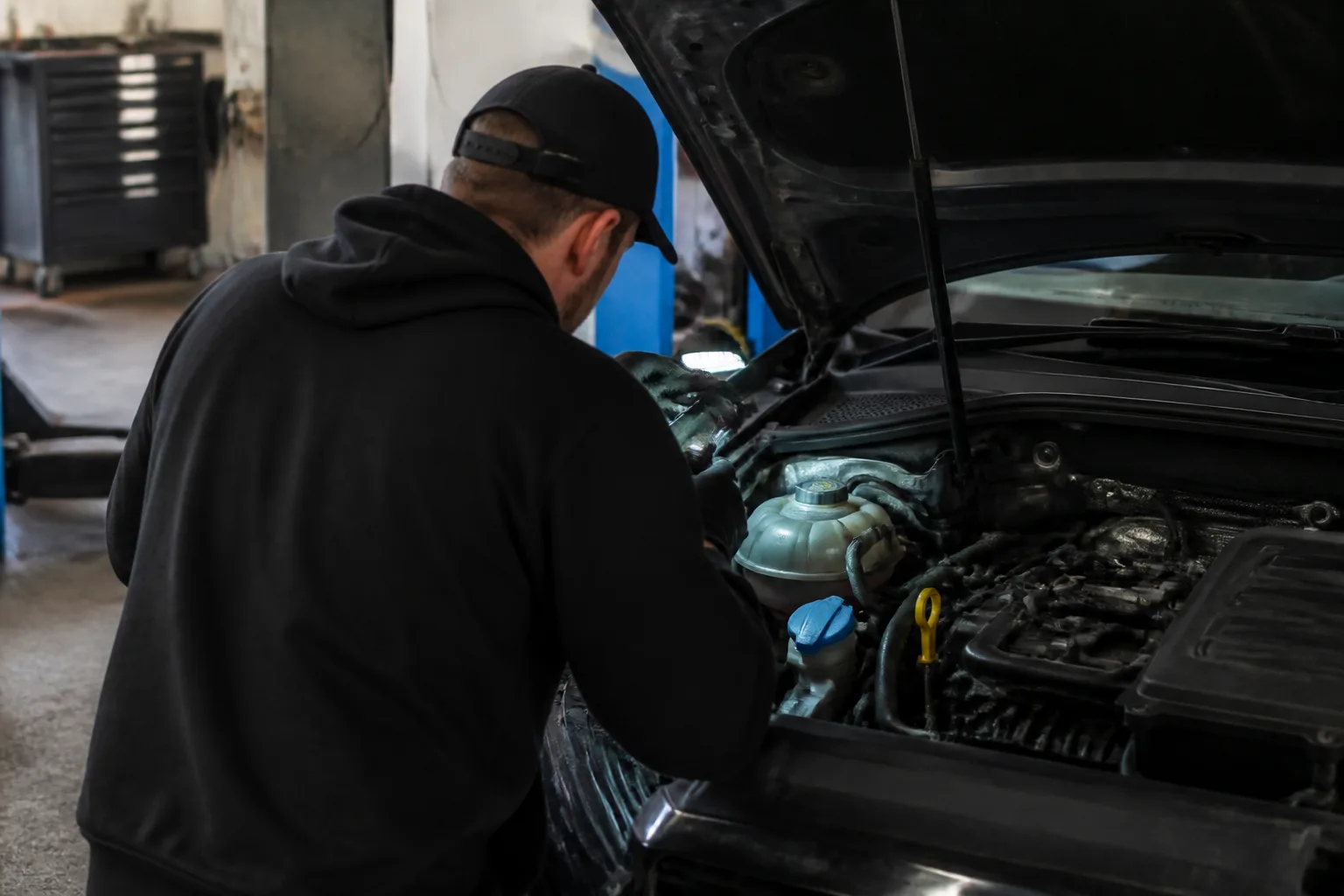
If your car is losing coolant, there is usually a reason that needs investigating. Sometimes the leak is small and only leaves a stain or a sweet smell. In other cases, coolant can escape quickly, the engine temperature can rise and continued driving may cause serious damage.
Coolant is a mixture of water and antifreeze that circulates through the engine and cooling system. It carries heat away from the engine and helps protect the system against freezing and corrosion. The correct coolant type and mixture vary between vehicles, so your owner’s handbook is the best guide when you need to identify the right product.
This article explains the likely possibilities without trying to diagnose your car remotely. If the temperature warning light is on, the gauge is rising, steam is coming from under the bonnet or the coolant level is dropping quickly, stop somewhere safe and arrange professional assistance.
Common reasons a car loses coolant
External leaks from hoses, pipes or connections
Rubber hoses, metal pipes, clips and sealing joints are all possible leak points. A hose may split, become brittle or loosen at a connection. A leak can be more noticeable when the engine is hot because the cooling system is pressurised while the engine is running.
Look for damp areas, crusty deposits or coloured staining around hose ends, the radiator and the expansion tank. Coolant colours vary, so colour alone is not a reliable way to identify the fluid. A small leak may evaporate on hot engine components before it reaches the ground.
A leaking radiator
The radiator sits at the front of the vehicle and is exposed to water, salt, dirt and road debris. Over time, corrosion or damage can allow coolant to escape. A radiator leak may leave marks around its edges or beneath the front of the car, although the exact source can be difficult to see without a proper inspection.
A faulty water pump
The water pump circulates coolant around the engine. Depending on the vehicle, it may be driven by a belt or an electric motor. A worn pump can leak through its seal, and some failures also affect coolant circulation. A damaged or failing water pump may be accompanied by unusual noise, a rising temperature or coolant traces around the pump area.
Because access varies considerably between vehicles, checking or replacing a water pump is not a sensible roadside job. If the engine is overheating, driving further may turn a repairable cooling fault into major engine damage.
Expansion tank or pressure cap problems
The expansion tank, also called the coolant reservoir, allows the coolant to expand as it heats up. A crack in the tank or a problem with its cap can allow coolant to escape. A cap that does not maintain the correct pressure may also cause coolant to be pushed out of the system.
Do not remove the cap from a hot engine. The system may be pressurised, and hot coolant or vapour can cause serious burns. Only check the level when the engine is completely cool, following the markings and instructions in the owner’s handbook.
A leaking heater system
Coolant passes through the heater matrix, which helps warm the air inside the cabin. A leak in this part of the system may cause a sweet smell inside the car, misting windows or damp carpet, particularly in the front footwell. These symptoms can have other causes, but they should not be ignored when they appear alongside a falling coolant level.
An internal engine or head gasket problem
Not every coolant loss produces a visible external leak. In some cases, coolant can enter the engine cylinders or mix with engine oil because of an internal fault. Possible warning signs include persistent white vapour from the exhaust after the engine has warmed up, a misfire, a milky deposit under the oil filler cap or repeated overheating.
These signs do not prove that the head gasket has failed. Condensation can create a light deposit under an oil cap in some conditions, and white exhaust vapour can be normal briefly on a cold morning. However, a combination of symptoms needs prompt professional assessment rather than guesswork.
Why is there no puddle under the car?
A coolant leak can be difficult to spot for several reasons. The fluid may only escape while the system is hot and pressurised, then evaporate on a warm engine. A plastic undertray can also catch fluid and prevent it from reaching the ground. Some leaks are internal rather than external.
It is also possible that a previous top-up was spilled around the expansion tank. Clean, dry areas are easier to monitor, but avoid reaching into the engine bay while the engine is running or hot. A garage can use suitable inspection methods to look for pressure loss and traces of coolant without relying only on visible puddles.
Safe checks you can make when the engine is cold
There are a few basic observations that may help you explain the problem to a garage:
- Check the coolant level against the markings on the expansion tank, but only when the engine is cold.
- Look for fresh dampness, staining or dried deposits around the tank, hoses and visible radiator area.
- Note whether the temperature gauge is behaving differently from normal.
- Check whether there is a sweet smell, steam, unusual exhaust vapour or dampness inside the cabin.
- Make a note of when the warning first appeared and how often the level needs topping up.
Do not treat repeated topping-up as a repair. Use only the coolant specified for your vehicle, and do not open a hot cooling system. If the level is very low, the warning light is on or the engine temperature is high, do not continue driving simply because the car still starts.
Can I drive a car that is losing coolant?
That depends on how much coolant is being lost and whether the engine is staying at its normal temperature, but it is not possible to judge safely from the level alone. A slowly falling level still needs investigation. A rapid loss, rising temperature, warning light, steam or loss of cabin heating can indicate that the cooling system is no longer operating correctly.
If any of those symptoms occur, stop in a safe place, switch off the engine and allow it to cool. Do not remove the coolant cap while it is hot. If there is visible steam, a strong leak or an overheating warning, arrange recovery or professional assistance rather than driving to a garage.
Driving with insufficient coolant can cause overheating and may damage components such as the cylinder head, head gasket or other engine parts. The safest decision is based on the symptoms, not just on whether the vehicle appears to run normally.
What will a garage check?
A technician will usually begin by confirming the reported coolant loss and checking the visible components of the cooling system. Depending on the symptoms, further checks may include a cooling-system pressure test, inspection of the radiator and hoses, examination of the water pump area and tests for signs of an internal engine fault.
The right test depends on the vehicle and the evidence found. That is why replacing a random hose or repeatedly adding coolant may not solve the underlying problem. A proper diagnosis helps separate a straightforward external leak from a fault that could affect engine reliability and roadworthiness.
If the car is also difficult to start after an overheating incident, our guide to why a car can crank but not start explains some of the other possibilities. If it will not turn over at all, you may find our guide to why a car will not start useful, although a starting fault and a coolant fault can be separate issues.
When should I arrange an inspection?
Arrange an inspection if you have needed to top up the coolant more than once, spotted staining or dampness, noticed a sweet smell or seen any change in the temperature gauge. Prompt attention is particularly important after an overheating warning, because the original leak may be only part of the problem.
Ashton's Garage can investigate coolant loss and related engine-cooling faults in Salisbury. You can find more information about arranging a suitable car repair inspection, with the symptoms and warning signs you have noticed, rather than trying to identify the failed component yourself.
Frequently asked questions
Is it normal to top up coolant occasionally?
A small change in level can occur, but coolant should not need regular topping up. Repeated loss suggests a leak or another cooling-system fault that should be investigated.
What does a coolant leak smell like?
Coolant often has a sweet smell, although the exact odour depends on the product used. A sweet smell from the engine bay or inside the cabin, especially with a falling level, deserves attention.
Can low coolant cause the engine management light to come on?
It can be associated with engine temperature or running problems, but the engine management light has many possible causes. A diagnostic check is needed to identify why it has illuminated.
Can I use water instead of coolant?
Water may be suitable as a very short-term emergency measure in limited circumstances, but it does not provide the same freeze, corrosion and boiling protection as the correct coolant mixture. Follow the vehicle manufacturer's guidance and arrange an inspection if coolant has been lost.
How quickly should a coolant leak be repaired?
A rapid leak, overheating, steam or a temperature warning requires immediate attention and may make the car unsafe to drive. Even a slow leak should be checked soon because its rate can increase without much warning.
Related advice
Why Does My Engine Make a Knocking Noise?
An engine knocking noise can come from anything from combustion problems to low oil or a loose exhaust part. Learn what the sound may mean, what you can safely check and when to stop driving.
Why Does My Engine Make a Ticking Noise?
A ticking engine can be harmless, but it may also point to an oil, exhaust, valve or timing problem. Learn what the sound could mean and when to arrange a professional inspection.
Why Does My Heater Blow Cold Air When the Engine Is Hot?
A car heater that blows cold air while the engine seems hot can point to low coolant, trapped air, a circulation problem or a fault inside the heating system. Here is what the symptoms may mean and when to arrange a professional inspection.