Does Your Car Need Servicing If You Drive Very Little?
Low mileage does not mean your car can be left unserviced. Find out why time, short journeys, fluid condition, battery health and tyre checks still matter.
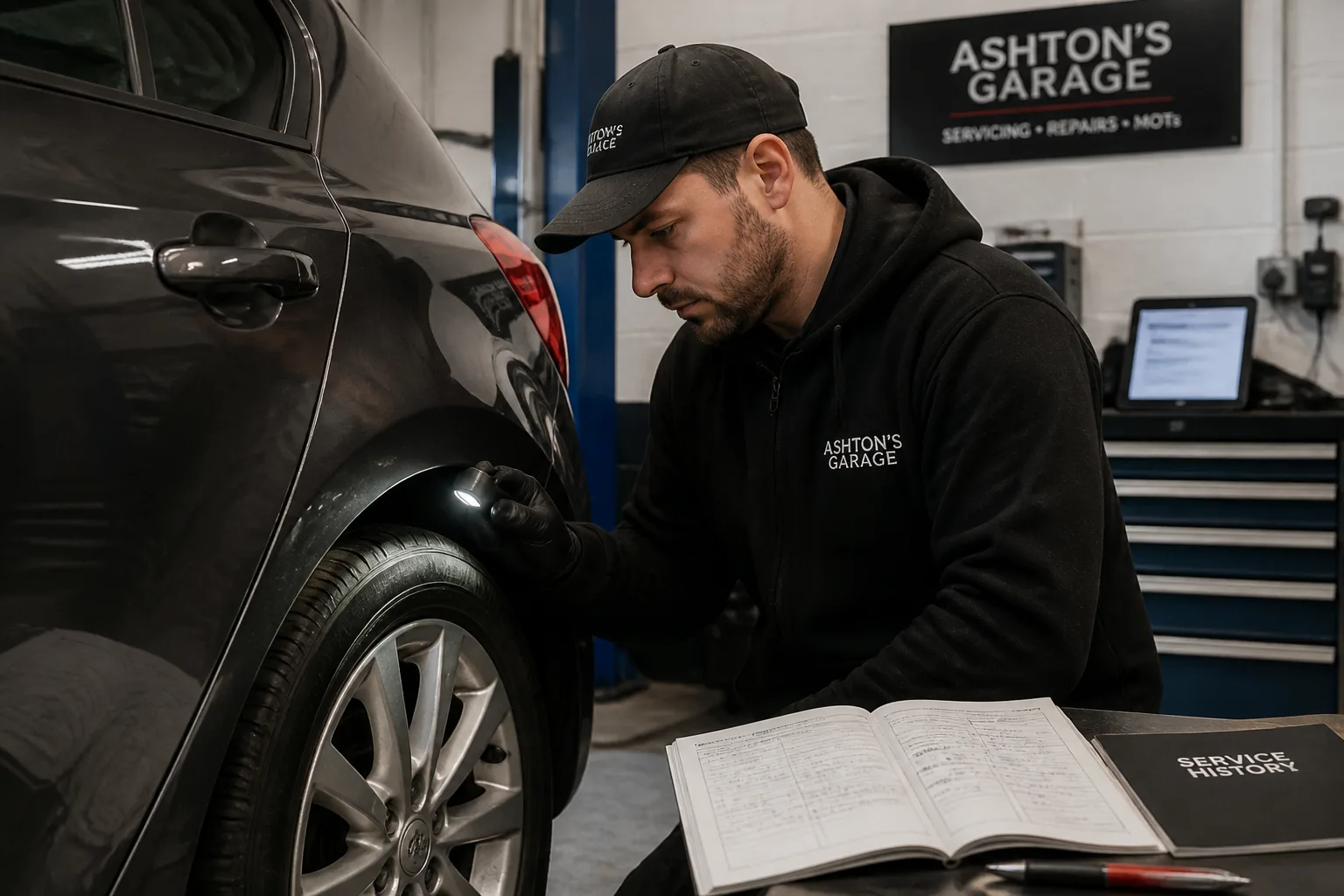
If you only drive a few miles each week, it is reasonable to ask whether your car really needs an annual service. After all, many servicing schedules are based on both mileage and time. The important point is that a car can need maintenance even when it has spent most of the year parked on a driveway.
Low mileage may reduce wear in some areas, but it does not stop fluids ageing, batteries losing charge, tyres deteriorating or short journeys placing extra demands on the engine. Servicing is not only about replacing parts after a certain number of miles. It is also a sensible inspection of the systems that help keep your car reliable and roadworthy.
Why time matters as well as mileage
Most vehicle manufacturers give servicing intervals using a mileage limit and a time limit. You are generally expected to service the car when it reaches either one, rather than waiting until both apply. The exact interval depends on the vehicle, engine and manufacturer schedule, so your handbook or service record is the right place to start.
Time-based maintenance matters because some materials and fluids change with age. Engine oil can become contaminated, brake fluid can absorb moisture, and rubber components can deteriorate even if the car has covered relatively few miles. A service helps identify these issues before they develop into more expensive faults.
This is one reason a low-mileage car should not automatically be treated as a low-maintenance car. It may need less frequent replacement of some wear items, but it still benefits from regular checks and the correct time-based maintenance.
Short journeys can be harder on a car
Driving very little often means making short trips. A journey to the shops or a school run may not allow the engine and exhaust system to reach their normal operating temperatures. Repeated short trips can also mean the battery has less opportunity to recover the energy used when starting the engine.
Short journeys are not automatically harmful, and the effect varies between vehicles and driving patterns. However, they can contribute to problems such as a persistently undercharged battery, moisture and contamination in engine oil, or reduced use of brakes and other components. A service gives a technician an opportunity to consider how the car is actually being used, rather than looking at the mileage alone.
If you would like a broader explanation of time and mileage intervals, our guide to how often to service your car covers the main factors to consider.
What can deteriorate while a car is parked?
A car that spends much of its time stationary may still develop maintenance needs. The most common areas to keep in mind include:
- Battery: A battery can gradually lose charge when the car is unused, especially in cold weather or when it is already ageing. Repeated starting without enough longer running time can add to the strain.
- Tyres: Tyres can lose pressure over time and may suffer from age-related deterioration. Check their condition and pressure before driving, and take cracking, bulges or other damage seriously.
- Fluids: Engine oil, coolant, brake fluid and screenwash all have different roles. Levels and condition can change, and a low level may indicate a problem that needs investigation.
- Brakes: Brake discs can develop surface corrosion when a car is left unused. Light surface corrosion may clear during normal use, but persistent grinding, juddering, pulling or reduced braking should be checked professionally.
- Belts, hoses and seals: Rubber components can age and become brittle. They are not assessed by mileage alone.
- Lights and wipers: Bulbs, wiper blades and washer systems can deteriorate through age and lack of use, affecting visibility and safety.
These are not reasons to assume your car has a fault. They are examples of why a proper service can be worthwhile even when the odometer has barely moved.
Does a low-mileage car need a full service?
Not necessarily. The right type of service depends on the vehicle manufacturer’s schedule, the last service carried out and the way the car is used. Some cars may be due an interim service, while others may require a fuller inspection or specific time-based work.
A service should not be chosen purely because the car has covered a small number of miles. The technician should consider the age of the vehicle, its engine, its service history and whether it is mainly used for short trips, long journeys or long periods of storage.
Our guide to what is included in a full car service explains the typical areas that may be inspected. It is also useful to understand the difference between an interim service and a full service, although the precise work should always follow the relevant vehicle schedule.
What simple checks can you make yourself?
There are a few safe checks worth making between services. Look at the tyres for obvious damage and check their pressures when they are cold. Make sure the lights work, the windscreen is clean and the washer fluid is topped up. You can also check the engine oil and coolant levels if your vehicle handbook explains how to do so safely.
Pay attention to changes when you drive. Warning lights, difficulty starting, unusual noises, fluid underneath the car, a burning smell or changes in braking should not be ignored. Do not remove covers or attempt repairs simply because the car has low mileage. If a warning concerns the brakes, steering, tyres, engine temperature or another safety-critical system, stop in a safe place and arrange professional advice before continuing if the car may be unsafe to drive.
Servicing is different from an MOT
An MOT and a service have different purposes. An MOT is a test of certain legal and safety requirements at the time of the test. A service is planned maintenance intended to help keep the vehicle running properly and identify developing issues. Passing an MOT does not mean the car can be left without servicing, and a service is not a replacement for an MOT when an MOT is due.
This distinction is especially relevant for low-mileage vehicles. A car can pass its MOT but still be overdue for time-based maintenance, have an ageing battery or need attention identified during a service inspection.
Why professional servicing can still be worthwhile
A proper service is more than changing oil or ticking off a checklist. An experienced technician can compare the vehicle’s condition with its history, use appropriate diagnostic equipment where needed and explain which items require attention now and which can be monitored. That is useful when a vehicle has an unusual usage pattern, such as very low annual mileage or frequent short journeys.
At Ashton’s Garage, the aim is to give motorists a clear explanation of what has been checked and why any recommendation has been made. Good workshop advice should take account of the car, its service schedule and how it is used, rather than suggesting unnecessary work based on mileage alone.
If your car has covered very little since its last service, you can see how Ashton’s Garage approaches vehicle servicing and arrange an assessment when it fits your maintenance schedule. It is a sensible way to confirm whether the car simply needs routine servicing or whether age and short-trip use have created additional items worth addressing.
Frequently asked questions
How often should a low-mileage car be serviced?
Follow the vehicle manufacturer’s mileage or time interval and service the car when either limit is reached. The correct interval depends on the model, engine, age and service history.
Can a car be damaged by only doing short journeys?
Short journeys can place extra demands on the battery and may prevent the engine and exhaust system reaching normal operating temperature. The effect varies, but frequent short trips are one reason regular servicing remains worthwhile.
Does a low-mileage car need an oil change?
It may do, because engine oil can become contaminated and age over time as well as being affected by mileage. Use the manufacturer’s time-based schedule and have the vehicle assessed if the service history is unclear.
Is an MOT the same as a service?
No. An MOT checks specific legal and safety requirements at the time of the test, while a service is planned maintenance designed to inspect and maintain the vehicle. One does not replace the other.
What should I check if my car has been parked for a long time?
Before driving, check the tyre condition and pressures, lights, visible fluid levels and warning lights. If you notice damaged tyres, poor braking, steering problems, fluid leaks or other safety concerns, arrange professional inspection before continuing.
Related advice
How Often Should a Car’s Auxiliary Belt Be Checked?
Most auxiliary belts should be inspected during routine servicing and whenever warning signs appear. Learn what the belt does, how often it needs checking, which symptoms matter and why replacement intervals vary between vehicles.
Does Service History Affect a Car’s Value?
A clear, consistent service history can support a car’s value by giving buyers confidence in its maintenance and condition. Here is what records are worth, what buyers look for and how to fill gaps responsibly.
Signs Your Car Is Overdue a Service
A missed service is not always obvious. Learn the common signs your car may be overdue maintenance, what they can mean and when professional checks are sensible.