Why Does My Engine Make a Knocking Noise?
An engine knocking noise can come from anything from combustion problems to low oil or a loose exhaust part. Learn what the sound may mean, what you can safely check and when to stop driving.
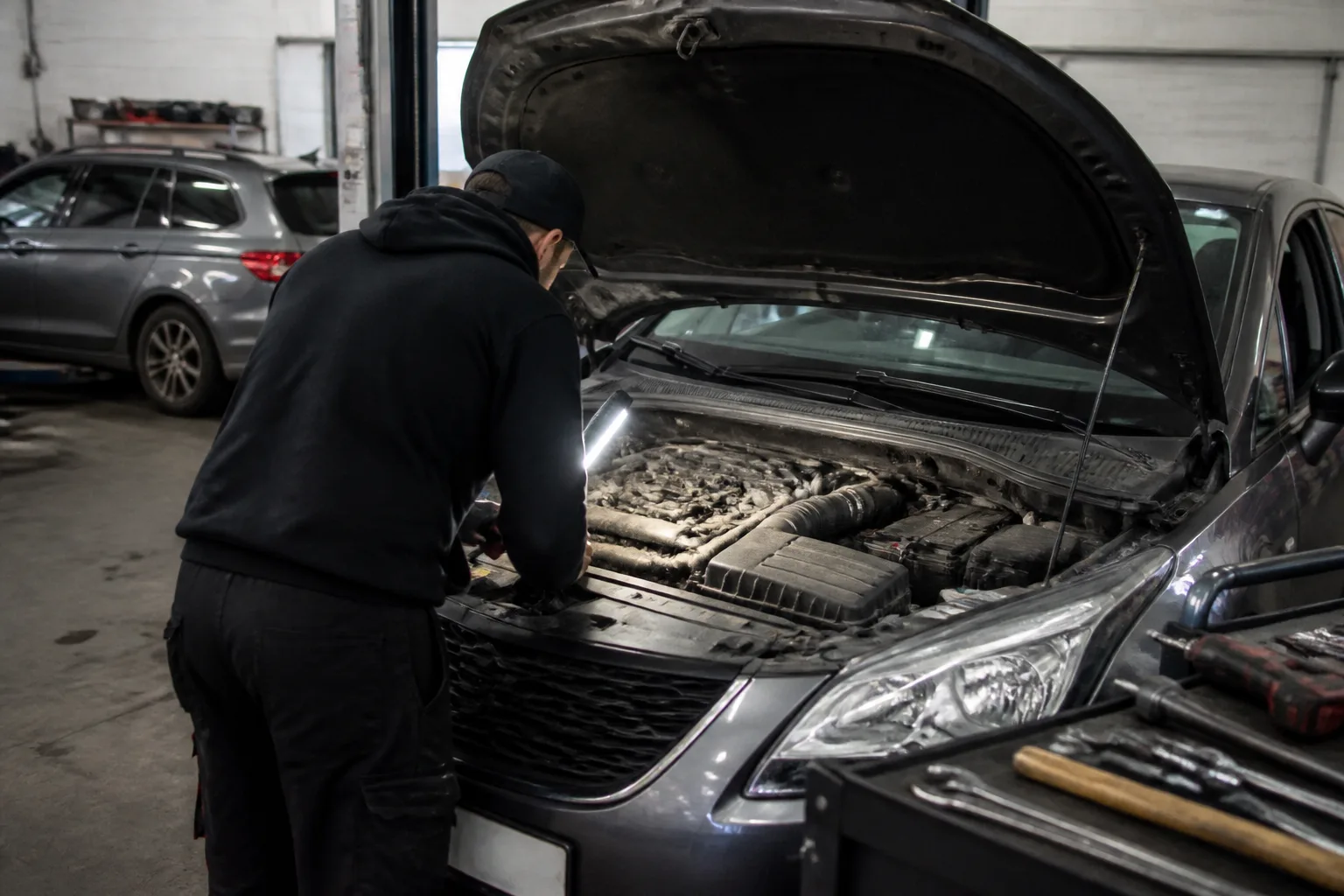
Hearing a knocking noise from your engine is unsettling, especially when the sound changes with engine speed or becomes louder under acceleration. The important point is that “knocking” can describe several different noises. Some are relatively minor, while others may indicate internal engine damage or a lubrication problem.
Without hearing the vehicle and carrying out checks, it is not possible to identify the cause with certainty. The timing of the noise, its location and the conditions in which it happens can all provide useful clues, but they are not a substitute for a proper inspection.
What kind of knocking noise can you hear?
Try to describe the noise rather than relying only on the word “knocking”. Is it a light metallic tapping, a deep thud, a rattle from the top of the engine or a noise that only appears when the engine is pulling hard? These differences matter.
- Light tapping or ticking: this may come from the valve train, fuel injectors, an exhaust leak or a component driven by the auxiliary belt.
- A metallic rattling under acceleration: this can sometimes be related to combustion occurring incorrectly, often described as pinking or detonation.
- A deep, regular knocking sound: this may be associated with serious internal engine wear, particularly if it follows engine speed.
- A loose or tinny rattle: a heat shield, exhaust component or another external part may be vibrating.
It is also useful to note whether the engine is cold or warm, whether the noise appears at idle or under load, and whether warning lights, smoke, loss of power or overheating are present.
Common reasons for an engine knocking noise
Low or incorrect engine oil
Engine oil lubricates moving parts and helps carry heat away from areas such as the crankshaft, camshaft and valve gear. If the oil level is very low, the wrong oil has been used or oil pressure is not correct, moving components may become noisy.
A low oil level is not always caused by a single obvious leak. Some engines consume oil over time, while others may lose it through a leak or an internal fault. If the oil pressure warning light is illuminated, switch off the engine as soon as it is safe to do so. Continuing to run an engine with inadequate lubrication can cause severe damage.
Combustion knock or pinking
Combustion knock happens when the fuel and air mixture burns in an uncontrolled way rather than in the normal flame pattern. Drivers may hear a light metallic rattling or pinging, commonly when accelerating, climbing a hill or using a high gear at low speed.
Possible contributing factors include a fault in the ignition or engine management system, incorrect fuelling, carbon deposits or a problem with sensors. Modern vehicles use electronic controls to manage combustion, so the cause should be checked rather than assumed. A diagnostic scan may be part of the investigation, but it does not replace physical checks.
Valve train or timing-related noise
The valve train is the group of components that opens and closes the engine’s valves. Wear, inadequate lubrication or a problem with a tensioner can cause tapping or rattling from the upper part of the engine. A timing belt or timing chain problem may also produce rattling, although the sound varies between engines.
Timing components are important because the valves and pistons must move in the correct relationship. If the timing is seriously affected, the engine may run poorly or suffer internal damage. Do not remove covers or attempt to adjust timing components yourself. A garage can assess the sound and inspect the relevant parts safely.
Worn internal engine components
A deeper knock that rises and falls with engine speed can indicate wear inside the engine. Components such as bearings, connecting rods or the crankshaft may be involved. This type of noise should be treated cautiously, particularly if it is getting louder, appears when the engine is warm or is accompanied by low oil pressure.
Internal engine wear cannot be confirmed from sound alone. However, driving on in the hope that the noise will disappear can turn a repairable fault into much more extensive damage. If the noise is deep, persistent or worsening, arrange professional advice before using the car again.
Exhaust, heat shield or auxiliary components
Not every knocking sound comes from inside the engine. A loose exhaust heat shield can rattle as the engine vibrates. An exhaust bracket, undertray or other nearby component may also knock against the bodywork. These noises are often more noticeable at particular engine speeds.
Parts driven by the auxiliary belt, such as the alternator, tensioner or air conditioning compressor, can also make rattling or knocking noises. Because these components are close to moving belts and pulleys, they are best inspected by a trained technician rather than examined with the engine running.
Safe checks you can make
There are a few basic observations that are reasonable to make without dismantling anything:
- Check the engine oil level on level ground, using the procedure in the vehicle handbook. Do not rely on the dashboard oil warning light as an oil-level gauge.
- Look for obvious fresh oil or coolant beneath the vehicle, but do not put yourself underneath an unsupported car.
- Note when the noise occurs, including whether it is present at cold start, idle, acceleration or when turning on the air conditioning.
- Check whether the engine warning light, oil pressure light or temperature warning has appeared.
- Pay attention to changes in power, starting, exhaust smoke, engine temperature or the smell of oil or coolant.
Do not place your hands near belts, fans or pulleys while the engine is running. Avoid removing engine covers or trying to locate the noise by touching components. If the oil level is dangerously low, a warning light is on or the engine is overheating, stop using the vehicle and seek advice.
Is it safe to drive with a knocking engine?
That depends on the cause, which cannot be established reliably from a description alone. A light rattle from a loose heat shield may not have the same risk as a deep internal knock, but both need to be distinguished properly.
Stop driving and arrange professional inspection if the noise is deep or rapidly worsening, the oil pressure warning light is on, the engine temperature is rising, there is a loss of power, the engine is misfiring, or smoke and fluid leaks are present. If the vehicle becomes unsafe or breaks down, move to a safe location where possible and follow appropriate roadside safety procedures.
If the noise is mild and the vehicle is otherwise operating normally, avoid hard acceleration and arrange an inspection soon. A technician may listen to the engine, check fluid levels and warning codes, inspect external components and carry out further tests where needed. You can find more information about the type of support available through Ashton’s Garage car repairs in Salisbury.
What information should you give the garage?
A useful description can help the garage understand how to begin the inspection. Record when the noise started, whether it followed servicing or another repair, and whether it changes with engine speed. Mention whether it is worse when the engine is cold, when the vehicle is accelerating uphill or when electrical loads and air conditioning are switched on.
It can also help to note any recent warning lights, oil top-ups, starting problems or changes in fuel economy. If your concern is connected with starting rather than noise alone, our guide to why a car can crank but not start may help explain the difference. Related battery symptoms are covered in why a car battery keeps going flat.
The sensible next step
An engine knocking noise should not be ignored, but it does not automatically mean the engine needs replacing. The sound may come from a relatively simple external part, or it may be an early sign of a fault that needs prompt attention. The safest approach is to avoid guessing, carry out only basic checks and have the vehicle assessed if the noise persists or is accompanied by warning signs.
Frequently asked questions
Can low engine oil cause a knocking noise?
Yes. Low oil or an oil-pressure problem can leave moving engine parts inadequately lubricated and may cause tapping or knocking. Check the oil level safely using the handbook guidance. If the oil warning light is on, switch off the engine and seek professional advice.
What does engine knocking sound like?
It can sound like a metallic ping, light tapping, rattling or a deeper regular thud. The description alone is not enough to identify the cause, so note when the sound happens and arrange an inspection if it persists.
Can I drive my car if the engine is knocking?
Avoid driving if the noise is deep, worsening or accompanied by an oil-pressure warning, overheating, smoke, loss of power or misfiring. If the noise is mild and the vehicle seems otherwise normal, avoid hard acceleration and arrange a garage inspection promptly.
Could a knocking noise come from the exhaust?
Yes. A loose heat shield, exhaust bracket or nearby undertray can create a rattle or knock at particular engine speeds. These external noises can sound similar to engine problems, which is why a proper inspection is useful.
Will an engine warning light always come on with a knocking noise?
No. Some mechanical or external noises may occur without a warning light. Conversely, a warning light may indicate an engine management fault without explaining the noise by itself. Both the sound and any dashboard warnings should be reported to the garage.
Related advice
Why Does My Engine Make a Ticking Noise?
A ticking engine can be harmless, but it may also point to an oil, exhaust, valve or timing problem. Learn what the sound could mean and when to arrange a professional inspection.
Why Does My Heater Blow Cold Air When the Engine Is Hot?
A car heater that blows cold air while the engine seems hot can point to low coolant, trapped air, a circulation problem or a fault inside the heating system. Here is what the symptoms may mean and when to arrange a professional inspection.
What Causes Rough Starting in Cold Weather?
Cold weather can expose a weak battery, worn spark plugs, fuel system fault or sensor problem. Here is what rough starting may mean and when to arrange a garage inspection.