What Does a Car Thermostat Do?
A car thermostat helps control engine temperature by regulating coolant flow. Learn how it works, the signs of a fault and when professional checks are needed.
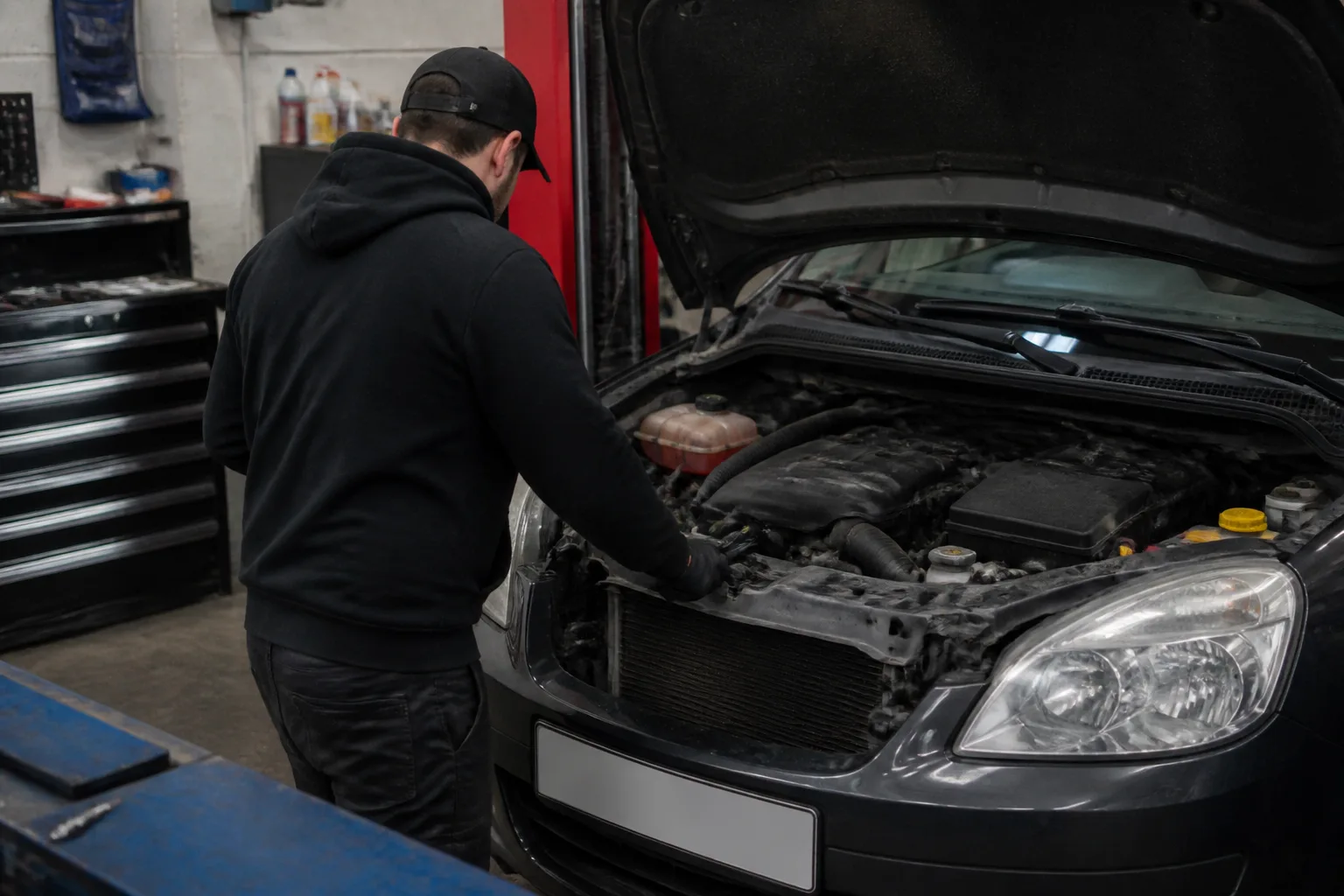
So, what does a car thermostat do? In simple terms, it helps the engine reach and maintain its correct operating temperature. It does this by controlling when coolant flows through the radiator.
The thermostat is a small part, but it has an important job. An engine that runs too cold may use more fuel and produce more emissions, while an engine that overheats can suffer serious damage. The thermostat helps keep the temperature within the range intended by the vehicle manufacturer.
How does a car thermostat work?
When you start a cold engine, the thermostat normally remains closed. This limits the flow of coolant to the radiator and allows the engine to warm up more quickly. Coolant still circulates through parts of the engine as required, but it does not immediately pass through the full cooling system.
Inside many thermostats is a temperature-sensitive wax element. As the coolant warms, the wax expands and moves a valve. This gradually opens the route to the radiator, allowing more coolant to flow through it and release heat into the surrounding air.
Once the engine reaches its normal operating temperature, the thermostat adjusts the coolant flow as conditions change. It is not simply permanently open or permanently closed. It continually responds to temperature, although the exact design varies between vehicles.
Why is the thermostat important?
The engine is designed to work within a particular temperature range. Reaching that range helps the oil flow as intended, supports efficient combustion and allows the vehicle's engine management system to operate correctly.
The thermostat also affects the vehicle's cabin heating. The heater uses hot engine coolant to warm air before it enters the passenger compartment. If the engine is taking too long to warm up, the heater may produce little or no useful heat, particularly on colder mornings.
A thermostat is only one part of the cooling system. Other important components include the coolant, radiator, water pump, cooling fan, hoses, temperature sensors and the engine control system. A fault in one of these parts can create symptoms that look similar to a thermostat problem.
What are the signs of a faulty thermostat?
A thermostat can fail in different ways, so the symptoms depend on whether it is stuck open, stuck closed or not regulating properly.
Engine takes a long time to warm up
If the thermostat is stuck open, coolant may flow through the radiator before the engine has reached its normal temperature. The temperature gauge may remain lower than usual, the cabin heater may be weak and the engine may take noticeably longer to warm up.
Some vehicles may also show an engine management warning light if the engine is not reaching the expected temperature within a reasonable period. However, this warning does not prove that the thermostat itself is at fault. A sensor, wiring issue or another cooling-system problem can produce similar results.
Engine temperature rises too far
If the thermostat remains closed, hot coolant may not reach the radiator properly. The engine can then become too hot, especially in slow traffic, when climbing hills or under heavy load.
An overheating warning, a temperature gauge moving into the red area, steam, or a strong smell of hot coolant should be treated seriously. Continuing to drive an overheating vehicle can cause expensive engine damage. Switch off safely as soon as it is practical, do not remove the coolant cap while the system is hot, and arrange professional assistance.
Temperature changes appear unusual
A gauge that rises and falls more than expected, or a vehicle that alternates between running hot and cool, may indicate a cooling-system fault. Air in the system, a low coolant level, a failing water pump, a radiator problem or a temperature sensor can all be possible causes.
Modern temperature gauges are not always a precise live display. In many cars, the needle is designed to stay around the normal position across a range of temperatures. This means a garage may need to compare the gauge reading with diagnostic information and physical checks rather than relying on the dashboard alone.
Can a faulty thermostat affect fuel economy?
It can. If the engine remains too cool, the engine management system may continue using a warm-up strategy for longer than intended. This can affect fuel consumption and emissions. The effect varies between vehicles and depends on the underlying fault, driving conditions and the time before the problem is repaired.
A thermostat fault is not the only possible reason for increased fuel use. Tyre pressures, driving style, servicing needs, a faulty oxygen sensor and other engine-management problems can also play a part. It is better to have the cause checked than to replace a part based on fuel consumption alone.
Can you drive with a thermostat problem?
That depends on the symptoms. A vehicle that is running slightly cooler than normal may still move under its own power, but it should not be ignored. Prolonged under-temperature running can affect efficiency and may point to another cooling-system issue.
Overheating is different. If the temperature warning appears, the gauge enters the red area, coolant is leaking, or steam is visible, continued driving may be unsafe and could damage the engine. Stop in a safe place and seek professional advice. Do not attempt to open a hot cooling system, and do not rely on topping up coolant without finding out why the level has fallen.
How is a thermostat fault checked?
A proper diagnosis usually considers the whole cooling system. A technician may inspect the coolant level and condition, look for leaks, check relevant fault codes and compare temperature readings as the engine warms up. They may also assess coolant circulation, the radiator fan and the operation of the cabin heater.
Because several faults can create similar symptoms, replacing the thermostat without checking the rest of the system is not always the best approach. A thermostat may be functioning correctly while a low coolant level, blocked radiator, failed water pump or inaccurate sensor is causing the temperature problem.
There is also a difference between a thermostat fault and a starting fault. If your main concern is that the vehicle will not start, battery and electrical checks may be more relevant. Our guides on why a car will not start and why a car battery keeps going flat cover those symptoms separately.
What should you do if you suspect a thermostat problem?
Pay attention to the temperature gauge, heater performance, warning lights and any signs of coolant loss. Do not remove a coolant cap while the engine is hot, and avoid carrying out dismantling or cooling-system repairs at the roadside.
If the vehicle is overheating or showing signs of a serious coolant leak, stop driving and arrange an inspection. For less urgent symptoms, such as slow warm-up or poor cabin heat, a garage can test the cooling system and explain whether the thermostat or another component is responsible. If you are in Salisbury or the surrounding area, Ashton's Garage can help investigate cooling-system and engine-temperature concerns without assuming the cause before the vehicle has been checked.
A thermostat is a relatively small component, but it protects the engine from operating too cold or too hot. Understanding its role can help you recognise a developing problem early, while a proper inspection is the safest way to identify the actual fault.
Frequently asked questions
What happens when a car thermostat fails?
A thermostat may stick open, causing slow warm-up and weak cabin heating, or stick closed, which can restrict coolant flow and lead to overheating. Other cooling-system faults can cause similar symptoms, so testing is needed before confirming the cause.
How long does a car thermostat usually last?
There is no universal replacement interval for every vehicle. Thermostat life depends on the vehicle, its cooling system and maintenance history. It is normally replaced when testing shows that it is not regulating temperature correctly.
Can a bad thermostat cause the heater not to work?
It can contribute to poor cabin heating, particularly if it is stuck open and the engine does not reach its normal temperature. Low coolant, air in the cooling system, a blocked heater component or a control fault can also cause weak heat.
Is it safe to drive with an overheating engine?
Continuing to drive while the engine is overheating can cause serious damage and may leave you stranded. Stop safely when possible, do not open the hot coolant system, and arrange professional assistance.
Related advice
Why Does My Engine Make a Knocking Noise?
An engine knocking noise can come from anything from combustion problems to low oil or a loose exhaust part. Learn what the sound may mean, what you can safely check and when to stop driving.
Why Does My Engine Make a Ticking Noise?
A ticking engine can be harmless, but it may also point to an oil, exhaust, valve or timing problem. Learn what the sound could mean and when to arrange a professional inspection.
Why Does My Heater Blow Cold Air When the Engine Is Hot?
A car heater that blows cold air while the engine seems hot can point to low coolant, trapped air, a circulation problem or a fault inside the heating system. Here is what the symptoms may mean and when to arrange a professional inspection.