How to Prepare Your Car for Frost
A practical guide to getting your car ready for frosty mornings, including checks for the battery, tyres, fluids, visibility and door seals.
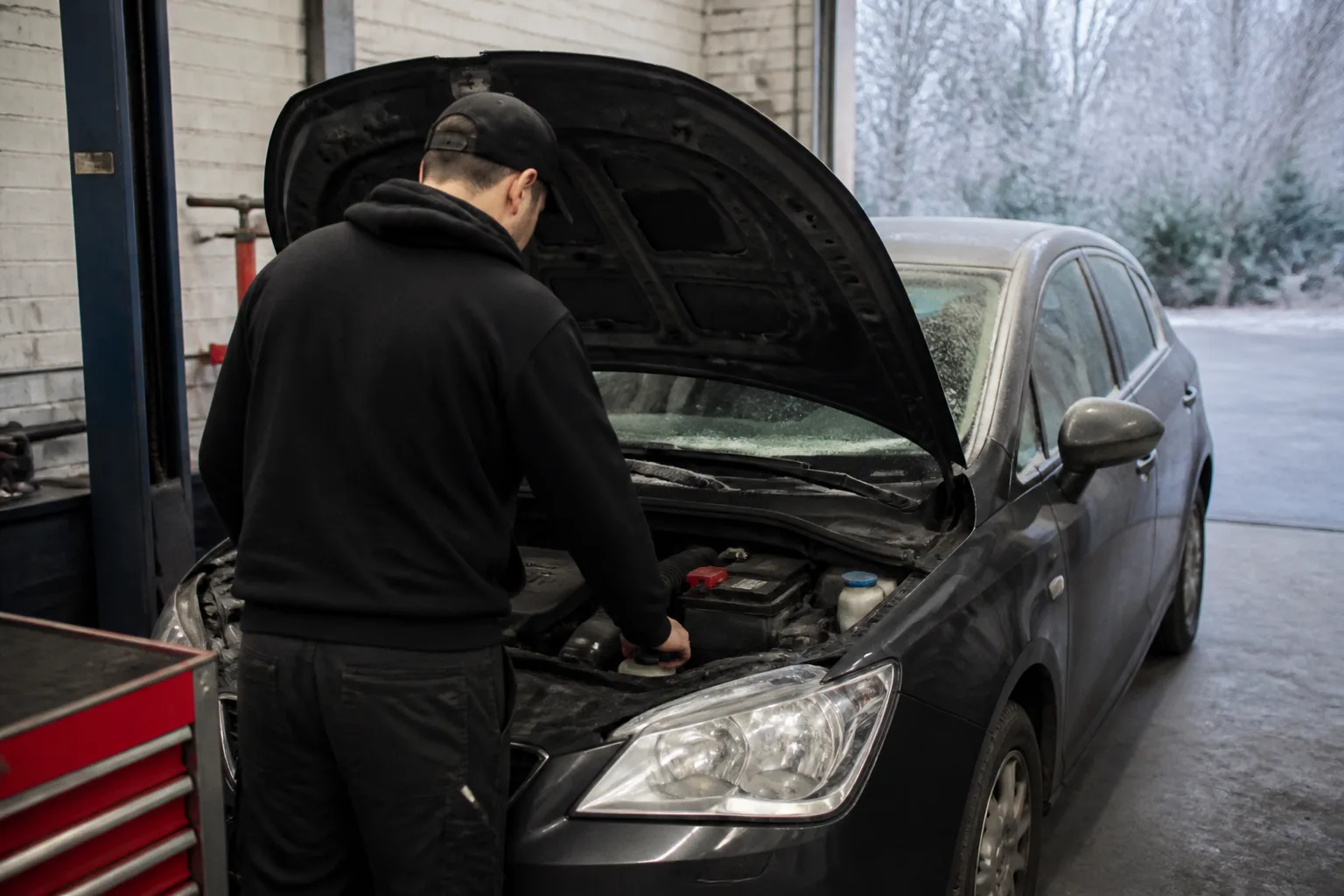
Frost can turn a routine morning drive into a difficult and potentially unsafe journey. Frozen windows reduce visibility, a cold engine places extra demand on the battery, and low temperatures can expose existing problems with tyres, wipers, fluids and door seals.
The good news is that preparing your car for frost does not require complicated work. A few sensible checks before winter arrives can help you spot deterioration early and make frosty mornings less stressful. This guide explains what to check, what you can safely do yourself and when it is better to ask a garage to inspect the car.
Check the battery before the first cold snap
Cold weather makes it harder for a battery to deliver the power needed to start the engine. At the same time, winter often means using the headlights, heater blower, heated rear window and heated seats more frequently. These electrical demands can place additional strain on a battery that is already losing capacity.
Look out for warning signs such as a slower-than-usual engine crank, lights that appear dimmer when starting, or the need to try more than once before the engine fires. These symptoms do not prove that the battery is the only problem, because the charging system or another fault could also be involved. However, they are good reasons to arrange a proper check rather than waiting for the car not to start.
Keep the battery terminals visibly clean and secure, but do not dismantle electrical components or attempt a repair unless you know exactly what you are doing. If your car has been left unused for long periods, regular journeys may not be enough to restore a weak battery. A garage can test the battery and charging system as part of a wider vehicle service in Salisbury.
Make sure the windscreen and lights can be cleared
Never set off with only a small patch of clear glass. Frost, condensation and road spray can combine to reduce your view of pedestrians, cyclists and other vehicles. Allow enough time to clear the windscreen, side windows, mirrors and lights properly.
Use the car's demisting controls and a proper ice scraper. A suitable de-icer can help with stubborn frost. Do not pour boiling water over the glass, as a sudden temperature change may damage it, particularly if there is already a chip or crack. Avoid using the windscreen wipers to scrape ice away, because this can damage the blades and put unnecessary strain on the wiper mechanism.
Check that the wipers leave a clean sweep rather than smearing or missing sections of the screen. Wiper blades become harder and less effective over time. If the rubber is split, lifted or leaving persistent streaks, replacement may be sensible before winter weather becomes more frequent.
Also check that all exterior lights are working and that their lenses are clean. Dirt and salt can make lights less effective, even when the bulbs themselves are working normally.
Inspect the tyres and check pressures
Tyres are important in frosty conditions because grip can already be reduced by ice, damp roads and low temperatures. Start with a visual inspection. Look for cuts, cracks, bulges or objects lodged in the tread or sidewall. Check that the tread is wearing evenly and that no tyre appears noticeably softer than the others.
Check tyre pressures when the tyres are cold, using the pressure figures in the vehicle handbook or on the manufacturer's information label. Do not rely on the maximum pressure moulded into the tyre sidewall, as this is not usually the recommended pressure for your particular car.
A tyre pressure warning light should not be ignored. It may indicate a puncture, a slow leak or a pressure change caused by colder weather. If a tyre is visibly damaged, losing pressure or has a bulge, do not continue driving on it. Stop somewhere safe and arrange professional assistance or an inspection. A damaged tyre can affect control and may not be safe to use.
For a broader seasonal check, you may also find our winter car maintenance checklist useful.
Check screenwash and other fluids
Use a screenwash product that is suitable for winter temperatures and follow the mixing instructions on the container. Plain water can freeze and may not clean the windscreen effectively when roads are dirty. A low screenwash level is easy to overlook, but it can become a serious visibility problem when spray from other vehicles covers the glass.
Check the levels of engine oil and coolant in line with the vehicle handbook. Only check fluids in the way recommended by the manufacturer, usually with the engine switched off and sufficiently cool. Do not remove a coolant cap from a hot engine, because pressurised coolant can cause serious burns.
Coolant does more than prevent freezing. It also helps protect the cooling system and control engine temperature. If the coolant level repeatedly falls, or you notice a coloured patch beneath the car, arrange an inspection rather than repeatedly topping it up without finding the cause.
Protect doors, locks and rubber seals
Frost can make door seals stick and can leave locks difficult to use. Check that the rubber seals are clean and sitting correctly. Keeping them clean can reduce the chance of dirt and moisture freezing the door shut.
If a door is frozen, do not force the handle. Excessive force can damage the handle, seal or locking mechanism. Use a product designed for the relevant lock or seal and follow its instructions. Do not use an open flame near the car. If the problem happens repeatedly, a garage can check whether the lock or seal needs attention.
It is also worth checking that the boot opens and closes securely. A poorly closing door or tailgate can allow water into the vehicle and may create a security or roadworthiness concern.
Keep useful winter items in the car
A small amount of preparation can make an unexpected delay more manageable. Depending on your circumstances, consider carrying an ice scraper, de-icer, gloves, a torch, a phone charger and a reflective or high-visibility item. Keep the windscreen washer bottle topped up and avoid leaving loose objects where they could interfere with the pedals.
Before setting off, clear snow and ice from the roof, bonnet, boot and lights as well as the windows. Snow left on the roof can slide forwards under braking or blow onto another vehicle. Loose snow can also fall into the road and affect other road users.
Give the car time to warm up safely
Modern cars generally do not need a long period of idling on the driveway. Clear the windows fully, start the car as instructed in the handbook and drive gently until the engine and other components reach normal operating temperature. Avoid harsh acceleration, heavy braking and high engine speeds while the car is cold.
If the engine does not start, avoid repeatedly holding the starter for long periods. Doing so can flatten the battery and may make the original problem harder to resolve. Turn off unnecessary electrical equipment and seek assistance if the car will not start normally.
Notice problems before frost makes them worse
Frost does not usually create every fault from nothing. It can reveal a battery that was already weak, a tyre that was already losing pressure, or a cooling system that was already below its proper level. A warning light, unusual noise, fluid leak or change in how the car drives should be treated as a sign to investigate the cause.
If the temperature gauge rises unusually high, a coolant warning appears, steam comes from the engine bay or the car begins to lose power, stop in a safe place and switch off the engine. Continuing to drive an overheating vehicle can cause further damage and may leave you in an unsafe position. Problems affecting steering, braking, tyres or visibility also justify stopping and arranging professional advice rather than taking chances.
For more detail on one of the most common cold-weather concerns, read our guide to how cold weather affects your car battery. Our summer car maintenance checklist covers the different checks needed when temperatures rise.
When a garage inspection makes sense
A professional inspection is sensible if the battery is struggling, tyre pressures keep falling, warning lights remain on, coolant is disappearing or the car behaves differently in cold conditions. A technician can check the underlying condition rather than relying on a quick visual assessment, helping you decide whether the car simply needs routine maintenance or whether a fault needs attention.
Preparing for frost is mainly about visibility, grip, starting reliability and avoiding preventable problems. Carrying out the basic checks above and dealing with warning signs early can help keep winter journeys straightforward without turning seasonal maintenance into a complicated task.
Frequently asked questions
Should I use boiling water to remove frost from my windscreen?
No. Boiling water can create a sudden temperature change that may damage the glass, especially if it already has a chip or crack. Use the demister, a proper ice scraper and suitable de-icer instead.
Does cold weather reduce car battery performance?
Yes, low temperatures can make it harder for a battery to provide starting power. Winter also increases the use of lights, heaters and heated screens. Slow cranking or repeated starting attempts should be checked before the battery fails.
Do I need to change my tyres for frosty weather in the UK?
There is no universal need to change tyres solely because frost is forecast. Check that your existing tyres have suitable pressure, adequate condition and no visible damage. A tyre specialist or garage can advise if your driving conditions or tyre condition raise concerns.
What should I do if my car will not start on a frosty morning?
Avoid repeated long attempts, switch off unnecessary electrical equipment and follow the vehicle handbook. If the car still will not start, arrange assistance or a professional inspection rather than repeatedly draining the battery.
Is it safe to drive if a tyre pressure warning light comes on in cold weather?
Check the tyres as soon as it is safe. Cold temperatures can affect pressure, but the warning may also indicate a puncture or slow leak. Do not drive on a visibly damaged or rapidly deflating tyre.
Related advice
How to Clear Your Windscreen Safely in Winter
Learn how to clear frost, ice and condensation from your windscreen safely in winter, using the right tools and avoiding damage to the glass, wipers and paintwork.
How Often Should Wiper Blades Be Replaced?
Wiper blades do not have a fixed expiry date, but most need checking regularly and replacing when they stop clearing the windscreen properly. Learn what affects their lifespan and which warning signs should not be ignored.
Why Does My Car Air Conditioning Smell?
A bad smell from your car air conditioning is often linked to moisture, a dirty cabin filter or contamination in the ventilation system. Learn what the smell may mean and when professional attention is sensible.