Summer Car Maintenance Checklist: Prepare Your Car for Warmer Weather
Use this practical summer car maintenance checklist to prepare your car for warmer weather, longer journeys and holiday travel. It covers tyres, fluids, air conditioning, visibility, battery health and sensible safety checks.
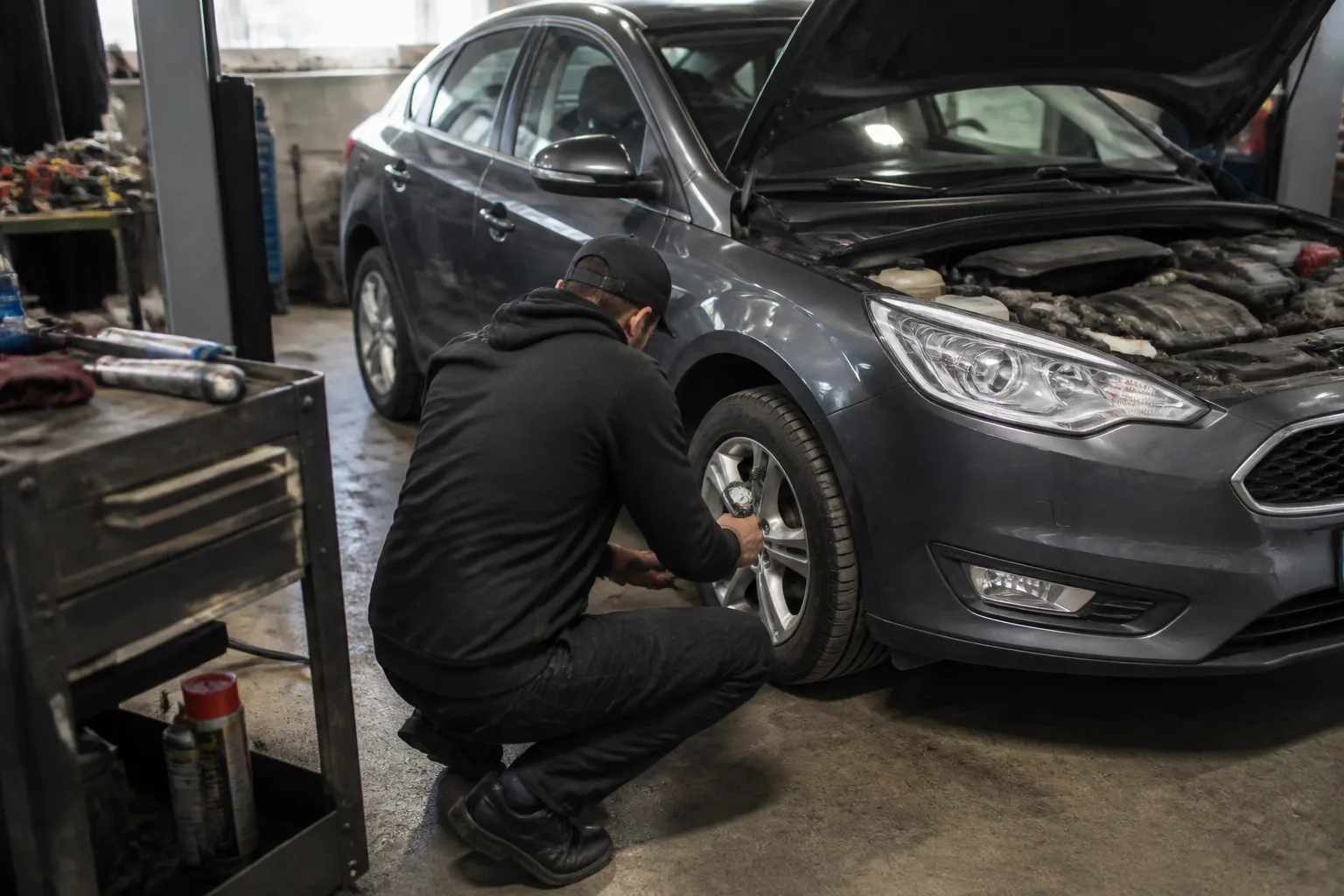
A summer car maintenance checklist is useful before longer journeys, warmer weather and busy holiday travel. Although summer conditions are generally kinder to vehicles than winter, heat, strong sunlight, high cabin temperatures and extra mileage can still expose problems that are easy to miss during ordinary short trips.
You do not need to dismantle anything or carry out complicated repairs at home. A few safe checks can highlight issues early, while a professional inspection can deal with faults that are not suitable for a roadside or driveway diagnosis.
1. Check your tyres before longer journeys
Tyres are one of the most important items to check before summer driving. Look at the tread and sidewalls for uneven wear, cuts, cracks, bulges or anything that appears embedded in the rubber. A damaged or misshapen tyre should not be treated as a minor cosmetic issue, particularly if you are planning motorway travel.
Check the pressures when the tyres are cold and use the vehicle manufacturer's recommended figures. These are usually found in the handbook, on a label around the driver's door area or inside the fuel flap. Some cars have different pressure recommendations for a heavily loaded vehicle, so check the relevant figures before carrying luggage and passengers.
Do not judge tyre pressure by appearance alone. A tyre can look acceptable while being under-inflated. Pressure can also change as temperatures change, so it is sensible to include this check in your seasonal routine. Our guide to checking tyre pressure when the temperature changes explains why this matters.
If you find a bulge, serious cut, exposed material or a tyre that is losing pressure, avoid driving on it unless a professional has confirmed that it is safe. Tyre damage can affect control and braking.
2. Check engine oil and other fluids
Engine oil helps lubricate and protect the engine, but it is only effective when the level is suitable and the correct specification is used. Park on level ground, allow the engine to cool as appropriate for your vehicle and follow the handbook when checking the oil level. If the oil warning light comes on while driving, do not assume that simply topping up will solve the problem. Stop safely and seek advice.
It is also worth checking the visible levels of coolant, screenwash and brake fluid, if your vehicle design allows you to do so safely. Never remove a coolant cap from a hot engine, because pressurised coolant can cause serious burns. If the coolant level is repeatedly low, there may be a leak or another fault that needs investigation.
Keep the screenwash reservoir filled with a product suitable for the season. A clean windscreen is important when low sun, glare, insects or road spray affect visibility. Avoid using plain water as a long-term substitute, as it may not clean the screen effectively and can contribute to system problems.
3. Test the air conditioning before you need it
Air conditioning is useful for comfort, but it also helps demist the windows quickly. Turn it on before a long journey and check whether the air becomes noticeably cooler after a short period. A slight delay can be normal, but warm air, unusual smells, poor airflow or strange noises may indicate that the system needs attention.
Do not attempt to open or refill the air conditioning system yourself. Refrigerant systems require appropriate equipment and safe handling. A garage can assess whether the issue is related to the refrigerant, the compressor, electrical controls, the cabin filter or another part of the system.
If the system smells musty, replacing the cabin filter may help, although an odour can have more than one possible cause. A professional can advise if cleaning or further inspection is needed.
4. Inspect wipers, washers and visibility
Summer driving can still bring heavy rain, and a worn wiper blade can quickly make a windscreen difficult to see through. Look for splitting, lifting or streaking when the wipers are used. Check that the washers spray the screen properly and that the jets are not blocked.
Clean the inside and outside of the glass, especially if there is a greasy film that becomes obvious in bright sunlight. Check the mirrors, lights and number plate are clean enough to remain visible. If a warning light appears or a lamp is not working, have the cause checked rather than relying on a temporary workaround.
5. Look for signs of overheating
Warm weather and slow traffic can place extra demands on the cooling system. Keep an eye on the temperature gauge or temperature warning message while driving. Steam, a strong coolant smell, visible leaks or a temperature reading that rises above its normal position should not be ignored.
If your vehicle begins to overheat, stop somewhere safe as soon as possible, switch off the engine and allow it to cool. Do not remove the coolant cap while the engine is hot. Continuing to drive may cause serious damage, and the underlying fault cannot be diagnosed reliably from the dashboard reading alone.
6. Check the battery and electrical equipment
Hot weather can be hard on a car battery, even though starting problems are often associated with winter. Look for warning signs such as slow starting, dim lights or repeated electrical faults. If the battery is several years old or the car has been used mainly for short trips, it may be sensible to ask for its condition and charging system to be checked.
Before travelling, test the headlights, brake lights, indicators, hazard lights and reversing lights. Ask someone to watch the exterior lights while you operate them, or use reflections safely where appropriate. Do not rely only on an instrument panel warning, as not every failed bulb produces one.
You can read more about seasonal battery concerns in our guide to how cold weather affects your car battery. While the article focuses on winter, the general lesson is useful: a battery that is already weak may be exposed by changing conditions at any time of year.
7. Prepare the car for passengers and luggage
Remove unnecessary items from the boot and make sure luggage cannot move around the cabin. Keep the driver's view clear and avoid placing loose objects where they could interfere with the pedals or become projectiles during sudden braking.
If the car has a temporary spare wheel, check that it is present and appears correctly inflated. Some vehicles use a repair kit instead, so confirm that the sealant and compressor are still available and within any stated use-by period. If you are unsure how your car's system works, check the handbook before setting off rather than waiting for a puncture.
8. Do not overlook brakes and steering
Pay attention to changes such as pulling to one side, vibration under braking, a soft brake pedal, grinding noises or unusual steering effort. These symptoms can have several possible causes, so they should not be diagnosed remotely or ignored because the car still appears driveable.
If braking or steering feels unsafe, stop driving when it is safe to do so and arrange professional assistance. The same applies if a tyre is damaged or the vehicle is overheating. For less urgent concerns, a planned inspection or vehicle service in Salisbury can identify maintenance issues before they become more disruptive.
9. Consider a check before a long trip
A summer check is particularly worthwhile if the car has recently completed a high mileage, has been unused for a long period or is due a service. A garage can inspect the items that are difficult to assess at home, including brakes, suspension, steering, battery charging and cooling system components.
The aim is not to replace routine maintenance with a seasonal checklist. Instead, use these checks as a sensible prompt to notice changes and deal with them at the right time. Keeping a record of warning lights, fluid loss, noises or handling changes can also help a technician understand what needs investigating.
Summer car maintenance checklist summary
- Check cold tyre pressures, tread and sidewalls.
- Check oil, coolant and screenwash safely.
- Test the air conditioning and demisting performance.
- Inspect wipers, washers, glass, mirrors and lights.
- Watch for signs of overheating and never remove a hot coolant cap.
- Pay attention to slow starting and other battery warning signs.
- Secure luggage and check the spare wheel or puncture repair kit.
- Take braking, steering, tyre and cooling system concerns seriously.
If you are unsure about a fault or preparing for a particularly long journey, Ashton’s Garage can help assess the vehicle and explain what needs attention. You can contact the garage for practical advice without assuming that every seasonal check requires major work.
Frequently asked questions
How often should I check my car before summer journeys?
Check tyre pressures, visible fluid levels, lights and windscreen visibility before any long journey. A broader seasonal check is sensible if the car has been unused, is due a service or has developed unusual noises, warning lights or handling changes.
Can hot weather affect my car battery?
Yes. Heat can place stress on a battery, and an ageing or weak battery may show problems when conditions change. Slow starting, dim lights and repeated electrical issues are reasons to arrange a battery and charging-system check.
What should I do if my car overheats in summer?
Stop safely as soon as possible, switch off the engine and allow it to cool. Do not remove the coolant cap while the engine is hot. Arrange professional assistance, particularly if there is steam, a coolant leak or a repeated rise in temperature.
Should I check tyre pressure when the weather gets warmer?
Yes. Check the pressures when the tyres are cold and compare them with the vehicle manufacturer's recommended figures. Temperature changes can affect pressure, so checking it as part of regular maintenance is sensible.
Related advice
How to Clear Your Windscreen Safely in Winter
Learn how to clear frost, ice and condensation from your windscreen safely in winter, using the right tools and avoiding damage to the glass, wipers and paintwork.
How Often Should Wiper Blades Be Replaced?
Wiper blades do not have a fixed expiry date, but most need checking regularly and replacing when they stop clearing the windscreen properly. Learn what affects their lifespan and which warning signs should not be ignored.
How to Prepare Your Car for Frost
A practical guide to getting your car ready for frosty mornings, including checks for the battery, tyres, fluids, visibility and door seals.