How Cold Weather Affects Your Car Battery
Cold weather can make a healthy car battery work harder and expose weaknesses in an older one. Learn why batteries struggle in winter, what signs to watch for and how to reduce the chance of a non-start.
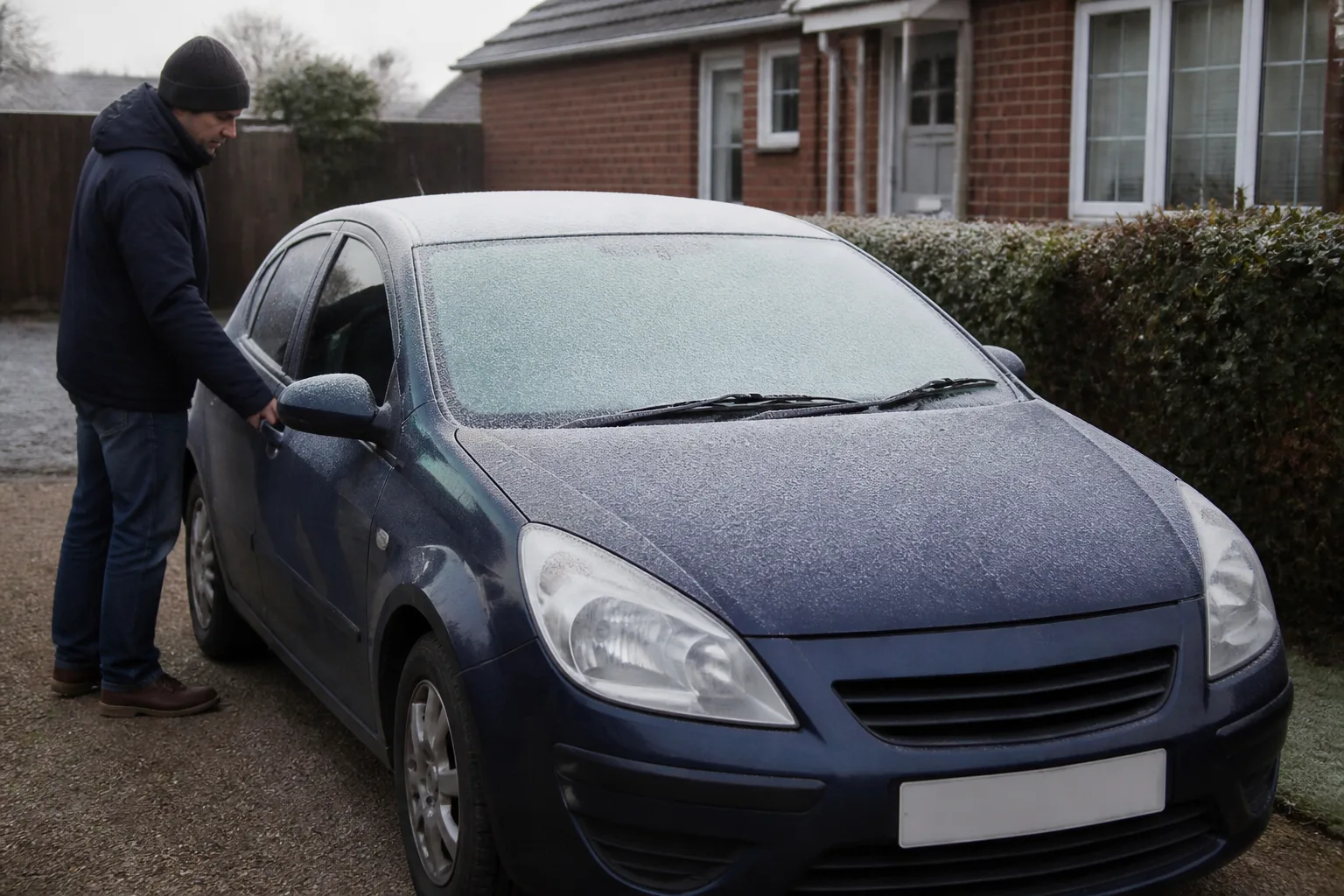
Cold weather can make starting a car more difficult, especially if the battery is already ageing or has not been fully charged. If your car sounds slow to start on a frosty morning, the battery may be struggling, although other faults can cause similar symptoms.
Understanding how cold weather affects your car battery can help you spot a developing problem before you are left unable to start the vehicle. It also helps to know what you can safely check yourself and when a battery, charging system or starting circuit needs professional attention.
Why does cold weather affect a car battery?
A car battery relies on chemical reactions to produce electrical energy. Low temperatures slow those reactions, so the battery cannot deliver energy as easily as it can in mild conditions. A battery that is already weak may have enough power in warmer weather but struggle when temperatures fall.
At the same time, the engine usually needs more effort to turn over when it is cold. Engine oil becomes thicker, increasing resistance inside the engine. The starter motor therefore has to work harder, while the battery is less able to supply the current it needs. These two effects combine to make winter starting more demanding.
Cold weather itself does not necessarily mean your battery is faulty. However, it can reveal a battery that has lost capacity through age, repeated short journeys or extended periods of undercharging.
Signs that your battery may be struggling
There are several warning signs to look out for, including:
- The engine turns over more slowly than usual when you start the car.
- You hear a clicking sound, or the starter turns briefly and then stops.
- The interior lights or dashboard appear noticeably dim while starting.
- Electrical equipment behaves inconsistently after the car has been parked.
- The car needs a jump start more than once.
- A battery or charging warning light appears on the dashboard.
These symptoms do not prove that the battery is the only problem. A weak alternator, poor electrical connection, starter motor fault or unwanted electrical drain can produce similar results. Replacing the battery without checking the wider charging and starting system may not solve the underlying issue.
Why short journeys can make winter problems worse
Starting the engine uses a considerable amount of battery energy. The alternator replaces that energy while the engine is running, but a short journey may not give it enough time to restore the charge. This is more noticeable in winter because the car may also be using the heater blower, heated screens, lights, wipers and seat heaters.
Repeated short trips can therefore leave the battery progressively less charged. If the car is then left outside in freezing conditions, the reduced performance may be enough to prevent it starting the next morning.
Where possible, combining several short errands into one journey can reduce the number of starts. Do not leave the engine running unattended simply to charge the battery. Idling is not always an effective substitute for normal driving, and it can create safety and environmental concerns.
How to reduce the chance of a winter non-start
Check the battery and its connections
Look for obvious signs of damage, swelling or leakage around the battery. Corrosion or looseness at the terminals can restrict the flow of electricity, although electrical work should only be carried out if you are confident doing so safely. Do not handle a damaged battery.
A battery test can assess its condition more reliably than looking at its exterior. A garage can also check whether the alternator is charging correctly and whether the starter circuit is drawing an unusual amount of current.
Limit unnecessary electrical use before starting
Before turning the key or pressing the start button, switch off items such as the heated rear window, blower fan, lights and seat heaters where practical. These systems should not normally prevent a healthy vehicle starting, but reducing the electrical load can help when conditions are difficult.
Once the engine has started, clear windows properly before driving. Never drive with frost or condensation restricting your view.
Use a suitable charger if the car is parked for long periods
If a vehicle is regularly left unused, a suitable battery maintainer may help keep the battery charged. It must be compatible with the vehicle and connected according to the manufacturer’s instructions. Some modern cars have sensitive electronics, so avoid guessing if you are unsure which charging method is appropriate.
A charger will not repair a battery that has reached the end of its useful life. It may also mask a fault if the battery is losing charge because of an electrical drain or a charging-system problem.
What should you do if the car will not start?
First, check that the symptoms are not caused by something simple, such as the vehicle being left in gear when it should be in neutral or the key fob battery being flat. If the engine does not turn over, or only clicks, avoid repeatedly trying the starter. Repeated attempts can further reduce the available charge.
If you use jump leads or a portable jump starter, follow the vehicle and equipment instructions carefully. Incorrect connections can damage electrical components and create sparks. Do not attempt to jump-start a battery that is cracked, leaking, badly swollen or otherwise damaged.
If the engine starts after a jump, this does not confirm that the battery needs replacing. The battery may need testing, or the alternator may not be charging it properly. If the car stops again, shows a charging warning light or develops other electrical problems, arrange professional assistance rather than relying on repeated jump starts.
When should the battery be checked?
It is sensible to have the battery checked if the engine is consistently slow to turn, the vehicle needs jump-starting or the battery is several years old and winter starting has become noticeably harder. Battery life varies with vehicle use, climate, maintenance and the electrical demands of the car, so age alone is not a diagnosis.
Modern vehicles can also be sensitive to the wrong battery type or an incorrect replacement procedure. Cars fitted with stop-start technology may require a specific battery and, on some models, the battery management system may need to be reset or registered after replacement. Hybrid and electric vehicles have high-voltage systems that should not be worked on by an unqualified person. This article concerns the conventional 12-volt battery and does not replace the manufacturer’s instructions.
If you are unsure whether the problem is the battery, alternator or starter motor, an inspection can identify the likely cause before parts are replaced. Ashton's Garage can help with routine vehicle checks and servicing in Salisbury through the vehicle servicing service.
Cold-weather battery checklist
- Pay attention to slower-than-usual engine cranking.
- Avoid relying on repeated jump starts without finding the cause.
- Reduce unnecessary electrical loads before starting where practical.
- Have the battery and charging system tested if starting trouble repeats.
- Follow the correct instructions when using jump leads or a charger.
- Do not use or drive a vehicle if a damaged battery, burning smell or serious electrical fault makes it unsafe.
For wider winter preparation, see our winter car maintenance checklist. It is also worth checking tyre pressures when temperatures change, as covered in our guide to tyre pressure and temperature.
Cold weather places extra demand on a car, but a slow start is useful information rather than something to ignore. Checking the battery and charging system early can help distinguish normal winter strain from a fault that needs attention.
Frequently asked questions
Can cold weather drain a car battery?
Cold weather can reduce a battery's ability to deliver power, while cold oil makes the engine harder to turn. It may therefore appear drained or fail to start, particularly if the battery is already weak or was not fully charged.
How can I tell whether the battery or alternator is at fault?
Slow cranking often points towards a battery or starting-system issue, while a battery that repeatedly loses charge may also indicate an alternator or electrical-drain fault. The symptoms overlap, so testing is more reliable than replacing parts based on guesswork.
Should I drive after jump-starting my car?
A jump-start may get the engine running, but it does not confirm that the vehicle is reliable or that the battery is charging correctly. If the problem repeats, a warning light appears or the vehicle develops electrical symptoms, arrange an inspection rather than continuing to rely on jump starts.
Can short journeys damage a car battery?
Short journeys do not automatically damage a battery, but repeated starts may use more energy than the alternator can replace during each trip. Over time, this can leave the battery undercharged and more likely to struggle in cold weather.
Can I replace a car battery myself?
Some batteries can be replaced by a competent owner, but modern vehicles may need a particular battery type and a battery-management reset or registration. If the battery is damaged, the vehicle has stop-start technology or you are unsure, professional fitting is safer.