What Should You Keep in Your Car for a Winter Journey?
A practical guide to the clothing, equipment and basic supplies worth carrying in your car for winter journeys in the UK, plus sensible checks before you set off.
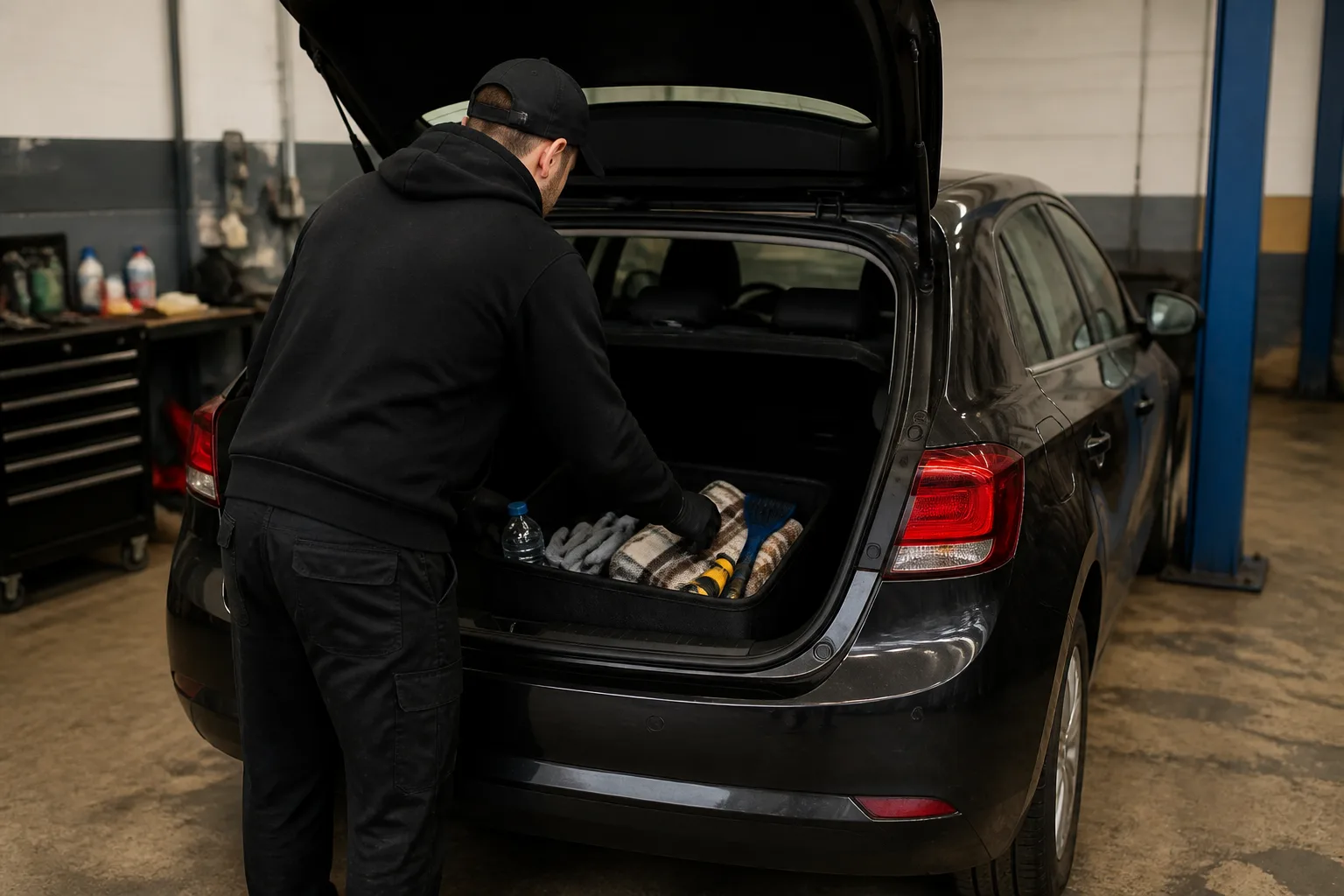
Knowing what should you keep in your car for a winter journey can make an uncomfortable delay much easier to manage. In the UK, winter driving can involve freezing temperatures, poor visibility, heavy rain, standing water and occasional snow or ice. Even a journey that normally takes less than an hour can become longer if traffic stops or conditions deteriorate.
The aim is not to fill the boot with every possible piece of equipment. A sensible winter kit should help you stay warm, visible and able to communicate while you wait for assistance. It should also support simple owner checks without encouraging you to carry out repairs at the roadside.
Warm clothing and blankets
Keep at least one warm layer in the car, particularly if you are travelling with children, older passengers or anyone who may be vulnerable to the cold. Useful items include a coat, hat, gloves, warm socks and a blanket. These can be packed into a small bag and kept somewhere accessible rather than buried underneath luggage.
It is worth carrying suitable footwear too. Shoes that are fine for a short walk from the house to the car may not be suitable if you need to move safely around a cold or wet vehicle. Avoid leaving valuable clothing in plain sight, but do not make the kit so inconvenient to reach that you would ignore it when needed.
A phone, charger and means of finding help
A charged mobile phone is one of the most useful items in any vehicle. Take a charging cable and consider keeping a charged power bank in the car. Check it periodically, as power banks lose charge while stored and may not work when you need them.
It is also sensible to have breakdown assistance details available offline. Mobile coverage can be unreliable in some areas, and you may not be able to search for a policy number or telephone number if your phone battery is low. Write down important contact details or save them in a form you can access without an internet connection.
If you are delayed, share your location with your chosen contact or breakdown provider where possible. Keep the phone available for essential communication rather than using its battery for entertainment or unnecessary searches.
Visibility and basic roadside items
A torch is useful if you need to look around the car after dark. An LED torch with spare batteries, or a rechargeable torch that is kept charged, is preferable to relying on your phone light. A head torch can leave both hands free, although it should not be used while driving.
A high-visibility vest or jacket can make you easier to see if you need to leave the vehicle. Store it where it can be reached from inside the cabin, rather than under luggage in the boot. If you are carrying a warning device, follow its instructions and use it only when it is safe to do so. Do not walk onto a live carriageway to place or retrieve equipment.
Keep a small first aid kit in the car, along with any essential medication you may need during the journey. Check expiry dates occasionally. A basic kit is intended for minor issues and should not be treated as a substitute for medical help.
Items for ice, snow and poor weather
A robust ice scraper and a suitable de-icer are useful for clearing windows before you set off. Clear all windows, mirrors, lights and number plates properly. Do not rely on a small patch of clear glass or try to drive while visibility remains restricted.
A pair of gloves will make clearing frost more comfortable. A small folding shovel can be helpful if the car becomes stuck in loose snow, although it will not solve every recovery situation. Avoid aggressive attempts to free a vehicle if the wheels are spinning or the car is close to traffic, a slope or a drop.
Depending on the journey, you may also want a bag of grit or absorbent material to improve traction around a driven wheel. Keep expectations realistic. If the vehicle is deeply stuck, recovery assistance is usually safer than repeated acceleration, which can damage the tyres or transmission and leave the car in a more difficult position.
Food, water and practical supplies
Bottled water and a few non-perishable snacks are sensible additions to a winter journey kit. Choose items that will cope with being stored in a car and replace them if they become damaged or out of date. This is especially useful when travelling with children, but it can help any driver who is delayed for several hours.
Other practical items may include tissues, hand sanitiser, a small rubbish bag and spare screenwash suitable for cold conditions. Keep screenwash topped up before a long journey. Using plain water in the reservoir can leave you with inadequate cleaning power and may allow the system to freeze during cold weather.
A notebook and pen can be useful for recording details after a breakdown or minor incident. Do not take photographs, write notes or handle equipment if doing so would place you in danger.
What about jump leads, a tyre pump or a fuel can?
Some drivers choose to carry jump leads, a portable battery booster, a tyre inflator and a pressure gauge. These can be useful when used correctly, but they are not essential for every motorist. Read the instructions before an emergency and make sure equipment is compatible with your vehicle.
A puncture repair kit or spare wheel should be checked before a journey if your car is supplied with one. Do not attempt to repair a tyre with a visible tear, sidewall damage or a severe loss of pressure. Tyre damage can affect roadworthiness, and continued driving may make the problem worse. If you are unsure whether a tyre is safe, stop in a safe place and arrange professional assistance.
Be cautious with carrying fuel in a container. Fuel should only be transported in a suitable approved container and handled in line with its instructions. For most journeys, checking the fuel level before leaving is a simpler and safer approach.
Check the car before setting off
The best winter kit cannot compensate for a vehicle that is not prepared. Before a longer journey, check the fuel or charge level, windscreen wash, lights, wipers and tyre condition. Look for obvious damage and make sure the tyres appear correctly inflated according to the vehicle manufacturer's guidance.
Pay attention to warning lights, unusual noises and changes in braking or steering. A warning light does not always indicate the same problem on every vehicle, so it should not be dismissed simply because the car still appears to drive normally. If the brakes, steering, tyres or engine temperature raise concerns, avoid taking a chance on a long trip and arrange an inspection.
Our winter car maintenance checklist covers the vehicle checks that are worth completing before colder weather arrives. If battery performance is a concern, you may also find our guide to how cold weather affects your car battery useful.
How to pack a winter journey kit
Keep the kit together in a labelled bag so it is easy to find. Store high-visibility clothing, a torch and your phone charger where they can be reached without unloading the boot. Heavy items should be secured so they cannot move around the cabin during braking.
Check the bag at the start of winter and before any particularly long journey. Replace used batteries, recharge power banks, refresh food and water, and confirm that medication and contact details are still suitable. The kit should support safe decision-making, not encourage you to continue driving through conditions that are beyond the vehicle or the driver.
When it is better not to continue
If weather, flooding, ice or a vehicle fault makes the journey unsafe, stopping in a suitable safe place may be the right decision. If the car is overheating, losing braking ability, suffering steering problems or has damaged tyres, continued driving can put you and other road users at risk. Switch off when appropriate, move to safety if you can do so without entering danger, and seek professional help.
For preparation before a longer winter trip, an inspection or routine service can identify issues that may otherwise become inconvenient or unsafe in poor weather. Ashton's Garage can help with sensible vehicle checks and servicing in Salisbury, with advice based on the condition and needs of your car rather than a one-size-fits-all list.
Frequently asked questions
Should I keep a blanket in my car during winter?
Yes. A blanket can help keep you warm if you are delayed, particularly if the engine cannot be run safely or the weather is very cold. It is also useful for children and other passengers who may feel the cold more quickly.
Is it worth carrying a shovel in the car?
A small folding shovel can help with loose snow around the tyres, but it is not a guarantee that a stuck car can be freed safely. Avoid working close to traffic or repeatedly spinning the wheels, and arrange recovery if the vehicle cannot be moved without risk.
What should I check before a winter journey?
Check the fuel or charge level, lights, wipers, screenwash, tyre condition and visible warning signs. Make sure windows and mirrors can be cleared fully, and deal with braking, steering, overheating or tyre concerns before setting off.
Can I leave bottled water and snacks in my car?
You can carry water and non-perishable snacks, but replace them if they are damaged or out of date. Avoid leaving items where they can become a distraction or move around the cabin.
Related advice
How to Clear Your Windscreen Safely in Winter
Learn how to clear frost, ice and condensation from your windscreen safely in winter, using the right tools and avoiding damage to the glass, wipers and paintwork.
How Often Should Wiper Blades Be Replaced?
Wiper blades do not have a fixed expiry date, but most need checking regularly and replacing when they stop clearing the windscreen properly. Learn what affects their lifespan and which warning signs should not be ignored.
How to Prepare Your Car for Frost
A practical guide to getting your car ready for frosty mornings, including checks for the battery, tyres, fluids, visibility and door seals.