
What Does a Check Engine Fault Code Actually Tell a Mechanic?
A check engine fault code is a useful clue, not a complete diagnosis. Here is what a mechanic can learn from it, what it cannot prove, and why further testing is often needed.
Ashton's Garage

Practical diagnostics & warning lights advice from Ashton’s Garage.

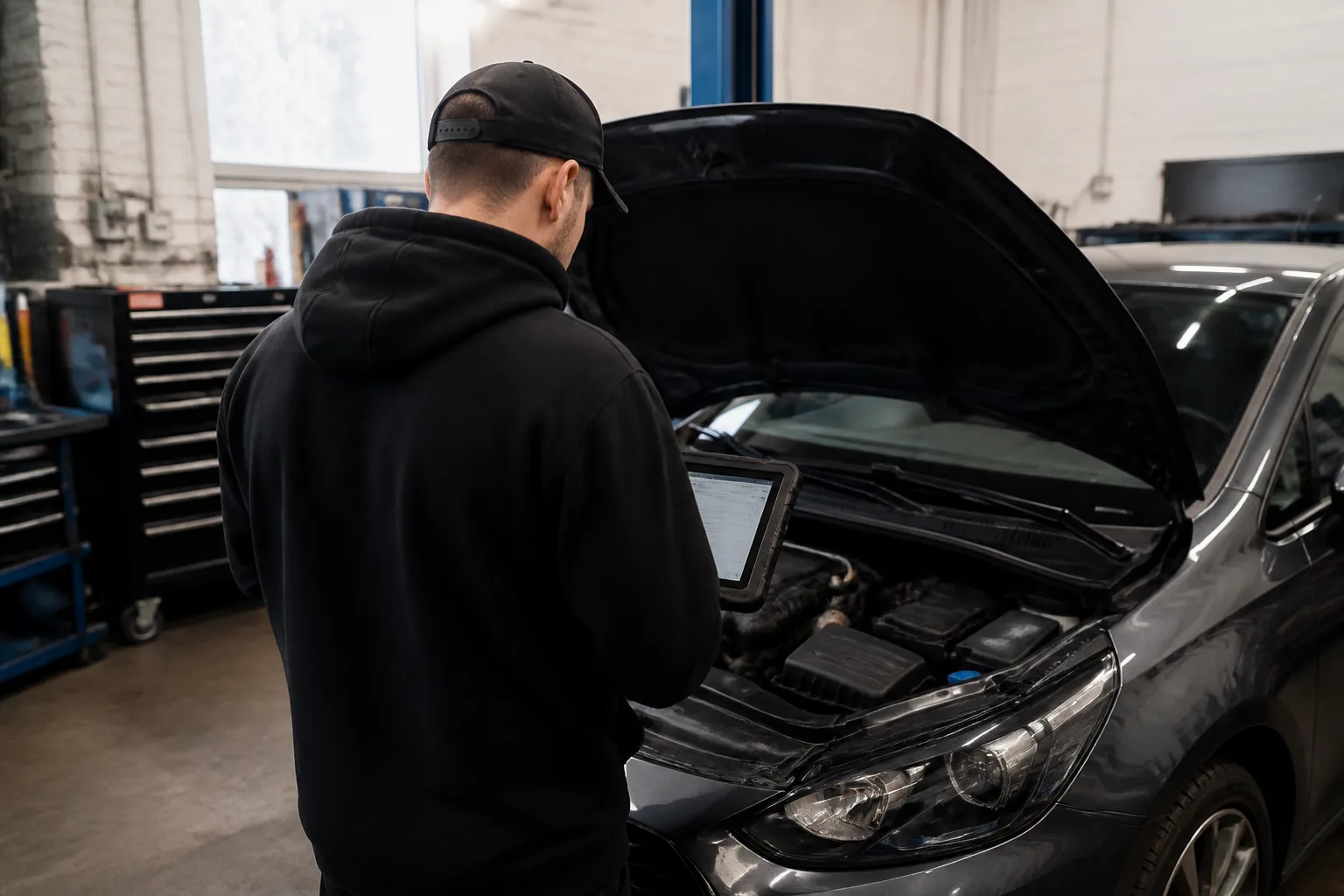
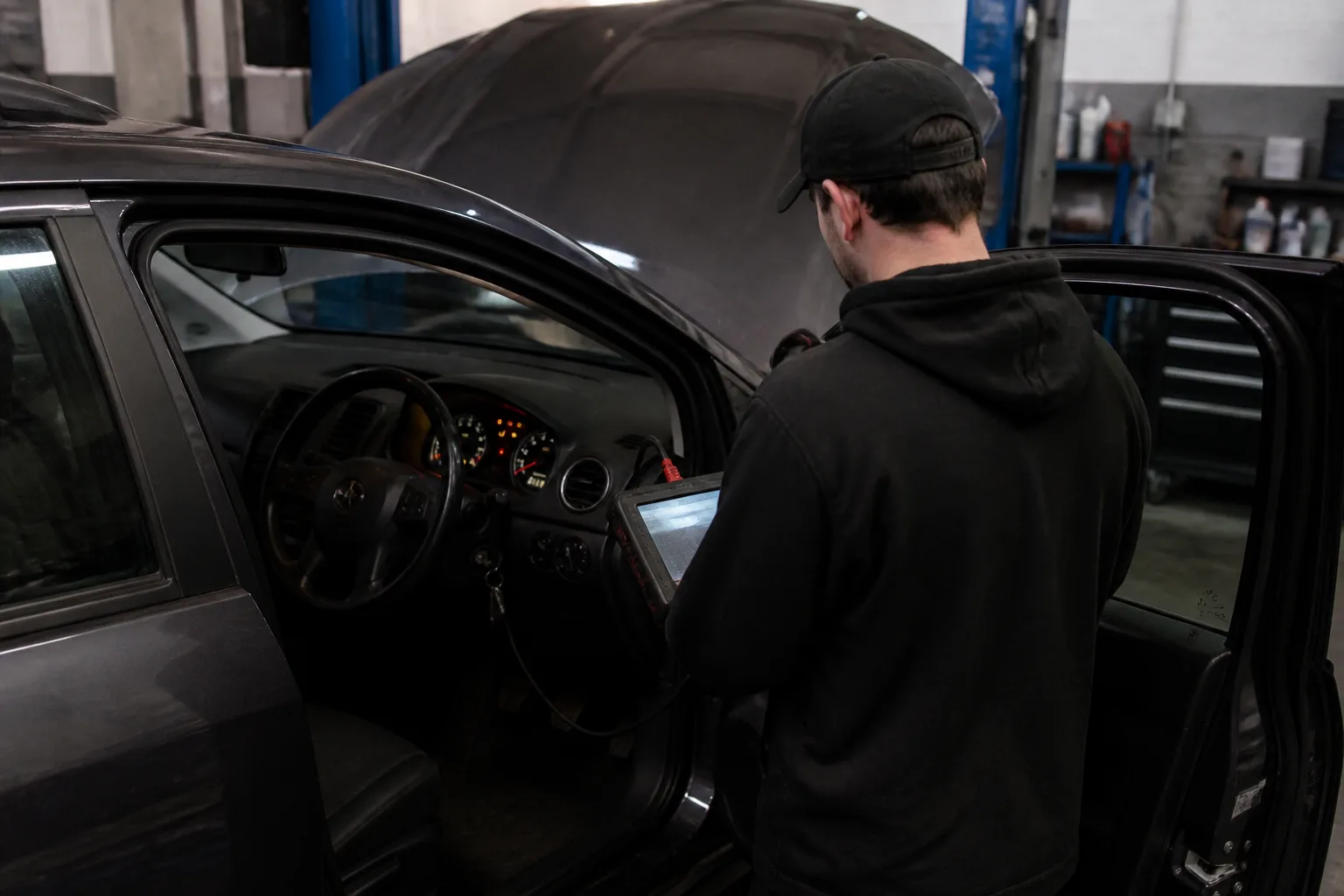
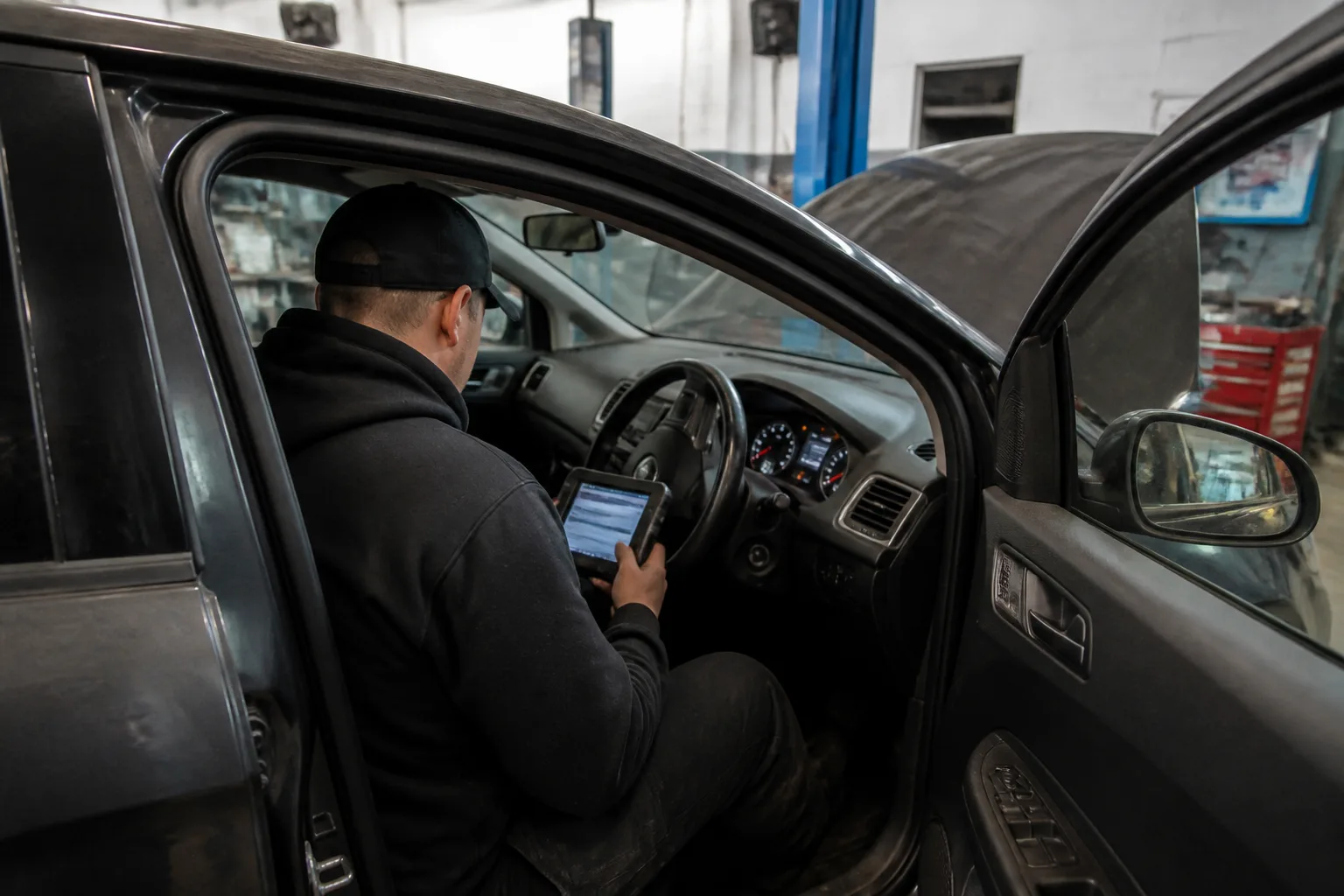
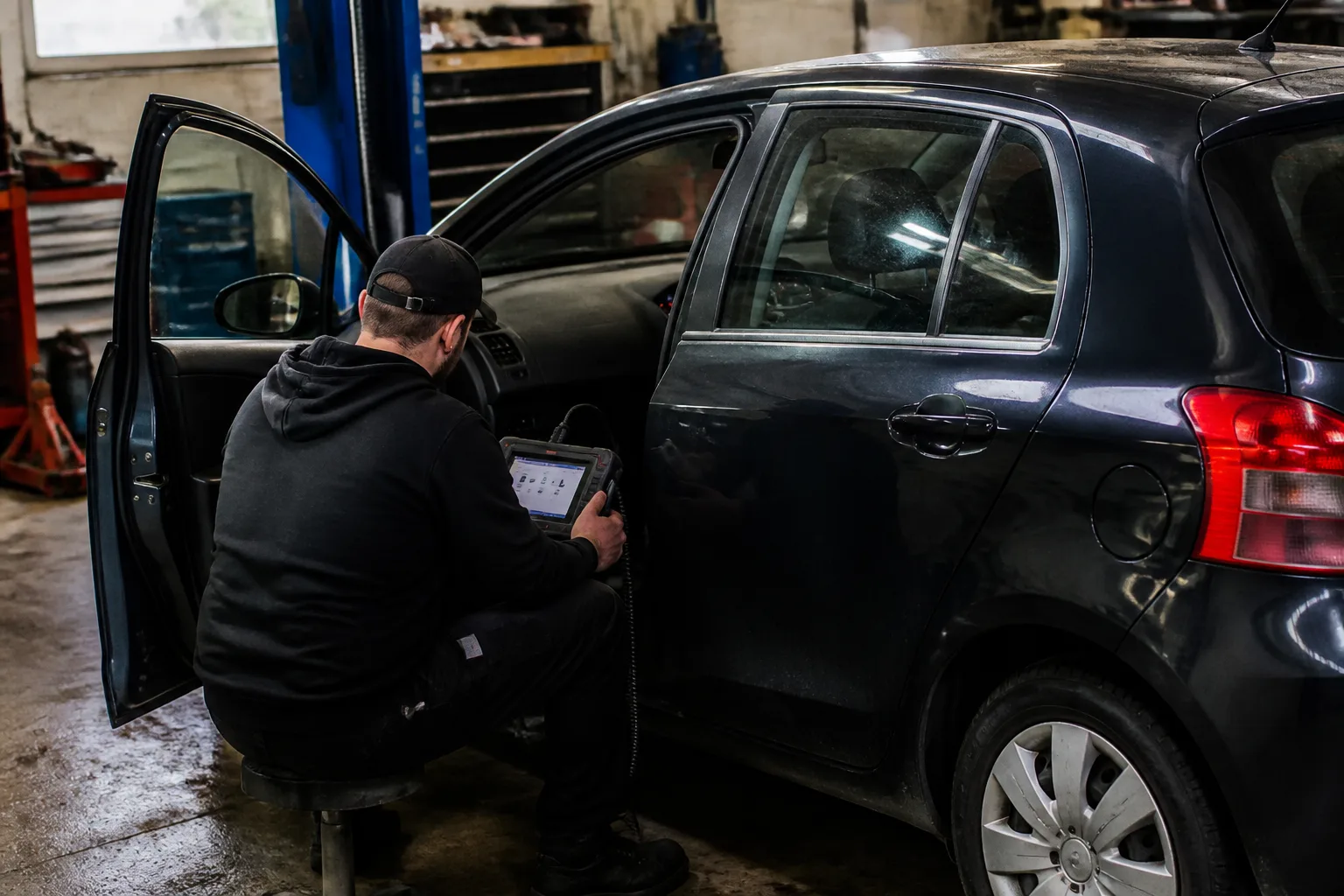
A check engine fault code is a useful clue, not a complete diagnosis. Here is what a mechanic can learn from it, what it cannot prove, and why further testing is often needed.

A rough idle can be caused by anything from an ignition fault or air leak to a fuel, sensor or mechanical problem. Here is what the symptoms may mean and when to arrange a professional inspection.

Car hesitation under acceleration can be caused by problems with fuel, ignition, air supply, sensors or the gearbox. Here is what the symptoms may mean and when to arrange a professional inspection.

Loss of power while driving can have several causes, from limp mode and fuel problems to turbocharger or electrical faults. Here is what the symptoms may mean and when to stop driving.

Limp mode is a protective setting that limits a vehicle's performance when its computer detects a fault. Find out what it means, what can cause it and when you should stop driving.

Several dashboard warning lights appearing together can be alarming, but they do not always mean that every system has failed. Learn what can cause it, what you can safely check and when professional inspection is needed.

A warning light that appears briefly and then disappears may indicate an intermittent fault, a normal self-check or a condition that has temporarily cleared. Here is what to check and when professional diagnosis is sensible.

An OBD diagnostic scan can reveal stored fault codes, useful sensor information and clues about warning lights. Find out what the results mean, what they cannot prove and when a garage inspection is needed.

A car diagnostic test reads information and fault codes from your vehicle's onboard systems. Find out what the test can show, what it cannot prove, and when professional checks are needed.

The traction control light may flash briefly when the system is working, or stay on when a fault has been detected. Here is what the warning means, what you can safely check and when professional inspection is sensible.

The DPF warning light usually means your diesel particulate filter needs attention, often because soot has built up. Learn what it means, whether you can keep driving and when professional checks are sensible.

The tyre pressure warning light usually means one or more tyres may be under-inflated, but it can also indicate a fault with the monitoring system. Here is what to check and when to arrange a professional inspection.