Why Do Multiple Dashboard Warning Lights Come On at Once?
Several dashboard warning lights appearing together can be alarming, but they do not always mean that every system has failed. Learn what can cause it, what you can safely check and when professional inspection is needed.
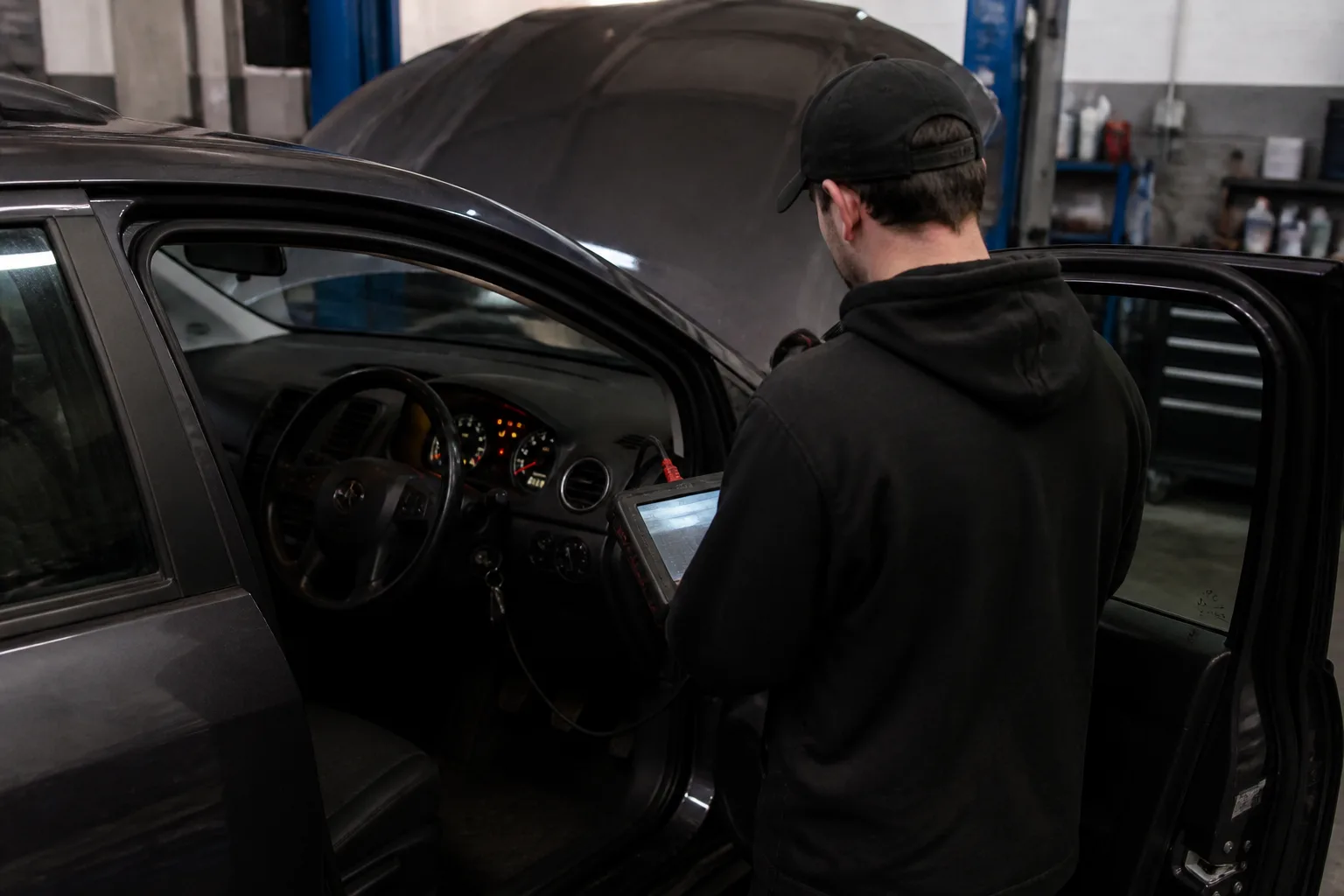
Seeing several dashboard warning lights appear at the same time can be worrying. One moment the car seems normal, then the display shows warnings for the battery, ABS, traction control, steering or engine management.
There are several possible explanations. Sometimes one underlying electrical problem triggers warnings in systems that are otherwise working correctly. In other cases, the lights are part of the vehicle's normal self-check when the ignition is switched on. The colour of the lights, what happens after starting and how the car feels are all important.
This guide explains why do multiple dashboard warning lights come on at once, without pretending to diagnose a particular vehicle remotely.
Some warning lights appear together during the normal self-check
When you turn the ignition on, many vehicles briefly illuminate a range of warning lights. This allows the car to show that the bulbs or display indicators are working. Once the engine starts and the vehicle's systems complete their checks, most of the lights should go out.
If the lights disappear after starting, this is usually not a fault by itself. However, a warning that stays on, returns while driving or appears with a message on the information display deserves attention.
Modern cars also carry out checks as they begin moving. The ABS, stability control and steering systems may compare information from wheel-speed sensors and other components. A light that appears only after setting off can therefore point to a system that has detected a problem during its checks.
A weak battery or charging fault can trigger several warnings
Low system voltage is one of the common reasons for multiple warning lights. The battery supplies power when the engine is started, while the alternator normally maintains the vehicle's electrical supply once the engine is running. If the battery is weak, the alternator is not charging correctly or there is an issue with an electrical connection, several control units may receive voltage outside their expected range.
The result can be a collection of apparently unrelated warnings. The car may display battery, ABS, steering, traction control and engine warnings together even though the underlying issue is related to the power supply.
Possible clues include slow engine cranking, flickering interior lights, a battery warning that remains illuminated, a clock or radio that resets, or warnings that disappear and return. These clues do not confirm the cause, because similar symptoms can have different explanations on different vehicles.
If the battery or charging warning remains on while driving, do not assume the car will continue normally. The vehicle may eventually lose electrical power, and some systems may stop operating as intended. Arrange professional assistance rather than taking a long journey.
One sensor or wiring fault can affect several systems
Many safety and driver-assistance systems share information. For example, ABS and stability control systems rely on accurate wheel-speed data. If one wheel-speed sensor, its wiring or a related tone ring develops a fault, the car may switch off or restrict several functions and illuminate multiple warning lights.
Other shared inputs can have a similar effect. A steering-angle sensor, brake pedal switch or communication connection between electronic control units may affect more than one system. In plain terms, the car is warning that it cannot rely on information needed to operate those features correctly.
This does not necessarily mean that the brakes have completely failed. It does mean that systems such as ABS or electronic stability control may not be available in the way the manufacturer intended. For more detail about one common warning, see our guide to why the ABS warning light may be on.
Could it mean several genuine faults?
Yes. Multiple warning lights should not automatically be dismissed as one harmless electrical glitch. A vehicle can have more than one fault, particularly if it has recently suffered water ingress, impact damage, a flat battery or a failed component.
Some warnings may also be a consequence of another fault. For example, an engine problem could affect emissions-related systems, while a charging fault could cause several control units to report communication errors. A proper diagnostic assessment is needed to identify which warning appeared first and which codes are current rather than historical.
A dashboard code reader can provide useful information, but reading a fault code is not the same as proving that the named component needs replacing. A code may identify a circuit, signal or system that needs testing. Replacing parts based only on the first code can miss the underlying cause.
What should you do when several lights appear?
Check the colour and wording
Red warnings generally require more immediate attention than amber warnings, although the exact meaning depends on the vehicle. Read the message on the display if it is safe to do so. A red oil pressure, brake, overheating or steering warning should not be treated as a routine service reminder.
Notice how the car feels
Be alert for heavy steering, a soft or sinking brake pedal, unusual braking, overheating, loss of power, smoke, burning smells or severe vibration. These symptoms can make continued driving unsafe. Stop in a safe place, switch off the engine if appropriate and seek professional or breakdown assistance.
Try a normal restart only when safe
If the car is parked safely and there are no serious symptoms, switching the ignition off and restarting once may show whether a warning was temporary. This is not a repair and the fault may return. Do not repeatedly restart the vehicle to clear a warning, and do not erase diagnostic codes before the problem has been assessed.
Check simple visible items
You can check that the fuel filler cap is secure if an engine warning has appeared, and look for obvious battery-terminal or wiring damage without dismantling anything. Do not touch damaged high-voltage components on a hybrid or electric vehicle. Avoid working near belts, fans or hot engine parts.
When is it safe to drive to a garage?
There is no single answer because the warning combination and vehicle response matter. A car that drives and brakes normally with an isolated amber warning may be suitable for a short, careful journey to a garage, but this should not be assumed for every model or fault.
Do not continue driving if a red warning remains on, the brakes or steering feel different, the engine is overheating, the battery warning is accompanied by electrical problems, or the car is losing power or behaving unpredictably. Stop safely and arrange assistance.
If the lights remain on but the vehicle appears to be operating normally, make a note of which lights appeared, whether they cleared after starting, any message shown and any recent battery or repair work. That information can help a technician begin the assessment, but it does not replace testing.
Ashton's Garage can investigate warning-light combinations using vehicle diagnostics alongside practical checks of the relevant electrical, braking and engine systems. If the warnings are staying on or returning, you can contact the garage about diagnostic and car repair support in Salisbury so the issue can be assessed before it develops into a more serious problem.
Related warning-light guidance
Frequently asked questions
Is it safe to drive when several warning lights come on?
It depends on the lights and how the vehicle feels. Do not drive on if there is a red brake, steering, oil pressure or overheating warning, or if braking, steering or engine performance has changed. If only an amber warning remains and the car feels normal, a short journey for professional assessment may be possible, but check the vehicle handbook and use caution.
Can a flat battery cause multiple warning lights?
Yes. Low voltage during starting or a charging problem can cause several electronic systems to report faults at the same time. The battery itself may not be the only possible cause, so the battery, charging system and stored diagnostic information should be tested rather than simply replacing parts.
Why do warning lights appear after jump-starting a car?
A low-voltage event or voltage fluctuation during a jump-start can leave temporary fault messages in some vehicles. They may clear after the car completes its checks, but a warning that remains or returns should be investigated, especially if the battery or alternator may be faulty.
Will turning the car off clear multiple warning lights?
A restart may clear a temporary warning, but it does not prove that the underlying issue has been fixed. If the lights return, remain on or are accompanied by unusual vehicle behaviour, arrange a diagnostic inspection.
Related advice
What Does the Engine Management Light Mean?
The engine management light can point to anything from a loose fuel cap to an engine or emissions fault. Learn what the warning light means, when it is safe to continue and when your car needs professional attention.
Why Is My ABS Warning Light On?
An ABS warning light can have several causes, from a wheel-speed sensor fault to a problem with the braking system. Here is what the light means, what you should check and when to stop driving.
What Does the Oil Pressure Warning Light Mean?
The oil pressure warning light needs prompt attention. Learn what the red oil can symbol means, what you can safely check and when to stop driving.