What Does the DPF Warning Light Mean?
The DPF warning light usually means your diesel particulate filter needs attention, often because soot has built up. Learn what it means, whether you can keep driving and when professional checks are sensible.
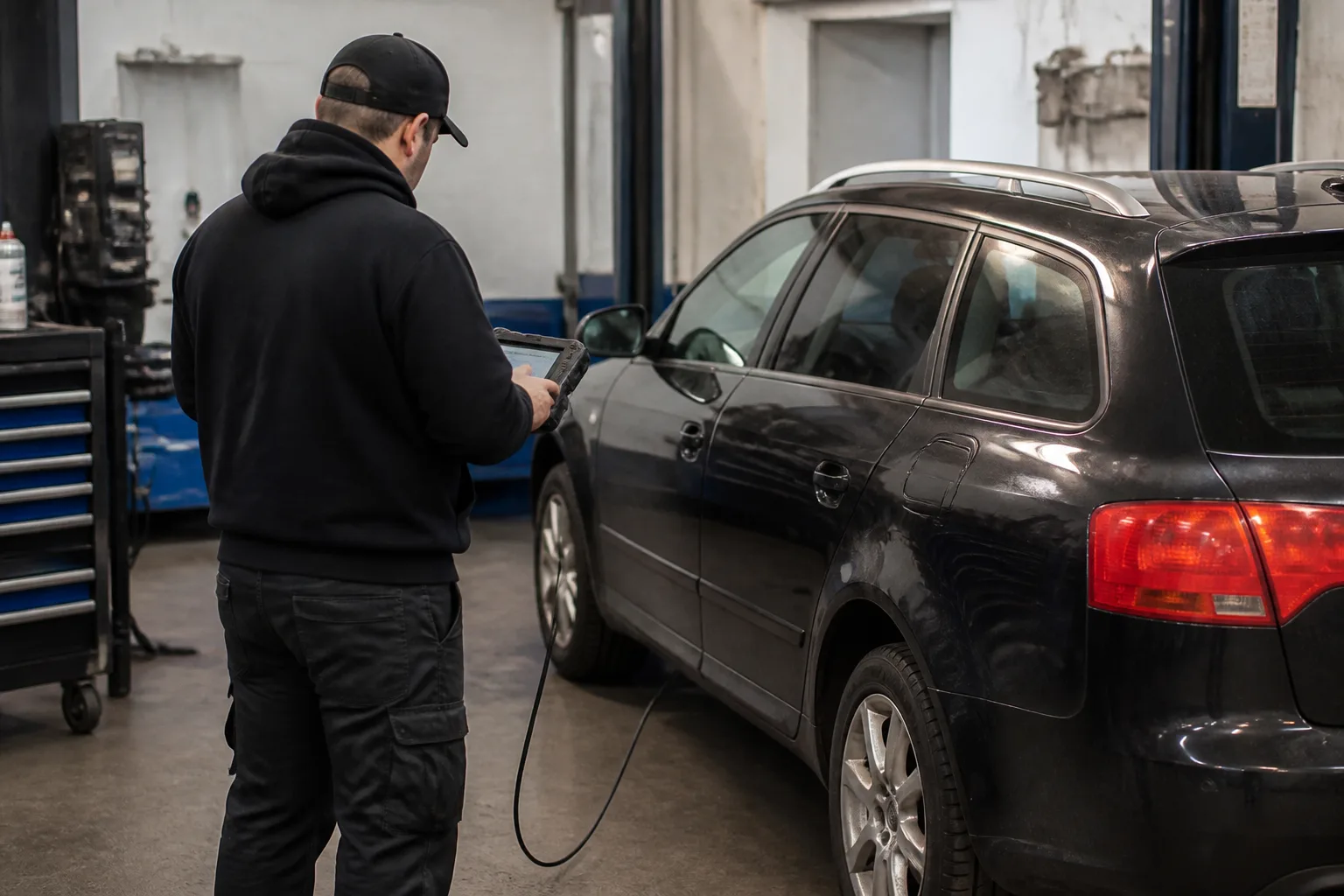
If you drive a diesel car, you may eventually see a warning symbol connected with the diesel particulate filter, or DPF. So, what does the DPF warning light mean? In simple terms, it usually indicates that the filter has accumulated soot and the vehicle has not completed the process needed to clear it, or that a fault has been detected in the emissions system.
The exact symbol and message vary between manufacturers. Some vehicles show a filter-shaped symbol, while others display a text warning such as DPF full, particulate filter needs cleaning or check exhaust system. Your handbook should explain the particular warning used by your car.
What is a DPF?
A diesel particulate filter is fitted in the exhaust system of most modern diesel cars and vans. Its job is to trap soot particles produced when diesel fuel burns. This helps reduce harmful particulate emissions.
The filter cannot collect soot indefinitely. The engine management system normally raises the exhaust temperature from time to time so that the trapped soot can burn away. This process is commonly called regeneration. When it works as intended, it may happen without you noticing.
Regeneration needs suitable conditions, including enough exhaust heat and sufficient time. Regular short journeys, slow traffic and repeated cold starts may not provide those conditions. This is one common reason for a DPF warning light, although it is not the only possibility.
Why has the DPF warning light come on?
Possible causes include:
- soot has built up in the filter and regeneration has not completed;
- the car is mainly used for short, low-speed journeys;
- a sensor is giving an incorrect reading;
- there is a problem with the exhaust, fuel or engine management system;
- the filter is heavily loaded with soot or ash; or
- another fault has stopped the regeneration process.
A warning light cannot identify the cause on its own. For example, a filter that is becoming restricted can produce a similar warning to a faulty pressure sensor. A diagnostic scan and, where necessary, further checks are needed to separate these possibilities.
Can you drive with the DPF warning light on?
That depends on the colour of the warning, the message shown and how the vehicle is behaving. A steady amber DPF light with no other symptoms may allow you to drive cautiously to a garage or follow the limited guidance in the vehicle handbook. It should not simply be ignored.
Stop in a safe place and arrange professional advice if the warning is flashing, changes to red, appears with an engine management or temperature warning, or is accompanied by any of the following:
- major loss of power;
- rough running or repeated stalling;
- unusual smoke or a strong burning smell;
- an engine that is overheating; or
- another change that makes the car feel unsafe or difficult to control.
Continuing to drive with a heavily restricted filter can increase exhaust back pressure and may lead to further damage. It can also leave the car in a reduced-power mode. If you are unsure whether your particular warning permits continued driving, check the handbook or contact a garage before setting off.
Will the DPF light go out by itself?
It may, if the cause is a temporary build-up of soot and the car is able to complete a successful regeneration. Some vehicles will provide instructions in the handbook about driving conditions that can support this process. Those instructions differ between models and should be followed exactly.
Do not assume that a long drive will solve every DPF warning. If a sensor, thermostat, exhaust component or engine fault is involved, regeneration may not start or may not complete. Repeatedly trying to clear the warning without finding the underlying cause can make the problem worse.
It is also unwise to treat the warning as a reason to drive at unsuitable speeds or in unsafe conditions. Never attempt to carry out a regeneration procedure if doing so would breach traffic rules or put other road users at risk.
What should you check first?
There are a few safe checks you can make without dismantling anything:
- Read the dashboard message and compare it with the vehicle handbook.
- Check whether any other warning lights are illuminated.
- Pay attention to changes in power, running quality, temperature or exhaust smoke.
- Consider whether the car has recently been used almost entirely for short trips.
- Check that the engine oil level is not above the maximum mark, following the handbook procedure.
Do not remove the DPF, disconnect sensors, add unapproved cleaning products or attempt to force a regeneration without the correct equipment and information. These actions can damage the vehicle, create a fire risk or hide a more important engine fault.
What will a garage do?
A garage will normally begin by checking the stored fault codes and live data. Depending on the findings, the inspection may include the DPF pressure readings, temperature sensors, exhaust system, engine condition and the factors that control regeneration.
The next step depends on the diagnosis. A vehicle with a manageable soot loading and no underlying fault may be suitable for a controlled regeneration. A filter affected by ash, physical damage or severe blockage may need a different repair or replacement. These are not interchangeable problems, so a warning light should not automatically be treated as proof that the DPF itself needs replacing.
At Ashton's Garage, we can investigate a DPF warning and explain the findings in plain English before recommending the next step. You can find more information about our car repair service in Salisbury.
How can DPF problems be reduced?
A diesel car that regularly makes longer journeys at normal road speeds is more likely to reach the conditions needed for regeneration than one used only for very short urban trips. That does not guarantee that problems will not occur, but it is worth considering whether a diesel remains suitable for your typical driving pattern.
Keep up with servicing and do not ignore other warning lights or changes in engine performance. An engine that is not running correctly can produce more soot, while a faulty sensor or thermostat can prevent the system from operating as designed.
For related explanations, see our guides to what the engine management light means and whether you can drive with the engine warning light on. If the warning is flashing or the car has lost power, our guide to a flashing engine warning light may also help you understand why prompt advice matters.
Key points to remember
- The DPF warning light commonly relates to soot build-up or a fault preventing regeneration.
- Short journeys are one possible contributing factor, but they are not the only explanation.
- Follow the vehicle handbook and do not assume that every warning can be cleared with a longer drive.
- Flashing warnings, loss of power, overheating, unusual smoke or multiple warning lights need prompt professional advice.
- A diagnostic check is the sensible way to identify whether the filter, a sensor or another system is at fault.
Frequently asked questions
What does a DPF warning light look like?
It is commonly shown as a filter-shaped symbol with small dots or a text message referring to the particulate filter. The design and colour vary by manufacturer, so check your vehicle handbook.
Can short journeys cause a DPF warning light?
They can contribute because repeated short trips may not allow the exhaust to become hot enough for regeneration to complete. However, a warning can also be caused by a sensor, engine or exhaust-system fault.
Does a DPF warning always mean the filter needs replacing?
No. The warning may relate to soot loading, a failed regeneration or a fault elsewhere in the system. Proper diagnosis is needed before deciding whether cleaning, repair or replacement is appropriate.
Should I stop driving if the DPF light is flashing?
A flashing warning should be treated more seriously, especially if the car has lost power, is running roughly, is overheating or shows other warning lights. Stop safely and seek professional advice rather than continuing to drive normally.
Related advice
What Does the Engine Management Light Mean?
The engine management light can point to anything from a loose fuel cap to an engine or emissions fault. Learn what the warning light means, when it is safe to continue and when your car needs professional attention.
Why Is My ABS Warning Light On?
An ABS warning light can have several causes, from a wheel-speed sensor fault to a problem with the braking system. Here is what the light means, what you should check and when to stop driving.
What Does the Oil Pressure Warning Light Mean?
The oil pressure warning light needs prompt attention. Learn what the red oil can symbol means, what you can safely check and when to stop driving.