Car Maintenance for Lots of Short Journeys: What to Know
Frequent short trips can affect your car's battery, fluids, brakes, tyres and exhaust system. Here is practical car maintenance advice for drivers who mainly travel locally.
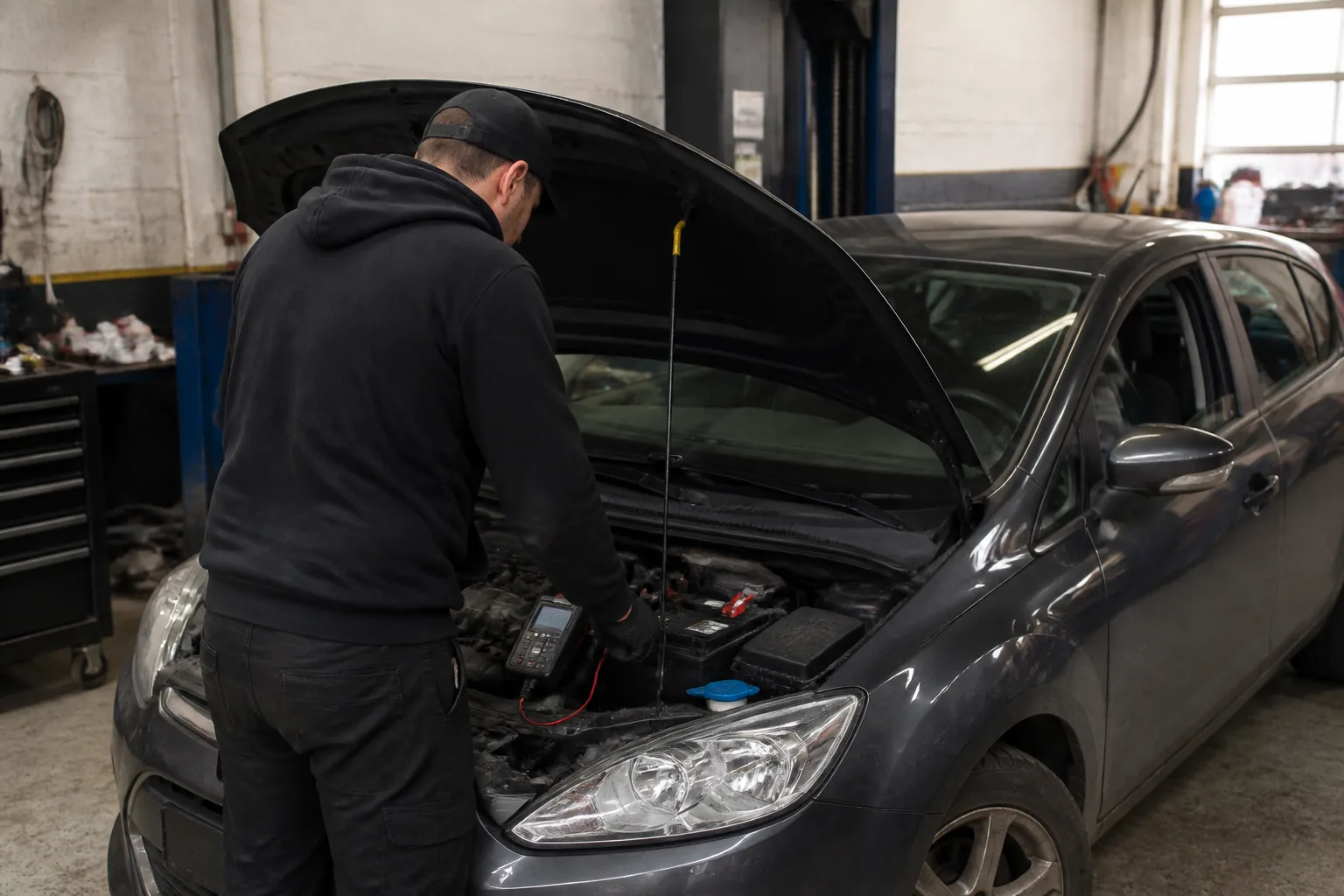
Many cars spend most of their time on short journeys: the school run, a commute of a few miles, local shopping or several separate trips around town. That pattern is convenient, but it can be harder on some parts of a vehicle than a regular mix of short and longer drives.
Car maintenance for lots of short journeys is not about treating every local trip as a problem. It is about understanding where extra wear or strain can occur, then making sure the vehicle is serviced and checked at suitable intervals. The right approach may be slightly different for a petrol car, diesel, hybrid or electric vehicle.
Why repeated short trips can affect a car
A short journey may finish before the engine and exhaust system have reached their normal operating temperature. During this warm-up period, the engine is not necessarily working in the conditions intended for most of the journey. The battery is also using energy to start the car and run systems such as the lights, heater, demister and infotainment. A brief drive may not put enough charge back into the battery, particularly in cold weather or when the car is used several times in a day.
Short trips can also mean more start-up cycles for the engine and more time spent in stop-start traffic. That does not automatically mean a fault is developing, but it does make regular servicing and sensible checks more important. The service schedule remains the starting point, although a vehicle used mainly for short, congested journeys may be considered a severe or demanding operating pattern by some manufacturers.
Battery care for cars used locally
The battery is one of the components most likely to show the effects of repeated short running. Starting the engine requires a relatively large burst of electrical energy. If the alternator, which charges the battery while the engine runs, only has a short time to replenish it, the battery can gradually become undercharged.
Signs that deserve attention include slower cranking when you start the car, dashboard warnings, electrical equipment behaving unusually or the vehicle needing a jump start. These symptoms do not prove that the battery is the only cause. The charging system, battery condition and connections may all need checking.
Do not leave the engine running unattended simply to charge the battery. Idling is not a substitute for proper diagnosis or maintenance, and it can create avoidable emissions and safety risks. If the car regularly struggles to start, arrange a battery and charging-system test rather than repeatedly relying on jump leads.
Engine oil and moisture
When an engine is regularly stopped soon after starting, moisture and combustion by-products may have less opportunity to evaporate from the oil. That is one reason why following the manufacturer's time and mileage servicing requirements matters, even if the car covers relatively few miles.
Check the oil level as described in the vehicle handbook and take note of any oil warning light. A low oil level or an oil-pressure warning is not something to ignore. If an oil-pressure warning appears while driving, stop when it is safe to do so and seek professional advice before continuing, because the warning can indicate a serious lubrication problem.
It is also worth checking whether your car's service schedule includes different guidance for vehicles used mainly on short journeys. The handbook should take priority over general advice, as oil specifications and service intervals vary between engines.
Diesel cars and particulate filters
Diesel cars fitted with a diesel particulate filter, commonly called a DPF, can be less well suited to a life of very short journeys. The filter collects soot from the exhaust. The vehicle may need suitable operating conditions to carry out regeneration, which is the process of raising the filter temperature so accumulated soot can be reduced.
Repeatedly switching off before that process can complete may contribute to warning lights or a blocked filter, although the exact behaviour depends on the vehicle and the fault. Do not assume that a warning light can always be cleared by taking the car for a long drive. Check the handbook and obtain professional advice, especially if warning lights are flashing, the vehicle has lost power or the engine is running abnormally.
If your driving is almost entirely local, consider whether a petrol, hybrid or electric vehicle would better suit your normal use when you next change cars. That is a vehicle-choice question rather than a reason to ignore the maintenance needs of your current diesel.
Brakes, tyres and suspension in stop-start driving
Short local journeys often involve frequent braking, speed humps, junctions and uneven road surfaces. This can increase the number of braking and steering inputs compared with steady motorway driving. Brake discs may also develop a light surface film after the car has been parked, particularly in damp conditions. A small amount may clear during normal use, but persistent grinding, juddering, pulling to one side or a noticeable change in braking should be inspected.
Check tyre pressures at the intervals recommended by the vehicle manufacturer, and inspect the visible tread and sidewalls. Look for cuts, bulges or objects embedded in a tyre. Do not continue driving on a tyre with a bulge, significant damage or a serious loss of pressure. A tyre problem can affect control and needs prompt professional attention.
Suspension components can also experience repeated impacts from potholes and raised features. Knocking noises, uneven tyre wear, steering that feels loose or a car that pulls to one side should not be dismissed as normal wear. If steering or braking feels unsafe, stop in a suitable place and arrange an inspection rather than trying to identify the fault while driving.
A practical maintenance routine
A simple routine can reduce the chance of small issues being missed:
- Check the dashboard for warning lights and read the handbook before deciding that one is harmless.
- Check engine oil, coolant and screenwash levels as instructed by the manufacturer. Only check fluids in a safe condition and do not open a hot cooling system.
- Inspect tyres regularly, including the spare if the vehicle has one, and keep pressures at the stated levels.
- Keep to both time-based and mileage-based service intervals. Low mileage does not mean fluids, filters and rubber components do not age.
- Notice changes in starting, braking, steering, exhaust noise, fuel consumption or engine behaviour.
- Keep a note of intermittent symptoms, including when they happen and whether the engine is cold or warm. This can make a garage inspection more efficient. Our guide to what information to give a mechanic when reporting a fault explains what details are useful.
Where possible, combine several local errands into one trip rather than starting the car repeatedly. This will not remove the need for servicing, but it may reduce the number of cold starts. A planned longer journey can allow the vehicle to spend more time at normal operating temperature, but it should not be treated as a cure for a warning light or a known fault. Diesel drivers should follow the vehicle handbook's guidance for DPF regeneration rather than relying on generic driving advice.
When should short-journey drivers book an inspection?
Book an inspection if the car is slow to start, repeatedly needs a jump start, shows a warning light, uses fluids unexpectedly, develops a new noise or feels different under braking or steering. A garage can assess the symptom rather than guessing from the journey length alone. If you want to understand what an inspection may involve, our guide to what happens during a garage inspection provides a useful overview.
There is no single maintenance plan that suits every car. Engine type, age, mileage, service history and the length of each journey all matter. A sensible conversation with an independent garage can help you follow the manufacturer's requirements while identifying issues that are more likely to affect a vehicle used mainly around town.
If your car is showing a battery, engine, braking or steering symptom, contact Ashton's Garage to discuss an inspection. We can help establish the appropriate next step without assuming the cause before the vehicle has been checked.
Frequently asked questions
Are short journeys bad for every car?
No. Modern vehicles are designed for everyday local use, but repeated short trips can place particular demands on the battery and may prevent some systems from reaching normal operating conditions. The effect depends on the vehicle, weather, journey length and maintenance history.
How often should I service a car that does very low mileage?
Use the manufacturer's time and mileage intervals, whichever applies first, unless the handbook gives different instructions. Low annual mileage does not stop oil, filters, brake components and other materials from ageing.
Can a longer drive fix a flat battery?
Not necessarily. A longer drive may provide more charging time, but a battery that is weak, damaged or not being charged correctly needs testing. If the car repeatedly struggles to start, arrange a battery and charging-system check.
Should I buy a diesel if nearly all my driving is local?
It depends on the model and your overall use, but frequent very short trips may not suit a diesel with a DPF as well as a more appropriate petrol, hybrid or electric vehicle. Check the manufacturer's advice and consider your typical journeys before choosing your next car.
Frequently asked questions
Are short journeys bad for every car?
No. Modern cars can handle local use, but repeated short trips may place extra demands on the battery and may prevent some systems from reaching normal operating temperature. The effect varies by vehicle, weather, journey length and service history.
How often should I service a car that does very low mileage?
Follow the manufacturer's time and mileage intervals, using whichever comes first unless the handbook says otherwise. Low mileage does not prevent fluids, filters, brake components and rubber parts from ageing.
Can a longer drive fix a flat battery?
Not necessarily. A longer drive may allow more charging time, but a weak battery or charging-system fault needs testing. Repeated starting problems should be checked rather than managed with regular jump starts.
Should I buy a diesel if nearly all my driving is local?
Frequent very short journeys may not suit some diesel cars with diesel particulate filters. Consider your normal use, check the manufacturer's guidance and compare petrol, hybrid or electric alternatives when choosing your next vehicle.
Related advice
What to Do If Your Car Breaks Down Away From Home
Find out what to do if your car breaks down away from home, including how to stay safe, call for help and explain the problem to a recovery service or garage.
Car Maintenance for Rural Driving: A Practical Guide
Rural roads can place extra demands on your car. Learn which checks matter most, how to spot developing problems and when professional inspection is sensible.
What Happens During a Garage Inspection?
A garage inspection is more than a quick look under the bonnet. Here is what a mechanic may check, how findings are assessed and what you can expect from the process.