What Is a Timing Belt and When Does It Need Replacing?
A timing belt keeps your engine’s internal parts moving in sync. Learn what it does, how often it may need replacing and why relying on symptoms alone can be risky.
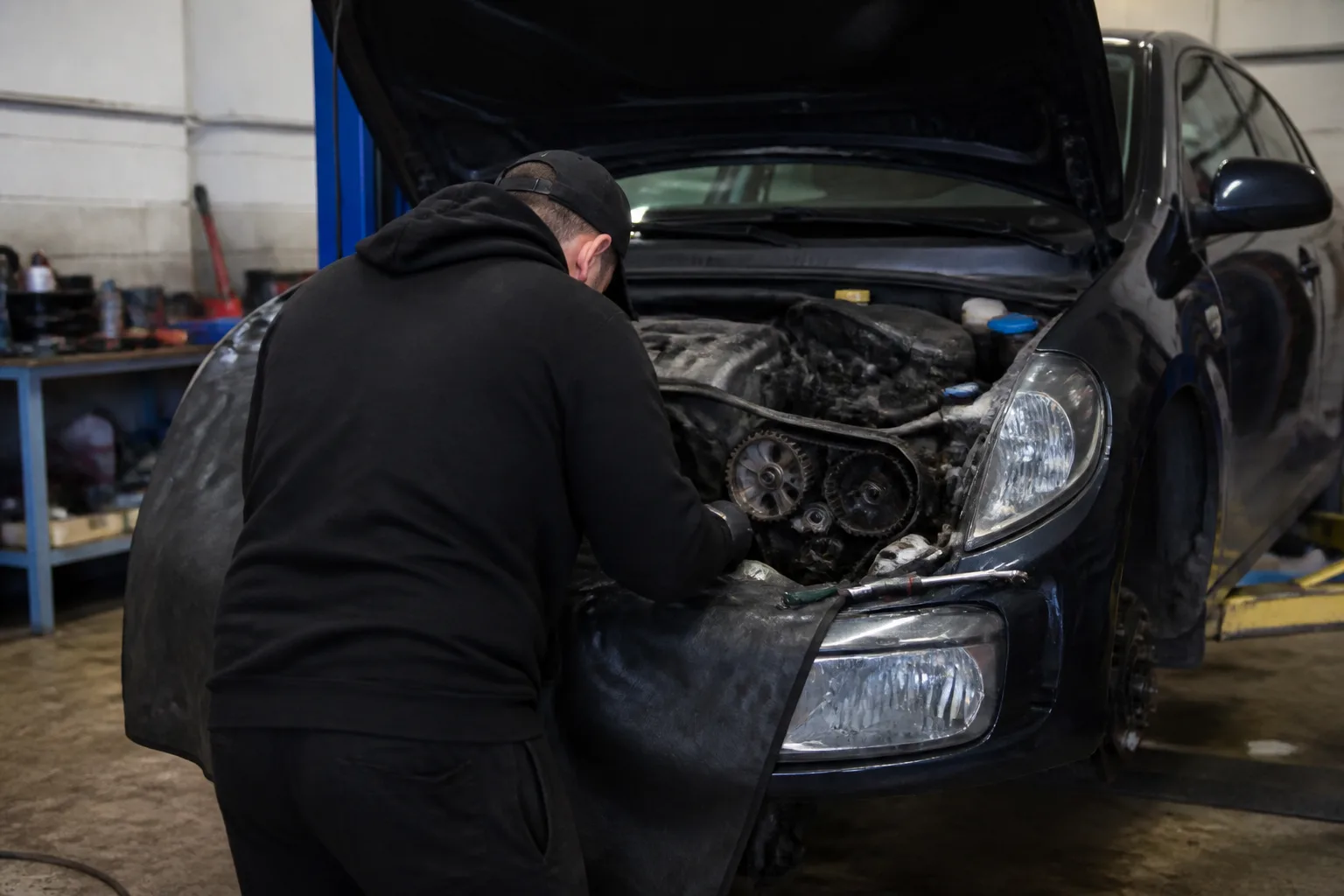
A timing belt is one of the most important components inside many petrol and diesel engines. It keeps the engine’s moving parts synchronised so that the valves open and close at the correct time in relation to the pistons.
Timing belts are designed to last for many miles, but they are also service items. They can deteriorate with age even if the car is driven very little. If a belt breaks or loses its correct tension, the engine may stop running and serious internal damage can occur on some engines.
The replacement interval is not the same for every vehicle. It depends on the make, model, engine, mileage and age of the belt. This guide explains what a timing belt does, how to find out when yours is due and what to do if you are unsure of its history.
What does a timing belt do?
The timing belt links the crankshaft to the camshaft, or camshafts, inside the engine. The crankshaft moves the pistons, while the camshaft operates the valves. The belt makes sure these components move in the correct sequence.
This timing has to be very precise. If the pistons and valves move out of sync, they can come into contact with each other. Depending on the engine design, a broken or badly worn timing belt can therefore lead to bent valves, piston damage or other expensive repairs.
The belt is usually made from a reinforced rubber compound. It often has toothed edges that engage with matching gears. Tensioners and guide pulleys keep it correctly positioned, and on some engines the belt also drives the water pump.
When does a timing belt need replacing?
Your vehicle manufacturer sets the recommended replacement interval. This is normally expressed as a mileage limit, an age limit or both. For example, a manufacturer may specify replacement after a certain number of miles or a certain number of years, whichever comes first. The exact interval varies considerably between engines, so a general rule is not reliable.
Check the owner’s handbook, service schedule or manufacturer information for your specific vehicle. If you have bought the car used, look for an invoice or service record that confirms when the belt was replaced. A note saying that the car has been serviced does not necessarily confirm that the timing belt has been changed.
If there is no reliable evidence of replacement and the vehicle is at or beyond the recommended interval, it is sensible to ask a garage to verify the schedule and advise on the next step. It may be safer and more economical to plan the work rather than risk an unexpected failure.
Does low mileage mean the belt is still fine?
No. A timing belt can age as well as wear through use. Heat, moisture, oil contamination and long periods of standing can affect the belt material. A car that covers only a small annual mileage may still reach the manufacturer’s age limit.
This is one reason timing belt information should be considered alongside the rest of the service history. The mileage on the dashboard is only part of the picture. The belt’s age and the engine manufacturer’s requirements matter too.
Our guide to servicing a car that is driven very little explains why infrequent use does not remove the need for scheduled maintenance.
What are the signs of a worn timing belt?
There may be no clear warning before a timing belt fails. Some belts can look acceptable from the outside while their internal material has deteriorated. In many cases, inspection alone cannot establish how much useful life remains with certainty.
Possible warning signs can include unusual ticking, rattling or slapping noises from the timing area, difficulty starting, an engine that runs unevenly, or visible belt damage where a suitable inspection is possible. However, these symptoms can have many other causes and should not be used to diagnose the belt remotely.
Oil contamination, missing teeth, fraying, cracking or incorrect tension are reasons for prompt professional attention. If the engine suddenly stops, starts making severe mechanical noises or will not restart, avoid repeatedly trying to start it. Continued attempts could worsen damage, and the vehicle should be inspected by a qualified technician.
What is included in a timing belt replacement?
A timing belt is not normally treated as a simple belt-only replacement. The work commonly involves renewing the belt and checking or replacing related components such as tensioners and guide pulleys. Where the water pump is driven by the timing belt, the garage may recommend replacing the pump at the same time, depending on the manufacturer’s procedure and the condition of the parts.
Replacing related parts together can avoid paying for similar labour again later, but the correct parts and procedure depend on the particular engine. A garage should confirm what is included in the estimate and whether the work follows the manufacturer’s service requirements.
This is different from an auxiliary belt, sometimes called a fan belt or drive belt. The auxiliary belt drives external components such as the alternator, air-conditioning compressor or power steering system on some cars. It has a separate inspection and replacement schedule.
Can you check a timing belt yourself?
You can safely check your records, handbook and dashboard mileage to establish whether replacement may be due. You can also note unusual noises, starting problems or any warning from a previous inspection.
Detailed inspection or replacement is not a suitable job for most owners. Access can be restricted, and the belt must be fitted with exact timing and tension. A small error can cause serious engine damage. Do not remove covers or dismantle parts unless you have the correct technical information, equipment and experience.
If you are uncertain about the service interval, provide the garage with the registration number and, where possible, the vehicle identification details. This helps the technician identify the correct engine and check the appropriate maintenance information.
Why timing belt records matter when buying a used car
A timing belt replacement can be a significant scheduled maintenance item, so its history is worth checking before you buy. Ask for dated paperwork rather than relying only on a seller’s verbal assurance. Make sure the record identifies the vehicle and states what was replaced.
If the history is missing, allow for the possibility that the work may be due. A pre-purchase inspection cannot always prove how much life remains in a belt, but it can help identify obvious concerns and clarify what maintenance should be planned.
Keeping records after replacement is equally useful. Note the date, mileage and parts fitted, then retain the invoice with the vehicle’s service documents. For wider maintenance planning, you may also find our guide to how often a car should be serviced helpful.
When should you ask a garage?
Ask for professional advice if the belt is overdue, the replacement history is unknown, oil has leaked into the timing area, or the engine is making unusual noises. A technician can check the vehicle details, consider the available records and explain whether the belt, tensioners, pulleys or water pump should be included.
As timing belt work is linked to the vehicle’s wider maintenance schedule, it can be sensible to discuss it during a service. Our guide to a full car service explains the broader checks that may be relevant.
If you are based in or around Salisbury and are unsure whether your timing belt is due, Ashton’s Garage can review the vehicle’s service information and advise on the appropriate next step through our vehicle servicing service. The aim is to help you make an informed maintenance decision, not to assume that every car needs the same interval or parts.
In summary
A timing belt keeps the engine’s pistons and valves synchronised. Its replacement interval is set by the vehicle manufacturer and is based on both mileage and age. Because a belt may fail without an obvious warning, accurate records and scheduled replacement are more dependable than waiting for symptoms.
Check your handbook and service history, particularly if you have recently bought the car or it is driven only occasionally. If the interval is unclear or the engine is showing possible warning signs, professional inspection is the safest way to establish what should happen next.
Frequently asked questions
How do I know if my car has a timing belt?
Check the owner’s handbook, manufacturer information or ask a garage using the vehicle’s registration and engine details. Some cars use a timing chain instead, and the maintenance requirements are different.
Can a timing belt last longer than the recommended interval?
It may continue working beyond the stated interval, but that cannot be relied upon. The manufacturer’s mileage or age limit is the appropriate maintenance reference because a belt can deteriorate without obvious symptoms.
What happens if a timing belt breaks while driving?
The engine may stop suddenly, and some engines can suffer serious internal damage when the pistons and valves lose synchronisation. If the engine stops or develops severe mechanical noises, pull over safely and arrange professional assistance rather than repeatedly trying to restart it.
Is a timing belt the same as an auxiliary belt?
No. A timing belt synchronises internal engine components, while an auxiliary belt drives external equipment such as the alternator or air-conditioning compressor on some vehicles. They have separate roles and replacement requirements.
Should the water pump be replaced with the timing belt?
That depends on the engine design, manufacturer’s procedure and the condition of the pump. If the timing belt drives the water pump, a technician may recommend replacing both at the same time because access and labour can overlap.
Related advice
What Is Brake Fluid and Why Does It Need Changing?
Brake fluid transfers pressure from the pedal to the brakes, but it can absorb moisture over time. Here is why changing it matters and what warning signs to take seriously.
How Often Should Engine Coolant Be Changed?
Engine coolant does more than stop your car freezing in winter. Find out how often it usually needs changing, why the interval varies, and which warning signs should be checked by a garage.
Timing Belt vs Timing Chain: What Is the Difference?
Timing belts and timing chains both keep an engine's moving parts working in the correct sequence, but they differ in construction, maintenance and possible failure risks. Here is what UK motorists need to know.