What Does an MOT Advisory Mean?
An MOT advisory means the vehicle has passed, but the tester has noticed an item that may need monitoring or attention in future. Here is what the wording means and what to do next.
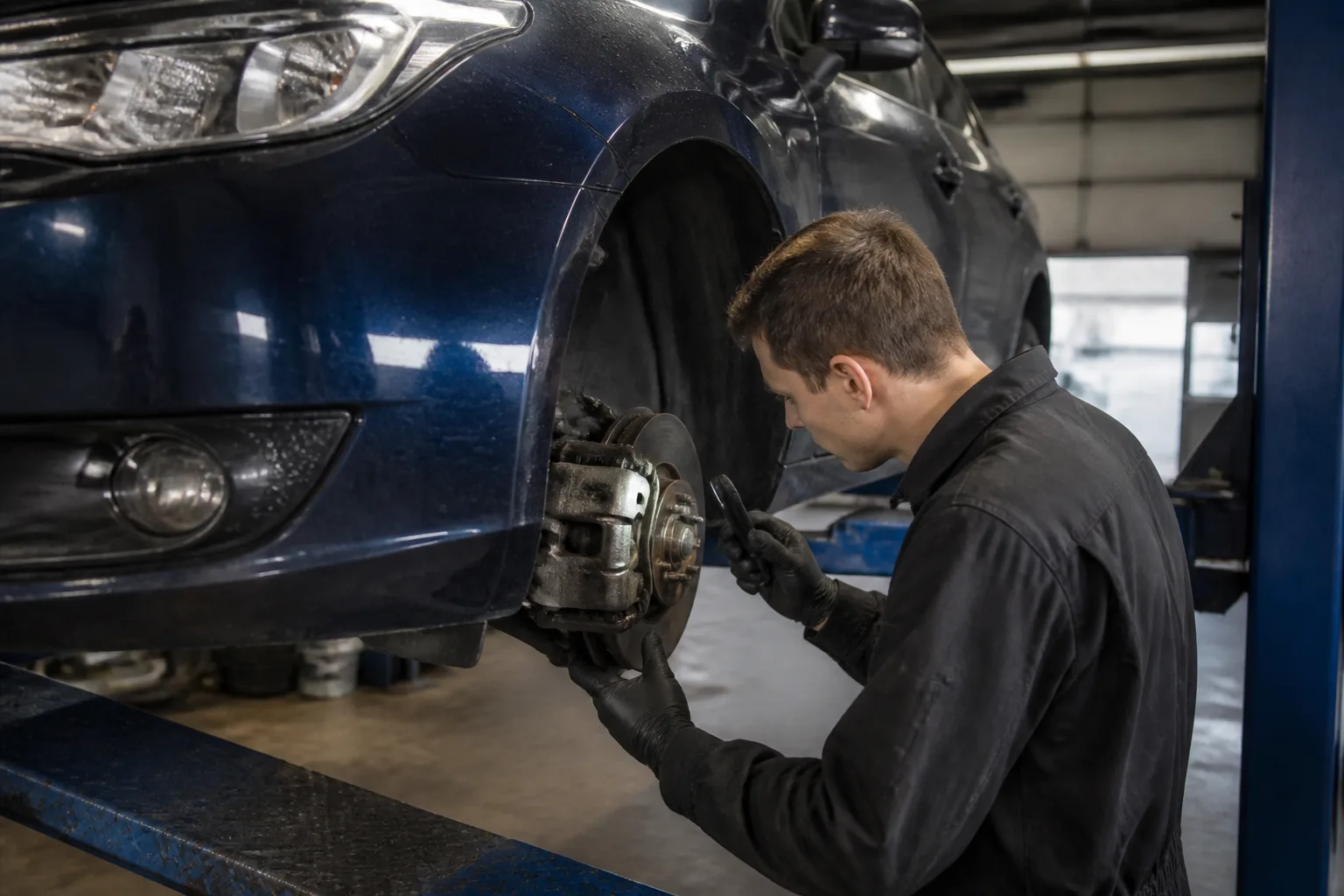
Seeing an advisory on an MOT certificate can be confusing, particularly if the vehicle has still passed. In simple terms, an advisory means the tester found a condition that was not serious enough to justify a failure on the day, but may need attention as it wears or deteriorates.
An advisory is not the same as a failed MOT, and it does not automatically mean the car is unsafe to drive. However, it should not simply be ignored. Some items can worsen gradually, and dealing with them early may help prevent a larger repair later.
What is an MOT advisory?
An MOT advisory is a note recorded by the tester about a component or condition that is showing wear, deterioration or another issue worth monitoring. The tester may use this category when an item has not deteriorated enough to fail the test, or when it is approaching the point where it could become a problem.
Examples can include worn tyres that are still within the legal requirements, brake components showing wear, a damaged exhaust mounting or a suspension component with early signs of deterioration. The exact wording on the certificate matters, because an advisory can range from a relatively minor observation to a warning about a component that should be checked soon.
The MOT is an inspection of the vehicle at a particular point in time. It is not a guarantee that every part will remain in the same condition until the next test. Wear can continue after the inspection, especially on parts affected by mileage, road conditions, weather and driving habits.
Does an advisory mean the car has failed?
No. A vehicle can pass its MOT with advisories. A failure is recorded when the tester identifies a major or dangerous defect, or another issue that does not meet the test requirements. An advisory is used for a problem that does not yet justify rejection under the MOT inspection criteria.
That does not make the advisory meaningless. It is best treated as an early warning. The vehicle may be acceptable for use at the time of the test, but the noted part may need inspection, maintenance or replacement before the next MOT, or sooner if symptoms develop.
If the certificate lists a safety-related item, such as tyre or brake wear, ask a garage to explain how much usable condition remains. A tester may not be able to give a precise remaining lifespan, because that depends on how and where the vehicle is driven. If braking, steering or tyre problems become noticeable, do not rely on the fact that the vehicle passed an earlier MOT. Stop driving if continuing may be unsafe and arrange a professional inspection.
What should you do after receiving an advisory?
1. Read the wording carefully
Start with the exact advisory description on the MOT result. It should identify the area of the vehicle concerned, although the wording may use technical terms. For example, “nearside” means the left-hand side of the vehicle when viewed from inside facing forwards, while “offside” means the right-hand side.
If you are unsure what a term means, ask the testing garage to explain it. Understanding whether the note concerns a tyre, brake, lamp, suspension component, bodywork or another area will help you decide how promptly it needs attention.
2. Consider the likely priority
Some advisories can be dealt with during routine maintenance. Others deserve a closer look soon, particularly if they relate to braking, steering, suspension, tyres or visibility. The wording alone may not tell you exactly how much wear is present, so a physical inspection is appropriate when the item could affect roadworthiness.
Pay attention to changes after the MOT. Pulling to one side, vibration, unusual noises, a change in brake pedal feel, a warning light, a damaged tyre or fluid leaking from the vehicle should not be dismissed because the car passed its test. These symptoms may have different causes, and they cannot be diagnosed reliably from an MOT advisory alone.
3. Keep a record and review it
Keep the MOT result with your vehicle records and make a note of any work carried out. If the same advisory appears at a later test, that may indicate the condition has not changed significantly, but it may also show that wear is progressing. An advisory appearing for the first time can be useful evidence that a component should be checked during the next service.
You can also use the official MOT history service to view previous results, recorded mileage and defects or minor problems for eligible vehicles. This can help you see whether an issue has been mentioned before, particularly when buying a used car.
Can an advisory cause problems before the next MOT?
Yes. An advisory describes the condition observed at the time of the test, not a fixed period during which the part is guaranteed to remain acceptable. A tyre can lose condition, brake wear can progress and a damaged component can become worse through normal use.
There is also no standard amount of time that every advisory will last. The rate of wear depends on the component, vehicle, mileage, load, road surfaces and driving conditions. A garage can often assess the current condition and explain whether it is suitable for monitoring, should be repaired soon or needs immediate attention.
For more context, our guide to what is checked during an MOT explains the main areas covered by the test. It is also worth remembering that an MOT is not a substitute for servicing, because servicing can include checks and maintenance outside the MOT test.
What is the difference between an advisory, a minor and a failure?
The MOT result uses categories to describe the seriousness of defects found during the inspection. A vehicle may pass with a minor problem or an advisory. A major or dangerous defect causes a failure. The distinction is based on the condition found by the tester and the MOT rules, rather than on how expensive the repair might eventually be.
A minor issue can still deserve attention, but it is not treated in the same way as a defect that requires an MOT failure. An advisory is generally a recommendation to monitor or address a condition before it becomes more serious. If the same component deteriorates further, it may be recorded differently at a future test.
Should you have an advisory repaired straight away?
There is no single answer for every advisory. The priority depends on the item, its condition and whether you have noticed any related symptoms. An advisory about a cosmetic issue may not require the same response as one concerning brakes, tyres, steering or suspension.
When in doubt, ask for an explanation rather than guessing. A garage can inspect the relevant component and tell you whether it is safe to continue using the vehicle, whether repair should be planned soon or whether the vehicle should not be driven until the problem is dealt with. If you are in the Salisbury area and want the advisory checked as part of sensible maintenance, you can find information about MOT testing at Ashton's Garage.
Advisories in summary
- An advisory means the vehicle passed, but the tester noted a condition worth monitoring or addressing.
- It is not the same as an MOT failure.
- The advisory describes the vehicle on the day of the test, not a guarantee until the next MOT.
- Read the wording carefully and ask for clarification if the technical language is unclear.
- Arrange a professional inspection sooner if the advisory concerns brakes, steering, tyres, suspension or another roadworthiness-related component.
- Do not continue driving if symptoms suggest the vehicle may be unsafe.
For further MOT guidance, you may also find our articles on how early you can book an MOT and whether you can drive after an MOT failure useful.
Frequently asked questions
Can I drive my car with an MOT advisory?
Usually, an advisory does not prevent the vehicle from passing its MOT. However, the item may deteriorate, so check the wording and arrange an inspection if it concerns tyres, brakes, steering, suspension or another safety-related component. Do not drive if the vehicle shows signs that it may be unsafe.
Does an MOT advisory need to be repaired before the next MOT?
Not necessarily, but it should be monitored and dealt with when appropriate. If the condition worsens, it could contribute to a failure at a future test. A garage can assess its current condition and advise how soon action is sensible.
Can an advisory be removed from my MOT history?
MOT history records previous test results and reported issues, so an old advisory remains part of the vehicle's recorded history. If the item is repaired, keep the repair record to show what work was completed.
Are MOT advisories serious?
They vary in importance. An advisory is not a failure, but it is an indication that a condition deserves attention or monitoring. Advisories linked to braking, steering, tyres or suspension should be treated particularly carefully.