What Does a Major MOT Defect Mean?
A major MOT defect means the vehicle has failed because the tester found a problem that could affect safety, the environment or compliance. Here is what the result means and what to do next.
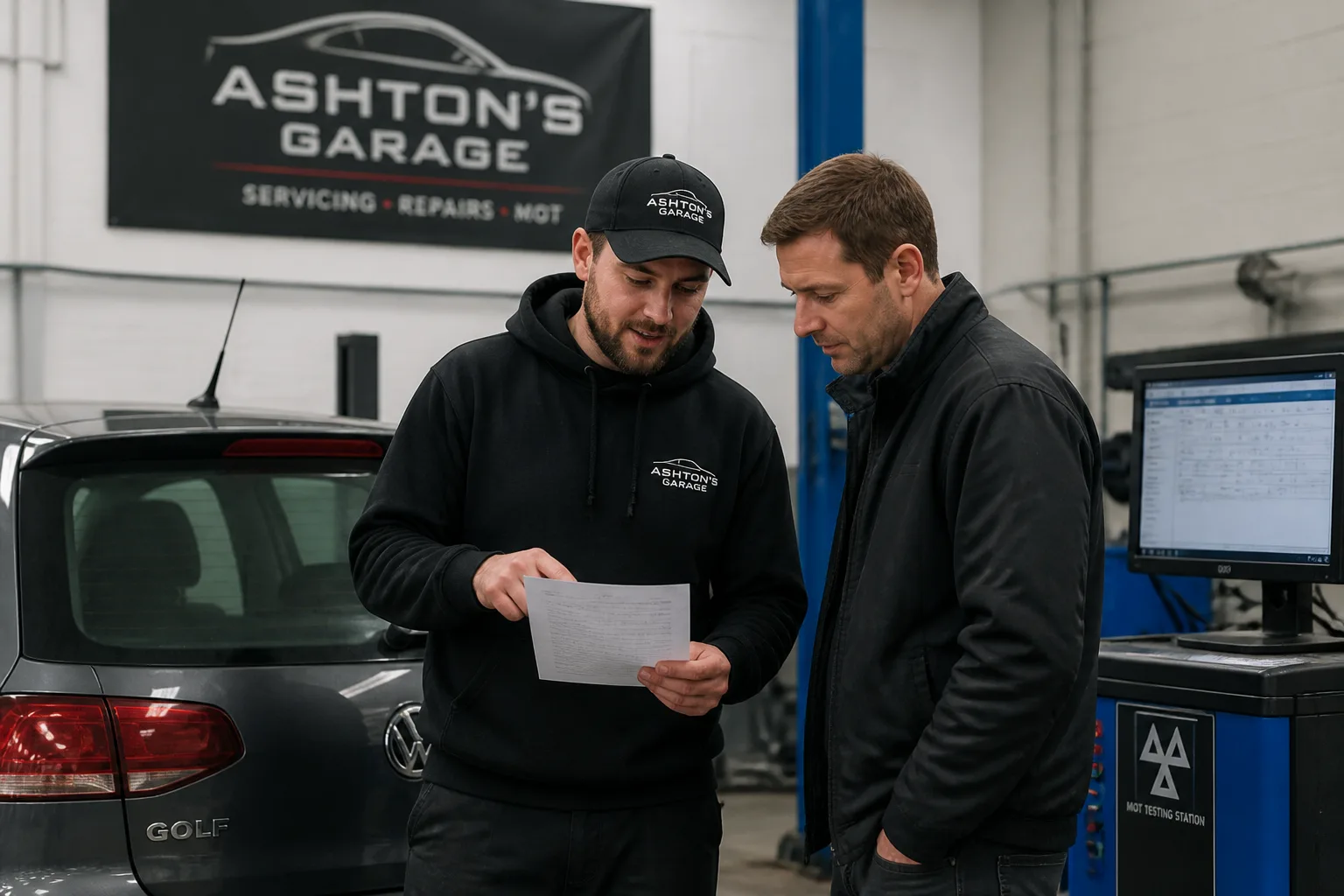
If your MOT certificate says the car has a major defect, it means the vehicle has failed the test because the tester found a problem considered significant enough to affect safety, the environment, other road users or legal compliance.
That wording can sound alarming, but it does not describe one particular fault. A major defect could relate to a braking component, lighting, tyres, steering, suspension, emissions or another part of the vehicle covered by the MOT test. The important point is that the defect needs to be understood and dealt with before you treat the car as ready for normal use.
What does a major MOT defect mean in practical terms?
The Driver and Vehicle Standards Agency, or DVSA, uses defect categories to show how serious a problem is during an MOT inspection. A major defect is one that may prejudice vehicle safety, affect the environment, put other road users at risk or represent another significant non-compliance.
In straightforward terms, a major defect is more serious than an advisory. It causes the vehicle to fail the MOT. The test result should identify the affected item and give a description of the problem, although the wording may not explain every underlying cause or the full extent of the repair required.
A major result does not automatically mean the car needs to be scrapped or that the repair will be extensive. It does mean the issue should not be dismissed. A proper assessment is needed to establish whether the reported item can be adjusted or repaired, or whether related components also need attention.
How is a major defect different from an advisory?
An advisory is a note about a component that is worn, deteriorating or likely to need attention in the future, but which has not reached the test failure threshold. An advisory does not itself mean the vehicle has failed.
A major defect is different because the tester has identified a condition serious enough to cause an MOT failure. This does not necessarily mean the vehicle has suddenly become dangerous at the exact moment the result was issued. It does mean the condition has crossed the relevant inspection threshold and should be dealt with promptly.
Our guide to what an MOT advisory means explains the other common result in more detail. Keeping advisories under review can sometimes prevent a smaller issue becoming a failure at a later test.
What sorts of problems can be classed as major?
The exact defect depends on what the tester finds. Examples can include a significant issue with braking performance, a tyre condition that is not acceptable for the test, a serious lighting fault or a problem affecting steering or suspension. Emissions-related faults can also be relevant where the vehicle does not meet the applicable test requirements.
These examples are only general possibilities. The same symptom, such as a warning light or unusual noise, can have several causes, and the MOT result itself may not provide a complete diagnosis. A garage may need to carry out further checks using appropriate inspection equipment before recommending a repair.
For safety-related defects, avoid assuming that a short journey is harmless simply because the vehicle still starts and moves. If the problem involves braking, steering, a damaged tyre, overheating or another condition that could affect roadworthiness, stop in a safe place and arrange professional advice or recovery where appropriate.
Can you drive after a major MOT failure?
A major failure should be treated as a prompt to establish the vehicle's condition before driving any further than is necessary. Whether the car can be moved safely depends on the defect, its severity and the vehicle's current condition. The MOT result alone cannot provide a remote assessment of whether continued driving is safe.
Do not drive the car if it has symptoms such as poor braking, loss of steering control, a visibly damaged tyre, severe overheating or another obvious safety concern. Contact a garage and ask about the safest way to have the vehicle inspected. If the failure relates to a less immediate issue, the garage can explain the appropriate next step after reviewing the result.
You can read more about the considerations in Can You Drive Your Car After an MOT Failure?. The answer should always be based on the specific defect rather than the word “major” alone.
What should you do after receiving the result?
Read the defect description carefully
Start with the exact wording on the MOT result. Note which component is mentioned, whether more than one defect is listed and whether any advisories were recorded as well. Photographs or extra explanations from the testing garage may also be useful.
Do not rely on a warning light alone
A dashboard warning light can point towards a system that needs attention, but it does not always identify the failed part. Equally, a car can have an MOT defect without displaying a warning light. Proper diagnosis helps separate the test finding from the underlying cause.
Arrange an appropriate inspection
A technician should assess the affected area and confirm what work is needed. This may involve a visual inspection, a road test where safe, electronic diagnosis or other suitable workshop checks. The aim is not simply to clear the MOT wording, but to make sure the reported issue and any related fault are properly understood.
At Ashton’s Garage, practical workshop experience, suitable diagnostic equipment and a clear explanation of the findings help motorists make an informed decision. You should be told what needs attention, why it matters and which work is necessary, without being pushed into unrelated repairs.
Does a major defect always mean an expensive repair?
No. The classification describes the seriousness of the defect for the MOT inspection, not the eventual price of the repair. Some faults may have a relatively straightforward cause, while others may reveal wear or damage in connected components.
It is sensible to ask the garage to explain the finding in plain English and to separate essential work from items that can be monitored. If a repair is recommended, the explanation should relate it back to the MOT defect and the vehicle's safety or compliance.
How can you reduce the chance of an MOT failure?
Basic checks can help you spot obvious problems before the test. Check that exterior lights appear to work, inspect tyres for visible damage and make sure the registration plates are clean and readable. Pay attention to changes in braking, steering, suspension, exhaust noise or dashboard warnings.
These checks cannot replace an MOT inspection or a professional diagnosis. Avoid attempting repairs involving brakes, steering, suspension or other safety-critical systems unless you have the correct training and equipment. If you are unsure about a symptom, asking a garage to inspect it is usually the safer option.
If your MOT is due soon, our guide to how early you can book an MOT may help with planning. It is also worth understanding what happens if the current certificate expires, which we cover in What Happens if Your MOT Expires?.
When should you contact a garage?
Contact a garage when you need the defect explained, when the vehicle has failed and requires repair, or when you are uncertain whether it is safe to move the car. A written MOT result is useful, but a technician may still need to inspect the vehicle before confirming the repair.
If your car has received a major MOT defect, contact Ashton’s Garage about an MOT inspection or follow-up work in Salisbury. We can help explain the result and discuss the sensible next step based on the actual condition of the vehicle.
Frequently asked questions
What is a major defect on an MOT?
A major defect is a problem that may affect vehicle safety, the environment, other road users or significant compliance requirements. It causes the vehicle to fail its MOT.
Is a major MOT defect worse than an advisory?
Yes. An advisory identifies a condition that has not reached the MOT failure threshold, while a major defect causes a failure and should be investigated and addressed.
Can a major MOT defect be repaired?
Usually, the defect can be assessed and repaired where appropriate, but the required work depends on the component, the underlying cause and the vehicle's condition. The MOT wording may not be a complete diagnosis.
Should I drive a car with a major MOT defect?
It depends on the specific defect and the vehicle's condition. Do not drive if there are safety-critical symptoms such as poor braking, steering problems, a damaged tyre or severe overheating. Ask a garage about inspection or recovery.
Related advice
MOT Retest Rules: What Happens After a Failure?
Failed your MOT? Learn what the result means, when a retest may be free or reduced-price, what happens if repairs are needed, and when it may be unsafe to drive.
How to Prepare Your Car for an MOT
A few sensible checks before your MOT can help you spot obvious problems, avoid preventable failures and understand when your car needs professional attention.
Can Worn Tyres Fail an MOT?
Worn, damaged or incorrectly fitted tyres can lead to an MOT failure. Learn what the tester checks, what an advisory means and when your car should be inspected before driving.