What Does a Dangerous MOT Defect Mean?
A dangerous MOT defect means the vehicle has failed because the issue poses a direct and immediate road-safety risk or affects the environment. Here’s what to do next.
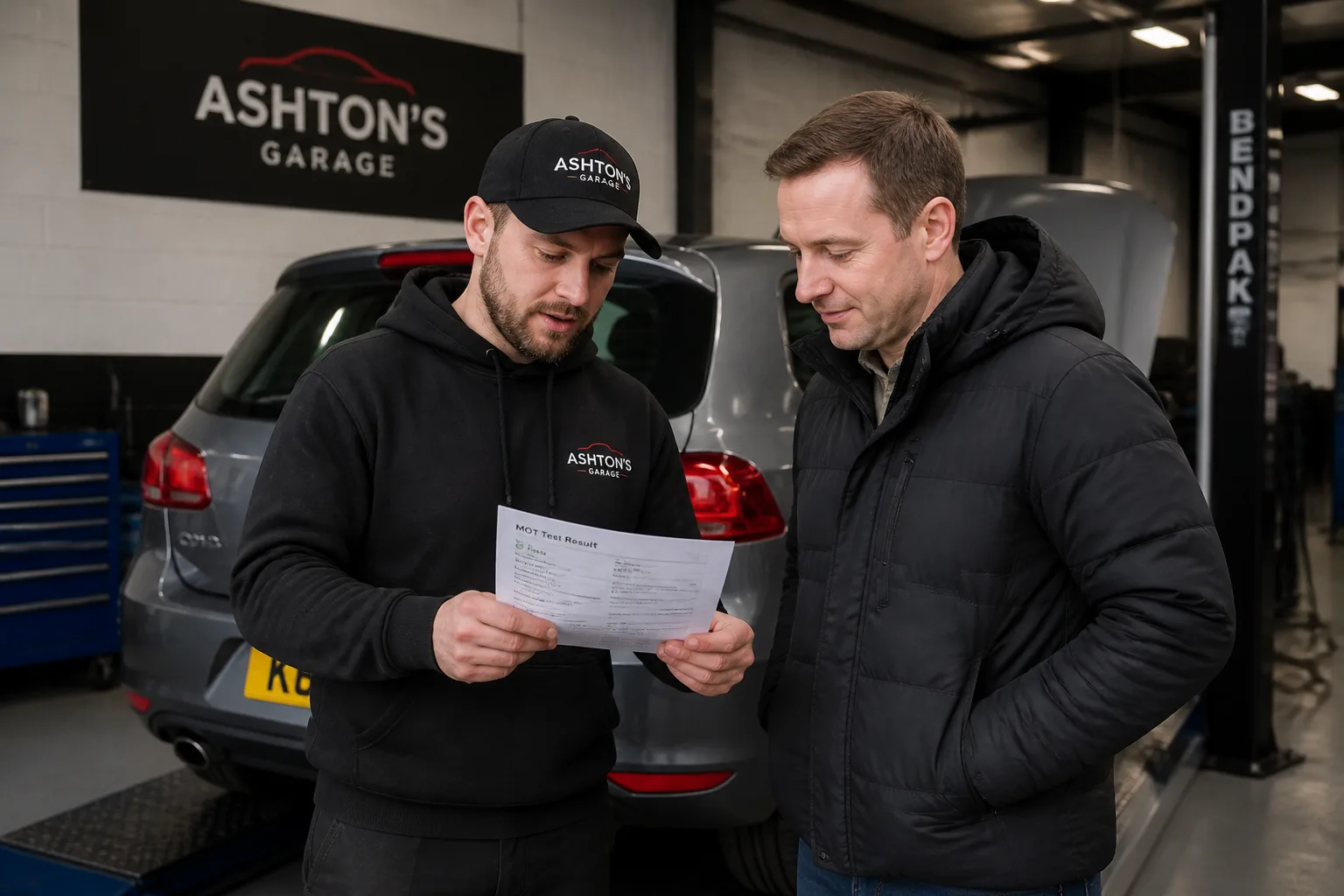
Seeing the word “dangerous” on an MOT result can be worrying, especially if you are not sure how it differs from a major or minor defect. In simple terms, a dangerous MOT defect is a problem that the tester considers to present a direct and immediate risk to road safety, or one that has a significant impact on the environment.
A vehicle with a dangerous defect fails its MOT. More importantly, it should not be driven until the defect has been repaired. This is different from an advisory, which is a note about something that may need attention in the future. You can read more about that distinction in our guide to what an MOT advisory means.
What does a dangerous MOT defect mean in practice?
The MOT test is designed to check whether a vehicle meets minimum standards for safety and environmental performance at the time of the test. A dangerous classification is reserved for a fault where continuing to use the vehicle could put the driver, passengers, other road users or the environment at immediate risk.
The wording does not necessarily tell you the full cause of the problem. It describes the seriousness of the defect found during the inspection. For example, the issue could relate to braking, steering, tyres, suspension, visibility, bodywork or emissions. The precise concern should be listed on the MOT result, but further inspection may be needed to understand what repair is appropriate.
It is worth taking the result seriously even if the car felt normal on the journey to the test station. Some safety problems are not obvious from the driver’s seat, and a vehicle can develop or reveal a fault without producing a warning light.
Can you drive a car that has failed with a dangerous defect?
GOV.UK guidance says that a vehicle which has failed because of a dangerous problem must be repaired before it is driven. Do not use it for the journey home, for errands or to continue your normal commute simply because it still starts and appears to move normally.
Driving a vehicle that has failed because of a dangerous problem can lead to a fine, penalty points and a driving ban. There is also the more immediate concern that the vehicle may not respond safely in an emergency. A fault affecting braking, steering, tyres, structural security or visibility can make a situation much harder to control.
If the vehicle is already at a garage or MOT station, ask about the safest way to arrange its repair. If it is at home, leave it parked and contact a suitable garage for advice. Do not attempt to resolve a safety-critical defect by dismantling or repairing components unless you have the proper training, equipment and experience.
What should you do after a dangerous MOT failure?
1. Read the MOT result carefully
Start by checking the exact defect description on the MOT record or paperwork. Several defects may be listed, and the dangerous item may not be the only issue requiring attention. If any wording is unclear, ask the tester or garage to explain it in plain English.
2. Avoid driving the vehicle
Do not rely on a short journey being safe. Distance and speed do not make an immediate safety risk acceptable. If the fault concerns a wheel, tyre, brake, steering component or another roadworthiness item, professional advice is particularly important before the vehicle is moved.
3. Arrange proper diagnosis and repair
A MOT test identifies a failure against inspection standards, but the repair may require further diagnosis. A garage may need to inspect related components, use suitable testing equipment and establish whether there is an underlying cause rather than simply replacing the first visible part.
This is one reason a clear explanation matters. You should be told what has failed, why it matters, what work is recommended and whether any additional defects have been found. A trustworthy garage should distinguish between essential work needed to make the vehicle safe and items that can reasonably be monitored.
4. Check what happens next with the MOT
Once repairs have been completed, the vehicle may need a retest. The exact arrangements can depend on where the original test took place and what work has been carried out, so ask the testing garage to explain the process. Do not assume that completing a repair automatically makes the vehicle legal or confirms that the MOT has been passed.
If you are planning ahead rather than dealing with a current failure, our guide explains how early you can book an MOT. Booking in good time can leave more opportunity to deal with faults before your existing certificate expires, although it cannot remove the need to repair a dangerous defect.
How is a dangerous defect different from a major defect?
Both dangerous and major defects result in an MOT failure, but the dangerous classification signals the highest level of immediate concern within the MOT defect categories. A major defect is serious enough to fail the vehicle, while a dangerous defect means the tester has identified a direct and immediate risk to road safety or an environmental concern of the type described in the MOT inspection guidance.
The important practical point is not to debate the label or look for a way to carry on driving. If the result says dangerous, treat the vehicle as needing attention before use. If you are unsure whether a failed vehicle can legally or safely be moved, obtain professional advice rather than making your own assumption. Our guide to driving after an MOT failure covers the wider question in more detail.
What if the problem is not obvious?
Some defects are easy to notice, such as a visibly damaged tyre or a lamp that is not working. Others may only become clear during an inspection. A car that brakes in a straight line, steers normally and has no warning lights can still have a defect that needs urgent attention.
Safe owner checks are limited to observations that do not involve working on the vehicle. You can read the MOT result, check whether any warning messages are displayed and tell the garage about changes such as unusual noises, pulling to one side, vibration, fluid leaks or changes in pedal feel. Do not crawl under the vehicle, remove components or test a suspected safety fault on the road.
How Ashton’s Garage can help
At Ashton’s Garage, the useful next step is to establish exactly what the MOT tester has found and what is required to put it right. Our workshop approach is based on proper diagnosis, appropriate equipment and a clear explanation of the work involved. That helps avoid guesswork and gives you a sensible basis for deciding how to proceed.
If your vehicle has received a dangerous MOT defect, you can contact Ashton’s Garage about an MOT inspection or follow-up. We will help you understand the result and discuss the appropriate next step, without pretending that a fault can be diagnosed remotely from the wording alone.
Related MOT advice
Frequently asked questions
What is a dangerous defect on an MOT?
It is a defect that the MOT tester considers to create a direct and immediate risk to road safety, or one that has a serious environmental impact. The vehicle fails its MOT and must be repaired before it is driven.
Can I drive home after a dangerous MOT failure?
No. GOV.UK guidance says a vehicle that has failed because of a dangerous problem must be repaired before it is driven. Ask the MOT station or a garage about the safest way to arrange its repair.
Is a dangerous MOT defect worse than a major defect?
Both classifications cause an MOT failure, but dangerous indicates the highest level of immediate concern within the MOT defect categories. Treat the vehicle as unsafe to drive until a professional has assessed and repaired the problem.
Can a dangerous MOT defect be repaired and retested?
A dangerous defect can be repaired, but the vehicle may need a retest before the MOT result is passed. Ask the testing garage to explain the retest arrangements and do not assume that a repair alone confirms a pass.
Related advice
MOT Retest Rules: What Happens After a Failure?
Failed your MOT? Learn what the result means, when a retest may be free or reduced-price, what happens if repairs are needed, and when it may be unsafe to drive.
How to Prepare Your Car for an MOT
A few sensible checks before your MOT can help you spot obvious problems, avoid preventable failures and understand when your car needs professional attention.
What Does a Major MOT Defect Mean?
A major MOT defect means the vehicle has failed because the tester found a problem that could affect safety, the environment or compliance. Here is what the result means and what to do next.