What Documents Do You Need for an MOT?
Find out what paperwork is usually needed for an MOT, when a V5C or other evidence may matter, and what to check before taking your car to the test.
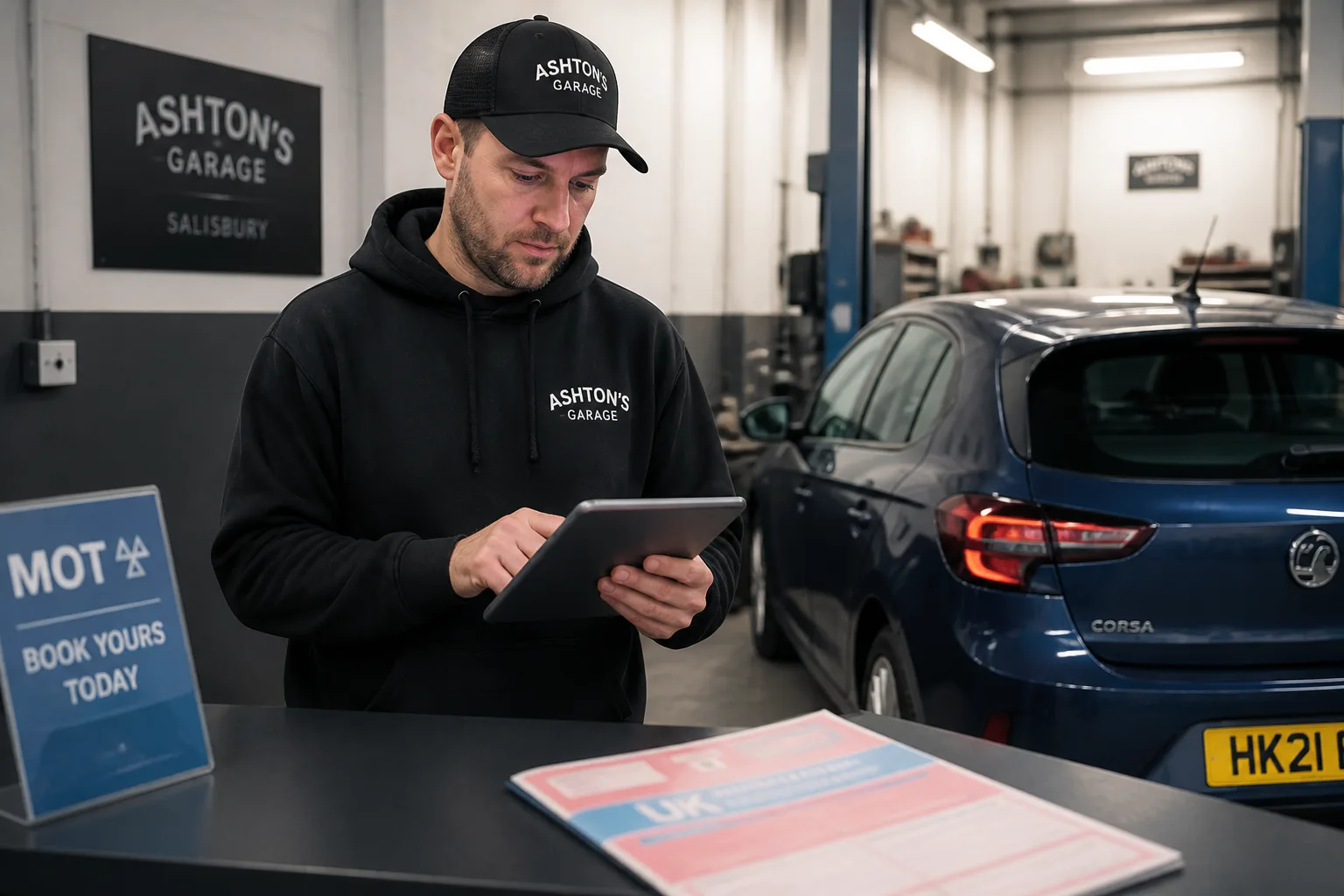
If you are preparing for an MOT, it is sensible to check what you need to take with you. The good news is that an ordinary MOT does not usually involve bringing a folder of paperwork. The test station can normally work from the vehicle details and registration information available for the car.
However, there are circumstances where a V5C registration certificate, often called the log book, or other evidence of the vehicle's date of first use may be needed. This is mainly connected with making sure the correct MOT test standard is applied.
Do you need your V5C for an MOT?
For most routine MOT tests, you should not assume that your V5C is universally required. In an ordinary case, the test station will generally have enough information to identify the vehicle and select the appropriate inspection requirements.
A V5C or other evidence of the vehicle's date of first use can become important where that information is unclear or affects the test standard. This can include some vehicles with cherished or personalised registrations, where the registration number may not make the vehicle's age immediately clear.
If you have recently bought the vehicle, changed its registration, imported it, or have an unusual registration mark, it is worth checking with the MOT testing station before the appointment. Taking the V5C with you may help avoid uncertainty, but it should not be treated as a universal requirement for every car and every MOT.
What should you take to the MOT?
Although there may not be a standard document that every motorist must present, you should have the practical details for the appointment to hand. These normally include:
- the vehicle registration number
- the appointment details and the correct test station address
- any information you have about the vehicle's registration or date of first use if it is unusual or unclear
- details of recent work or known faults that may be relevant to the tester
If somebody else is taking the car for you, make sure they know the booking details and any relevant information about the vehicle. This is particularly useful if the car has recently had changes to its registration or ownership records.
You do not need to bring a collection of old MOT certificates simply to prove the car's history. Previous test information can be checked through the relevant vehicle records, while the current test is an inspection of the vehicle on the day.
Why might the vehicle's date of first use matter?
An MOT is not just a general visual look over the car. The tester follows requirements that can vary according to the type, age and classification of the vehicle. The date the vehicle was first used can therefore be important when deciding which rules apply.
For a normal car with clear registration information, this is unlikely to create a problem. If the vehicle has a cherished registration, an unclear year identifier or a history involving importation, it is sensible to raise the point when arranging the test rather than leaving it until the appointment.
This is one reason an honest answer to the question “what documents do you need for an MOT?” cannot simply be “always bring your V5C” or “you never need any paperwork”. The correct approach depends on whether the vehicle's identity and date of first use are clear enough for the right test standard to be applied.
What should you check before arriving?
Paperwork is only one part of preparing for an MOT. A few safe, basic checks can help you arrive ready without attempting any repair work yourself.
- Make sure the vehicle is reasonably clear inside, particularly around the seats, footwells and boot.
- Check that the registration details supplied when booking match the vehicle you are taking for the test.
- Remove loose items that could obstruct access to areas the tester may need to inspect.
- Make sure the tester knows about unusual registration details or recent changes that could affect vehicle identification.
- Tell the garage about any warning lights, unusual noises or faults you have noticed.
These checks do not guarantee a pass. An MOT assesses specific safety and environmental requirements, and a vehicle can fail even when it appears to be driving normally. If you are unsure what an MOT covers, our guide to what an MOT advisory means explains the difference between a pass with advice and a failure.
What if your MOT has already expired?
Before driving to an appointment, make sure you understand whether the vehicle is currently allowed to be driven on the road. The consequences of an expired MOT can depend on the circumstances, so it is better to check the current position rather than rely on assumptions.
Our guide to what happens if your MOT expires covers the issue in more detail. If the car also has a suspected braking, steering, tyre or other roadworthiness problem, do not continue driving it simply because an MOT appointment has been arranged. Stop and seek professional advice if driving may be unsafe.
What happens if the car fails?
If a vehicle fails its MOT, the tester should explain the reasons and identify any items that need attention. The outcome may involve defects requiring repair, or advisories that do not prevent a pass but should be monitored.
A failed test does not automatically mean every repair must be carried out immediately at the same garage. What matters is understanding the result, deciding whether the vehicle is safe to drive, and arranging suitable work where needed. You can read more in can you drive your car after an MOT failure?
A proper garage should be able to explain the test result in plain language, distinguish urgent concerns from lower-priority maintenance, and use appropriate equipment when investigating a fault. That explanation is often more useful than simply being handed a list of technical terms.
How Ashton’s Garage can help
At Ashton’s Garage, we understand that many motorists want to know what is actually needed before they bring a car in. Our team can clarify the information required for your vehicle, carry out the MOT using the appropriate equipment, and explain any result clearly. If further work is needed, practical workshop experience and proper diagnosis help identify the right next step rather than encouraging guesswork.
If you are arranging an MOT and are unsure whether your vehicle's registration or history means you should bring the V5C, you can check the details with us when making an appointment through our MOT booking service in Salisbury. It is a straightforward way to make sure you arrive prepared without treating paperwork as a bigger issue than it needs to be.
Frequently asked questions
Is a V5C log book required for every MOT?
No. A V5C is not universally required for every ordinary MOT. It may be useful where the vehicle's date of first use or registration details are unclear, such as with some cherished registrations.
What if my car has a personalised registration?
Tell the MOT station when arranging the test. A V5C or other evidence of the vehicle's date of first use may help the tester apply the correct test standard if the registration does not clearly identify the vehicle's age.
Do I need to bring old MOT certificates?
You should not normally need a collection of previous MOT certificates for the test. Have the booking and vehicle details available, and mention any unusual registration or vehicle history.
Can someone else take my car for its MOT?
Someone else can take the vehicle on your behalf, but they should have the appointment details and know about any relevant registration changes, known faults or information the tester may need.
What should I do if the car has a serious fault before its MOT?
Do not drive it to the appointment if you suspect a braking, steering, tyre or other roadworthiness problem that could make continued driving unsafe. Stop and seek professional advice about inspection or recovery.
Related advice
MOT Retest Rules: What Happens After a Failure?
Failed your MOT? Learn what the result means, when a retest may be free or reduced-price, what happens if repairs are needed, and when it may be unsafe to drive.
How to Prepare Your Car for an MOT
A few sensible checks before your MOT can help you spot obvious problems, avoid preventable failures and understand when your car needs professional attention.
What Does a Major MOT Defect Mean?
A major MOT defect means the vehicle has failed because the tester found a problem that could affect safety, the environment or compliance. Here is what the result means and what to do next.