
Should You Check Tyre Pressure When the Temperature Changes?
Yes. Changes in air temperature can alter the pressure in your tyres, so checking them regularly helps support safe handling, braking, tyre wear and fuel economy.
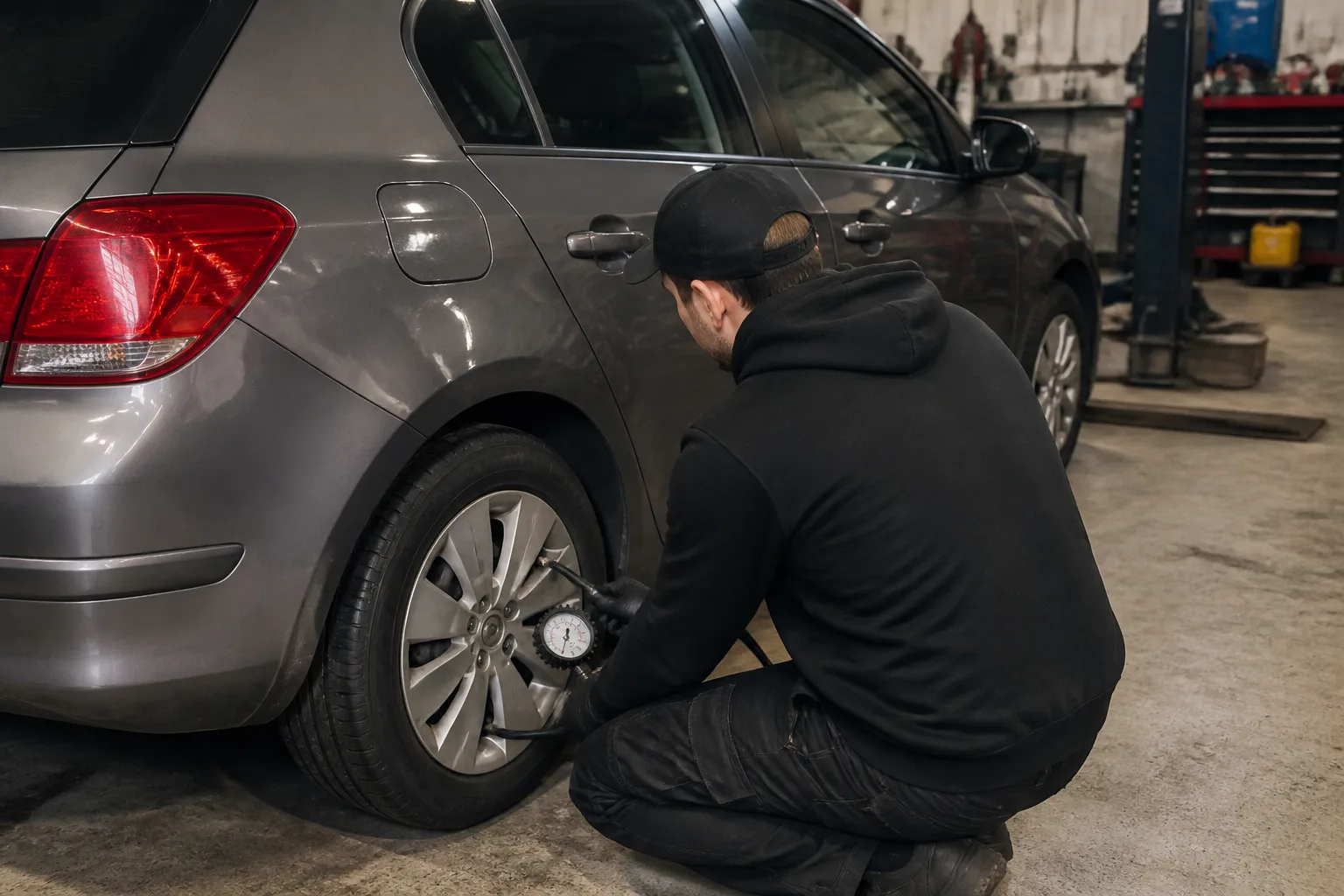
Yes, you should check your tyre pressure when the temperature changes, particularly as the seasons move from warmer to cooler weather. The air inside a tyre expands as it gets warmer and contracts as it gets colder. That means a tyre which was correctly inflated during a mild spell may show a lower reading after a cold night.
The change may not always be obvious from looking at the tyre. A small pressure loss can still affect how the car feels, how evenly the tread wears and how efficiently it uses fuel. Checking pressure is a simple part of routine car care, but it needs to be done at the right time and against the correct figures for your vehicle.
Why does temperature affect tyre pressure?
Tyres are filled with air, and air responds to changes in temperature. When the temperature drops, the air inside the tyre takes up slightly less space and the measured pressure falls. When the weather becomes warmer, the pressure can rise.
As a general guide, a change of around 10 degrees Celsius can alter tyre pressure by approximately 0.1 bar, although the exact effect depends on the tyre, the starting pressure and the conditions. This is one reason why a pressure warning may appear after a particularly cold morning even when there is no obvious puncture.
Temperature is not the only possible cause of a lower reading. Natural seepage over time, a small puncture, a damaged valve or a problem with the wheel can also allow air to escape. If one tyre is losing pressure repeatedly, do not assume that changing weather is responsible.
When is the best time to check your tyres?
Check tyre pressure when the tyres are cold. In practical terms, this means before driving, or after the car has been parked for several hours. Driving creates heat in the tyre and raises the pressure temporarily, which can give you a misleading reading.
A useful routine is to check all four tyres at least once a month, as well as before a long journey. It is sensible to repeat the check when there has been a noticeable change in temperature, such as the first cold spell of autumn or a sudden warm period in spring and summer.
If your car has a full-size spare wheel, check that as well. A space-saver spare may have a different recommended pressure, so follow the information provided by the vehicle manufacturer. Some cars have a tyre pressure monitoring system, known as TPMS. This can warn you about a pressure change, but it does not remove the need for periodic checks.
Where can you find the correct tyre pressure?
The correct figures are normally listed in the vehicle handbook, on a label inside the driver's door frame or on the door pillar. They may also be shown inside the fuel filler flap, depending on the vehicle. There can be separate pressures for normal loads and for a heavily loaded car or motorway journey.
Use the vehicle manufacturer's recommended figure rather than the maximum pressure printed on the tyre sidewall. The sidewall figure is generally a limit related to the tyre, not the correct everyday setting for your particular car.
Some cars use different recommended pressures for the front and rear axles. The figures may also vary with wheel size or tyre specification, so check that you are using the information for the tyres fitted to your car.
What happens if tyre pressure is too low?
Under-inflated tyres can create more rolling resistance, which may increase fuel use. They can also wear more heavily towards the outer edges of the tread. The car may feel less precise in corners, and braking and steering performance can be affected, particularly in wet conditions.
Low pressure also allows the tyre sidewall to flex more than intended. This can create heat and place extra stress on the tyre. A seriously under-inflated or damaged tyre should not be treated as a minor seasonal issue.
What happens if tyre pressure is too high?
Over-inflation can reduce the amount of tread in contact with the road. The car may feel less settled, especially over uneven surfaces, and the centre of the tread may wear more quickly. Excess pressure can also make the ride feel harsher.
Do not deliberately adjust the pressure above or below the recommended figure to suit the weather. If the pressure has changed because of temperature, set it back to the manufacturer's cold-tyre recommendation.
What should you check alongside tyre pressure?
Pressure is only one part of tyre condition. While checking, look for visible cuts, cracks, bulges, objects lodged in the tread and unusual or uneven wear. Pay attention to a tyre that looks noticeably different from the others.
A tyre pressure warning that returns after the tyres have been inflated needs further attention. It could indicate a slow puncture, a leaking valve, a wheel problem or a fault with the monitoring system. A sudden pressure loss, visible bulge or damaged tyre can make the vehicle unsafe to drive. If you notice any of these, stop in a safe place and arrange professional advice or inspection rather than continuing your journey.
It is also worth remembering that tread depth alone does not confirm that a tyre is safe. Age, damage and condition matter as well. For broader seasonal preparation, our guides to winter car maintenance and summer car maintenance cover other checks that can be easy to overlook.
Should you adjust tyre pressure after driving?
Ideally, no. Wait until the tyres have cooled and then check them. If you are at a petrol station after driving and find a low reading, you may need to add air so that the car can be used safely, but a warm-tyre reading is not directly comparable with the manufacturer's cold-tyre figure.
Do not release air from a warm tyre simply because the reading appears higher. As the tyre cools, its pressure will fall. Check it again when cold and make any final adjustment then.
When should a garage check the tyres?
Professional inspection is sensible if one tyre repeatedly loses pressure, if the car pulls to one side, if the steering feels unusual, or if you find damage that you cannot assess confidently. A garage can check for leaks and inspect the tyre, valve and wheel without relying on pressure readings alone.
Ashton's Garage can include tyre pressure and condition checks as part of a wider vehicle inspection or service. If seasonal changes have highlighted a recurring pressure issue, you can find more information about vehicle servicing in Salisbury and choose the level of help that suits the car.
In short, temperature changes are a good reminder to check your tyres, but they should not be used to explain away a continuing pressure loss. Check cold tyres against the correct vehicle figures, inspect them for visible damage and seek professional advice if anything does not look or feel right.
Frequently asked questions
How often should I check my tyre pressure?
Check all tyres at least once a month and before a long journey. Check again after a significant change in temperature, and always measure them when they are cold.
Can cold weather cause a tyre pressure warning?
Yes. Colder air can reduce the pressure reading enough to trigger the vehicle's tyre pressure monitoring system. However, a warning can also indicate a puncture, valve leak or other fault, so it should not be ignored if it returns.
Should I use the pressure printed on the tyre sidewall?
No. Use the pressure recommended by the vehicle manufacturer, usually found in the handbook or on a label around the driver's door area. The sidewall figure is not normally the correct everyday setting for the car.
Is it safe to drive with a visibly low tyre?
A visibly low tyre may be seriously under-inflated or damaged. Stop somewhere safe and arrange professional advice or inspection rather than continuing to drive on it.
Related advice
What to Check Before a Summer Road Trip
Planning a summer road trip? Use this practical UK car checklist to check tyres, fluids, lights, battery, air conditioning, luggage and warning signs before setting off.
What Should You Keep in Your Car for a Winter Journey?
A practical guide to the clothing, equipment and basic supplies worth carrying in your car for winter journeys in the UK, plus sensible checks before you set off.
Why Does My Car Air Conditioning Smell?
A bad smell from your car air conditioning is often linked to moisture, a dirty cabin filter or contamination in the ventilation system. Learn what the smell may mean and when professional attention is sensible.