How to Help Prevent Car Windows Misting Up
Misted-up windows are usually caused by moisture and temperature differences inside the car. These practical tips can help improve visibility and may reveal when your vehicle needs professional attention.
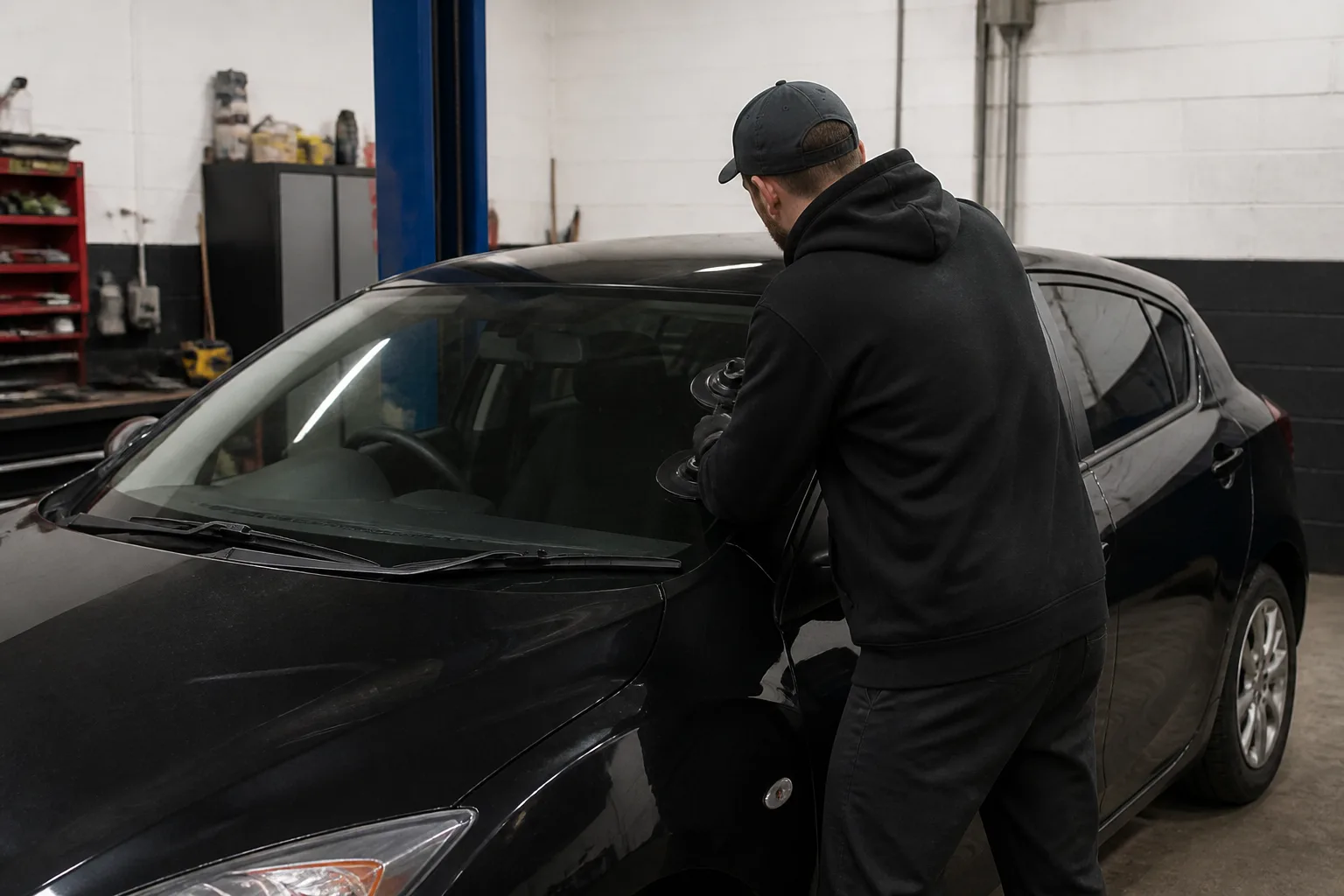
Misted-up car windows are more than an inconvenience. If condensation covers the windscreen or side windows, your view of other road users, pedestrians and hazards can be reduced. This is particularly common in cooler, damp weather, when warm, moist air inside the vehicle meets cold glass.
The good news is that a few sensible habits can help prevent car windows misting up. If the windows mist regularly despite using the ventilation system correctly, however, it is worth considering whether excess moisture is getting into the cabin or whether the demisting system needs checking.
Why do car windows mist up?
Air contains water vapour. When warm, damp air touches a colder window, the vapour can condense into tiny droplets. This creates the familiar mist or fog across the inside of the glass.
People breathing in the car are one source of moisture, but wet coats, shoes, umbrellas and floor mats can add considerably more. A blocked cabin air filter, poor ventilation or a water leak can also contribute. In some cases, a problem with the air conditioning system or heater may mean the car cannot dry the air as effectively as it should.
Condensation on the outside of the glass is different. It can happen when the outside air is cooler than the glass, and the windscreen wipers will usually deal with it. Mist on the inside needs to be removed using the car's ventilation and demisting controls.
Use the demister and ventilation settings properly
The quickest way to clear internal condensation is normally to select the windscreen demister, direct air towards the glass and use the fan at a suitable speed. Your vehicle handbook will explain the symbols if you are unsure which control to use.
Switching on the air conditioning can help, even in cold weather. Air conditioning removes moisture from the air before it is blown into the cabin, while the heater then warms that air. Many cars operate the air conditioning automatically when the windscreen demist setting is selected.
Use fresh-air intake rather than recirculation when clearing mist. Recirculation keeps the damp cabin air moving around inside the vehicle, so the windows may take longer to clear. Once the glass is clear, adjust the temperature and fan speed for comfortable visibility without directing your attention away from driving.
Reduce moisture inside the car
Removing sources of damp can make a noticeable difference. Before getting into the car, shake excess water from coats and umbrellas where it is safe and practical to do so. Check the footwells and boot regularly, and take out wet mats to dry properly rather than leaving them in the vehicle.
It is also worth checking that the door seals, boot seal and sunroof seals, where fitted, appear intact and are sitting correctly. Look for damp carpets, water staining or a persistent musty smell. These signs do not identify the cause by themselves, but they can suggest that moisture is entering the cabin.
Keep the inside of the glass clean as well. A film of dust, smoke residue or cleaning product can give moisture more surface to cling to and make misting appear worse. Use a suitable glass cleaner and a clean, lint-free cloth. Do not wipe the windscreen while driving, and do not leave smears that create glare from headlights at night.
Check the cabin air filter
The cabin air filter, sometimes called a pollen filter, helps clean the air entering the passenger compartment. If it becomes blocked, airflow from the vents can be weaker, which may make demisting slower.
Cabin filter replacement intervals vary between vehicles and driving conditions. Cars used on dusty roads or in areas with high levels of traffic pollution may need attention sooner than the interval suggested for normal use. A weak airflow, unusual smells or a fan that seems to work harder than usual are sensible reasons to ask for the filter and ventilation system to be checked.
This is one of the routine items that may be included during vehicle servicing at Ashton's Garage. A technician can check the service schedule and assess whether the filter, blower or other part of the ventilation system needs attention.
Do not ignore repeated or unusual misting
Occasional misting after passengers enter a cold car is normal. Persistent condensation is less straightforward. If one area of the glass repeatedly becomes wet, if the carpets remain damp, or if there is a sweet smell inside the car, arrange a professional inspection rather than relying on repeated wiping.
These symptoms can have several possible causes, including a water leak or a problem within the heating system. It is not possible to identify the fault reliably without inspecting the vehicle. Avoid touching or dismantling components around the cooling or heating system, particularly when the engine is hot.
Further seasonal checks can also help you prepare for wet and cold conditions. Our winter car maintenance checklist covers other areas worth considering, while the guide to how cold weather affects your car battery explains why starting and electrical systems can receive more attention during winter.
Should you drive with misted windows?
No, not if your view is significantly restricted. Pull over somewhere safe and use the demister until the windscreen and the windows needed for observation are clear. Do not set off while relying on a small clear patch or by opening a side window if the rest of the glass remains obscured.
If the windows will not clear, or they mist up again almost immediately, the safest option is to stop driving and arrange advice or an inspection. Visibility is a basic roadworthiness concern, and a ventilation fault may be accompanied by another issue that needs attention.
Simple habits that can help
- Use the windscreen demister and direct airflow at the glass.
- Use air conditioning to help remove moisture from the cabin air.
- Choose fresh-air intake instead of recirculation when clearing mist.
- Remove wet coats, umbrellas and mats where possible.
- Keep the inside of the glass clean and free from greasy residue.
- Check carpets, seals and the boot for signs of water ingress.
- Ask for the cabin air filter to be checked if airflow is weak or smells unusual.
Most misting is caused by ordinary moisture and temperature changes, but repeated problems should not be dismissed. If you are in the Salisbury area and want the ventilation system or cabin filter checked as part of a wider service, Ashton's Garage can explain the likely options without assuming a fault before the vehicle has been inspected.
Frequently asked questions
Should I use air conditioning when it is cold outside?
Yes. Air conditioning can remove moisture from the air even when the outside temperature is low. Using it with the windscreen demister often helps clear internal condensation more quickly.
Why do my car windows mist up again after I clear them?
There may still be excess moisture inside the vehicle, such as wet mats or clothing. Persistent remisting can also be linked to poor airflow, a blocked cabin filter or water entering the cabin, so an inspection may be worthwhile.
Is it safe to drive with a small clear patch on the windscreen?
No. A small clear patch may not provide a safe view of the road and surrounding traffic. Wait until the necessary windows are clear, and pull over safely if the demister cannot remove the mist.
Can a dirty windscreen make misting worse?
Yes. Grease, dust and residue can make condensation cling to the glass and create glare when illuminated by other vehicles. Cleaning the inside with a suitable glass cleaner can help.
Related advice
How to Clear Your Windscreen Safely in Winter
Learn how to clear frost, ice and condensation from your windscreen safely in winter, using the right tools and avoiding damage to the glass, wipers and paintwork.
How Often Should Wiper Blades Be Replaced?
Wiper blades do not have a fixed expiry date, but most need checking regularly and replacing when they stop clearing the windscreen properly. Learn what affects their lifespan and which warning signs should not be ignored.
How to Prepare Your Car for Frost
A practical guide to getting your car ready for frosty mornings, including checks for the battery, tyres, fluids, visibility and door seals.