How to Clear Your Windscreen Safely in Winter
Learn how to clear frost, ice and condensation from your windscreen safely in winter, using the right tools and avoiding damage to the glass, wipers and paintwork.
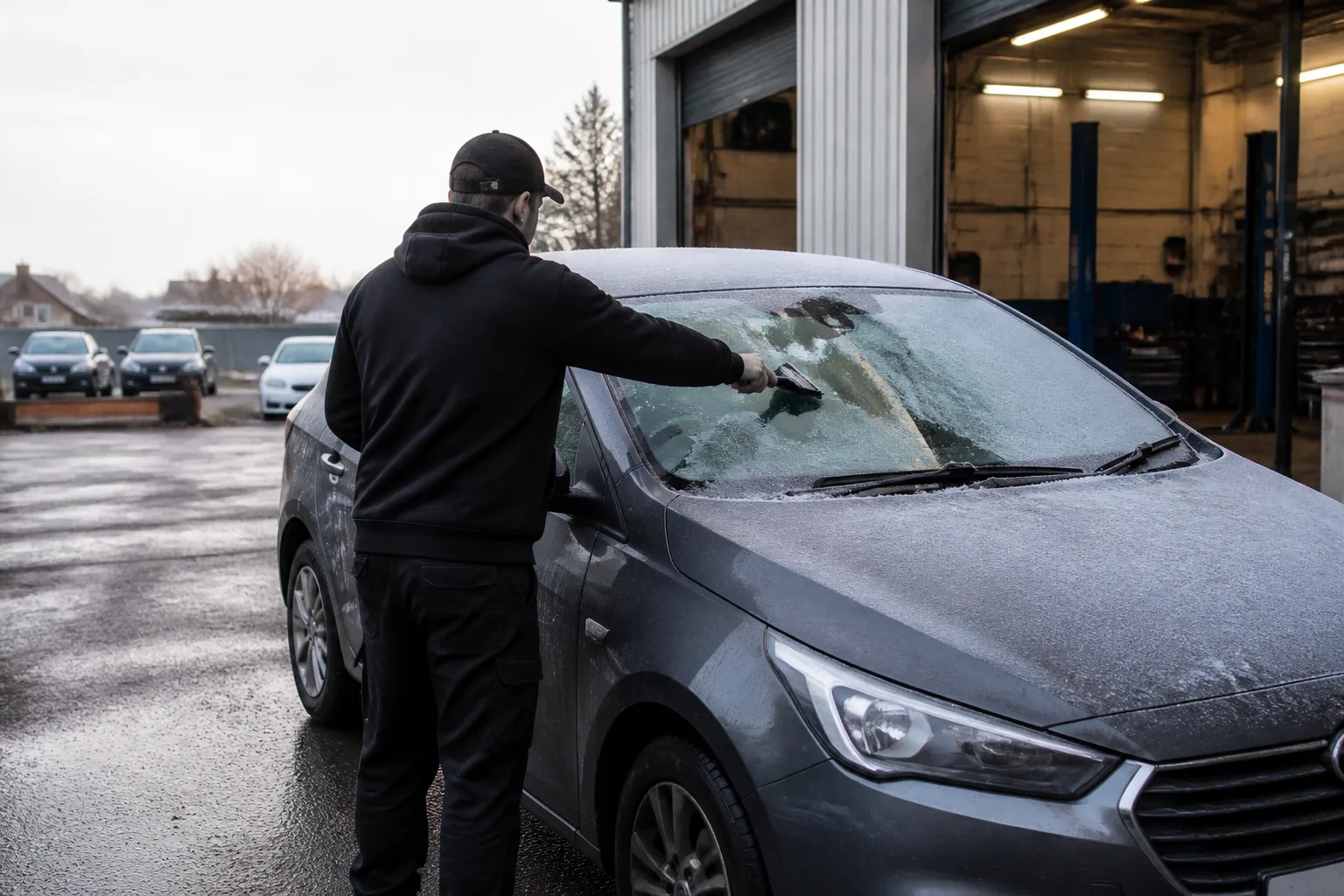
Knowing how to clear your windscreen safely in winter makes cold-weather driving easier and helps you avoid damaging the glass, wiper blades or surrounding paintwork. Frost, ice and condensation can all reduce visibility, but they need slightly different approaches.
It is tempting to rush on a cold morning, particularly when you are heading to work or taking children to school. However, driving with a partly cleared windscreen is unsafe because small areas of ice, mist or glare can hide hazards. Take the time to clear the glass properly before moving off.
Start the car and prepare it safely
Before clearing the windscreen, make sure the vehicle is parked securely and that you have a clear view around it. Start the engine if you need to use the car’s heater or demisting system, then set the ventilation to the windscreen. Use a moderate temperature at first and increase it as the engine warms.
Do not leave an unattended vehicle running on a public road while you go back indoors. Apart from the security risk, an idling car can create fumes and may be against local restrictions in some areas. Stay with the vehicle and use the time to clear the glass and check that the lights and mirrors are also usable.
How to remove frost and ice
Use a proper ice scraper
A good-quality plastic ice scraper is the safest basic tool for removing frost and light ice. Work across the glass with firm, controlled strokes rather than stabbing at thick patches. Keep the scraper clean, as grit trapped against it can mark the surface.
A soft brush can help remove loose snow from the roof, bonnet, windows and lights. Clear snow from the whole vehicle rather than only making a small viewing area. Snow left on the roof can slide forwards when you brake, while loose snow may blow towards other road users once you are moving.
Use de-icer correctly
Apply a proper windscreen de-icer to stubborn frost, allow it a short time to work, then use the scraper. A ready-made product is preferable to experimenting with household liquids, some of which may damage rubber seals, paint or wiper components.
Never pour boiling water over an iced windscreen. A sudden temperature change can worsen an existing chip or crack and, in some cases, lead to glass damage. Hot water can also run into door seals and freeze again, leaving the door difficult to open.
What to do about condensation inside the car
Interior mist is different from ice on the outside. Use the demist setting, direct airflow at the windscreen and make sure the air conditioning is switched on if your vehicle has it. Air conditioning helps remove moisture from the air, even when the weather is cold.
Turn off the cabin recirculation setting if the interior is misting heavily. Recirculation keeps the damp air inside the car, whereas bringing in drier outside air can help the screen clear more effectively. Avoid wiping the glass with your hand or a dirty cloth, as this can leave a greasy film that causes glare when facing low winter sunlight.
If the inside of the windscreen regularly becomes wet or takes an unusually long time to clear, it may be worth checking for a damp interior, blocked ventilation filter or a fault with the heating and ventilation system. Do not assume that repeated misting is always just a weather issue.
Check the wipers before using them
Do not switch on frozen wipers in an attempt to remove ice. The blades can stick to the glass, and the wiper motor or rubber blade may be damaged when they are forced to move. Free the blades with de-icer and a scraper first, then lift them away from the screen only if the vehicle manufacturer’s instructions allow it.
Once the windscreen is clear, use the washers and wipers to remove any remaining residue. If the blades leave streaks, judder across the glass or fail to clear water evenly, they may need replacing. Worn blades reduce visibility in rain and winter spray, even when the screen initially looks clean.
Do not forget the other windows and lights
A clear windscreen is essential, but it is not enough on its own. Remove frost and snow from the side windows, rear window, mirrors and lights. Check that the number plate is visible and that snow has not gathered around the bonnet or roof where it could come loose.
Give yourself enough time to clear the vehicle without scraping aggressively. If the glass is covered in heavy ice, gradual heating combined with de-icer is safer than forcing the scraper against it. Keep a scraper, brush and suitable de-icer in the car during the colder months. A pair of gloves can make the job more comfortable and reduce the temptation to rush.
When windscreen damage needs attention
Cold weather does not automatically mean a windscreen chip or crack will spread, but rapid temperature changes and pressure can make existing damage more vulnerable. Avoid directing very hot air at a small damaged area and do not scrape forcefully over a chip.
If you notice a crack in the driver’s main viewing area, damage that is spreading, or a chip that affects your view, arrange professional advice before driving more than necessary. A damaged windscreen can affect visibility and may compromise the vehicle’s roadworthiness. If the glass is badly damaged or your view cannot be cleared, stop and arrange appropriate assistance rather than taking a risk.
Prepare the car for winter
Windscreen clearing is one part of sensible winter preparation. Check that the washer reservoir contains a winter-grade screenwash, as plain water can freeze. Make sure the washers spray properly and that the heater and demisting controls work as expected.
It is also sensible to check the battery, tyres and lights before a period of cold weather. Our guide to winter car maintenance covers other straightforward checks that can help you prepare. If the battery is slow to turn the engine over on cold mornings, our advice on how cold weather affects your car battery explains why that can happen.
For drivers in Salisbury and the surrounding area, a routine check can identify issues with the heating, ventilation, washer system or wipers before they become inconvenient. You can find more information about vehicle servicing at Ashton’s Garage if you would like a technician to inspect the car as part of its normal maintenance.
A simple winter windscreen routine
Park safely, start the demisting system, brush away loose snow, use de-icer and a plastic scraper, and wait until the whole windscreen is clear. Check the side windows, mirrors and lights as well. Never use boiling water, force frozen wipers or set off with only a small viewing gap.
These small steps protect the vehicle and, more importantly, give you the visibility needed to spot hazards in winter conditions. If your windscreen repeatedly mists up, the wipers smear badly or the heating system is not clearing the glass properly, arrange a professional inspection rather than relying on a workaround.
Frequently asked questions
Can I use hot water to clear an iced windscreen?
No. Very hot water can create a sudden temperature change that may worsen an existing chip or crack. Use the vehicle’s demisting system, a suitable de-icer and a plastic scraper instead.
Should I use my wipers to remove frost?
No. Frozen blades can stick to the glass, and forcing them to move may damage the rubber, linkage or wiper motor. Free the blades first and remove the ice manually.
Why does the inside of my windscreen keep misting up?
Possible causes include damp air inside the vehicle, wet mats or clothing, restricted ventilation, a blocked cabin filter or a fault in the heating system. Use the demist setting and air conditioning, and arrange a check if the problem keeps returning.
Do I need to clear snow from the whole car?
Yes. Clear the roof, bonnet, windows, mirrors and lights as well as the windscreen. Loose snow can slide into your view or blow onto other road users once the vehicle is moving.
Related advice
How Often Should Wiper Blades Be Replaced?
Wiper blades do not have a fixed expiry date, but most need checking regularly and replacing when they stop clearing the windscreen properly. Learn what affects their lifespan and which warning signs should not be ignored.
How to Prepare Your Car for Frost
A practical guide to getting your car ready for frosty mornings, including checks for the battery, tyres, fluids, visibility and door seals.
Why Does My Car Air Conditioning Smell?
A bad smell from your car air conditioning is often linked to moisture, a dirty cabin filter or contamination in the ventilation system. Learn what the smell may mean and when professional attention is sensible.