How to Check Your Engine Oil Level Safely
Checking your engine oil level is a simple maintenance task that can help you spot low oil before it causes expensive engine damage. Here is how to do it safely, what the markings mean and when professional advice is sensible.
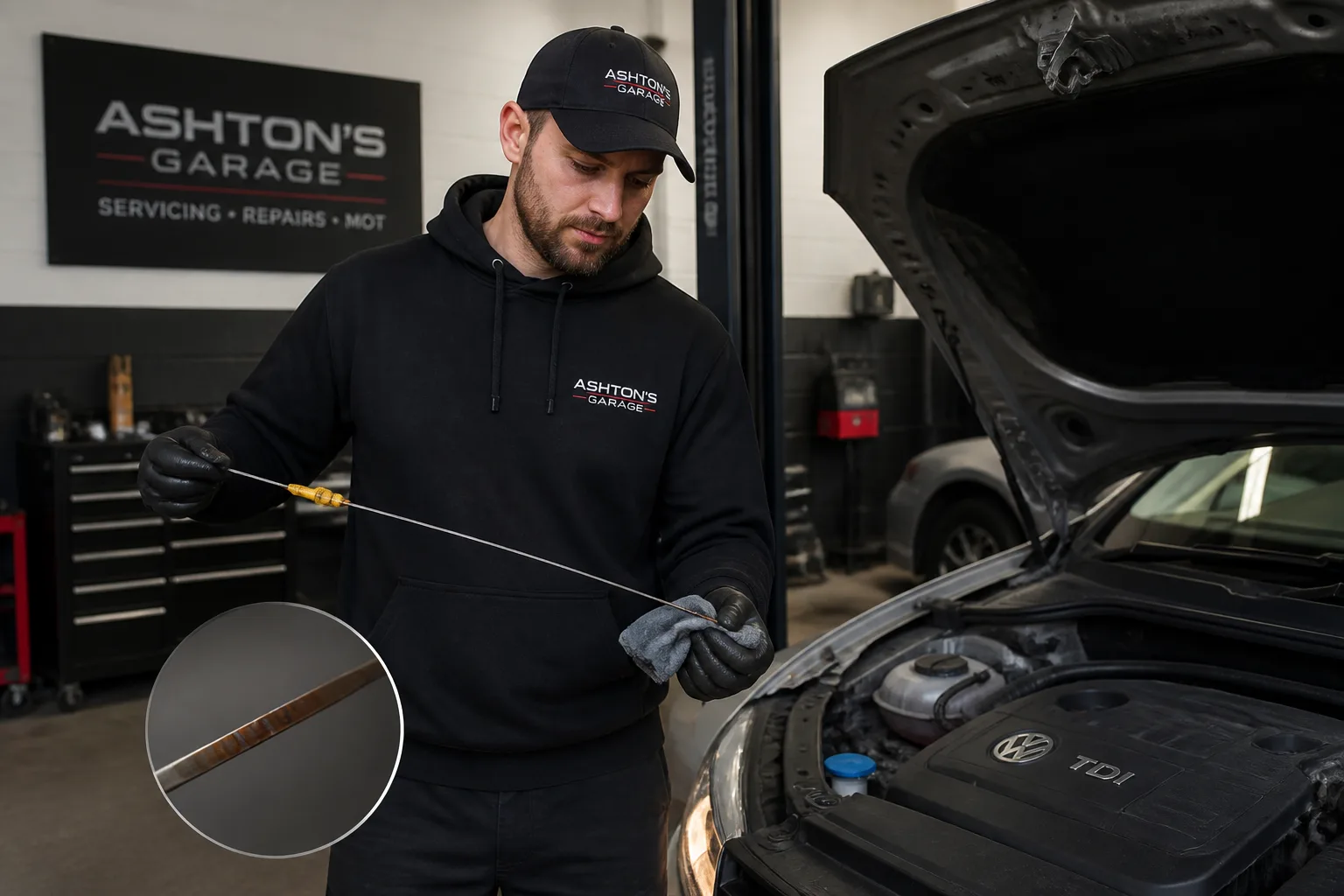
Knowing how to check your engine oil level safely is a useful part of looking after your car. Engine oil lubricates moving parts, helps control heat and carries away some of the contaminants produced during normal running. If the level becomes too low, the engine may not receive the protection it needs.
Checking the oil does not replace servicing, and the correct method can vary between vehicles. Some cars have a traditional dipstick, while others use an electronic oil-level display. Your owner's handbook should always take priority, particularly when it specifies the correct oil grade or a particular checking procedure.
Why checking your oil level matters
Oil is gradually consumed or lost in some vehicles. A small change between checks may be normal, but a falling level can also point to a leak or an engine issue that needs investigation. Modern engines can be particularly sensitive to using the wrong oil or allowing the level to fall too far.
The oil-pressure warning light is not a substitute for checking the level. It normally warns that oil pressure may already be dangerously low, rather than giving an early indication that the oil needs topping up. If that warning light comes on while driving, pull over somewhere safe, switch off the engine and seek advice. Continuing to drive may cause serious damage.
What you need before checking the oil
For a dipstick check, you will usually need a clean, lint-free cloth or paper towel and enough time to let the oil settle. You may also need a small amount of the correct engine oil if the level is low. Do not guess the oil specification. Check the owner's handbook, the manufacturer's information or the vehicle's service records.
Park on reasonably level ground, away from traffic and other hazards. Apply the parking brake and switch the engine off. If the engine has been running, allow a few minutes for the oil to drain back into the sump. Some manufacturers give specific instructions about whether the engine should be warm or cold, so follow the handbook if it differs from general guidance.
How to check the oil with a dipstick
- Locate the dipstick. It usually has a coloured handle in the engine bay, although its position differs between vehicles. If you cannot identify it confidently, check the handbook rather than pulling out an unfamiliar component.
- Remove and wipe it clean. Pull the dipstick out carefully and wipe the oil from the end with a clean cloth.
- Reinsert it fully. Push the dipstick back into its tube until it is seated correctly. This is important because the reading can be misleading if it is only partly inserted.
- Remove it again and read the markings. Hold the end horizontally or as advised by the manufacturer. The oil should normally be between the minimum and maximum marks, or within the marked safe area.
If the level is between the marks, there is usually no need to add oil immediately. A level close to the minimum mark deserves attention, particularly before a long journey. If it is below the minimum, use only the correct oil and add a small amount at a time, allowing it to settle before checking again.
Do not overfill the engine
Adding too much oil can also cause problems. The maximum mark is not a target to exceed. Overfilling can allow the crankshaft to disturb the oil, create excess pressure or contribute to other engine problems. If you have added too much, do not assume that driving will correct it. Ask a garage for advice.
Oil on the dipstick can be difficult to see, especially when it is clean or the dipstick tube is awkwardly positioned. Take more than one reading if necessary, but keep the process tidy and make sure the dipstick is fully seated when you finish. Avoid spilling oil onto hot engine components, belts or the ground.
What if your car has no dipstick?
Some newer vehicles use an electronic oil-level measurement system. The display may be found in the instrument menu or infotainment system, and the vehicle may need to be parked on level ground with the engine off for a specified period. Follow the instructions in the handbook rather than trying to remove covers or access components that are not designed for owner removal.
An electronic reading that is unavailable, unusually low or accompanied by a warning message should not be ignored. It may be a genuine low level, a sensor issue or a measurement taken under unsuitable conditions. A garage can check the vehicle using the correct information and equipment instead of relying on guesswork.
Signs that the oil level needs more than a quick top-up
Arrange a professional inspection if the level repeatedly drops, you notice fresh oil beneath the car, or the engine bay is wet with oil. Blue smoke from the exhaust, unusual engine noise, a burning-oil smell or a warning light also deserve attention. These symptoms have several possible causes, so an online article cannot diagnose the fault.
If the oil-pressure warning light is illuminated, the engine is making loud knocking or tapping noises, or you can see a substantial leak, stop in a safe place and switch the engine off. Do not continue driving simply because the car still appears to run normally. Low oil pressure can become an engine-damaging problem very quickly.
Oil checks are only one part of maintenance
A correct oil level is reassuring, but it does not confirm that the oil is still suitable or that the filter and engine are in good condition. Oil deteriorates with use and time, including when a car covers relatively few miles. This is why the manufacturer's service intervals matter.
If you are unsure which schedule applies, our guide to how often your car should be serviced explains why mileage is not the only consideration. You may also find it useful to read about what is included in a full car service, particularly if your vehicle has missed maintenance or you have recently bought it.
Drivers who mainly make short trips may also want to consider whether a car needs servicing when it is driven very little. Short journeys can still place demands on the engine and fluids, even if the odometer is not adding many miles.
How Ashton’s Garage can help
A basic oil check is sensible for most motorists, but repeated low readings, warning lights and unexplained leaks need proper assessment. At Ashton’s Garage, we can check the vehicle using appropriate workshop equipment, confirm the correct oil requirement and explain what needs attention in plain English. If your car is due maintenance, you can find more information about our vehicle servicing in Salisbury before deciding what is right for it.
Checking the level regularly is a useful habit, especially before longer journeys. If the reading is persistently low or you are not confident that the oil is being checked correctly, contact Ashton’s Garage for practical advice and an appropriate inspection rather than guessing.
Frequently asked questions
How often should I check my engine oil?
Check it regularly, such as every few weeks and before a long journey, while also following your vehicle manufacturer's guidance. Vehicles that use oil or have a known history of leaks may need more frequent checks.
Should I check engine oil when the engine is hot or cold?
The correct method varies by vehicle. Park on level ground, switch the engine off and allow the oil to settle, then follow the instructions in the owner's handbook. Do not rely on a generic procedure if the manufacturer gives different instructions.
Can I drive if the oil level is at the minimum mark?
A reading at the minimum mark means the level needs attention. Use the correct oil and top up carefully if appropriate, without exceeding the maximum mark. If the level keeps falling or a warning light is on, seek professional advice before driving further.
What should I do if my car's oil-pressure warning light comes on?
Pull over safely, switch the engine off and seek assistance. The warning may indicate dangerously low oil pressure, and continuing to drive can cause serious engine damage. Checking or adding oil may not resolve the underlying problem.
Related advice
What Is Brake Fluid and Why Does It Need Changing?
Brake fluid transfers pressure from the pedal to the brakes, but it can absorb moisture over time. Here is why changing it matters and what warning signs to take seriously.
How Often Should Engine Coolant Be Changed?
Engine coolant does more than stop your car freezing in winter. Find out how often it usually needs changing, why the interval varies, and which warning signs should be checked by a garage.
What Is a Timing Belt and When Does It Need Replacing?
A timing belt keeps your engine’s internal parts moving in sync. Learn what it does, how often it may need replacing and why relying on symptoms alone can be risky.