How Often Should Engine Oil Be Changed?
Most cars need an oil change at a mileage or time interval set by the manufacturer. Here is how to understand the schedule, when driving conditions may matter and why the correct oil is important.
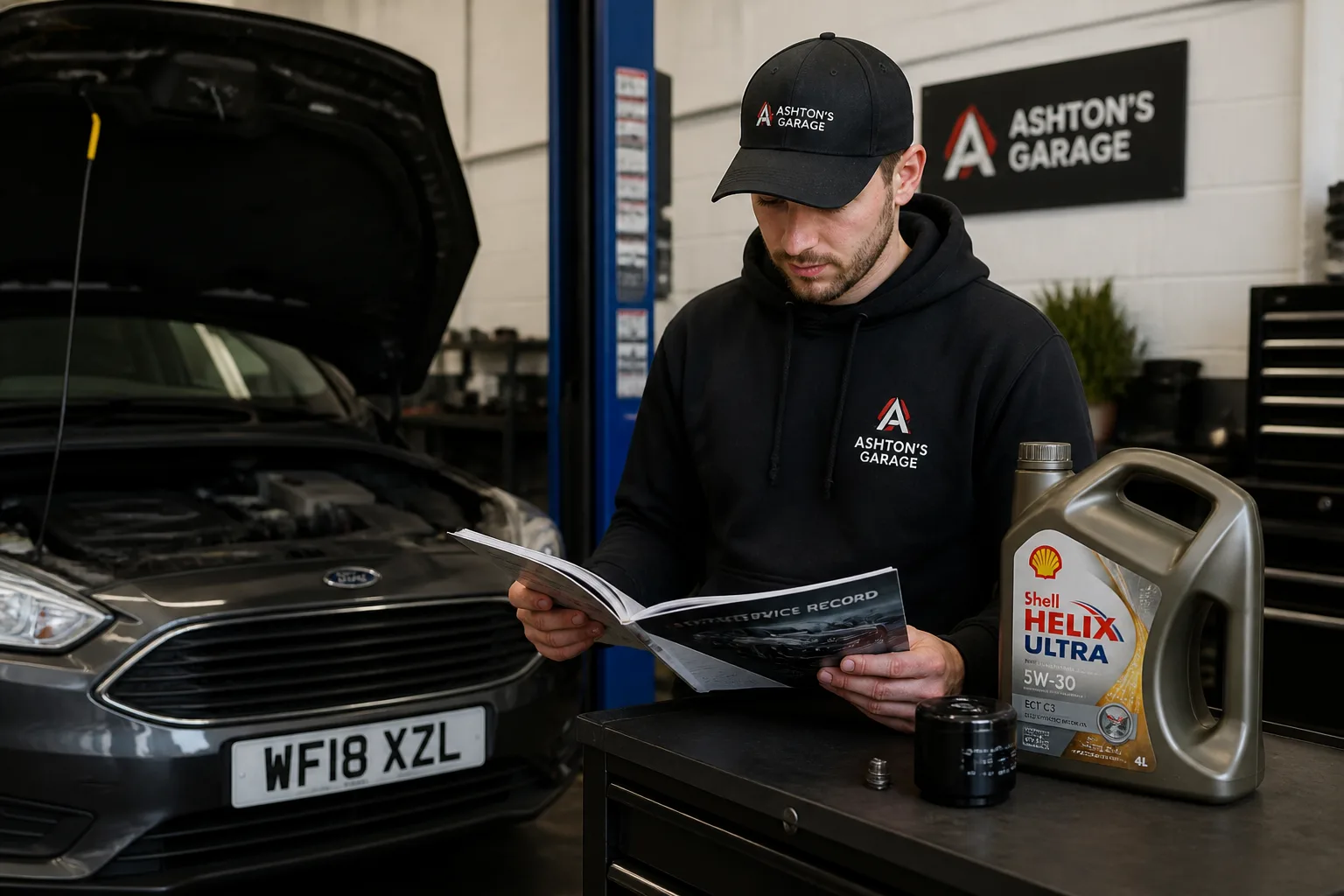
Engine oil has a demanding job. It lubricates moving parts, helps carry heat away from the engine and holds some contaminants in suspension so they can be removed by the oil filter. Over time, the oil becomes less effective, which is why changing it is a routine part of car maintenance.
So, how often should engine oil be changed? The safest starting point is the interval set by your vehicle manufacturer. This is usually expressed as a mileage limit, a time limit, or whichever comes first. The exact schedule varies between vehicles, engines and types of oil, so your handbook or manufacturer servicing information should take priority over a general rule.
What is a typical oil change interval?
Many modern cars have oil change intervals based on both distance and time. For example, a manufacturer may specify an oil change as part of a service after a certain number of miles or after a set number of months. The important point is not to wait for the mileage if the time limit arrives first, particularly if the vehicle is used for short journeys or sits unused for long periods.
Some cars use a service indicator that estimates when maintenance is due. This can take account of factors such as mileage, journey patterns and engine operating conditions. It is useful, but it should be interpreted alongside the vehicle handbook and the wider service schedule. A service light is not a substitute for checking what maintenance your car requires.
If you have lost the handbook, the recommended interval may be available through the vehicle manufacturer or can be confirmed by a garage using the car's registration and service information. It is worth checking rather than choosing an interval based only on the age of the vehicle or what another car requires.
Why the correct interval matters
Oil gradually changes as it works. Heat, combustion by-products and normal engine wear can affect its condition. The oil filter also collects particles and contaminants, but it has a limited capacity. Changing the oil and filter at the appropriate time helps the engine continue to operate with the protection intended by the manufacturer.
Leaving an oil change too long does not always produce an obvious warning. An engine can sound normal while the oil is ageing or the level is becoming low. Delayed maintenance may contribute to increased wear, sludge formation or problems with components that depend on clean oil flow. These are possibilities rather than a diagnosis of any particular vehicle, but they explain why oil maintenance should not be treated as optional.
Does the type of driving change how often oil should be changed?
It can. A car used mainly for steady longer journeys may reach its normal operating temperature more consistently than one used for repeated short trips. Short journeys, stop-start traffic, frequent cold starts, towing and extended periods of idling can place different demands on the engine and oil.
This does not automatically mean you should invent a new service interval. Instead, check whether your manufacturer describes certain uses as severe, arduous or demanding conditions. If it does, follow the more frequent schedule where one is provided. If your driving pattern is unusual, a garage can help interpret the servicing information without guessing at a replacement interval.
Low annual mileage also does not mean an oil change can be ignored indefinitely. Oil maintenance is commonly controlled by time as well as distance. This is one reason a car that is used only occasionally can still need regular servicing. Our guide to servicing a car that is driven very little explains this in more detail.
Is an oil change the same as a service?
Not necessarily. An oil change normally refers to draining the old engine oil, fitting the appropriate filter where required and refilling with the correct specification of oil. A service is a wider inspection and maintenance event, with checks and replacement items determined by the service schedule and the level of service selected.
Some manufacturers include an oil and filter change within an interim service, while others may have different requirements at different stages of the schedule. It is important to understand what is included rather than assuming every service is identical. You can read more about the difference in our guide to interim and full services, as well as our explanation of what a full car service may include.
A full service may also identify issues that an oil change alone would not reveal, such as worn brakes, damaged tyres, fluid leaks or problems with lights and suspension components. These checks do not replace a proper diagnosis if a fault is suspected, but they can help identify maintenance needs before they become more disruptive.
How do you know which engine oil your car needs?
Engine oil is not simply chosen by viscosity, which describes how easily it flows at different temperatures. Many engines also require a particular manufacturer approval or performance specification. Using the wrong oil can be unsuitable even if the number on the container appears similar.
Check the handbook or reliable manufacturer information for the required specification. This is especially important for modern engines fitted with turbochargers, emissions-control equipment or systems that depend on carefully controlled oil flow. A garage should be able to verify the correct oil before carrying out the work.
What can you safely check between oil changes?
You can usually check the oil level using the method described in the handbook, where the vehicle is parked safely and the engine has been allowed to reach the condition specified by the manufacturer. Some cars have a traditional dipstick, while others display the level electronically and may require a particular sequence before a reading is available.
Do not rely on the oil level check to assess oil condition or diagnose an engine problem. Oil colour alone is not a dependable way to decide whether it needs changing, and adding oil does not correct a leak or replace a scheduled service. Use only the specified oil and avoid overfilling. If the level is repeatedly low, there is oil on the ground, or the car is using more oil than expected, arrange a professional inspection rather than simply topping it up indefinitely.
What if the oil warning light comes on?
An oil pressure warning light is different from a routine service reminder. If it illuminates while the engine is running, stop somewhere safe as soon as possible and switch the engine off. Continuing to drive with low oil pressure can cause serious engine damage. Check the handbook for the correct meaning of the warning and seek professional help if it remains on or returns.
A service reminder, oil level warning and oil pressure warning can have different meanings, so do not assume they all require the same response. If you are unsure which symbol is showing, it is safer to stop and obtain advice than to continue driving while hoping it clears.
Keeping oil maintenance on track
Keep a record of oil changes and services, including the date, mileage and oil specification used. This makes it easier to follow the next interval and helps provide useful information if the car is sold or develops a fault later. If the vehicle is approaching its scheduled maintenance, Ashton’s Garage can check the relevant requirements and explain what needs attention.
Our practical approach is to use the vehicle information, inspect the relevant areas and explain any recommendations clearly. That means an oil change can be considered in the context of the whole service schedule rather than treated as an isolated task. For more general guidance, see our article on how often a car should be serviced.
If you are unsure whether your car is due an oil change, or you need the correct service interval confirmed, you can contact Ashton’s Garage about vehicle servicing in Salisbury. It is a sensible way to clarify the schedule and arrange the appropriate maintenance without guessing.
Frequently asked questions
How often should engine oil be changed on a low-mileage car?
Follow the manufacturer's time and mileage interval, using whichever comes first. Low annual mileage does not usually remove the need for time-based oil maintenance, particularly if the car is used for short journeys or sits unused for long periods.
Should the oil filter be changed with the engine oil?
An oil filter is commonly replaced as part of an oil and filter change, but the exact requirement should follow the vehicle manufacturer's service information. A garage can confirm what is due for your specific car.
Can I just top up the oil instead of changing it?
Topping up may be necessary if the oil level is low, using the correct specification and avoiding overfilling. It does not replace a scheduled oil change, and repeated loss of oil should be investigated because it may indicate a leak or another problem.
Is an oil warning light the same as a service reminder?
No. A service reminder indicates that scheduled maintenance is due, while an oil pressure warning light may indicate a problem requiring immediate attention. If an oil pressure warning appears while driving, stop safely, switch off the engine and seek professional advice.
Related advice
What Is Brake Fluid and Why Does It Need Changing?
Brake fluid transfers pressure from the pedal to the brakes, but it can absorb moisture over time. Here is why changing it matters and what warning signs to take seriously.
How Often Should Engine Coolant Be Changed?
Engine coolant does more than stop your car freezing in winter. Find out how often it usually needs changing, why the interval varies, and which warning signs should be checked by a garage.
What Is a Timing Belt and When Does It Need Replacing?
A timing belt keeps your engine’s internal parts moving in sync. Learn what it does, how often it may need replacing and why relying on symptoms alone can be risky.