How Often Should a Car’s Auxiliary Belt Be Checked?
Most auxiliary belts should be inspected during routine servicing and whenever warning signs appear. Learn what the belt does, how often it needs checking, which symptoms matter and why replacement intervals vary between vehicles.
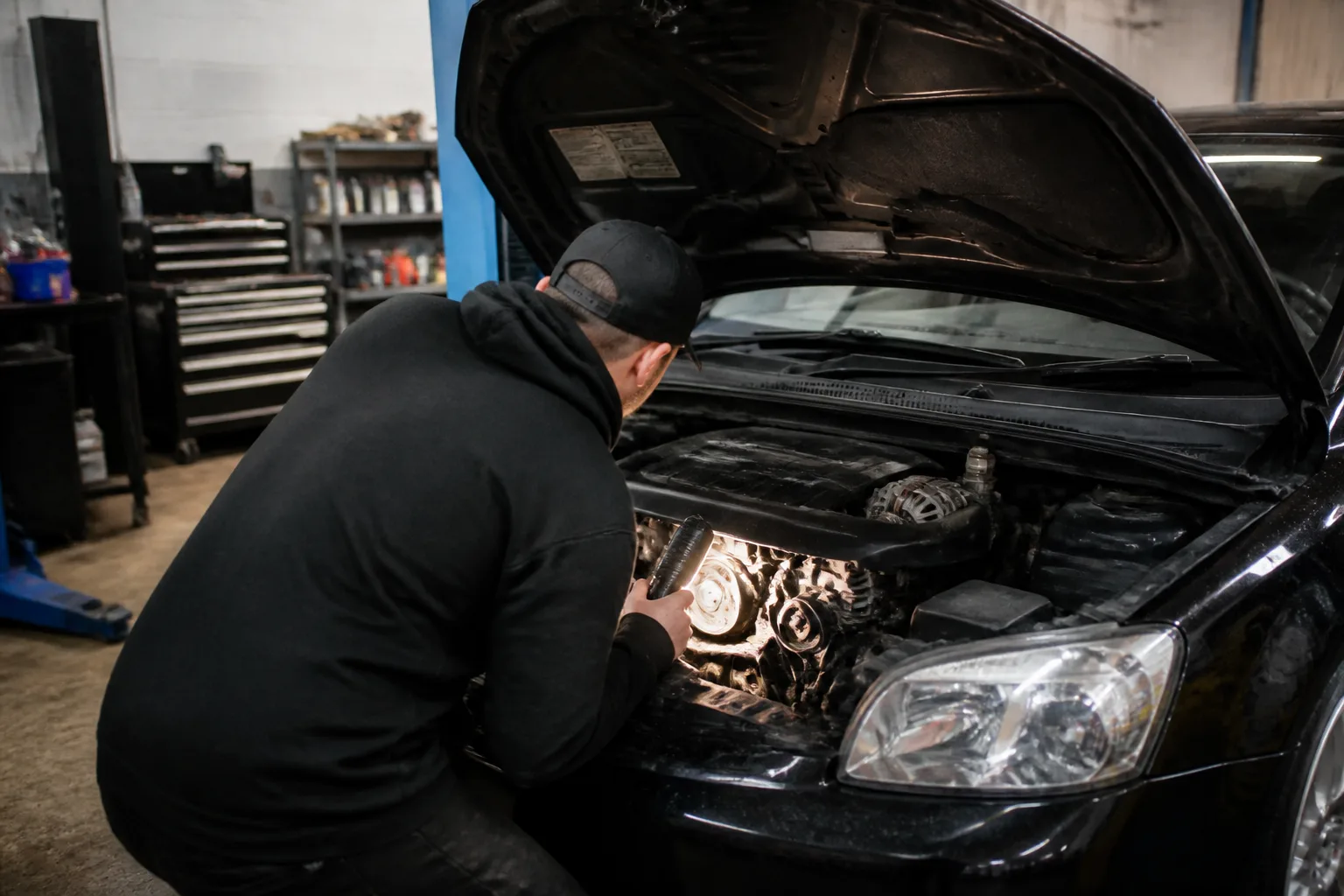
If you are wondering how often should a car’s auxiliary belt be checked, the practical answer is usually at every routine service, with additional checks if the belt becomes noisy, damaged or contaminated. The exact inspection and replacement schedule depends on the car, the engine, the belt design and the manufacturer’s servicing information.
An auxiliary belt is a relatively simple component, but it works hard. If it fails, you may lose the operation of systems such as the alternator, air conditioning compressor, water pump or power steering assistance, depending on how the vehicle is designed. That can turn a routine journey into a breakdown, and in some vehicles an overheating problem can develop quickly.
What does an auxiliary belt do?
The auxiliary belt, sometimes called a serpentine belt or drive belt, transfers power from the engine to one or more externally mounted components. These may include the alternator, which charges the battery, and the air conditioning compressor. Some engines also use the belt to drive the water pump or a power steering pump.
Not every car uses the same arrangement. Some have one long belt, while others use separate belts for different accessories. The belt may also run over tensioners and guide pulleys. These parts help maintain the correct tension and alignment, so a belt inspection should not focus on the rubber belt alone.
How often should an auxiliary belt be checked?
As a sensible general rule, the auxiliary belt should be checked at each scheduled service. The service schedule for your vehicle may specify an inspection at particular mileage or time intervals. A technician can then look for wear, contamination, incorrect tension and signs that the pulleys or tensioner are not running properly.
There is no single inspection interval that applies to every car. A manufacturer may set a replacement recommendation, while another vehicle may rely on regular condition checks. The belt can also age even if the car has covered relatively few miles. Heat, moisture, oil contamination, repeated short journeys and long periods of standing can all affect rubber components.
If you drive very little, it is still worth keeping to the time-based part of the servicing schedule. Our guide to servicing a car that is driven very little explains why low mileage does not remove the need for routine maintenance.
When should the belt be checked sooner?
Arrange an inspection sooner than the next scheduled service if you notice any of the following:
- a squealing, chirping or slapping noise from the front or side of the engine
- visible cracking, fraying, splitting or missing sections of belt material
- shiny or glazed areas on the belt surface
- rubber dust around the belt or pulley area
- a belt that appears loose, misaligned or excessively worn
- a battery warning light, if the alternator is belt-driven
- loss of air conditioning or changes in steering assistance, where those systems are driven by the belt
- an unusual smell of hot rubber.
These signs do not identify one definite fault. A noise could come from a worn pulley, tensioner or bearing rather than the belt itself. Equally, a belt can look acceptable while an underlying pulley problem is affecting its alignment. That is why replacing the belt without checking the related components may not solve the problem.
What happens if an auxiliary belt fails?
The consequences depend on the vehicle’s layout. If the alternator stops being driven, the battery may no longer charge and the car could eventually stop running. If the belt drives the water pump, coolant circulation may be affected and the engine could overheat. A failed belt can also remove power assistance from some steering systems or stop the air conditioning compressor from operating.
If the battery warning light comes on together with unusual belt noise, or if the temperature gauge rises, treat it as a potential breakdown rather than something to monitor indefinitely. Pull over safely when possible and switch off the engine if overheating is suspected. Continuing to drive may cause expensive engine damage or leave you without important assistance. If steering becomes unusually heavy, take extra care and seek professional help rather than attempting to continue a normal journey.
Does an auxiliary belt need replacing at a fixed interval?
Not necessarily. Some manufacturers provide a recommended replacement period, but the correct interval is specific to the vehicle and engine. The owner’s handbook or manufacturer service information is the best starting point. A garage may also recommend replacement when the belt shows deterioration or when a related component is being replaced.
It is important to distinguish the auxiliary belt from the timing belt. The timing belt operates inside the engine and controls the relationship between the crankshaft and camshaft. The auxiliary belt operates external accessories. They have different jobs, construction and maintenance requirements, although both should be maintained according to the vehicle manufacturer’s guidance.
A full service may include checks of drive belts and other engine-bay components, but the exact contents vary. You can compare the usual scope of different appointments in our guide to what is included in a full car service. If your car is due for routine maintenance, our explanation of how often to service your car may also help you understand how mileage and time work together.
What does a professional belt inspection involve?
A technician will normally assess the visible belt condition and consider its tension, alignment and routing. The surrounding pulleys, tensioner and any accessible belt-driven components also need attention. Signs of wobbling, roughness, leakage or contamination can be just as relevant as cracks in the belt.
Some modern belts have materials that do not show obvious cracking as they age. A belt can therefore need attention because of glazing, stretching, rib wear or contamination rather than a dramatic split. Access may also be limited, so a complete assessment is not always possible by simply looking into the engine bay from above.
There is usually little benefit in trying to assess belt tension by hand or applying a dressing product. Incorrect tension can damage the belt and the driven components, while belt dressing may mask a noise without addressing the cause. Inspection or replacement is best handled as part of a proper service or repair assessment.
How to reduce the chance of an auxiliary belt problem
Keep to the servicing schedule, respond to new noises and mention any warning lights or loss of accessory function when arranging an appointment. Tell the garage if the engine has recently been exposed to an oil or coolant leak, as fluid contamination can affect belt life.
It is also sensible to check the handbook before a long journey, particularly if the car is approaching a manufacturer-recommended belt replacement point. If the belt is visibly damaged, do not rely on a visual check alone to decide that it is safe to drive. A garage can assess the belt system and advise whether the vehicle needs attention before it is used normally.
For motorists in Salisbury who want the auxiliary belt considered as part of wider routine maintenance, Ashton’s Garage vehicle servicing provides a sensible route to have the relevant components checked. The aim is to identify wear early and explain what needs attention, without recommending work that the vehicle does not require.
Frequently asked questions
Can I drive with a squealing auxiliary belt?
A short squeal does not prove that the belt is about to fail, but it should not be ignored. The cause may be belt wear, contamination, incorrect tension or a faulty pulley. Arrange a professional inspection, and stop driving if the noise is accompanied by warning lights, overheating or a change in steering assistance.
Is an auxiliary belt the same as a timing belt?
No. An auxiliary belt drives external components such as the alternator and air conditioning compressor, depending on the vehicle. A timing belt controls the engine’s internal timing. They have different functions and maintenance requirements.
Does a low-mileage car still need its auxiliary belt checked?
Yes. Time, heat, moisture and contamination can affect a belt even when the car covers few miles. Follow both the mileage and time-based parts of the vehicle’s servicing schedule.
Should the tensioner be replaced with the auxiliary belt?
Not automatically. The tensioner and pulleys should be assessed when the belt is inspected. Replacement may be appropriate if a component is worn, noisy, damaged or affecting belt alignment.
Related advice
Does Service History Affect a Car’s Value?
A clear, consistent service history can support a car’s value by giving buyers confidence in its maintenance and condition. Here is what records are worth, what buyers look for and how to fill gaps responsibly.
Signs Your Car Is Overdue a Service
A missed service is not always obvious. Learn the common signs your car may be overdue maintenance, what they can mean and when professional checks are sensible.
What Should You Check Before a Long Journey?
A practical pre-trip checklist covering tyres, fluids, lights, brakes, visibility, breakdown equipment and the warning signs that should be checked by a garage before you set off.