How Hot Weather Affects Your Tyres: What UK Drivers Need to Know
Hot weather can change tyre pressures, increase the effect of existing damage and add extra stress during long journeys. Here is what UK drivers should check before setting off.
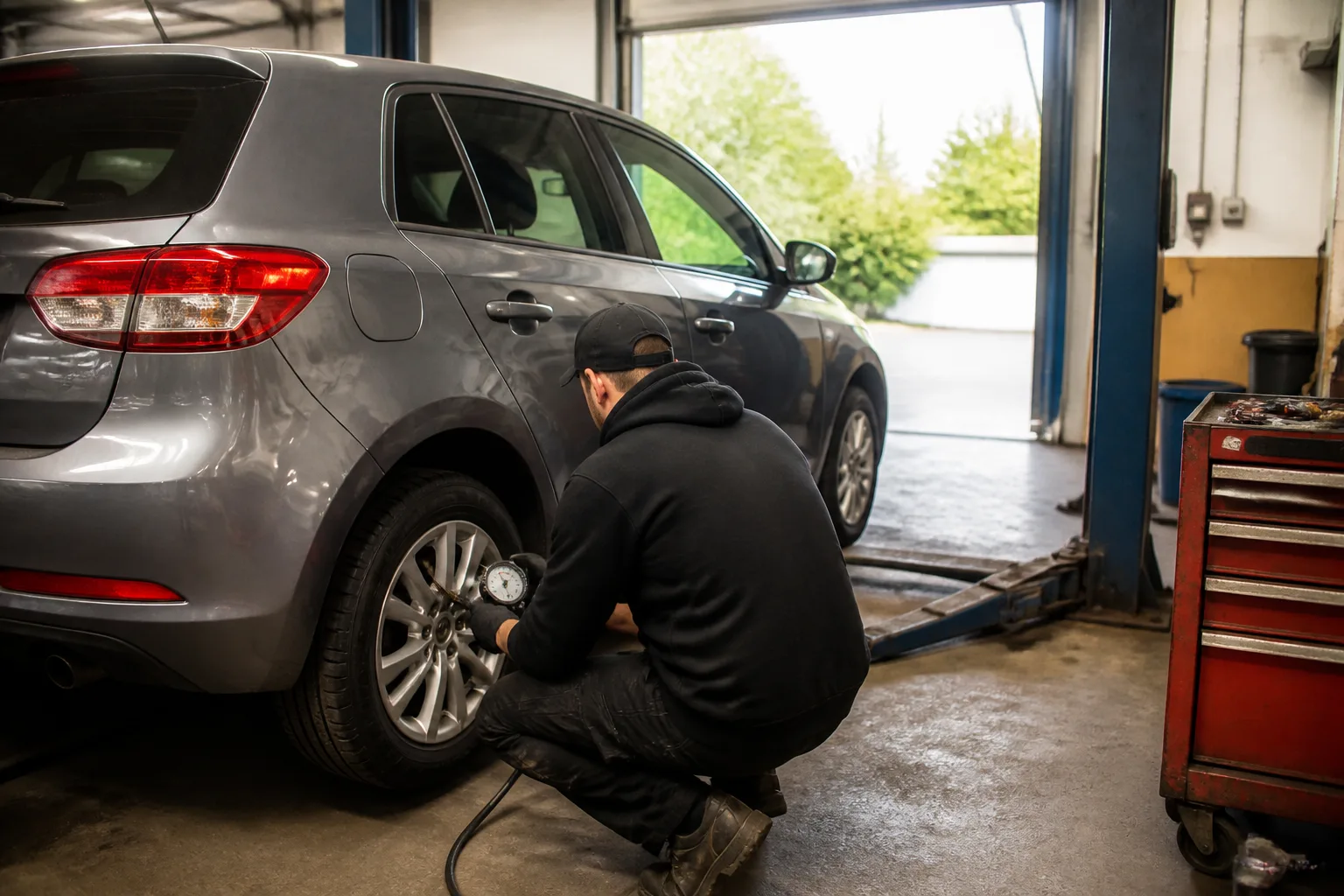
Tyres work hard in hot weather. They carry the weight of the vehicle, maintain contact with the road and deal with heat from the road surface, braking and friction. During a warm spell or a long summer journey, those demands can become more noticeable.
Understanding how hot weather affects your tyres can help you spot problems early. The main points are tyre pressure, existing damage, tread condition and the extra heat generated on a heavily loaded or long-distance journey. Hot weather does not automatically mean your tyres are unsafe, but it is a good reason to check them rather than assume they are fine.
Does hot weather increase tyre pressure?
Yes. Air expands as it becomes warmer, so the pressure inside a tyre can rise when temperatures increase. The pressure may also increase after the vehicle has been driven because the tyres warm up through flexing and contact with the road.
That is why tyre pressures should normally be checked when the tyres are cold, before driving or after the vehicle has been parked for long enough to cool down. The correct pressures for your vehicle are usually listed in the handbook, on a label around the driver’s door area or inside the fuel flap. Use the vehicle manufacturer’s recommended figures rather than a generic pressure shown on the tyre itself.
A reading taken from a hot tyre may be higher than its cold pressure. Do not release air simply because the reading is higher after a journey. Allow the tyres to cool and check them again using the correct cold-pressure figures. If you are unsure about a reading, a garage can check the pressures and condition of the tyres for you.
Why the correct pressure matters in summer
Both under-inflation and over-inflation can affect how a car feels and how its tyres wear.
- Under-inflated tyres flex more as they roll. This can create additional heat and may increase wear on the outer edges of the tread.
- Over-inflated tyres can reduce the area of tread in contact with the road and may make the vehicle feel less settled, particularly over uneven surfaces.
- Incorrect pressures can affect steering response, braking performance, comfort and fuel consumption.
Pressure changes caused by the weather are not a reason to use a different target pressure. Set the tyres to the manufacturer’s recommended pressure when they are cold, including any separate recommendation for a heavily loaded vehicle or long journey.
For more detail on checking pressures as temperatures change, see our guide to whether you should check tyre pressure when the temperature changes.
Heat can make existing tyre problems worse
Hot weather does not usually create a serious tyre defect from nothing. It can, however, add stress to a tyre that is already worn, damaged or being used at the wrong pressure.
Before a longer journey, look for cuts, bulges, cracks, objects in the tread and signs that the tyre is wearing unevenly. A bulge in the sidewall can indicate internal damage. A tyre that is losing pressure repeatedly may have a puncture, valve problem, wheel issue or another fault that cannot be confirmed from a visual check alone.
Do not continue driving on a tyre with a significant bulge, a deep cut, exposed internal material or rapidly falling pressure. These are reasons to stop in a safe place and arrange professional assistance or an inspection. Avoid attempting a safety-critical repair at the roadside unless you are following the vehicle manufacturer’s instructions and can do so safely.
What happens to tyres on a hot road?
Road surfaces can become much warmer than the surrounding air, particularly in strong sunshine. Tyres also generate heat as they flex and roll. Braking, fast cornering, heavy loads and sustained motorway speeds can add to the heat produced during a journey.
This is not normally a problem for tyres in good condition and correctly inflated for the vehicle. It becomes more important when a car is carrying several passengers and luggage, when the pressures have not been checked, or when a tyre already has damage or severe wear.
Take extra care on long journeys. Check the tyres before leaving, make sure the load is secure and use the recommended loaded-vehicle pressures if your handbook specifies them. During a stop, look at the tyres from a safe position. If one appears visibly damaged, unusually soft or significantly different from the others, do not ignore it.
Does hot weather damage the rubber?
Tyre rubber is designed to operate across a range of conditions, including warm weather. However, tyres age over time and can become harder or develop surface cracking. Exposure to sunlight, temperature changes, storage conditions and general use can all contribute to ageing.
Check the sidewalls for cracking and inspect the tread for signs of deterioration. Do not judge a tyre’s condition by tread depth alone. A tyre can have apparently usable tread but still need attention because of age, damage or uneven wear.
If you notice cracking, a change in handling, repeated pressure loss or vibration, arrange an inspection. The cause may be straightforward, but it cannot be diagnosed reliably without examining the tyre, wheel and vehicle.
Simple tyre checks before a hot-weather journey
A few basic checks can reduce the chance of an avoidable problem:
- Check all four tyre pressures when the tyres are cold, and check the spare if your vehicle has one.
- Use the recommended pressure for the vehicle and its load, not the maximum pressure printed on the tyre.
- Look for cuts, bulges, cracks, nails and other objects in the tread or sidewall.
- Check for uneven wear, including wear concentrated on one edge.
- Make sure the valve caps are present and that there is no obvious sign of a leaking valve.
- Pay attention to warning lights, vibration, pulling to one side or changes in steering feel.
These are sensible owner checks, not a substitute for a professional inspection where a tyre is damaged or the vehicle is behaving unusually. A tyre pressure monitoring system can also be useful, but it should not replace a visual check. Some systems warn about pressure loss rather than confirming that every tyre is correctly set.
When should you ask a garage to inspect the tyres?
Arrange an inspection if a tyre repeatedly loses pressure, has visible damage, is wearing unevenly or has caused a change in the car’s handling. It is also sensible to ask for advice before a long trip if you are uncertain about tyre condition, load pressures or a warning light.
As part of routine maintenance, a garage can inspect the tyres, wheels and related components rather than looking at the rubber in isolation. Ashton’s Garage can include tyre and general vehicle checks as part of a vehicle service in Salisbury, while explaining any findings in plain English.
For broader seasonal preparation, you may also find our summer car maintenance checklist useful. The aim is not to worry about normal warm weather, but to deal with small concerns before they become a problem on the road.
The main takeaway
Hot weather can raise tyre pressures and increase the heat generated during driving. Correct cold pressures, a careful visual inspection and sensible attention to warning signs are the most useful safeguards. If a tyre is visibly damaged, losing pressure or affecting the way the car steers or brakes, stop when it is safe to do so and arrange a professional inspection rather than carrying on and hoping it improves.
Frequently asked questions
Should I let air out of my tyres when they are hot?
No. A hot tyre can show a higher pressure because the air inside has warmed up. Check the pressure again when the tyre is cold and compare it with the vehicle manufacturer’s recommended figure before making any adjustment.
How often should I check my tyre pressures in hot weather?
Check them regularly and before a long journey, particularly when the vehicle is heavily loaded or temperatures have changed noticeably. Always take the readings with the tyres cold for the most useful comparison.
Can I drive with a bulge or crack in a tyre?
A bulge or significant crack can indicate damage or deterioration and should not be treated as a cosmetic issue. Avoid driving on it where possible, stop safely if you notice it during a journey and arrange a professional inspection.
Does hot weather wear tyres out faster?
Warm conditions add heat to the tyre, especially during long journeys, heavy loading or sustained high-speed driving. Good-quality tyres at the correct pressure are designed for normal use, but existing damage, incorrect pressure and uneven wear can make heat more concerning.
Related advice
How to Clear Your Windscreen Safely in Winter
Learn how to clear frost, ice and condensation from your windscreen safely in winter, using the right tools and avoiding damage to the glass, wipers and paintwork.
How Often Should Wiper Blades Be Replaced?
Wiper blades do not have a fixed expiry date, but most need checking regularly and replacing when they stop clearing the windscreen properly. Learn what affects their lifespan and which warning signs should not be ignored.
How to Prepare Your Car for Frost
A practical guide to getting your car ready for frosty mornings, including checks for the battery, tyres, fluids, visibility and door seals.